Kitchens and bathrooms cost the most when renovating a house, typically consuming 40–50% of the total renovation budget. These wet areas demand expensive plumbing, electrical work, waterproofing, and premium fixtures. Structural changes like removing walls or adding extensions follow closely behind.
Labour costs in Sydney now represent 35–45% of most renovation budgets, and that share has grown steadily since 2022. Many Sydney homeowners underestimate hidden costs like council permits, asbestos removal, and temporary accommodation, and first-time renovators face 20–30% cost overruns without proper planning.
After years of pricing Sydney renovations, I have found that understanding where the money goes is the single most effective way to avoid a budget blowout. We break down every major cost centre below, from kitchens and bathrooms through to landscaping and solar, so you can plan with confidence.
Most Expensive Areas and Elements of a House Renovation
Every renovation project has cost centres that consume the bulk of the budget. Sydney renovation costs vary significantly based on scope and quality choices, and knowing where money flows helps you allocate funds wisely.
Here is a quick-reference cost summary before we go deeper into each area.
| Renovation Area | Typical Sydney Cost Range |
| Kitchen | $25,000 – $80,000+ |
| Bathroom | $20,000 – $50,000 |
| Structural work/extensions | $5,000 – $40,000+ |
| Landscaping | $20,000 – $100,000 |
| Solar panel system | $5,000 – $15,000 (after rebates) |
| Full home renovation | $150,000 – $500,000 |
| Labour (as % of budget) | 35–45% |
Which Room Costs the Most to Renovate?
The kitchen costs the most to renovate of any single room in a Sydney home, at $25,000 to $80,000+. Bathrooms rank second at $20,000 to $50,000, but cost more per square metre than kitchens because waterproofing, tiling, and plumbing compress into a smaller footprint.
Ranked by total spend, the order runs:
- Kitchen
- Bathroom
- Structural work and extensions
- Landscaping and outdoor living
- Flooring and finishes throughout
Kitchens
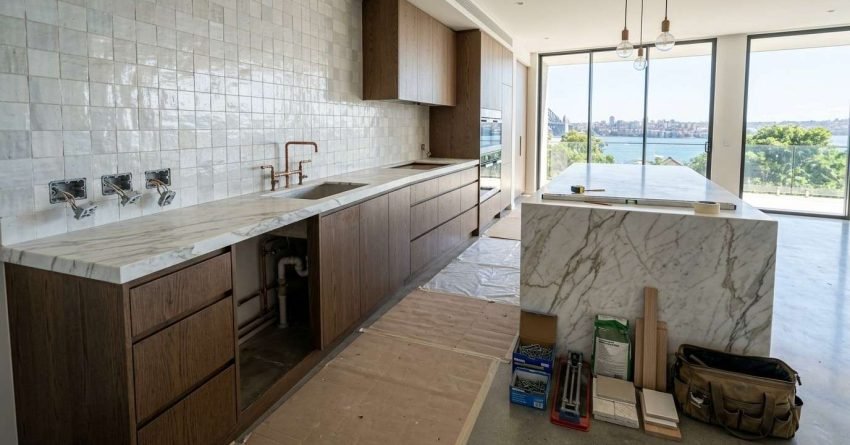
Kitchen renovations in Sydney range from $25,000 for basic updates to $80,000+ for premium fitouts. Cabinetry alone accounts for 30–40% of kitchen costs, and custom joinery pushes this higher. Stone and engineered benchtops add $3,000–$15,000 depending on size and material choice.
Appliance packages vary widely in price. Budget brands start around $3,000 for a complete set, while premium European appliances easily exceed $20,000. Relocating plumbing for sinks or dishwashers adds $2,000–$5,000 per fixture moved.
Electrical upgrades often surprise homeowners. Modern kitchens need dedicated circuits for appliances, and we typically see $1,500–$4,000 for electrical work alone. Lighting design adds another $1,000–$3,000 for quality fixtures and installation.
Bathrooms
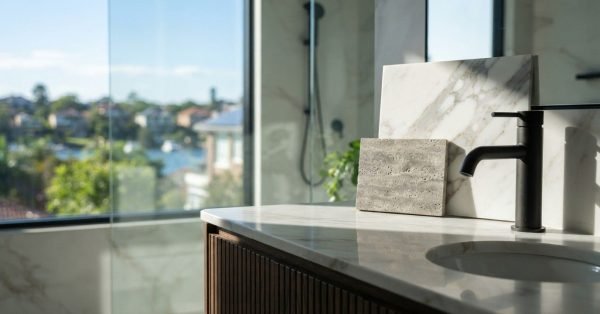
Bathroom renovations cost $20,000–$50,000 in Sydney for a standard-sized space. Waterproofing is non-negotiable at $1,500–$3,000, and this hidden expense protects the investment from water damage. Tiling labour and materials consume 25–30% of bathroom budgets.
Fixtures and fittings range dramatically. Budget tapware starts at $200 per piece, while designer brands exceed $1,500 per item. Vanities cost $800–$5,000 depending on size and quality, and freestanding baths add $2,000–$8,000 to the budget.
Plumbing rough-in work costs $3,000–$8,000 for a complete bathroom. Moving toilet locations increases costs significantly, with each metre of drain relocation adding $500–$1,000. Heated flooring adds comfort at $1,000–$2,500 installed.
Structural Work
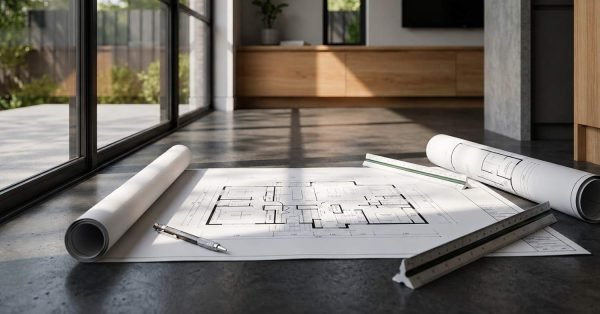
Structural modifications represent the highest-risk cost category. Removing load-bearing walls costs $5,000–$15,000 including engineering and council approvals. Extensions start at $3,000–$5,000 per square metre in Sydney, and second-storey additions exceed $4,500 per square metre.
Foundation work varies based on soil conditions. Sydney’s clay soils often require special engineering, and underpinning costs $1,500–$3,000 per linear metre. Retaining walls add $500–$1,500 per square metre depending on height and materials.
Roof modifications for extensions cost $15,000–$40,000. New roof structures need engineering certification, and council approval timelines add 8–12 weeks to project schedules.
Extensions and second-storey additions consistently deliver strong capital value in Sydney’s market, which makes the upfront cost easier to justify.
Renovate or Knock Down and Rebuild?
The decision point arrives when renovation costs approach 50% of the property’s rebuild value. Below that threshold, renovating almost always wins on cost and on council approval speed.
Above it, the arithmetic shifts. Full gut renovations of pre-1960 Sydney homes frequently uncover asbestos, failed footings, and non-compliant wiring simultaneously, and the combined remediation bill closes the gap on a rebuild. We assess this at the design stage, before demolition commits you to a path.
Labour
Labour costs in Sydney have increased 15–20% since 2022, according to Master Builders Australia. Skilled tradespeople charge $80–$120 per hour, and project managers add 10–15% to total costs while preventing expensive mistakes and keeping timelines on track.
Trade shortages affect availability and pricing. Booking lead times extend 4–8 weeks for quality contractors, and rush jobs attract premium rates of 20–30% above standard pricing. Planning ahead is one of the most effective ways to control labour costs.
Demolition labour costs $100–$200 per square metre. Asbestos removal requires licensed specialists at $50–$100 per square metre, and waste disposal adds $500–$2,000 depending on project size. Skip bin hire runs $300–$800 per week.
Materials and Finishes
Timber prices increased 25–35% between 2021 and 2024, according to the Australian Bureau of Statistics. Steel framing offers cost stability but requires specialist installers. Concrete costs $200–$350 per cubic metre delivered.
Finish selections dramatically impact budgets. Laminate flooring costs $30–$60 per square metre installed, engineered timber runs $80–$150 per square metre, and natural hardwood exceeds $150–$250 per square metre with installation.
Paint and wall finishes add up quickly. Quality paint costs $80–$150 per room for materials, professional painting runs $35–$55 per square metre, and feature walls in stone or timber add $200–$500 per square metre.
Plumbing and Electrical
Plumbing and electrical work together consume 20–30% of renovation budgets. Hot water system upgrades cost $2,000–$8,000 depending on type, and gas-to-electric conversions require new circuits at $3,000–$6,000. Solar hot water adds $4,000–$7,000 installed.
Electrical switchboard upgrades cost $1,500–$4,000. Older Sydney homes often need complete rewiring at $8,000–$15,000, and additional power points cost $150–$250 each installed. Ceiling fan installations run $300–$500 per unit.
Plumbing compliance certificates cost $200–$400, and electrical certificates of compliance run $150–$300. These mandatory inspections protect the investment, because non-compliant work creates insurance and resale problems.
Hidden Renovation Costs Sydney Homeowners Overlook
Hidden costs are where renovation budgets most often unravel. We see first-time renovators consistently underestimate these items, and the shortfall is what turns a well-planned project into a stressful one.
The most commonly missed costs include:
- Council permits and development applications: Minor works permits cost $200–$500. Full development applications run $2,000–$10,000 plus consultant fees. Heritage overlays add 20–40% to approval costs.
- Asbestos testing and removal: Testing costs $300–$600. Licensed removal runs $50–$100 per square metre. Pre-1990 Sydney homes carry a high likelihood of asbestos in walls, ceilings, and flooring.
- Temporary accommodation: A full home renovation displaces a family for 8–16 weeks. Budget $3,000–$8,000 for short-term rental or serviced accommodation.
- Utility disconnection and reconnection: Gas, water, and electrical disconnections cost $500–$1,500 in total. These fees are rarely included in builder quotes.
- Site cleaning and waste removal: Beyond skip bin hire, professional site cleaning adds $500–$1,500 at project completion.
- Furniture storage: Moving and storing furniture during works costs $800–$2,500 depending on volume and duration.
Building these items into the budget from day one is the difference between a smooth project and a painful one.
Which Renovations Add the Most Value to Your Home?
Not all renovation spend returns equal value. We focus our clients’ budgets on the areas that consistently deliver the strongest return in Sydney’s property market.
| Renovation Type | Typical Return per $1 Spent | Value Driver |
| Kerb appeal (landscaping, fencing, exterior paint) | $2.00 – $3.00 | First impression, low base cost |
| Kitchen renovation | $1.50 – $2.00 | Buyer priority, high visibility |
| Bathroom renovation | $1.40 – $2.00 | Buyer priority, condition signal |
| Extensions and second-storey additions | $1.20 – $1.80 | Added floor area in land-constrained market |
| Energy efficiency (solar, insulation, glazing) | $1.10 – $1.50 | Running cost reduction, buyer demand |
| Pools and high-end landscaping | $0.50 – $1.00 | Polarising, high maintenance perception |
Kitchens and bathrooms deliver the highest ROI of any interior renovation category. A well-executed kitchen renovation in Sydney typically returns $1.50–$2.00 for every dollar spent in added property value, and bathrooms return a similar ratio when the renovation brings the space to a contemporary standard.
Structural improvements that increase usable floor area deliver strong capital gains in Sydney’s land-constrained market. Extensions, second-storey additions, and garage conversions carry a high cost per square metre, but so does the value added.
Kerb appeal improvements deliver the best ratio of any category. Landscaping, new fencing, and exterior painting often return $2.00–$3.00 per dollar spent because the base cost stays low while the impact on buyer perception stays high.
Energy efficiency upgrades add value in two ways. Solar panels, insulation, and double glazing reduce ongoing running costs, and they increasingly influence buyer decisions. We recommend prioritising these alongside structural and wet-area work rather than treating them as optional extras.
One caution applies across every category. Overcapitalisation happens when total renovation spend pushes the property beyond the ceiling price of its street, and no amount of finish quality recovers that gap at sale.
Where to Save and Where to Spend on a Renovation
The most common budgeting mistake I see is spreading cost savings evenly across a project. Even savings produce an evenly compromised result.
The better approach concentrates savings in reversible, surface-level items and protects spend on anything buried in a wall or floor.
| Element | Approach | Reasoning |
| Waterproofing | Spend | Failure means full bathroom rebuild |
| Plumbing and electrical rough-in | Spend | Buried in walls, expensive to redo |
| Structural framing and footings | Spend | Safety and compliance, non-negotiable |
| Cabinetry carcasses | Spend | Determines lifespan of the whole kitchen |
| Tapware and fixtures | Save | Swapped in an hour, upgrade later |
| Splashbacks and feature tiles | Save | Surface-level, easily changed |
| Appliances | Save | Replaceable independently of the fitout |
| Paint colour and finishes | Save | Cheapest element to change at any point |
| Cabinet doors and handles | Save | Refacing costs a fraction of replacement |
The pattern is consistent. Anything requiring a trade to open a wall deserves full budget, and anything replaceable with a screwdriver tolerates a mid-range choice.
Cost Factors That Drive Renovation Prices in Sydney
Sydney renovation costs exceed most Australian cities by 15–25%. Three main factors determine the final renovation price.
Scope
Project scope directly correlates with total cost. Cosmetic updates cost $500–$1,500 per square metre. Structural renovations jump to $2,500–$5,000 per square metre, and full gut renovations exceed $3,500 per square metre in Sydney.
Scope creep destroys budgets faster than any other factor. Each additional request adds 5–15% to project costs, and detailed planning prevents expensive mid-project changes. We always advise finalising designs before demolition begins.
Permit requirements increase with scope complexity. Development applications cost $2,000–$10,000 plus consultant fees, and heritage overlays add 20–40% to approval costs.
Quality
Quality choices create the widest cost variations. Budget renovations use builder-grade materials and fixtures, mid-range projects balance quality with value, and premium renovations feature custom finishes and designer selections.
The price difference between quality tiers reaches 200–400% for similar spaces. A budget bathroom costs $15,000–$20,000, while the same space in premium finishes exceeds $60,000. Quality expectations must match budget reality.
Long-term value matters here. Cheap fixtures need replacement within 5–7 years, while quality products last 15–20 years with proper maintenance. Cost-per-year arithmetic makes the case for mid-range over budget in almost every wet area.
Location
Sydney location affects renovation costs significantly. Inner-city access restrictions increase labour costs by 10–20%, and parking permits and traffic management add $500–$2,000 per project. Heritage areas require specialist consultants at $2,000–$5,000.
Northern Beaches and Eastern Suburbs command premium trade rates. Tradespeople charge 10–15% more for distant locations, and local contractors offer better value for suburban projects.
Strata properties add complexity and cost. Body corporate approvals take 4–8 weeks, restricted working hours limit productivity, and common area protection requirements add $1,000–$3,000 to projects.
How Much Does It Cost to Fully Renovate a Home?
Full home renovations in Sydney cost $150,000–$500,000 for average-sized properties. Per square metre rates range from $1,500–$4,500 depending on scope and quality. A 150 square metre home costs $225,000–$675,000 for a complete renovation.
| Renovation Tier | Cost per m² | 120m² Home | 200m² Home |
| Cosmetic refresh | $500 – $1,500 | $60,000 – $180,000 | $100,000 – $300,000 |
| Mid-range renovation | $1,500 – $2,500 | $180,000 – $300,000 | $300,000 – $500,000 |
| Structural renovation | $2,500 – $3,500 | $300,000 – $420,000 | $500,000 – $700,000 |
| Full gut/premium | $3,500 – $4,500+ | $420,000 – $540,000+ | $700,000 – $900,000+ |
Budget-conscious full renovations focus on cosmetic updates. New flooring, paint, fixtures, and fittings refresh tired homes, and we typically budget $80,000–$150,000 for cosmetic-only approaches. This option suits investment properties and quick turnarounds.
Mid-range full renovations include kitchen and bathroom replacements with some structural modifications to improve layouts. Budget $200,000–$350,000 for this scope, which is the level most owner-occupiers choose.
Premium full renovations transform homes completely. Custom joinery, high-end finishes, and architectural features define this tier, with budgets starting at $400,000 and exceeding $1 million for large homes.
Contingency allowances prove essential for full renovations. We always set aside 15–20% of the budget for unexpected costs, because older Sydney homes hide surprises behind walls and asbestos, termite damage, and outdated wiring appear during demolition.
Renovation Cost by House Size
House size drives total cost more predictably than any other single variable. These bands assume a mid-range renovation standard across the whole property.
| Home Size | Approx. Floor Area | Mid-Range Full Renovation |
| 2-bedroom apartment | 70 – 90 m² | $105,000 – $225,000 |
| 3-bedroom house | 110 – 140 m² | $165,000 – $350,000 |
| 4-bedroom house | 150 – 200 m² | $225,000 – $500,000 |
| 5-bedroom / large family home | 220 – 300 m² | $330,000 – $750,000 |
Apartments carry lower floor area but higher access and approval overheads, which narrows the gap against a comparable house. Larger homes gain modest economies of scale on trade mobilisation, though wet-area count usually rises with size and offsets the benefit.
Backyard Landscaping Investment in Sydney
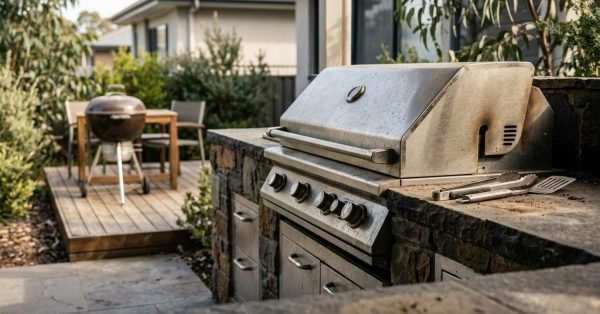
Landscaping is often the last item on a renovation budget and the first to get cut. That is a mistake, because outdoor living spaces directly influence property value and buyer appeal in Sydney’s climate.
Landscaping costs in Sydney range from $20,000–$100,000 for comprehensive outdoor transformations. Basic lawn and garden installations start at $5,000–$15,000, and outdoor living spaces with decking and pergolas cost $30,000–$80,000.
Decking materials significantly impact costs. Treated pine costs $250–$400 per square metre installed, hardwood decking runs $400–$700 per square metre, and composite decking costs $350–$550 per square metre with lower maintenance requirements.
Pool installations represent major landscaping investments. Fibreglass pools cost $35,000–$65,000 installed, concrete pools start at $50,000 and exceed $150,000 for custom designs, and pool fencing adds $3,000–$10,000 for compliance.
Retaining walls solve Sydney’s sloping block challenges. Timber sleeper walls cost $300–$500 per square metre, concrete block walls run $400–$700 per square metre, and engineered walls for significant heights exceed $1,000 per square metre.
Irrigation systems protect the landscaping investment. Basic systems cost $2,000–$5,000 installed, and smart irrigation with weather sensors runs $4,000–$8,000.
Solar Panel Installation Expenses for Sydney Homes
Solar belongs inside the renovation budget rather than beside it. Bundling solar installation with a renovation reduces scaffolding and access costs and locks in energy savings from the day the site closes.
Solar panel systems in Sydney cost $5,000–$15,000 for residential installations after rebates. A 6.6kW system suits most households and costs $6,000–$9,000 installed. Larger 10kW systems run $9,000–$14,000.
Battery storage adds high cost but increases self-consumption. Entry-level batteries cost $8,000–$12,000 installed, and premium systems run $12,000–$18,000. Payback periods extend to 8–12 years with batteries included.
Roof condition affects installation costs. Asbestos roofs require removal before installation at $5,000–$15,000 additional, and roof orientation impacts system performance and sizing.
Government rebates reduce upfront costs significantly. The Small-scale Renewable Energy Scheme provides $2,000–$4,000 in rebates for typical systems, and the NSW Energy Savings Scheme offers additional incentives. Feed-in tariffs of 5–8 cents per kWh provide modest export income, though self-consumption delivers the best financial returns.
How to Set Your Renovation Budget: The 5-Step Framework
Accurate budgeting prevents the stress of cost blowouts. We use this framework with every client before a single contractor is engaged.
Step 1: Define Your Scope Clearly
Write down every change you want to make. Prioritise items as must-have, nice-to-have, and optional, and get specific about finishes and fixtures. Vague scopes lead to budget surprises.
Step 2: Research Realistic Costs
Gather a minimum of three quotes for major work. Compare like-for-like specifications and understand what inclusions and exclusions mean. Cheap quotes often hide costly variations.
Step 3: Add Contingency Funds
Include 15–20% contingency for older homes and 10–15% for newer properties. Never spend contingency on upgrades, and reserve it for genuine surprises only.
Step 4: Factor Hidden Costs
Budget for permits, inspections, and certificates. Include temporary accommodation if needed, add waste removal and site cleaning costs, and consider furniture storage during works.
Step 5: Create Payment Milestones
Structure payments around completed stages. Never pay more than 10% deposit upfront, hold final payment until defects are resolved, and document everything in the contract.
How to Get Accurate Renovation Quotes
Getting three quotes is the minimum, but getting three comparable quotes is the skill. We always provide clients with a detailed scope document before approaching contractors, so every quote prices the same job.
Ask each contractor to itemise labour and materials separately, specify the brands and grades of materials included, and confirm what variations cost if unexpected issues arise. A quote without these details is not a quote; it is an estimate.
How Long Does a Full Renovation Take?
A cosmetic renovation of a single room takes 2–6 weeks. A full kitchen or bathroom renovation runs 4–8 weeks from demolition to completion.
Full home renovations typically take 4–9 months, depending on scope, council approvals, and trade availability. We build realistic timelines into every project plan and communicate progress weekly so there are no surprises.
Key Takeaways
Here is what every Sydney homeowner needs to know before starting a renovation.
- Kitchens and bathrooms consume 40–50% of renovation budgets
- Labour costs represent 35–45% of Sydney renovation spending
- Full home renovations cost $1,500–$4,500 per square metre
- Always include 15–20% contingency for unexpected costs
- Quality choices create 200–400% price variations
- Location within Sydney affects costs by 10–20%
- Detailed planning prevents expensive scope creep
- Hidden costs including permits, asbestos, and accommodation are the most common budget killers
- Kitchens and bathrooms deliver the strongest interior renovation ROI in Sydney’s market
- Spend on what sits inside the walls, save on what a screwdriver replaces
Conclusion
Renovation costs in Sydney demand careful planning and realistic expectations. Kitchens, bathrooms, and structural work consume the largest budget portions, and hidden costs are where unprepared homeowners lose control of their finances.
The most expensive item in a Sydney renovation is rarely the stone benchtop. It is the decision changed after demolition has already started, and every cost centre above is easier to control when the design is locked before the first trade arrives.
At Sydney Home Renovation, we guide homeowners through every cost decision with transparent pricing, detailed quotes, and honest advice. We deliver renovations that stay on budget, hit their timeline, and add lasting value to your home. Contact us today for a detailed quote and let us help you renovate with confidence.
Frequently Asked Questions
What percentage of home value should you spend on renovation?
We recommend spending 5–15% of your home’s value on renovations. Overcapitalisation occurs when renovation costs exceed potential value gains, so research comparable sales in your area first.
Which is more expensive, a kitchen or a bathroom renovation?
Kitchens cost more in total at $25,000 to $80,000, but bathrooms cost more per square metre. Waterproofing, tiling, and plumbing compress into a much smaller footprint.
How much contingency should I include in my renovation budget?
We include 15–20% contingency for older Sydney homes built before 1990 and 10–15% for newer properties. This buffer covers asbestos, structural problems, and outdated wiring found during works.
Why are Sydney renovation costs higher than other cities?
Sydney’s higher labour rates, strict council requirements, and premium material costs drive prices up. Inner-city access restrictions and heritage overlays add further expenses, and trade shortages increase competition for skilled workers.
Can I renovate in stages to spread costs?
Yes, staged renovations help manage cash flow effectively. We prioritise wet areas first as they add the most value. Plan stages to minimise repeated setup costs and ensure each stage delivers functional improvements.
What hidden costs do first-time renovators miss?
The most commonly missed costs are council permits, asbestos testing, temporary accommodation, and furniture storage. Utility disconnection and reconnection fees and site cleaning also exceed estimates regularly.
How do I avoid renovation cost blowouts?
Finalise all design decisions before construction begins. Get detailed fixed-price quotes with clear inclusions, avoid changes during construction, and maintain contingency funds for genuine surprises only.
When is the best time to renovate in Sydney?
Autumn and winter offer better trade availability and sometimes lower prices. Summer holidays create scheduling challenges, and starting major works in December is rarely worth it. Plan permits and approvals 3–6 months ahead.