The main waterproofing membrane types used in bathrooms are sheet membranes, liquid-applied membranes, and fabric-reinforced membranes. Each one works differently, suits different substrates and bathroom layouts, and carries different installation requirements. Choosing the wrong type is one of the most common causes of tile failure and water damage in residential bathrooms. Understanding what each membrane does and where it performs best is the foundation of any well-built bathroom renovation.
The Main Waterproofing Membrane Types Used in Bathrooms
There are three primary waterproofing membrane types used in residential bathrooms: sheet membranes, liquid-applied membranes, and fabric-reinforced membranes. Sheet membranes offer consistent thickness and are pre-formed. Liquid membranes are brush- or roller-applied and cure to form a seamless barrier. Fabric-reinforced systems combine a liquid membrane with an embedded reinforcing fabric for added tensile strength at joints and corners.
Sheet Membranes
Sheet membranes are pre-manufactured panels, typically polyethylene or chlorinated polyethylene, cut and bonded to the substrate before tiling. They deliver a uniform, measurable thickness across the entire surface, which makes them highly reliable in wet areas like shower recesses and around bath surrounds.
We use sheet membranes most often where substrate movement is a concern. They handle minor structural flex better than a purely liquid-applied system because the pre-formed material has inherent tensile strength. The trade-off is installation complexity: sheet membranes require precise cutting, careful lapping at joins, and correct bonding to avoid bridging failures at corners.
Liquid Membranes
Liquid-applied membranes are polymer-based coatings, typically acrylic, polyurethane, or bitumen-modified, brushed or rolled directly onto the prepared substrate. They cure to form a continuous, seamless waterproof layer that conforms to any surface geometry, including curved walls, recessed niches, and irregular floor profiles.
Liquid membranes are the most widely used system in Sydney bathroom renovations. They are faster to apply, easier to detail around penetrations like pipes and floor wastes, and well-suited to the tiled wet areas typical in residential bathrooms. The key variable is film thickness; the membrane must be applied in the correct number of coats to reach the minimum dry film thickness required under Australian standards.
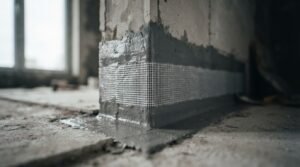
Fabric-Reinforced and Hybrid Membrane Options
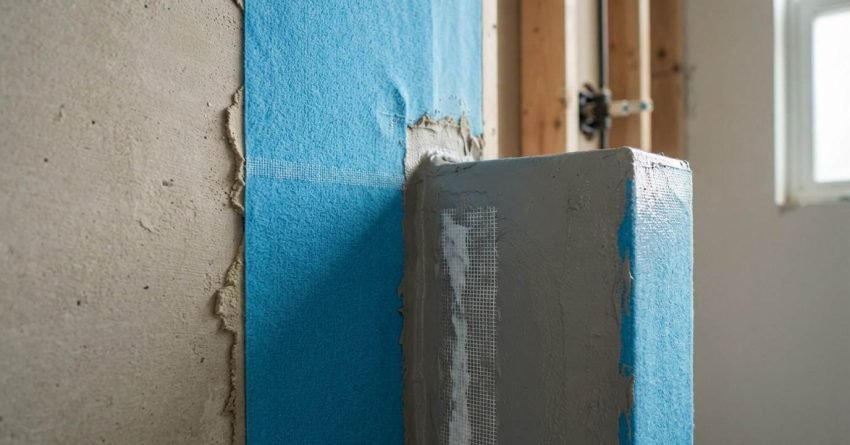
Fabric-reinforced membranes embed a polyester or fibreglass mesh into a liquid membrane system while it is still wet. The fabric is pressed into the first coat, allowed to cure, and then overcoated with a second application. The result is a composite system with significantly higher tensile strength than a liquid-only membrane.
When Fabric Reinforcement Makes a Difference
We specify fabric reinforcement at structural joints, internal and external corners, around floor waste flanges, and anywhere the substrate has a history of movement or cracking. These are the locations where a plain liquid membrane is most vulnerable to stress fractures over time.
Hybrid systems where a liquid membrane is used across the field and fabric reinforcement is added selectively at high-risk zones give us the best of both approaches. The field areas benefit from the seamless coverage of a liquid system, while the joints and corners get the added protection of a reinforced layer.
Understanding which membrane type suits your bathroom is the starting point. The next practical question is what waterproofing costs in a Sydney bathroom renovation because the membrane type directly affects both material and labour pricing.
Choosing the Right Membrane for Your Bathroom Renovation
The right membrane type depends on four factors: substrate type, bathroom layout, the degree of expected movement, and the installation method your tiler or waterproofer is certified to apply. No single membrane type is universally superior; each one is the right choice in the right context.
What Drives the Choice in Sydney Bathrooms
In Sydney, most residential bathrooms are built on concrete slabs or timber-framed floors with fibre cement sheeting. Concrete slabs suit liquid membranes well because the substrate is rigid and dimensionally stable. Timber-framed floors introduce more movement, which makes fabric-reinforced systems or sheet membranes the more appropriate choice.
Australian waterproofing compliance requirements under AS 3740 specify minimum membrane coverage areas, upstand heights, and application standards for wet areas. These requirements apply regardless of which membrane type is selected, and they directly shape how waterproofing fits into the broader renovation sequence; it must be completed and inspected before any tiling begins.
Conclusion
The three core waterproofing membrane types sheet, liquid, and fabric-reinforced each serve a specific structural and installation context. Matching the membrane to the substrate and bathroom layout is what separates a watertight result from a costly failure.
For homeowners and investors renovating in Sydney, membrane selection is not a decision to leave to chance or cut costs on. It is the layer that protects everything above it.
At Sydney Home Renovation, we specify and install the right waterproofing system for every bathroom we build, backed by compliant workmanship and transparent pricing from day one.
Frequently Asked Questions
What is the most common waterproofing membrane used in Sydney bathrooms?
Liquid-applied acrylic membranes are the most widely used in Sydney residential bathrooms. They are fast to apply, easy to detail around penetrations, and fully compliant with AS 3740 when applied at the correct film thickness.
How many coats of liquid membrane does a bathroom need?
Most liquid membrane systems require a minimum of two coats to reach the required dry film thickness. High-movement areas and wet zones like shower recesses typically need additional coats or fabric reinforcement at joints.
Can I use the same membrane type on a timber floor and a concrete slab?
Not always. Timber floors move more than concrete slabs, so they generally require a fabric-reinforced or sheet membrane system. A liquid-only membrane on a timber floor is more vulnerable to cracking at joints over time.
What is the difference between a sheet membrane and a liquid membrane?
Sheet membranes are pre-formed panels bonded to the substrate, offering consistent thickness and good tensile strength. Liquid membranes are brush-applied coatings that cure in place, forming a seamless barrier that conforms to any surface shape.
Does waterproofing membrane type affect bathroom renovation costs?
Yes. Sheet and fabric-reinforced systems typically cost more in both materials and labour than a standard liquid membrane application. The substrate type, bathroom size, and number of wet zones all influence the final waterproofing cost.