Choosing the right toilet type is one of the most practical decisions in a bathroom renovation; it shapes your layout options, your plumbing costs, and the overall finish of the space. We work with Sydney homeowners and renovators every day, and toilet selection consistently comes up earlier than most people expect. Get it right at the planning stage, and everything downstream gets easier.
There are four main toilet types used in Australian bathroom renovations: close-coupled, wall-faced, back-to-wall, and wall-hung. Each suits a different combination of budget, bathroom size, and aesthetic goal. Understanding the differences before you commit saves you from costly mid-project changes and helps you get the most from your renovation spend.
The Main Toilet Types Used in Australian Bathroom Renovations
The four toilet types most commonly specified in Sydney bathroom renovations are close-coupled, wall-faced, back-to-wall, and wall-hung. Close-coupled suits tight budgets and standard layouts. Wall-faced and back-to-wall deliver a cleaner look at a mid-range price. Wall-hung offers the most design flexibility but carries the highest installation cost.
Close-Coupled Toilets
A close-coupled toilet has the cistern sitting directly on top of the pan. It is the most widely used toilet type in Australian homes and the most affordable to buy and install. Supply costs typically start around $200–$400, and installation is straightforward because the cistern connects directly to the wall plumbing without any concealed framework.
For renovators working with a tight budget or a standard bathroom layout, close-coupled toilets are a reliable, low-risk choice. They are easy to service and widely stocked, which keeps both upfront and long-term maintenance costs predictable.
Wall-Faced and Back-to-Wall Toilets
Wall-faced and back-to-wall toilets sit flush against the wall, hiding the plumbing connections behind the pan. The cistern is still visible, but the overall profile is cleaner and more contemporary than a close-coupled unit. Supply costs generally sit between $400–$900 depending on brand and finish.
These are the most popular choices for mid-range bathroom renovations in Sydney right now. They deliver a modern aesthetic without the structural complexity of a wall-hung system, and installation costs remain manageable because the cistern is still accessible and surface-mounted.
Selecting a toilet type is really a budgeting decision as much as a design one. Once you know which type suits your space, the next step is understanding how it fits within your bathroom renovation budget because the toilet is just one line item in a much larger cost picture.
Wall-Hung Toilets – Premium Option, Real Trade-Offs
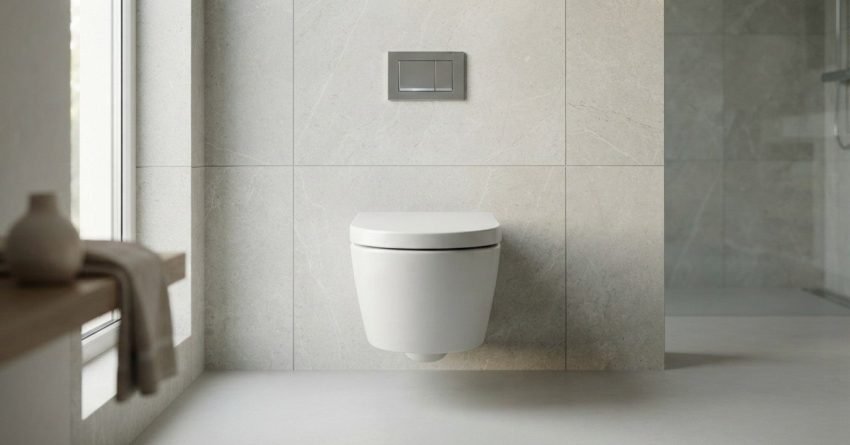
Wall-hung toilets have no visible cistern and no contact with the floor. The pan mounts directly to the wall, creating a floating appearance that makes the bathroom feel larger and easier to clean. They are the premium choice for high-end renovations and compact bathrooms where every centimetre of floor space matters.
The trade-off is cost and complexity. Wall-hung toilets require a concealed in-wall cistern frame, which means opening up the wall cavity, installing a steel carrier frame, and tiling over the access panel. That structural work adds time and labour to your renovation schedule.
In-Wall Cistern Costs and Installation Complexity
The in-wall cistern system frame, cistern, and flush plate typically add $800–$1,500 to your toilet budget before the pan itself. In-wall cistern installation also requires a licensed plumber and, in most cases, a tiler to finish the surrounding wall correctly. Total installed cost for a wall-hung toilet in Sydney commonly lands between $1,800 and $3,500 depending on the brand and wall construction.
For renovators with the budget and a bathroom that benefits from the space gain, wall-hung toilets are worth the investment. For those working to a tighter budget or renovating a standard-sized bathroom, the premium rarely justifies the cost difference.
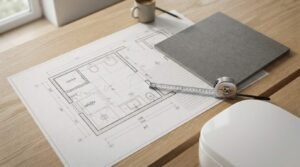
How to Match Toilet Type to Your Renovation Budget and Bathroom Layout
The right toilet type comes down to three filters: available floor space, rough-in distance, and total renovation budget. Rough-in distance: the measurement from the finished wall to the centre of the waste outlet determines which pans physically fit your existing plumbing. Standard Australian rough-in is 140mm to 165mm. Changing it means moving the waste pipe, which adds plumber time and cost.
For small bathrooms under 4 square metres, wall-hung toilets earn their premium by freeing up floor space and making the room feel larger. For standard bathrooms with a mid-range budget, wall-faced or back-to-wall toilets hit the best balance of aesthetics and value. Close-coupled toilets remain the smart call when budget is the primary constraint and the layout is conventional.
I always recommend locking in the toilet type before finalising your tile layout and vanity position. The toilet’s footprint and wall clearance requirements affect everything around it. Changing the toilet type after tiling has started is an expensive correction.
Conclusion
Toilet type directly affects your renovation’s cost, layout flexibility, and finished aesthetic. The decision is not just about looks; it is about matching the right product to your plumbing, your space, and your budget.
Making the right call at the planning stage protects your budget and prevents rework. For homeowners and investors renovating in Sydney, getting this decision right early is one of the clearest ways to keep the project on track.
We help clients at Sydney Home Renovation work through exactly these decisions. Contact us to get clear, practical guidance on your bathroom renovation from the start.
Frequently Asked Questions
What is the most popular toilet type for bathroom renovations in Sydney?
Wall-faced and back-to-wall toilets are the most popular choice in Sydney renovations right now. They offer a clean, modern look at a mid-range price point without the structural complexity of wall-hung systems.
Are wall-hung toilets worth the extra cost in a renovation?
Wall-hung toilets are worth the cost in small bathrooms where floor space is limited or in high-end renovations where a premium finish is the goal. In standard-sized bathrooms with a mid-range budget, the cost premium is harder to justify.
What toilet type is easiest to install during a renovation?
Close-coupled toilets are the easiest and fastest to install. They connect directly to surface plumbing without any concealed framework, which keeps labour time and installation cost low.
How much does toilet type affect the overall bathroom renovation cost?
Toilet type can shift your budget by $1,500 to $3,000 or more. A close-coupled toilet installed costs $400–$800 all up. A wall-hung system with in-wall cistern can reach $3,500 installed, a significant difference in a mid-range renovation.
Can I change my toilet type without moving the plumbing?
Often yes, within limits. Switching between close-coupled, wall-faced, and back-to-wall toilets is usually possible without moving the waste pipe if the rough-in distance is compatible. Switching to wall-hung almost always requires repositioning the waste outlet, which adds plumbing cost.