
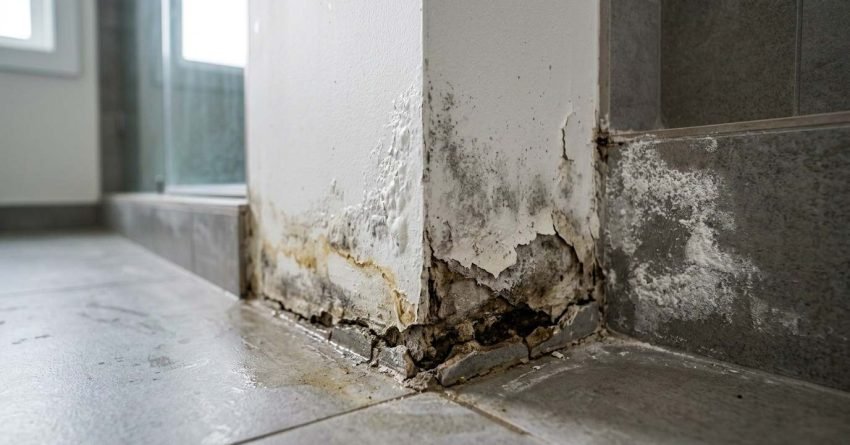
Failed bathroom waterproofing is one of the most damaging and most commonly missed problems in Australian homes. I see it regularly on renovation sites across Sydney: water has been silently migrating through walls, floors, and substrates for months, sometimes years, before anyone notices. By the time the signs become obvious, the repair bill is almost always bigger than it needed to be.
Catching it early is the difference between a straightforward fix and a full structural remediation. The warning signs are there; you just need to know what you’re looking at.
In this guide, I cover the key signs of failed bathroom waterproofing, why failure happens, how to confirm it, and exactly what to do when you spot the problem.
What Bathroom Waterproofing Failure Actually Means
Bathroom waterproofing failure means the membrane system designed to contain water within the wet area has broken down. Water is no longer being directed to the drain; it is escaping into the substrate, the wall cavity, the floor structure, or the rooms below.
In Australia, wet area waterproofing is governed by AS/NZS 3740, the national standard for waterproofing of domestic wet areas. When that membrane is compromised, whether through poor installation, age, or building movement, water ingress begins. And water ingress, left unchecked, causes compounding structural damage.
The membrane itself is invisible once tiling is complete. That is exactly why the signs of failure show up indirectly, through surface symptoms and damage patterns rather than a visible breach.
The Most Common Signs of Failed Bathroom Waterproofing
Most waterproofing failures announce themselves through a recognisable set of symptoms. Some are subtle at first. Others are hard to miss. Here is what I look for.
Damp Patches, Staining, and Discolouration on Walls or Ceilings
Damp patches on bathroom walls or on the walls and ceilings of rooms adjacent to the bathroom are one of the clearest indicators of water escaping the wet area. The staining often appears as yellowish-brown tide marks or grey discolouration, caused by moisture carrying mineral salts through the substrate.
Efflorescence, the white, chalky residue that forms on masonry surfaces, is another reliable signal. It forms when water moves through concrete or render and deposits dissolved salts on the surface as it evaporates. If you see it on bathroom walls or on external walls near the bathroom, moisture migration is happening.
Peeling Paint, Bubbling Tiles, and Lifting Grout
Paint that bubbles, blisters, or peels off bathroom walls is not a painting problem; it is a moisture problem. Water vapour pushing through the substrate from behind breaks the bond between the paint and the surface.
Tiles that sound hollow when tapped, or that have visibly lifted at the edges, indicate the adhesive bond has failed due to sustained moisture exposure. Grout that is crumbling, cracking, or pulling away from tile edges is a related sign, and once grout integrity is lost, water penetration accelerates significantly.
Persistent Musty Odours and Mould Growth
A bathroom that smells musty even after cleaning and ventilating is holding moisture it should not be. That odour comes from mould and mildew growing in areas you cannot see, inside wall cavities, beneath tiles, or within the floor substrate.
Visible black mould on grout lines or in corners is a surface symptom of a deeper moisture problem. Surface mould that keeps returning after cleaning despite adequate ventilation almost always points to a waterproofing failure feeding it from behind. According to the NSW Health Department, persistent indoor mould growth poses genuine health risks, particularly for people with respiratory conditions.
Water Damage in Adjoining Rooms or Below the Bathroom
This is the sign that tells you the problem has been running for a long time. When water from a failed bathroom membrane reaches the rooms next door or the ceiling of the floor below, the membrane has not just failed; it has been failing for an extended period.
Ceiling stains directly below an upstairs bathroom, or damp patches on the walls of a bedroom sharing a wall with the shower, are serious structural signals. At this stage, the damage typically extends well beyond the bathroom itself, and the scope of repair grows considerably.
Why Bathroom Waterproofing Fails in the First Place
Understanding why failure happens helps you assess the risk in your own home and make better decisions about repair and prevention.
Poor Workmanship and Skipped Membrane Application
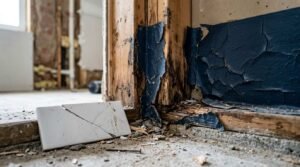
The most common cause of premature waterproofing failure is poor installation. This includes insufficient membrane thickness, gaps in coverage at corners and junctions, inadequate curing time before tiling, and in the worst cases, membrane that was never applied at all.
The Australian Building Codes Board notes that wet area waterproofing is one of the most frequently non-compliant elements in residential construction. Work done by unlicensed or underqualified tradespeople, or rushed during a renovation to save time, is disproportionately represented in failure cases. This is why choosing a licensed bathroom renovation contractor matters more than most homeowners realise.
Age, Movement, and Wear Over Time
Even correctly installed waterproofing has a finite lifespan. Most membrane systems are designed to last 10 to 15 years under normal conditions. As a building ages, it experiences seasonal temperature changes, soil movement, and structural settlement, all of which create micro-movement in floors and walls.
That movement stresses the membrane at its most vulnerable points: corners, junctions, and penetrations around pipes and drains. Over time, those stress points crack or separate, creating pathways for water to escape. A bathroom that was perfectly waterproofed at installation can develop genuine failure 10 to 15 years later through no fault of the original workmanship.
How to Confirm the Waterproofing Has Failed
Visible symptoms point strongly toward failure, but confirmation requires a more deliberate process. The standard method used by licensed contractors is a flood test: the shower or wet area is sealed at the drain and filled with water to a set depth, then left for 24 hours. A drop in water level confirms active leakage.
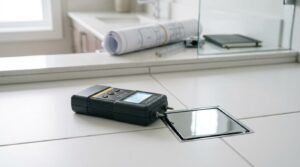
A professional inspection using a moisture meter gives a more detailed picture. Moisture meters measure the moisture content of walls, floors, and substrates without requiring destructive investigation. Elevated readings in areas that should be dry confirm water migration is occurring.
I always recommend getting a professional assessment before committing to any repair scope. The visible damage rarely tells the full story, and underestimating the extent of failure leads directly to incomplete repairs and repeat problems.
What Happens If You Ignore the Warning Signs
Waterproofing failure does not stabilise on its own. Every shower, every bath, every splash of water adds to the cumulative damage. The longer it runs, the more the repair scope and cost expand.
Timber floor joists exposed to sustained moisture rot. Steel reinforcement in concrete slabs corrodes and expands, causing cracking. Plasterboard walls that absorb moisture lose structural integrity and become a permanent mould habitat. What starts as a membrane repair can become a full bathroom strip-out, structural remediation, and mould treatment if it is left long enough.
The financial reality is straightforward: early intervention costs a fraction of late intervention. A bathroom waterproofing repair addressed at the first signs of failure is a contained, manageable project. The same problem ignored for two or three years often requires a complete bathroom renovation plus remediation of adjoining areas.
What to Do When You Spot the Signs
The first step is to stop using the affected wet area where possible or, at minimum, reduce water exposure while you arrange an inspection. Continuing to use a shower or bath over a failed membrane accelerates the damage with every use.
The second step is to get a professional assessment from a licensed contractor who specialises in bathroom renovations and waterproofing. A proper inspection scopes the damage accurately, identifies the cause, and gives you a clear picture of what repair or renovation is actually required.
Conclusion
At Sydney Home Renovation, we carry out thorough waterproofing assessments across Sydney and provide honest, detailed advice on the best path forward, whether that is a targeted repair or a full bathroom renovation. We work to AS/NZS 3740 compliance on every project, and we do not cut corners on membrane application. Get in touch with our team to book an inspection and get a clear picture of what you are dealing with.
Frequently Asked Questions
How do I know if my bathroom waterproofing has failed?
The most reliable indicators are damp patches or staining on walls and ceilings near the bathroom, tiles that sound hollow or have lifted, persistent mould that returns after cleaning, and musty odours that do not clear with ventilation. A professional flood test or moisture meter assessment confirms active failure.
Can I waterproof over existing tiles?
In some cases, yes, but it depends on the condition of the existing substrate and tile adhesion. Tiles that are hollow, lifting, or sitting over a compromised substrate need to be removed before new waterproofing is applied. Applying membrane over a failed system without addressing the root cause produces another failure.
How long does bathroom waterproofing last?
Most membrane systems installed to AS/NZS 3740 standard last between 10 and 15 years under normal residential use. High-traffic bathrooms, poor ventilation, and aggressive cleaning products can shorten that lifespan. Age-related failure is normal; the problem is when it goes undetected.
Is failed waterproofing covered by home insurance?
Generally, no. Most home insurance policies exclude gradual water damage caused by maintenance failures, which includes waterproofing deterioration. Sudden and accidental damage may be covered in some policies, but slow-onset membrane failure is typically treated as a maintenance issue. Check your specific policy wording and speak with your insurer directly.
How much does it cost to fix failed bathroom waterproofing in Sydney?
Repair costs vary significantly depending on the extent of damage and whether the bathroom needs a full strip-out. A targeted waterproofing repair on a contained area can start from a few hundred dollars, while a full bathroom renovation addressing widespread failure typically ranges from $15,000 to $30,000 or more in Sydney. An accurate scope requires a professional inspection first.


