
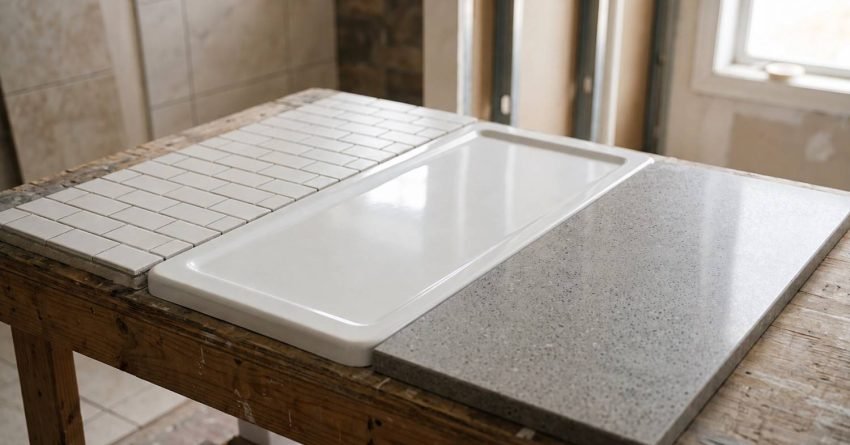
Choosing the right shower base shapes your entire bathroom renovation: the upfront cost, the long-term maintenance, and the finish quality all trace back to this one decision. In Sydney, tiled bases typically run $1,500–$3,500 installed, acrylic bases sit between $400–$1,200, and stone bases land anywhere from $1,800–$5,000 depending on material and complexity.
Getting this wrong costs real money. The wrong base for your property type, lifestyle, or budget creates maintenance headaches and unexpected replacement costs down the track.
I’ll break down each option clearly: costs, durability, maintenance, and which scenario each base suits best so you can make a confident, informed decision.
What Is a Shower Base and Why Does the Material Matter?
A shower base is the waterproof floor structure of a shower recess; it channels water to the drain, protects the subfloor from moisture, and forms the foundation of the entire wet area. The material you choose determines how the base performs, how long it lasts, and how much it costs to maintain over time.
Material selection is not just an aesthetic call. It directly affects your waterproofing requirements, your tiler’s labour time, your plumber’s installation scope, and your ongoing cleaning and repair costs.
Three materials dominate the Sydney bathroom renovation market: tiled bases, acrylic bases, and stone bases. Each sits at a different price point and suits a different renovation scenario.
How the Base Material Affects Your Renovation Budget
The base material is one of the most significant cost levers in a bathroom renovation. A tiled base requires a waterproofing membrane, a screeded substrate, and tiling labour all separate line items. An acrylic base is a prefabricated unit that a plumber drops in and connects, cutting labour time significantly. A stone base sits between the two in installation complexity but commands a premium on the supply side.
Budget allocation shifts depending on which direction you go. Tiled bases front-load cost into labour and waterproofing. Acrylic bases keep upfront costs low but may require earlier replacement. Stone bases carry the highest supply cost but often the lowest ongoing maintenance spend.
Understanding these trade-offs before you commit protects your renovation budget from mid-project surprises.
Long-Term Costs Beyond the Purchase Price
The purchase price of a shower base is only part of the financial picture. Tiled bases require periodic grout resealing and occasional regrout work costs that accumulate over a 10-15 year ownership period. Acrylic bases can yellow, flex, or crack under heavy use, and replacement is a real possibility within 10 years in a high-traffic bathroom. Stone bases, particularly natural stone, need regular sealing to prevent staining and moisture ingress.
I always tell clients to factor in a 10-year total cost of ownership, not just the day-one install price. That calculation often changes which option makes the most financial sense for their specific property and usage pattern.
Tiled Shower Bases: Custom Look, Higher Complexity
A tiled shower base delivers the most design flexibility of the three options. You choose the tile format, the colour, the grout, and the layout, which means the finish integrates seamlessly with the rest of the bathroom. That flexibility comes with higher installation complexity and a longer build time.
Tiled bases are not a simple drop-in solution. They require a correctly graded substrate, a compliant waterproofing membrane, and skilled tiling labour to achieve a watertight, code-compliant result. When done properly, a tiled base is one of the most durable and visually impressive options available.
What a Tiled Shower Base Costs in Sydney
In Sydney, a tiled shower base typically costs between $1,500 and $3,500 fully installed, supply and labour combined. That range reflects tile selection, shower recess size, substrate condition, and the waterproofing scope required. Standard format tiles in a 900mm x 900mm recess sit toward the lower end. Large-format tiles, mosaic feature work, or complex fall gradients push costs toward the upper range.
Labour accounts for a significant portion of that figure. Sydney tiling rates for wet area work generally run $60–$100 per square metre for supply and lay, with waterproofing adding a further $300–$700 depending on the membrane system and area covered. These are real project costs, not catalogue estimates.
Waterproofing and Substrate Requirements
Every tiled shower base in Australia must comply with AS/NZS 3740:2021, the national standard for waterproofing of domestic wet areas. This is not optional; it is a mandatory building requirement, and non-compliant waterproofing is one of the most common causes of costly bathroom water damage claims.
The substrate beneath the tiles must be correctly prepared and graded to achieve a minimum 1:60 fall toward the drain. A sand-cement screed is typically used to create this fall, adding both material cost and labour time. Cutting corners on substrate preparation or waterproofing is the single most expensive mistake I see in bathroom renovations; the rectification cost dwarfs the original saving.
Maintenance, Grout, and Long-Term Upkeep
Grout is the ongoing maintenance commitment of a tiled shower base. Grout lines collect soap scum, mould, and mineral deposits, and they need resealing every 12–24 months to maintain their waterproofing integrity. Neglected grout leads to moisture ingress, tile lifting, and subfloor damage that can cost thousands to rectify.
Regrout work on a shower base runs $300–$800 in Sydney depending on the area and grout condition. Tile replacement if a tile cracks or chips requires matching the original tile, which is not always possible years after installation. A tiled base rewards consistent maintenance and punishes neglect.
Acrylic Shower Bases: Affordable, Fast, and Practical
Acrylic shower bases are the most widely used prefabricated option in Australian bathroom renovations. They are manufactured as a single moulded unit, arrive on site ready to install, and require no tiling, no waterproofing membrane, and no screeding. For budget-conscious renovations and investment properties, acrylic is the default starting point.
The trade-off is finish quality and longevity. Acrylic does not deliver the premium look of a tiled or stone base, and it has real durability limitations in high-traffic bathrooms. But for the right renovation scenario, it is a smart, cost-effective choice.
Acrylic Base Pricing and Installation Costs in Sydney
Acrylic shower bases in Sydney range from $150–$600 for the unit itself, depending on size, brand, and configuration. Installation by a licensed plumber adds $200–$500, bringing the total supply-and-install cost to approximately $400–$1,200. That is a significant saving compared to a tiled base, and the installation timeline is measured in hours, not days.
Standard sizes (900mm x 900mm, 1000mm x 800mm) are readily available from major bathroom suppliers. Custom sizes or corner configurations carry a price premium and may extend lead times. For a straightforward bathroom renovation on a defined budget, acrylic delivers the fastest path from demolition to a functional shower.
Durability and Lifespan Expectations
A quality acrylic shower base, properly installed and maintained, has a realistic lifespan of 10–15 years in a standard residential bathroom. The material is lightweight, non-porous, and easy to clean, but it is susceptible to surface scratching, UV-related yellowing over time, and flexing under load if the substrate beneath is not fully supported.
Flexing is the most common acrylic failure mode. When the base flexes under foot traffic, the sealant around the drain and wall junctions breaks down, creating leak points. Ensuring the base is fully bedded on a solid, level substrate during installation prevents this, and it is a step that should never be skipped to save time.
Where Acrylic Works Best (and Where It Falls Short)
Acrylic bases are the right call for investment properties and rental bathrooms where durability-per-dollar matters more than premium finish. They are also well-suited to secondary bathrooms, granny flats, and budget renovations where the goal is a clean, functional result without overspending.
Where acrylic falls short is in owner-occupier bathrooms where the homeowner plans to stay long-term, in high-traffic family bathrooms with heavy daily use, and in renovation projects where resale presentation is a priority. In those scenarios, the step up to a tiled or stone base is worth the additional investment.
Stone Shower Bases: Premium Finish, Premium Price
Stone shower bases occupy the premium end of the market. They deliver a high-end aesthetic, a solid underfoot feel, and, depending on the material, strong long-term durability. For owner-occupiers renovating a main bathroom or ensuite with a focus on quality and resale value, stone is a compelling option.
The cost premium is real, and so are the installation and maintenance considerations. Stone is not a drop-in solution; it requires careful planning, structural assessment in some cases, and ongoing care to maintain its appearance.
Stone Resin vs Natural Stone: What’s the Difference?
Stone resin and natural stone are two distinct products that are often confused. Stone resin bases are engineered composites, typically a blend of stone powder and acrylic resin moulded into a shower base unit. They mimic the look and feel of natural stone at a lower price point, with better consistency and easier installation. Natural stone bases are cut from actual stone: marble, travertine, granite, or slate and require specialist installation and regular sealing.
Stone resin is the more practical choice for most residential renovations. It is lighter than natural stone, non-porous, and available in a wide range of sizes and profiles. Natural stone delivers an unmatched premium finish but carries higher supply costs, greater installation complexity, and more demanding ongoing maintenance.
Stone Base Costs and Installation in Sydney
Stone resin bases in Sydney typically cost $600–$2,000 for the unit, with installation adding $300–$600, bringing the total to approximately $900–$2,600 installed. Natural stone bases start at $1,500 for the slab and can exceed $3,500 for premium materials, with installation costs adding a further $500–$1,000 depending on weight, size, and substrate preparation required.
Natural stone’s weight is a genuine structural consideration. Large natural stone bases can weigh 80–150kg, which may require subfloor reinforcement in older Sydney homes, an additional cost that needs to be assessed before the base is specified. I always recommend a structural check before committing to natural stone in a renovation involving an upper-floor bathroom.
Maintenance Requirements for Stone Bases
Stone resin bases are low-maintenance by design. The non-porous surface resists staining and requires only regular cleaning with a non-abrasive cleaner. There is no sealing requirement, and the surface does not support mould growth the way grout lines do.
Natural stone is the opposite. It is porous, stain-prone, and requires sealing every 12 months to maintain its water resistance and appearance. Acidic cleaners, including many common bathroom products, damage natural stone surfaces permanently. The maintenance commitment for natural stone is real, and homeowners need to understand it before specifying it.
Side-by-Side Comparison: Tiled vs Acrylic vs Stone
Cost Comparison Table
| Option | Supply Cost | Installation Cost | Total Installed (Sydney) | Lifespan |
| Tiled Base | $300–$1,200 (tiles + materials) | $1,200–$2,300 (waterproofing + tiling labour) | $1,500–$3,500 | 20–30+ years |
| Acrylic Base | $150–$600 | $200–$500 | $400–$1,200 | 10–15 years |
| Stone Resin Base | $600–$2,000 | $300–$600 | $900–$2,600 | 20–25 years |
| Natural Stone Base | $1,500–$3,500+ | $500–$1,000 | $2,000–$5,000+ | 25–40+ years |
All figures are indicative Sydney market ranges as of 2025. Final costs depend on recess size, site conditions, and product selection.
Durability and Lifespan Comparison
| Option | Lifespan | Key Durability Risk | Maintenance Frequency |
| Tiled Base | 20–30+ years | Grout failure, tile cracking | Reseal grout every 12–24 months |
| Acrylic Base | 10–15 years | Flexing, yellowing, surface scratching | Clean regularly; inspect seals annually |
| Stone Resin | 20–25 years | Surface scratching under heavy use | Clean regularly; no sealing required |
| Natural Stone | 25–40+ years | Staining, acid damage, moisture ingress | Seal annually; specialist cleaning products |
Which Base Suits Which Renovation Scenario?
The right base depends on three factors: your budget, your property type, and your renovation goal.
Acrylic suits investment properties, rental bathrooms, and budget renovations where cost control is the priority. Tiled bases suit owner-occupiers who want design flexibility, plan to stay long-term, and are prepared to maintain the grout. Stone resin suits homeowners who want a premium finish without the maintenance demands of natural stone. Natural stone suits high-end renovations where budget is secondary to finish quality and long-term prestige.
No single option is universally correct. The best base is the one that matches your specific scenario.
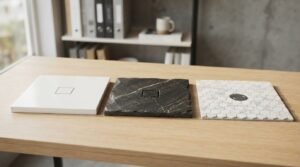
Which Shower Base Option Is Right for Your Sydney Bathroom?
The decision comes down to four variables: your total renovation budget, your property type, your expected length of ownership, and your tolerance for ongoing maintenance. Getting clear on those four points makes the choice straightforward.
Decision Framework: Budget, Lifestyle, and Property Type
Under $800 total budget: Acrylic is your only realistic option. Focus on a quality unit from a reputable brand and ensure proper substrate support during installation.
$800–$2,000 budget: Stone resin becomes viable alongside acrylic. For owner-occupiers, stone resin delivers better long-term value. For investors, acrylic remains the smarter spend.
$2,000–$3,500 budget: A tiled base or stone resin base both work. Tiled suits design-focused owner-occupiers. Stone resin suits those who want a premium feel with lower maintenance.
Above $3,500: Natural stone or a high-specification tiled base with premium tiles. These are renovation investments that add genuine resale value in the right Sydney property market.
Property type matters as much as budget. A rental property in Western Sydney and a prestige owner-occupier home in the Eastern Suburbs have completely different return-on-investment calculations for shower base selection. We help clients work through that calculation before a single product is specified because the right base for the wrong scenario is still the wrong choice.
Conclusion
Shower base selection is a foundational renovation decision that affects your budget, your maintenance commitment, and your long-term property value. Acrylic delivers cost efficiency, tiled delivers design flexibility, and stone delivers a premium finish, each with its own trade-offs.
The right choice is always scenario-specific. Your property type, renovation budget, and ownership timeline determine which option delivers the best return on your renovation spend.
At Sydney Home Renovation, we help homeowners and investors make this decision with clear, honest guidance, and we back it up with end-to-end installation that meets every compliance requirement. Reach out to our team to discuss your bathroom renovation and get a transparent, itemised quote.
Frequently Asked Questions
How long does a tiled shower base last?
A properly waterproofed and maintained tiled shower base lasts 20–30 years or more. The limiting factor is grout integrity; consistent resealing every 12–24 months is what keeps a tiled base performing at its best over the long term.
Is acrylic strong enough for a family bathroom?
Yes, acrylic handles standard family bathroom use well when it is correctly installed on a fully supported, level substrate. The key risk is flexing under load, which is a substrate preparation issue, not an acrylic quality issue. A well-installed acrylic base in a family bathroom realistically lasts 10–15 years.
What is the cheapest shower base option in Sydney?
Acrylic is the cheapest option, with supply-and-install costs starting from around $400 for a standard size. That figure assumes a straightforward installation with no substrate remediation required. It is the go-to choice for budget renovations and investment properties.
Can I tile over an acrylic shower base?
No. Tiling over an acrylic shower base is not a viable or compliant approach. Acrylic flexes under load, which causes tile adhesive and grout to crack and fail. A tiled base requires a rigid, correctly prepared substrate, typically a sand-cement screed over a waterproofed concrete or fibre cement base.
How much does waterproofing add to a tiled shower base cost?
Waterproofing a shower base in Sydney typically adds $300–$700 to the project cost, depending on the membrane system used and the area covered. This is a non-negotiable cost; AS/NZS 3740:2021 compliance is a mandatory building requirement, and skipping or cutting corners on waterproofing creates significant liability and rectification risk.
Is stone resin the same as natural stone?
No. Stone resin is an engineered composite stone powder bonded with acrylic resin moulded into a shower base unit. Natural stone is cut directly from quarried rock. Stone resin is lighter, non-porous, and easier to install. Natural stone is heavier, porous, and requires annual sealing. They share a similar aesthetic but are fundamentally different products.
Which shower base adds the most value to a property?
A well-executed tiled base or a stone resin base adds the most perceived value in a Sydney property sale context. Acrylic is functional but rarely a selling point. Natural stone adds the highest prestige value in the right property tier. For most mid-market Sydney homes, a quality tiled base delivers the best balance of visual impact and return on renovation spend.


