
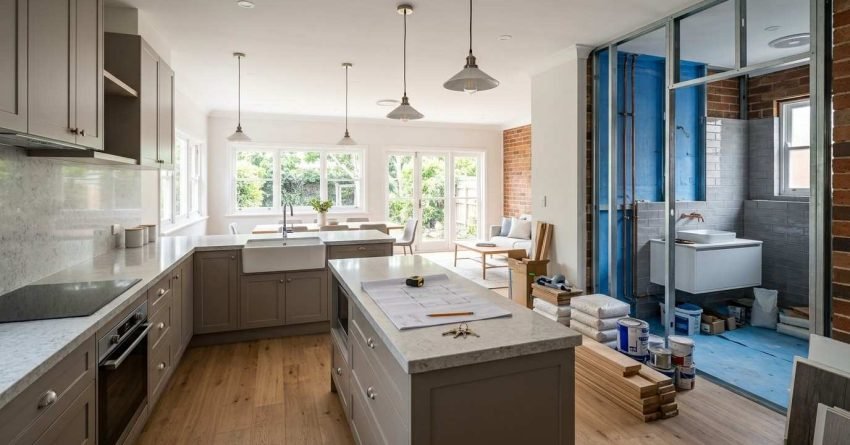
The average cost to renovate a house in Sydney ranges from $20,000 for basic cosmetic updates to $500,000 or more for full structural renovations. Your final price depends on project scope, material choices, labour rates, and property age. Sydney renovation costs typically run 10 to 20 percent higher than other Australian capitals because of elevated labour rates and strict council requirements.
Planning a renovation without accurate cost data leads to budget blowouts and unfinished projects. Sydney homeowners face unique challenges including heritage overlays, steep site access, and competitive tradesperson availability. I have watched more projects stall over a missing $15,000 than over a missing $150,000, and understanding real pricing prevents that from day one.
What Is the Average Cost of a Home Renovation in Sydney?
Quick answer: Sydney home renovation costs range from $1,500 to $5,000+ per square metre depending on finish level. Most homeowners spend between $100,000 and $300,000 on substantial renovations, while smaller single-room projects fall between $25,000 and $80,000. Labour, materials, and site conditions are the three biggest cost drivers.
Sydney home renovation costs vary widely based on project complexity and finish level. Basic cosmetic refreshes start around $1,500 to $2,500 per square metre. Mid-range renovations with quality fixtures typically cost $2,500 to $4,000 per square metre, and high-end projects with premium materials exceed $5,000 per square metre.
| Finish Level | Cost per m² | What It Covers | Typical Buyer |
| Basic cosmetic | $1,500 – $2,500 | Paint, flooring, tapware, minor repairs | Pre-sale refresh, rentals |
| Mid-range | $2,500 – $4,000 | Quality fixtures, new joinery, wet-area rework | Owner-occupiers, long-term stays |
| High-end | $4,000 – $5,000 | Custom joinery, stone, imported fittings | Premium suburbs, architectural work |
| Luxury/structural | $5,000+ | Reconfiguration, engineering, bespoke finishes | Heritage, waterfront, full rebuilds |
Sydney residential renovation rates sit among Australia’s highest. The city’s strong property market drives demand for skilled tradespeople, and that competition pushes labour costs upward across every renovation category.
Most Sydney homeowners spend between $100,000 and $300,000 on substantial home renovations. Smaller projects like single bathroom or kitchen upgrades fall between $25,000 and $80,000, and these figures include standard allowances for materials, labour, and basic contingencies.
Your actual costs depend on existing conditions and desired outcomes. Older homes require additional work for compliance upgrades, and properties with asbestos, outdated wiring, or poor drainage add significant expense before cosmetic work begins.
Typical Home Renovation Cost Ranges in Sydney
Each renovation type carries its own cost drivers and its own set of surprises. Here is what we see Sydney homeowners actually pay across the most common project categories.
| Project Type | Typical Sydney Cost | Duration | Approval Usually Needed |
| Cosmetic makeover | $15,000 – $50,000 | 2 – 4 weeks | None |
| Laundry renovation | $8,000 – $20,000 | 1 – 2 weeks | None |
| Bathroom renovation | $20,000 – $45,000 | 4 – 6 weeks | None to CDC |
| Kitchen renovation | $25,000 – $80,000 | 4 – 8 weeks | None to CDC |
| Granny flat | $120,000 – $200,000 | 12 – 20 weeks | CDC |
| Full house renovation | $150,000 – $400,000 | 3 – 9 months | CDC or DA |
| Structural renovation | $200,000 – $500,000+ | 6 – 12 months | DA |
Cosmetic Makeover
Cosmetic renovations focus on surface-level improvements without structural changes. We see most Sydney homeowners pay $15,000 to $50,000 for a typical home refresh, covering painting, flooring replacement, fixture updates, and minor repairs.
Fresh paint throughout a three-bedroom home costs $8,000 to $15,000 with quality products. New flooring adds $80 to $200 per square metre depending on material choice, and cosmetic work delivers quick visual impact without major disruption.
What a cosmetic budget does not cover matters just as much. Moving a wall, relocating plumbing, replacing a switchboard, or touching a wet area pushes the project out of cosmetic territory and into a different cost bracket entirely.
Sequencing protects the spend. We run repairs and patching first, painting second, and flooring last, because reversing that order means paying twice for the same finish.
These projects suit homeowners preparing for sale or wanting a modern feel. Cosmetic updates typically complete in two to four weeks, making them the fastest return on investment for properties needing a refresh.
Kitchen Renovation
Kitchen renovations represent significant investments with strong value returns. Sydney kitchen costs range from $25,000 for budget updates to $80,000 or more for premium fitouts, with the average mid-range kitchen sitting around $40,000 to $55,000.
Cabinetry accounts for 30 to 40 percent of total kitchen costs. Benchtops add $2,000 to $8,000 depending on material selection, and appliance packages range from $5,000 for basic to $25,000 for high-end European brands.
Plumbing and electrical modifications increase costs substantially. Moving a sink or cooktop position adds $3,000 to $8,000 in additional work, and keeping existing service locations saves money without compromising design outcomes.
Bathroom Renovation
Bathroom renovations deliver strong lifestyle improvements and resale value. Sydney bathroom costs typically range from $20,000 to $45,000 for standard renovations, and luxury bathrooms with premium fixtures exceed $60,000.
Waterproofing and tiling represent major cost components. Quality waterproofing costs $1,500 to $3,000 and protects against expensive future damage, while tiling runs $100 to $250 per square metre including labour and materials.
Hidden costs often surprise first-time renovators. Asbestos removal in older homes adds $2,000 to $5,000, and plumbing upgrades for compliance add $3,000 to $7,000 to your budget.
Laundry Renovation
Laundry renovations are the most overlooked value upgrade in Sydney homes. A standard laundry refit costs $8,000 to $20,000, covering cabinetry, benchtop, sink, tapware, waterproofing, and tiling.
Cost sits largely in the wet-area work rather than the fittings. A laundry that keeps its existing floor waste and plumbing stays near the bottom of that range, and relocating the trough or adding a second drainage point adds $2,000 to $4,000.
We often combine laundry work with an adjoining bathroom renovation. Sharing waterproofing, tiling, and plumbing mobilisation across both rooms typically saves 10 to 15 percent against running them as separate projects.
Full House Renovation
Complete home renovations transform entire properties inside and out. Sydney full house renovations cost $150,000 to $400,000 for most projects, and larger homes or premium specifications push costs beyond $500,000.
Full renovations typically include kitchen, bathrooms, flooring, painting, and electrical upgrades. Many projects also address heating, cooling, and insulation improvements, and these comprehensive upgrades suit homeowners planning long-term occupancy.
Project duration ranges from three to nine months depending on scope. Living elsewhere during major works adds accommodation costs, and that approach allows faster completion with better quality control.
Structural Renovation
Structural renovations involve load-bearing changes, extensions, or major reconfigurations. These projects start around $200,000 and commonly exceed $500,000 in Sydney, with complex sites carrying access challenges or heritage requirements costing more.
Structural work requires engineering certification and council approval. Approval timeframes average 8 to 12 weeks for complying development, and full development applications take longer and cost more in fees.
Foundation work, steel beams, and roof modifications drive structural costs. Second-storey additions typically cost $3,000 to $5,000 per square metre, and ground-floor extensions run $2,500 to $4,500 per square metre depending on complexity.
Second-storey work carries costs that ground-floor extensions avoid. The existing footings and ground-floor framing need engineering assessment for the added load, and strengthening work adds $15,000 to $40,000 before any new floor area exists.
Roof removal also puts the home out of use. Most second-storey clients move out for three to five months, which adds $6,000 to $25,000 in accommodation on top of the build.
Granny Flat
Granny flats have become one of Sydney’s most popular renovation investments. A self-contained secondary dwelling typically costs $120,000 to $200,000 to build, depending on size, finishes, and site conditions.
Prefabricated granny flat packages start around $80,000, and site preparation, connections, and council fees add significantly to that base price. Custom-built options offer better integration with the main dwelling and carry higher construction costs.
We find granny flats deliver strong rental yields in Sydney’s tight housing market. A well-positioned secondary dwelling generates $400 to $700 per week in rental income, which makes the investment case compelling for most owner-occupiers.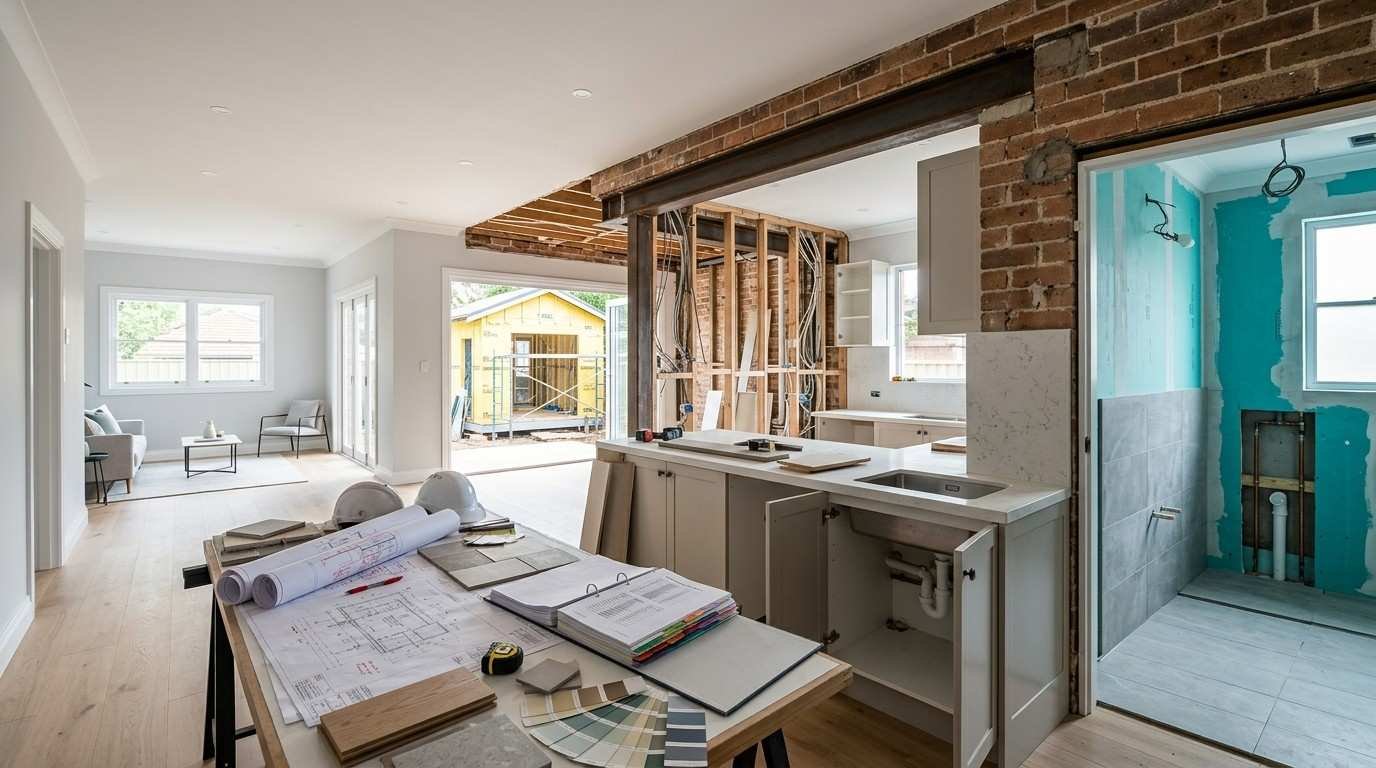
Hidden Renovation Costs Sydney Homeowners Miss
Hidden costs are the single biggest cause of budget blowouts in Sydney renovations. We see these surprises consistently across projects, and budgeting for them upfront prevents the stress of mid-project funding gaps.
Asbestos is present in a significant proportion of Sydney homes built before 1990. Licensed removal costs $2,000 to $15,000 depending on the extent and type found. This is a non-negotiable expense, because unlicensed removal carries serious health and legal consequences.
Electrical and plumbing compliance upgrades catch many homeowners off guard. Older switchboards often need full replacement at $3,000 to $6,000, and lead or galvanised pipes require replacement before walls close. Waterproofing failures in existing bathrooms add $1,500 to $4,000 in remediation before new work begins.
Structural surprises emerge once demolition starts. Termite damage, rotted subfloor timbers, and inadequate footings are common in Sydney’s older housing stock. We recommend budgeting an additional $5,000 to $20,000 as a structural contingency on any pre-1980 property.
There is also a cost stack that lands before a builder ever starts. Building reports, certifier pre-advice, heritage checks, engineering, and survey work total $3,000 to $10,000, and almost nobody budgets for it.
Council fees, certifier costs, and engineering reports add $3,000 to $10,000 to structural projects. Temporary accommodation during major works adds $2,000 to $5,000 per month, and storage for furniture is another cost most homeowners overlook until moving day.
Cost Factors That Affect Home Renovation Prices in Sydney
Two identical floor plans in different suburbs produce quotes that differ by 30 percent. These are the variables driving that spread.
Size and Scope
Project size directly impacts material quantities and labour hours. Larger renovations benefit from economies of scale on some items, and total costs still increase proportionally with square meterage.
Scope creep represents a major budget risk. Adding features mid-project disrupts scheduling and increases costs significantly. We always recommend defining your scope clearly before work begins and holding that line unless a change is genuinely essential.
Complex layouts with multiple rooms cost more than simple open plans. Each additional wet area adds plumbing and waterproofing expenses, and efficient designs reduce both construction and ongoing maintenance costs.
Materials
Material selection creates the widest cost variation in renovations. Budget tiles cost $30 per square metre while premium options exceed $200, and similar ranges apply across flooring, benchtops, fixtures, and fittings.
Imported materials carry longer lead times and higher prices. Local alternatives often match quality at lower cost, and your builder suggests substitutions that maintain design intent while reducing expense.
Material allowances in quotes deserve careful attention. Low allowances make quotes appear competitive and lead to upgrade costs later. We always recommend requesting itemised allowances and comparing like-for-like across quotes.
Labour
Sydney labour rates rank among Australia’s highest. Qualified tradespeople charge $80 to $150 per hour depending on trade and experience, and specialist trades like waterproofers and glaziers command premium rates.
Labour typically represents 40 to 50 percent of total renovation costs. Reducing labour hours through efficient design saves significant money, and prefabricated components with standardised dimensions speed installation.
The split shifts by project type. Wet areas run labour-heavy at roughly 55 to 60 percent labour because of waterproofing, screeding, and tiling hours, while a kitchen inverts to around 35 percent labour once cabinetry and appliances dominate the spend.
Trade availability affects both pricing and scheduling. Peak renovation periods see higher rates and longer wait times. Planning projects during quieter months, typically autumn and late winter, reduces costs and improves tradesperson availability.
Property Age
Older Sydney homes present unique renovation challenges. Pre-1990 properties often contain asbestos requiring licensed removal, and outdated electrical systems need complete replacement for safety compliance.
Heritage-listed properties face additional approval requirements. Conservation management plans add design constraints and costs, and heritage renovations attract council grants or incentives in some local government areas.
Structural conditions in older homes vary significantly. Some require foundation repairs or restumping before renovation work begins. Building inspections before purchase or renovation reveal hidden issues early and prevent costly surprises.
Suburb and Site Access
Where your house sits changes the price of the same renovation. Inner-city and eastern suburbs carry narrow streets, restricted parking, and permit requirements that add $3,000 to $12,000 in access costs alone.
Steep blocks in areas like the Northern Beaches and the Blue Mountains often need craneage, scaffolding, or materials carried by hand. Craneage alone runs $2,500 to $6,000 per lift day.
Heritage conservation area density also varies sharply by council. A renovation in a conservation zone adds design, documentation, and approval costs that the identical project in a newer outer-suburban estate never encounters.
Owner-Builder vs. Licensed Contractor
Owner-builders save 15 to 25 percent on labour costs by self-managing trades. NSW law requires an owner-builder permit for work exceeding $10,000, and the permit holder assumes full liability for defects for six years.
Licensed contractors carry their own insurance, manage trade scheduling, and handle compliance documentation. We find the project management value alone justifies the cost difference for most homeowners undertaking renovations above $50,000.
The hybrid approach suits experienced renovators. Owner-managing some trades while using a licensed builder for structural and wet-area work demands strong scheduling skills and a clear understanding of trade sequencing.
Council Approval Costs and Timeframes in Sydney
Council approval is the most misunderstood cost and time factor in Sydney renovations. Getting it wrong delays your project and produces costly rectification work.
Complying Development Certificates cover most standard renovations and extensions that meet the State Environmental Planning Policy codes. A private certifier issues a CDC without council involvement, typically within 10 to 20 business days, and certifier fees range from $1,500 to $4,000 depending on project complexity.
Development Applications are required for work that falls outside CDC criteria, including most heritage properties, non-standard setbacks, and significant structural changes. DA timeframes average 40 to 60 days for straightforward applications, and complex or contested DAs take six months or longer. Council application fees range from $500 to $5,000+ depending on estimated construction value.
We recommend engaging a certifier or town planner before finalising your renovation design. Early advice prevents costly redesigns and confirms your approval pathway before you commit to a builder. Heritage overlay checks through your local council’s planning portal take less than 30 minutes and save months of delays.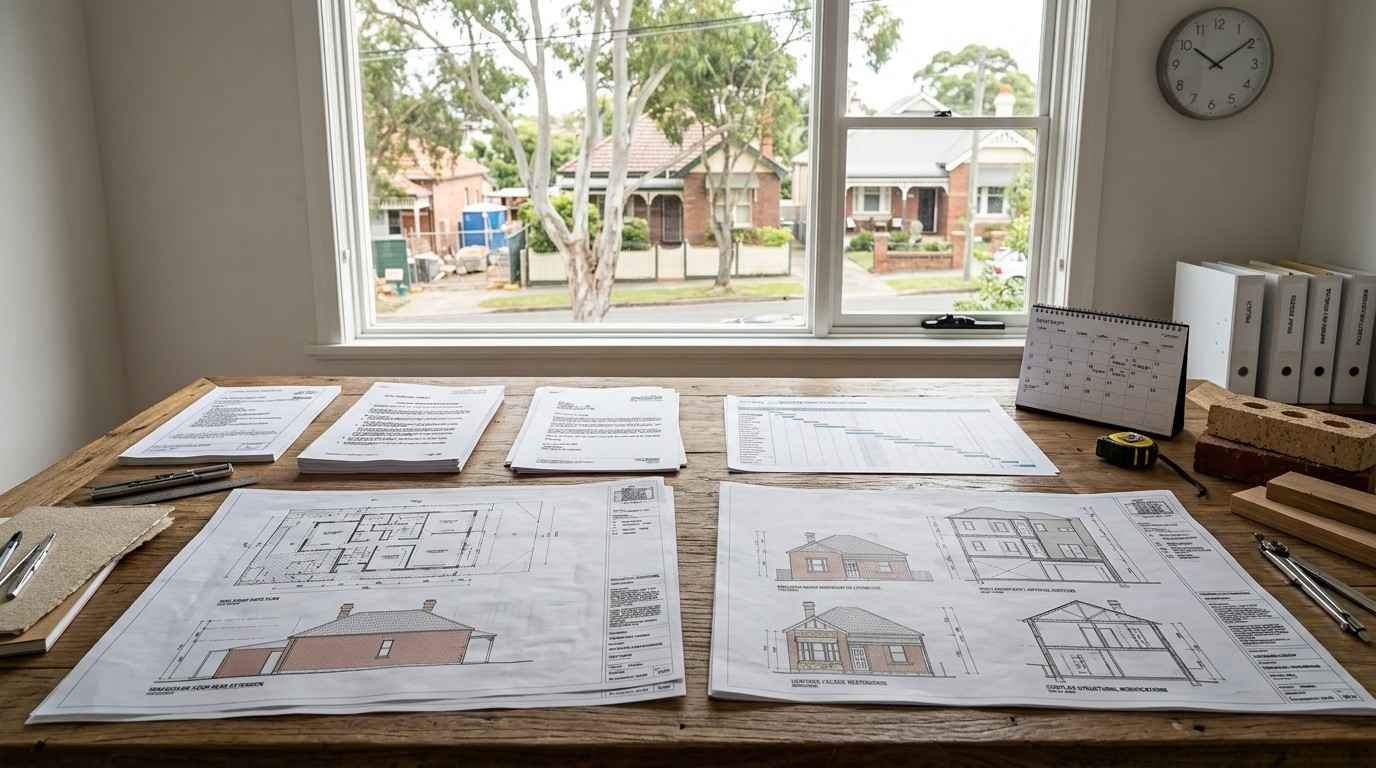
How Long Does a Sydney Renovation Take?
Timeline drives cost as directly as scope does. Every extra week on site adds supervision, accommodation, and finance holding costs, and most blowouts we see are schedule failures before they are budget failures.
| Stage | Typical Duration | Runs in Parallel? |
| Design and documentation | 3 – 8 weeks | No |
| Approval (CDC) | 2 – 4 weeks | Partly |
| Approval (DA) | 6 – 26 weeks | No |
| Builder selection and contract | 2 – 4 weeks | Yes, with approval |
| Demolition and strip-out | 1 – 3 weeks | No |
| Structural and rough-in | 3 – 10 weeks | No |
| Wet areas and waterproofing | 2 – 4 weeks | Partly |
| Joinery, fitout, finishes | 4 – 10 weeks | Partly |
| Defects and handover | 1 – 2 weeks | No |
A single bathroom completes in four to six weeks on site. A full house renovation runs three to nine months on site, and the pre-construction phase adds two to seven months on top of that.
Approval is the stage that surprises people most. A DA-pathway project spends longer waiting for permission than it spends being built.
We front-load documentation deliberately. Every decision locked before demolition removes a variation later, and variations are where timelines and budgets fail together.
How to Reduce Renovation Costs Without Cutting Quality
Cost control happens in the design phase, not on site. Once trades mobilise, every saving comes out of finish quality instead.
Keep plumbing and electrical in place. Retaining existing service locations in a kitchen or bathroom saves $3,000 to $8,000 per room, and the design compromise is usually invisible in the finished result.
Spend on substrate, save on surface. Waterproofing, framing, and drainage stay in the wall for decades, while tapware and tiles get replaced on taste cycles. We push clients to hold the budget on what fails expensively.
Choose mid-range fittings from local suppliers. Imported premium fixtures add both cost and lead-time risk, and a locally stocked equivalent frequently matches the specification at 30 to 40 percent less.
Bundle wet areas into one mobilisation. Running a bathroom and laundry together shares waterproofing, tiling, and plumbing setup and saves 10 to 15 percent against sequential projects.
Book outside peak season. Autumn and late winter bring better trade availability and sharper pricing than the summer rush.
Lock the scope before demolition. Mid-project variations attract premium pricing because they disrupt a sequence that is already committed.
Renovate or Knock Down and Rebuild in Sydney?
This is the question most cost guides avoid, and it is the one that saves the most money when answered early. Renovating a fundamentally compromised house costs more than replacing it.
Use rebuild cost as your benchmark. A new build in Sydney runs roughly $2,800 to $4,500 per square metre for a standard project home specification, and once your renovation quote approaches 50 to 60 percent of that rebuild figure, rebuilding usually delivers better value.
Four conditions push a project toward rebuilding. Failing footings, widespread asbestos, a floor plan that fights the site orientation, and ceiling heights that cannot be raised economically all mean you are paying premium prices to retain a poor structure.
Renovation wins on three fronts. It avoids the stamp duty and moving costs of relocating, it preserves a heritage character that a new build cannot replicate, and it keeps you in the home through staged works.
Rebuilding wins on layout freedom and long-term compliance. New builds meet current energy, accessibility, and structural standards without retrofit compromise.
Heritage listing settles the question in many Sydney suburbs. Demolition consent is rarely available on a listed property or inside a conservation area, which makes renovation the only compliant pathway.
How to Finance a Home Renovation in Sydney
Renovation finance is a critical planning step that many homeowners leave too late. Understanding your options before you get quotes gives you a realistic budget ceiling and prevents the disappointment of falling in love with a scope you cannot fund.
Home equity loans and redraw facilities are the most cost-effective options for homeowners with existing mortgage equity. Interest rates typically sit 0.5 to 1.5 percent above standard variable mortgage rates. We see most homeowners access $50,000 to $200,000 this way, depending on their equity position.
Construction loans suit major renovations and extensions. These loans release funds in stages as work progresses, which reduces interest costs during the build. Lenders require a fixed-price building contract and council-approved plans before approval.
Personal loans cover smaller renovations up to $50,000. Interest rates are higher, typically 7 to 12 percent, and approval is faster without requiring property security. These suit cosmetic renovations, bathroom upgrades, and kitchen refreshes on short timelines.
Government rebates and council sustainability programs offset costs for eligible projects. We recommend checking current eligibility criteria early in your planning process, because these programs change regularly.
Budgeting Tips for Renovating a House
Smart budgeting prevents financial stress and project delays. These practical strategies help Sydney homeowners plan effectively, and we apply these principles on every project we manage.
Here is how a realistic $180,000 mid-range renovation actually allocates.
| Budget Line | Allocation | Amount |
| Kitchen | 22% | $39,600 |
| Bathrooms (two) | 25% | $45,000 |
| Flooring and painting | 14% | $25,200 |
| Electrical and plumbing upgrades | 12% | $21,600 |
| Approvals, certifier, engineering | 5% | $9,000 |
| Joinery and fitout | 8% | $14,400 |
| Contingency | 14% | $25,200 |
Contingency
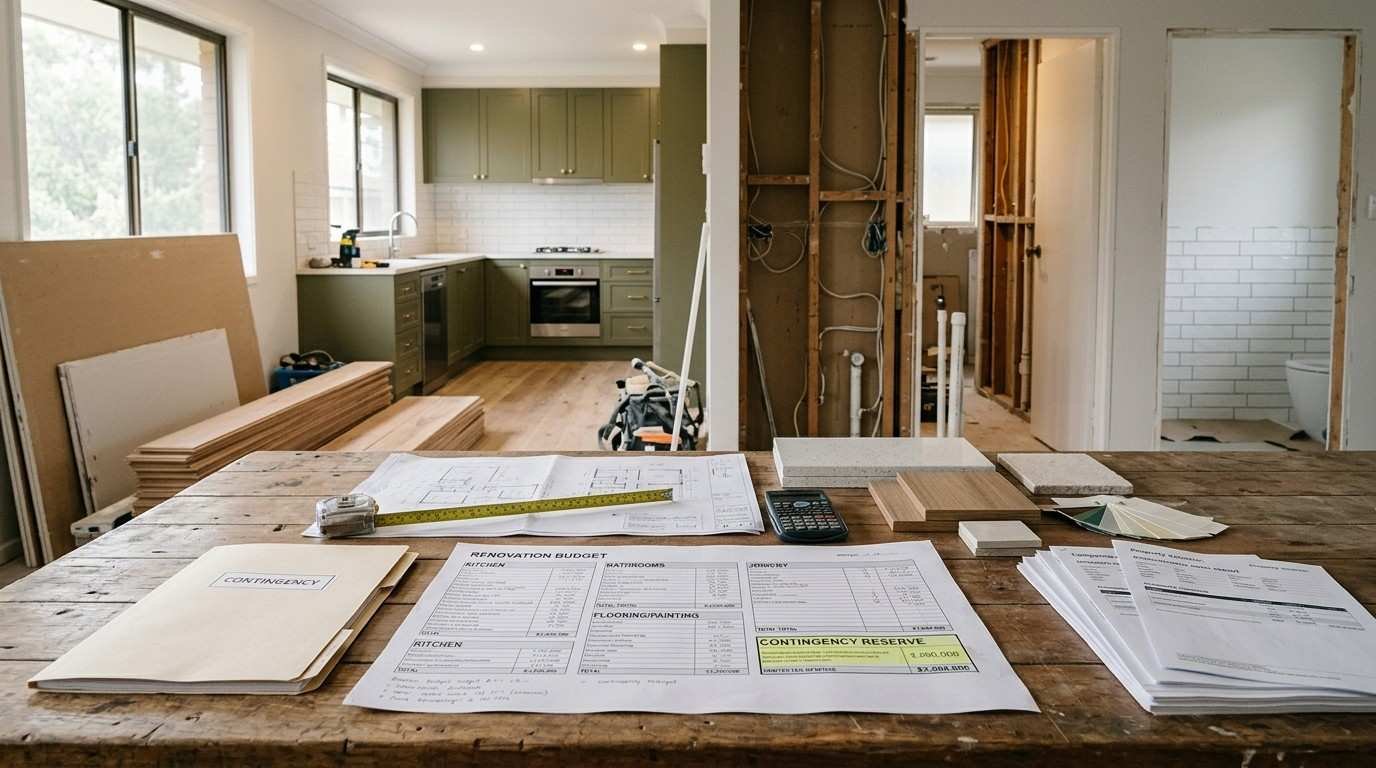
Every renovation budget needs a contingency allowance. Industry standard recommends 10 to 15 percent for straightforward projects, and older homes or complex renovations warrant 15 to 20 percent contingency.
Unexpected discoveries drive contingency spending. Hidden water damage, structural issues, or asbestos appear once walls open, and adequate contingency prevents project stalls when surprises emerge.
Protect your contingency fiercely during the project. Avoid spending it on upgrades or scope additions, and reserve these funds exclusively for genuine unforeseen issues.
Avoiding Overcapitalisation
Overcapitalising means spending more than you recover in property value. This risk increases in areas with price ceilings, and we always recommend researching comparable sales before committing to major renovations.
Sydney median house prices vary dramatically by suburb. A $200,000 renovation makes sense in Mosman and does not in outer western suburbs where the median sits below $800,000. Match your investment to local market conditions.
Focus spending on improvements buyers value most. Kitchens and bathrooms consistently deliver strong returns, and highly personalised features like home theatres rarely recover their full cost at resale.
Percentage of Property Value
A common guideline limits renovation spending to 10 to 15 percent of property value. This approach balances improvement with financial prudence, and higher percentages suit owner-occupiers planning long-term stays.
The right ceiling depends on your holding period. An owner-occupier staying ten years justifies 20 percent or more because the lifestyle return compounds across a decade, while a two-year hold rarely recovers anything above 10 percent.
Calculate your maximum budget before seeking quotes. This figure guides design decisions and trade-off conversations, and knowing your limit prevents emotional overspending during the project.
Investment properties require stricter cost control. Rental returns must justify renovation expense, so we recommend durable, tenant-friendly improvements over premium finishes that never increase achievable rent.
Which Home Renovations Add the Most Value?
Strategic renovations boost property value beyond their cost. Certain improvements consistently deliver strong returns, and we prioritise these areas when renovation budgets are limited.
Kitchen and bathroom upgrades top the value-adding list. Quality kitchen renovations add $20,000 to $50,000 in property value in most Sydney markets. Modern bathrooms similarly attract buyer premiums, particularly in family-oriented suburbs.
Street appeal improvements deliver outsized returns relative to their cost. Fresh exterior paint, landscaping, and entry upgrades cost relatively little and shape the first impression during property inspections. We consistently see these improvements generate buyer interest that translates to stronger auction results.
Additional living space commands premium prices in Sydney. Converting garages, adding granny flats, or building extensions increases usable area. Each additional bedroom adds 5 to 10 percent to property value in family-friendly suburbs, and a well-designed granny flat adds $100,000 to $150,000 to a property’s market value in high-demand areas.
Energy efficiency upgrades attract modern buyers. Solar panels, insulation, and efficient heating reduce running costs, and these features increasingly influence purchase decisions as energy prices rise.
Avoid over-improving for your street. The best house on the block rarely recovers its full renovation cost, so aim for improvements that match or slightly exceed neighbourhood standards.
How to Get Accurate Renovation Quotes in Sydney
Getting accurate quotes is the most practical step you take to protect your budget. We see homeowners consistently underprepared when approaching builders, and that produces quotes that are impossible to compare.
Always get a minimum of three detailed written quotes for any project above $10,000. Verbal estimates are not quotes, because they carry no contractual weight and change dramatically once work begins. A genuine quote specifies scope, inclusions, exclusions, materials, and payment schedule.
Review material allowances line by line. A kitchen quote with a $3,000 benchtop allowance and one with a $6,000 allowance are not comparable at face value. Request that builders specify the brand, grade, and quantity for every major material item.
Verify licensing and insurance before signing anything. A valid contractor licence, current public liability insurance, and Home Building Compensation Fund cover for residential work above $20,000 are non-negotiable in NSW.
Check the certificate rather than the claim. Ask for the licence number, the insurance certificate of currency, and the HBCF certificate naming your specific project, because cover issued for another job protects nothing on yours.
Red flags in quotes include unusually low prices, vague scope descriptions, upfront deposits above 10 percent, and pressure to sign quickly. We recommend taking at least a week to review quotes and asking each builder to walk you through their inclusions and exclusions in person.
Fixed-Price vs Cost-Plus Contracts
Contract structure influences final spend more than which of three quotes you accept. Most homeowners compare prices and ignore the mechanism that determines whether that price holds.
Fixed-price contracts set a lump sum for a defined scope. The builder carries the risk of labour and material movement, which typically adds 5 to 10 percent as a risk margin, and you gain certainty that suits lender requirements for construction finance.
Cost-plus contracts charge actual costs plus an agreed margin, usually 15 to 20 percent. They suit heritage work and unknown-condition projects where a fixed price would be guesswork, and they transfer the overrun risk directly to you.
We recommend fixed-price for any well-documented renovation. Detailed drawings and specifications remove the ambiguity that makes cost-plus necessary, and the risk margin is cheaper than an open-ended budget.
Pros of Home Renovation
Renovation offers distinct advantages over buying or building new. Understanding these benefits helps justify your investment, and we see these factors consistently influence our clients’ decisions.
Renovating preserves established location benefits. Your current home sits in a known neighbourhood with familiar amenities, and moving to an equivalent area often costs more than improving your existing property.
Customisation possibilities exceed new home options. Renovations let you design spaces matching your exact requirements, and builder’s homes offer limited personalisation compared to thoughtful renovation.
Staged renovations spread costs over time. You tackle projects as budgets allow rather than committing everything upfront, and that flexibility suits homeowners building equity gradually.
Staged work also compounds. Each completed stage lifts the valuation that funds the next one, which turns a renovation into a self-financing sequence rather than a single large debt event.
Renovation avoids stamp duty and moving costs. Purchasing a better property incurs 4 to 5.5 percent stamp duty in NSW, and those transaction costs often exceed substantial renovation budgets.
Sustainability benefits favour renovation over demolition. Retaining existing structures reduces construction waste significantly, and upgrading insulation and systems improves efficiency without full rebuilds.
Cons of Home Renovation
Renovation carries risks and challenges worth considering. Honest assessment prevents disappointment and financial strain, so weigh these factors against the potential benefits before committing.
Budget overruns affect most renovation projects. Across the projects we tender against, roughly two in three exceed the homeowner’s original budget. Thorough planning and realistic contingencies reduce that risk without eliminating it.
Living through renovations creates significant disruption. Dust, noise, and restricted access affect daily life, and major projects require temporary relocation that adds accommodation costs.
Timeline delays frustrate homeowners and extend disruption. Weather, material delays, and trade availability cause common setbacks, and schedule flexibility absorbs the delays that arrive on most projects.
Structural limitations constrain design possibilities. Existing foundations, load paths, and services restrict layout changes, and new builds offer complete design freedom that renovations cannot match.
Hidden problems increase costs unpredictably. Asbestos, termite damage, and structural issues appear during demolition, and older homes carry higher risk of expensive discoveries.
Council approvals add time and uncertainty. Complex applications face rejection or modification requirements, and approval delays push back start dates and extend overall project duration.
Key Takeaways
- Sydney home renovations cost $1,500 to $5,000+ per square metre depending on scope and finish level
- Budget 10 to 20 percent contingency for unexpected issues during your project
- Kitchens and bathrooms deliver the strongest return on renovation investment
- Labour represents 40 to 50 percent of total costs, and efficient design reduces that expense
- Pre-construction costs total $3,000 to $10,000 before a builder starts on site
- Avoid overcapitalising by researching local property values before committing
- Older homes require additional budget for compliance and hidden repairs
- Council approval adds $1,500 to $10,000+ and 2 to 26 weeks depending on the pathway
- Rebuilding usually beats renovating once your quote reaches 50 to 60 percent of rebuild cost
- Fixed-price contracts suit documented renovations, and cost-plus suits unknown-condition work
- Finance options include home equity loans, construction loans, and personal loans
- Get multiple detailed written quotes with itemised allowances for accurate comparison
Conclusion
Sydney home renovation costs vary dramatically based on your project scope, material choices, and property conditions. Understanding realistic price ranges helps you plan effectively and avoid costly surprises. Smart budgeting with adequate contingency, plus a clear picture of hidden costs, approval fees, and finance options, protects your investment throughout the project.
The most successful renovations we see share one thing: thorough planning before a single wall opens. Homeowners who research costs, secure finance, confirm their approval pathway, and get detailed quotes consistently finish on budget and on time. Those who skip these steps face the stress of mid-project funding gaps and scope compromises.
At Sydney Home Renovation, we combine transparent cost planning with skilled project management to deliver renovations that stay on budget and build long-term value. Contact us today for a detailed consultation and accurate quote tailored to your property, and we will help you renovate with confidence.
Frequently Asked Questions
How long does a full house renovation take in Sydney?
Full house renovations typically take four to nine months on site. Smaller projects like single bathroom renovations complete in four to six weeks. Structural changes add council approval time before construction starts.
Do I need council approval for my Sydney renovation?
Most cosmetic renovations proceed without council approval. Structural changes, extensions, and alterations affecting the building footprint need either a CDC or a DA. Confirm your pathway with a certifier before starting work.
How can I reduce my renovation costs without sacrificing quality?
Keep existing plumbing and electrical locations. Choose quality mid-range materials over premium brands, get multiple quotes, and lock your scope before demolition begins.
What is the best time of year to renovate in Sydney?
Autumn and late winter offer the best advantages. Tradespeople have better availability outside peak summer periods, and mild weather suits exterior work while reducing weather-related delays.
Should I renovate or sell my Sydney home?
Compare renovation costs against the price gap between your current home and your desired property. Include stamp duty, agent fees, and moving costs. Renovating proves more economical for homeowners happy with their location.
When does rebuilding beat renovating in Sydney?
Rebuilding usually wins once your renovation quote reaches 50 to 60 percent of rebuild cost. Failing footings, widespread asbestos, and unfixable floor plans all push the decision toward a new build.
How do I find reliable renovation contractors in Sydney?
Request references and view completed projects before hiring. Verify the contractor licence, public liability insurance, and Home Building Compensation Fund cover, then get detailed written quotes specifying scope, timeline, and payment terms.
What hidden costs should I budget for in a renovation?
Common hidden costs include asbestos removal, electrical upgrades, plumbing compliance, and structural repairs. Council fees, certifier costs, and temporary accommodation add more. Budget 15 to 20 percent contingency for older properties.
How do I finance a home renovation in Sydney?
Home equity loans and redraw facilities offer the lowest interest rates for homeowners with existing mortgage equity. Construction loans suit major projects, and personal loans cover smaller renovations up to $50,000.
What is a renovation contingency and how much do I need?
A renovation contingency is a reserved budget for unexpected costs discovered during construction. We recommend 10 to 15 percent for newer homes and 15 to 20 percent for properties built before 1990.


