
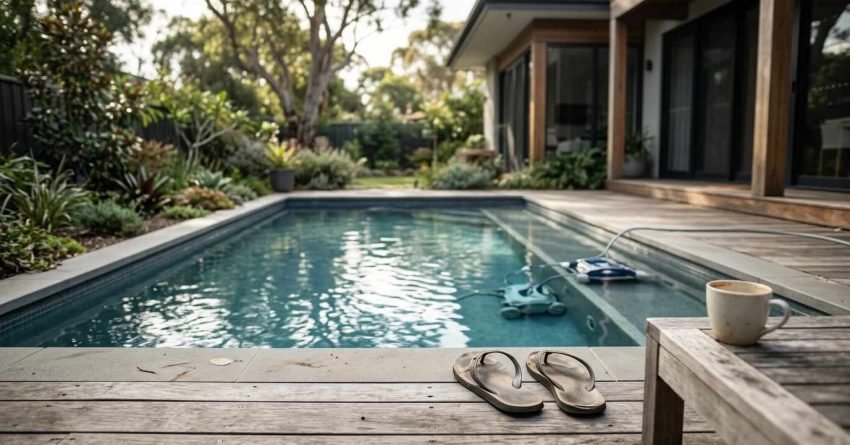
Swimming pools, luxury landscaping and highly personalised renovations sit at the bottom of every value-recovery list I have worked from. They improve how a home feels to live in. They rarely improve what a buyer will pay for it, and a few of them actively shrink the buyer pool.
I think knowing which renovations destroy value matters more than knowing which ones build it. Most of the money I watch homeowners lose is not lost on bad workmanship. It is lost on good workmanship applied to the wrong thing.
Here I break down the improvements that fail to add value, why they underperform in Sydney specifically, and where we redirect that budget instead.
Why Some Home Improvements Don’t Add Value
An improvement fails to add value when its cost outruns its appeal. Three factors decide this: market perception in your suburb, functional utility across a broad buyer pool, and the demographics of who actually bids on your street. Improvements that lose money almost always combine high install cost, ongoing maintenance, and narrow taste appeal.
Market perception does most of the damage. A pool in the Inner West reads as a maintenance bill. The same pool in Freshwater reads as the reason someone bought the house.
Functional utility separates broad needs from narrow ones. A fourth bedroom serves nearly every family. A home recording studio serves musicians, and there are not many bidding on your property.
Buyer demographics finish the job. Young professionals in Surry Hills want different things from families in Castle Hill, and renovating without knowing which one is buying is renovating blind.
Here is how the main categories compare on recovery, based on the ranges I quote and what agents report back at settlement:
Improvement | Typical Sydney Cost | Typical Value Added | Recovery |
Swimming pool (concrete, in-ground) | $50,000–$100,000 | $10,000–$30,000 | 20–40% |
Elaborate landscape design | $50,000+ | $10,000–$20,000 | 20–40% |
Outdoor kitchen / built-in BBQ | $15,000–$40,000 | 30–50% of cost | 30–50% |
Garage conversion | $25,000–$50,000 | Often negative | <0–50% |
Spa bathroom (full luxury) | $40,000–$60,000 | Plateaus early | 50–65% |
Solar panel system | $5,000–$15,000 | $5,000–$10,000 | ~break-even |
Kitchen update (appropriate spec) | $25,000–$45,000 | 60–80% of cost | 60–80% |
Street appeal package | $5,000–$15,000 | Exceeds cost | 100%+ |
Swimming Pools: The Classic Value Trap
Pools are the least likely improvement to return their cost in Sydney, and they are the one homeowners defend hardest. Despite the climate, they routinely fail to recover installation costs, and in some suburbs they extend time on market.
The Real Cost of Pool Ownership
An in-ground concrete pool in Sydney runs $50,000 to $100,000, with fibreglass starting near $35,000. Those figures exclude landscaping, fencing compliance, and the site access problems that surface once excavation starts.
Install is the smaller number. Annual maintenance runs $3,000 to $6,000 across chemicals, cleaning, equipment servicing, and pump and heating energy. Across a decade, that is $30,000 to $60,000 on top of the build.
Then there is compliance. Every pool in NSW must be registered and hold a valid certificate of compliance before sale or lease, and retrofitting non-compliant fencing is a cost I quote more often than new pools. The NSW swimming pool barrier requirements are not negotiable at settlement.
Why Buyers Discount Pools
Buyers price pools as liabilities. Families with toddlers see supervision. Older buyers see servicing. Time-poor professionals see a weekend job they did not ask for.
The pool also eats the backyard. Play space, entertaining space and low-maintenance lawn all compete for the same square metres, and where land is expensive, that trade-off decides offers.
Agents report pools adding $10,000 to $30,000 in favourable conditions. That is well under installation cost, and in family-heavy suburbs it goes the other way.
When Pools Make Sense
Pools hold value in three contexts: prestige properties where their absence is the problem, beachside suburbs where outdoor living is the whole proposition, and homes marketed to buyers who want resort-style living without children.
Outside those three, I tell clients to think very hard.
Over-Personalised Renovations That Alienate Buyers
Personalisation is the enemy of resale. Every choice that reflects your taste is a choice a buyer prices as a repaint, a rip-out, or a compromise.
Bold Colour Schemes and Statement Walls
A burgundy feature wall or a bright yellow kitchen creates instant mental renovation costs. Buyers do not see the design decision. They see repainting quotes and wonder what else in the house reflects unconventional judgement.
Neutral is not boring. Neutral lets a buyer project their own home onto the space, which is what actually drives an emotional offer.
Bold Flooring and Wall-to-Wall Carpet
Flooring is the largest single visual surface in a home, which makes it the most expensive taste mistake available. Dark timber in a small terrace, high-gloss tiles through living areas and feature-patterned carpet all read as replacement costs rather than finishes.
Wall-to-wall carpet in living and dining areas dates the fastest of any surface I install. Buyers in Sydney now expect hard flooring through the main living zones with carpet confined to bedrooms.
Replacing flooring is disruptive, and buyers discount for disruption more than for materials.
Why Losing a Bedroom Costs More Than the Room Gains
Converting a bedroom into a cinema, craft room, gym, or permanent office serves your life and costs you a price bracket. Bedroom count is one of the first filters every buyer applies on every portal, before they look at a single photograph.
A four-bedroom home with a cinema room is a three-bedroom home in the search results. That reclassification costs far more than the conversion ever added.
I treat bedroom count as close to untouchable.
Custom Built-Ins That Limit Flexibility
Floor-to-ceiling wardrobes, custom entertainment units and bespoke shelving present as premium, then lock a room into one configuration. Buyer needs rarely match the previous owner’s storage logic.
The move toward flexible, multi-use rooms means heavy built-ins now date a property rather than lift it. Buyers want rooms they configure themselves.
Trend Finishes That Date Before You Sell
Some finishes carry a visible expiry date. Subway tile in a specific colourway, matt black tapware everywhere at once, open shelving instead of upper cabinetry, and dark green cabinet fronts all read as a particular year rather than as quality.
A buyer who can date your renovation prices it as dated, regardless of its actual age or cost. Finishes that photograph as timeless recover more than finishes that photograph as current.
Luxury Upgrades in Mid-Range Properties
Premium finishes in a property that cannot support premium pricing is the most common expensive mistake I see. Valuers call it over-capitalisation, and it means spending past the ceiling your suburb and land will ever repay.
High-End Appliances in Standard Kitchens
A $15,000 commercial-grade range beside laminate benchtops and builder-grade cabinetry does not lift the kitchen. It exposes everything around it, and buyers read the inconsistency as questionable judgement.
They also assume replacement costs, since commercial equipment carries different service requirements than the domestic appliances they know.
Premium Fixtures in Basic Bathrooms
A $3,000 freestanding bath in a bathroom with dated tiles and a standard vanity creates visual confusion. The expensive piece draws the eye to every cheap thing near it.
Cohesive mid-range work beats scattered luxury every time. A bathroom where every element sits at one quality level photographs better, presents better, and values better.
Imported Materials in Suburban Homes
Italian marble, French oak, and German tapware meet expectations in a prestige property. In a suburban family home, they are a cost that never converts to proportional value.
Local alternatives deliver most of the look at a fraction of the spend, and in most market segments buyers cannot tell them apart at inspection.

Landscaping That Costs More Than It Returns
Outdoor space matters to Sydney buyers. The link between landscaping spend and value creation is far weaker than homeowners assume.
Elaborate Garden Designs
Professional design with mature plantings, water features, and architectural elements passes $50,000 without difficulty. Those installations rarely add more than $10,000 to $20,000.
The problem is maintenance perception. Buyers see the garden and calculate gardener visits, water bills, seasonal replanting, and the hours required to stop it deteriorating.
An expensive garden reads as an expensive obligation.
Outdoor Kitchens and Entertainment Areas
Built-in barbecues, pizza ovens, and full outdoor kitchens have surged, and they return roughly 30% to 50% of cost. Every dollar spent loses money on paper.
The exception is a property positioned specifically for entertaining, where the outdoor kitchen matches the story the listing tells. For a standard family home, a quality portable barbecue does the same job with none of the capital.
Extensive Paving and Hardscaping
Large paved areas, retaining walls, and structural landscaping carry serious cost and contribute little. Buyers value functional outdoor space and almost never pay a premium for elaborate hardscaping.
A simple lawn with established trees tests better than complex design. Perceived low maintenance beats demonstrated expense.
Garage Conversions: Losing More Than You Gain
Converting a garage looks like free floor area. In Sydney, it usually destroys more value than it creates, because it trades a scarce asset for an abundant one.
The Parking Premium
Secure parking carries real money here. A single garage space in inner suburbs adds meaningfully to value, and conversion erases that line entirely while adding a room type the house already has.
Street parking availability, council restrictions and suburb demographics all change how heavily buyers weight garage access. Where street parking is scarce, losing the garage ends the inspection.
Quality and Compliance Issues
Conversions routinely suffer compromised ceiling heights, poor natural light, ventilation problems and unclear approval status. Buyers notice, and building inspectors notice in writing.
Even a well-executed conversion carries stigma. Knowing a room was originally a garage colours buyers’ perception no matter how it presents.
The Flexibility Factor
Garages do more than store cars. They absorb workshops, seasonal storage, bikes, home gyms, hobby space, and increasingly EV charging, and they do it without anyone needing to decide what the room is.
Converting to a single-purpose room ends that flexibility. Buyers value the undecided room precisely because it stays undecided.
A garage is the one space in a house that never needs justifying.
Unapproved Work: The Value Killer Nobody Budgets For
Unapproved work is the improvement most likely to reduce value outright, because it converts a renovation into a legal problem the buyer inherits. This is the gap I see homeowners walk into most often, and it costs more than any taste mistake in this article.
Missing Approvals and Certificates
A purchaser’s solicitor requests approval documentation as standard. Missing development consent, no occupation certificate or an unregistered pool all surface during conveyancing, and each one gives a buyer a reason to renegotiate or withdraw.
Retrospective approval is possible, and it is neither fast nor cheap. Councils assess the work as built, and work that does not comply gets rectified at your cost. NSW planning rules on exempt and complying development decide which jobs need consent before anyone lifts a tool.
Visible DIY Work and Poor Finishes
Buyers cannot assess structural quality, so they judge it by finish quality. Uneven tiling, doors that bind, silicone lines that wander, and paint on hardware all signal that the invisible work matches the visible work.
That inference is expensive. A buyer who suspects poor workmanship discounts for the whole house, not for the tiling, and building inspectors reinforce that suspicion in a report the buyer negotiates from.
Work that must be redone is worth less than work never done.
Granny Flats: Value Depends Entirely on Approval
An approved secondary dwelling adds genuine value in Sydney through rental income and multi-generational appeal. An unapproved one adds a liability with a rental history attached.
The difference is entirely paperwork. Same build, same finishes, and one valuation counts the floor area while the other flags a compliance risk.

Solar Panels and Sustainability Upgrades: The Complicated Truth
Sustainability upgrades sit at roughly break-even, which makes them defensible on running costs rather than resale. They are worth doing for the bills, not for the sale price.
Solar Panel Value Recovery
Systems run $5,000 to $15,000 depending on capacity and quality, and they add approximately $5,000 to $10,000 to value. Break-even is realistic, and profit is not.
Technology moves quickly, so a system installed five years ago is approaching the end of its best output. Buyers price the replacement they can see coming.
Battery Storage Systems
Home batteries add $10,000 to $15,000 to the installation cost and recover very little at sale, because buyers remain unsure about lifespan and replacement pricing.
The operational savings are real. They accrue to you while you live there, not to your sale price.
When Green Upgrades Add Value
Sustainability performs best where it is coherent rather than isolated. A property with solar, battery, water tanks, efficient glazing and efficient appliances tells one story a buyer can price, and it performs strongest in suburbs where buyer demographics already care.
Premium properties see the strongest effect, because comprehensive sustainability reads as specification rather than as an add-on.
An isolated upgrade in a standard property moves nothing.
Home Office Conversions: Post-Pandemic Reality Check
Purpose-built home offices no longer command the premium they briefly held. The work-from-home surge created intense demand, the market absorbed it, and buyer priorities moved on.
The Flexibility Problem
An office with built-in desks, cable management, and dedicated lighting does exactly one job. As hybrid patterns settled, buyers moved back toward rooms they can run as an office, guest room, or study depending on the year.
Permanent conversions that cost a bedroom test worst of all, because they remove options from buyers who want options.
Technology Obsolescence
Integrated screens, hardwired networking, and custom cable runs date fast. What reads as cutting-edge now reads as removal cost inside five years.
A well-lit room with enough power points outlasts every technology-forward build I have quoted.
Spa Bathrooms and Luxury Ensuites: Diminishing Returns
Bathroom renovations return well up to a point, then flatten hard. The ceiling arrives earlier than most homeowners expect.
The Spa Bathroom Trap
Steam showers, spa baths, heated floors, and towel warmers push a bathroom toward $40,000 to $60,000. Buyer willingness to pay plateaus well below that figure.
A clean modern bathroom with quality fixtures captures most of the value a full spa build achieves, at roughly half the cost.
Multiple Bathroom Syndrome
The jump from one bathroom to two is the single best-returning bathroom spend available. Two to three shrinks noticeably. Beyond three, the money does not come back.
The reason is ratio. Buyers assess bathrooms against bedrooms, so a fourth bathroom in a three-bedroom home reads as odd rather than generous, and it consumes floor area a buyer would rather see as living space or storage.
Genuine exceptions exist. Multi-generational households and homes with five or more real bedrooms justify the additional bathroom, because the ratio still makes sense to the person paying.
What Actually Adds Value: Redirecting Your Renovation Budget
Everything that returns well shares three traits: broad appeal, functional improvement, and spend proportional to the property. Understanding the failures makes the reallocation obvious.
Take the pool budget as the working example. $70,000 that recovers $20,000 as a pool becomes a kitchen at the right specification, a bathroom refresh, a full street appeal package, and the deferred maintenance list cleared, and that combination recovers most or all of itself.
Kitchen Updates Within Reason
Kitchens return 60% to 80% of cost when specified correctly. The whole discipline is matching renovation level to property positioning: mid-range kitchen for a mid-range home, premium only where the suburb supports premium.
Prioritise layout efficiency, storage capacity and appliances appropriate to your segment. Over-specification recreates the mismatch problem exactly.
Bathroom Refreshes Over Rebuilds
Most bathrooms need updating rather than rebuilding. New tapware, better lighting, fresh paint, a new mirror, and a re-grout transform a dated bathroom for $5,000 to $10,000 with strong recovery.
Reserve full renovations for genuine problems: bad layouts, water damage, failed waterproofing or compliance issues.
Street Appeal Investments
First impressions set the offer. Exterior paint, updated fencing, new house numbers, a tidy entry and maintained gardens generate the response that turns inspections into bids.
These packages run $5,000 to $15,000 and reliably return more than they cost. Street appeal is one of the few categories where that holds consistently.
Functional Repairs and Maintenance
Deferred maintenance protects value more effectively than anything decorative. Roof repairs, electrical updates, and plumbing fixes are invisible, and they stop buyers from discounting.
Buyers discount visible maintenance issues by more than the repair costs, every time. A well-maintained home with dated finishes outsells a renovated home with problems underneath.
How to Find Your Suburb’s Value Ceiling
Every suburb has a price the best house on the street cannot exceed, and that number caps your renovation budget. Finding it takes about an hour.
Pull the last six months of sold results for your bedroom and bathroom count within a few streets, and separate the renovated sales from the unrenovated ones. The gap between those two groups is the maximum a renovation returns in your market, regardless of what you spend.
Subtract your purchase price from the renovated figure. What remains is your ceiling, and spending past it is over-capitalisation by definition. CoreLogic property data and recent comparable sales give you the inputs.
Then decide whether you are renovating to sell or renovating to live. If you are staying five years or more, personal preference earns more room, because you are buying lifestyle rather than resale.
Conclusion
The improvements least likely to increase value share one trait: they put personal preference ahead of market appeal. Pools, over-personalised design, luxury finishes in mid-range homes, elaborate landscaping and unapproved work all describe money that satisfied the current owner while narrowing the pool of people willing to buy next.
The safest strategy is subtraction before addition. Fix what is broken, update what is dated, approve what needs approving, and keep the personalisation in furniture and décor that leaves with you. Every renovation should pass one test: would a broad range of buyers in this suburb pay more for this than it costs to install?
At Sydney Home Renovation, we run that test before we quote, because over-capitalisation is the one mistake we cannot fix afterwards. We map your budget against your suburb’s ceiling first, then design the work around it. Contact us for a consultation that starts with your value ceiling and ends with a scope that respects it.
Frequently Asked Questions
Does a swimming pool add value to a house in Australia?
Rarely in proportion to cost. Installation runs $50,000 to $100,000 while value added sits between $10,000 and $30,000, and in family suburbs pools reduce buyer interest.
What home renovations have the worst return on investment?
Pools, personalised room conversions, luxury finishes in mid-range homes, elaborate landscaping and unapproved work. Most recover under 50% of cost, and some reduce appeal outright.
Should I renovate before selling my house?
Focus on repairs, maintenance, and cosmetic updates rather than major work. Paint, flooring, street appeal, and cleared maintenance return more than expensive upgrades buyers did not choose.
Do solar panels increase home value in Australia?
Solar adds roughly $5,000 to $10,000, which approximately matches the install cost for standard systems. Expect break-even at sale, plus genuine savings while you own the home.
Is converting a garage to a bedroom a good idea?
Usually not. Secure parking carries real value across Sydney, conversions attract quality and compliance concerns, and the lost flexibility rarely justifies the extra room.
What adds the most value to a home?
Kitchen and bathroom updates, street appeal, and cleared deferred maintenance return most reliably. Broad-appeal improvements that remove negatives beat personal additions consistently.
How do I avoid over-capitalising on renovations?
Compare renovated and unrenovated sold prices for your bedroom count nearby. That gap is your ceiling. Match finish level to property positioning and stay inside it.


