
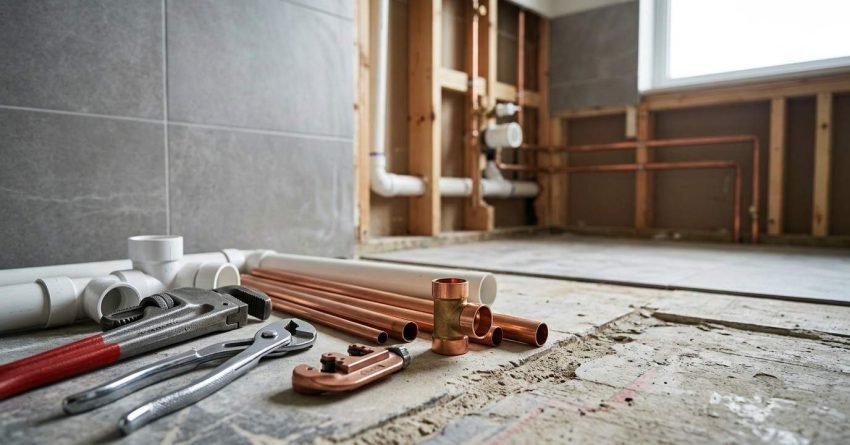
Yes, you need a licensed plumber for most bathroom renovation work in Sydney. Any task involving water supply lines, drainage connections, or fixture installation legally requires a qualified tradesperson under NSW regulations. Attempting regulated plumbing work yourself can result in fines, failed inspections, and costly damage.
Understanding when to hire a plumber helps you budget accurately and avoid compliance issues. Plumbing typically accounts for a substantial share of a standard bathroom renovation, making it one of the largest cost components after tiling and waterproofing.
This guide explains exactly which tasks require a plumber, current Sydney pricing, how to choose the right tradesperson, and where plumbing fits into your overall renovation budget.
What Plumbing Work Is Required in a Bathroom Renovation?
Every bathroom renovation involves plumbing to some degree. Even a cosmetic refresh often uncovers pipes that need attention. Understanding the scope of plumbing work helps you plan realistic timelines and budgets.
Rough-In Plumbing Tasks
Rough-in plumbing refers to the pipework installed before walls and floors are finished. This includes positioning water supply lines and drainage pipes for your toilet, basin, shower, and bath.
Changing the layout of your bathroom makes rough-in work more extensive. Moving a toilet even one metre can require significant pipe rerouting, and new drainage runs must maintain correct fall angles to prevent blockages.
Rough-in work happens early in the renovation sequence. Your plumber coordinates with the waterproofer and tiler to ensure pipes are correctly positioned before surfaces are sealed.
Fixture Installation and Connection
Once tiling and waterproofing are complete, your plumber returns to install fixtures. This includes connecting toilets, basins, tapware, shower mixers, and bathtubs to the water supply and waste systems.
Fixture installation requires precision. Incorrect connections cause leaks that damage waterproofing and create mould problems, so licensed plumbers test every connection before signing off.
Modern fixtures often include isolation valves, allowing individual components to be serviced without shutting off water to the entire property. Your plumber installs these during the fit-off stage.
Drainage and Water Supply Modifications
Older Sydney homes frequently have galvanised or copper pipes that need replacement. Corrosion restricts water flow and creates leak risks, and a bathroom renovation provides the opportunity to upgrade aging pipework.
Adding a second basin or upgrading to a larger shower prompts your plumber to assess whether existing supply lines can handle increased demand. Undersized pipes cause pressure problems and slow drainage.
Drainage modifications must comply with Australian Standards. Your plumber ensures waste pipes connect correctly to the main sewer line with appropriate venting to prevent gurgling and odours.
When Do You Legally Need a Licensed Plumber in Sydney?
NSW has strict regulations governing plumbing work. Understanding these requirements protects you from fines and ensures your renovation meets compliance standards for insurance and resale purposes.
NSW Plumbing Regulations and Compliance
Under the Plumbing and Drainage Act 2011, all plumbing and drainage work in NSW must be performed by a licensed plumber or under the direct supervision of one. This applies to residential renovations regardless of property size.
Licensed plumbers hold qualifications recognised by NSW Fair Trading. They carry insurance and can issue compliance certificates confirming work meets Australian Standards.
Your plumber lodges a Notice of Work with your local council or water authority for certain jobs. This creates an official record that the work was completed by a qualified tradesperson, which matters later during conveyancing.
Work That Requires a Licensed Plumber
The following bathroom renovation tasks legally require a licensed plumber in NSW:
- Installing, relocating, or replacing toilets
- Connecting basins, baths, and showers to water supply and drainage
- Installing or modifying hot water connections
- Replacing or extending water supply pipes
- Modifying drainage lines or waste connections
- Installing tapware connected to plumbing systems
- Fitting WELS-rated water-efficient fixtures where connections to supply or drainage are involved
- Gas fitting for heated towel rails or bathroom heaters
Even replacing a tap washer technically falls under regulated work, though enforcement focuses on more significant tasks.
Penalties for Unlicensed Plumbing Work
Performing regulated plumbing work without a licence carries penalties exceeding $11,000 for individuals under NSW law. Homeowners who hire unlicensed workers can also face fines.
Beyond financial penalties, unlicensed work creates serious practical problems. Insurance companies may reject claims for water damage if work wasn’t performed by a licensed tradesperson, and buyers or their conveyancers may request compliance certificates you cannot provide when you sell.
Failed plumbing work often remains hidden until significant damage occurs. Leaking pipes inside walls cause structural damage and mould growth that costs far more to repair than proper installation.
What Bathroom Renovation Tasks Can You Do Without a Plumber?
Not every bathroom renovation task requires a licensed plumber. Understanding which jobs you can handle yourself helps you allocate your budget to areas where professional expertise matters most.
DIY-Friendly Bathroom Tasks
Several bathroom renovation tasks fall outside plumbing regulations:
- Cosmetic work including painting walls and ceilings, installing mirrors, and fitting towel rails that don’t connect to plumbing systems.
- Vanity assembly where the cabinet itself doesn’t involve plumbing connections. You can assemble flat-pack vanities before your plumber connects the basin.
- Demolition of non-structural elements like removing old tiles, vanities, and fixtures. Have your plumber cap off the water supply and drainage before removing fixtures.
- Flooring preparation and some tiling work, though wet-area waterproofing must be completed by a licensed waterproofer.
- Accessory installation including toilet roll holders, hooks, and shelving that doesn’t penetrate waterproof membranes.
When DIY Becomes Risky
Some tasks appear simple but carry hidden risks. Removing an old toilet seems straightforward until you discover corroded bolts or damaged flanges requiring professional repair.
Attempting to modify existing plumbing connections often causes more problems than it solves. A small leak from an amateur repair can cause thousands of dollars in water damage before you notice it.
Ask before starting whenever you’re unsure whether a task requires a licensed plumber. Most plumbers provide free advice during the quoting process and appreciate clients who respect trade boundaries.
How Much Does a Plumber Cost for a Bathroom Renovation in Sydney?
Plumbing costs vary significantly based on your renovation scope, fixture choices, and whether you’re changing the bathroom layout. Understanding typical pricing helps you evaluate quotes and budget accurately.
Typical Plumber Rates and Fixed-Price Quotes
Sydney plumbers generally charge an hourly rate for standard bathroom renovation work, plus a call-out fee covering travel time and initial assessment. Complex work requiring specialised skills or equipment, such as drain camera inspections, often attracts additional charges.
For bathroom renovations, most plumbers prefer providing fixed-price quotes rather than hourly rates. This gives you cost certainty and protects both parties from disputes.
A fixed-price quote should detail exactly what’s included: rough-in work, fixture installation, materials, and any necessary permits. Request quotes from at least three licensed plumbers, since significant price variations often indicate different assumptions about scope.
Factors That Affect Plumbing Costs
Layout changes dramatically increase plumbing costs. Moving a toilet or adding a second basin requires new pipe runs, potentially through concrete slabs or existing walls.
Fixture quality affects installation complexity. High-end tapware and concealed cisterns require more precise installation than standard fixtures.
Property age influences costs, since older Sydney homes often have outdated pipework requiring replacement. Access difficulty adds time too; ground-floor bathrooms with slab access are simpler than upper-level bathrooms requiring work through ceilings and wall cavities.
For a standard Sydney bathroom renovation without major layout changes, expect plumbing costs to run into several thousand dollars. Extensive relocations or premium fixtures push this figure considerably higher.
How to Choose the Right Plumber for Your Bathroom Renovation
Selecting the right plumber affects both your renovation outcome and budget. Taking time to verify credentials and compare quotes prevents problems during and after your project.
Checking Licences and Insurance
Verify your plumber holds a current NSW plumbing licence through the NSW Fair Trading licence check. Enter their licence number to confirm it’s valid and covers the work you need.
Request evidence of public liability insurance and workers’ compensation coverage. Reputable plumbers provide these documents without hesitation, along with a clear workmanship warranty covering their fit-off and connections.
Ask whether the plumber or their business holds any additional certifications relevant to your project, such as gas fitting licences if you’re installing gas-heated towel rails.
Getting Multiple Quotes
Obtain written quotes from at least three licensed plumbers. Provide each with identical information about your renovation scope to ensure comparable pricing.
A professional quote includes a detailed breakdown of labour, materials, and any allowances. Be cautious of quotes significantly below others, since unusually low pricing often indicates missing scope items, inferior materials, or unlicensed workers.
Questions to Ask Before Hiring
Timeline questions: When can you start? How long will the plumbing stages take? How do you coordinate with other trades?
Scope questions: What exactly is included in your quote? What might cause variations? How do you handle unexpected issues?
Practical and payment questions: Who will be on site, what warranty applies, what’s your payment schedule, and when is final payment due?
Document answers in writing. Professional plumbers welcome questions and provide clear responses.
How Plumbing Fits Into Your Overall Bathroom Renovation Budget
Understanding where plumbing sits within your total renovation budget helps you allocate funds appropriately and avoid cost surprises across every trade and stage of the project.
Plumbing as a Percentage of Total Renovation Cost
For a standard bathroom renovation in Sydney, plumbing typically represents 15–25% of total project cost. On a $25,000 renovation, expect to allocate roughly $3,750 to $6,250 for plumbing.
This percentage increases if you’re making significant layout changes, since relocating multiple fixtures can push plumbing to 30% or more of total costs. The percentage decreases for high-end renovations where expensive tiles, fixtures, and finishes dominate the budget.
Hidden Plumbing Costs to Plan For
Pipe replacement often emerges once walls are opened, since corroded or non-compliant pipework requires replacement regardless of your original plans.
Drainage issues may surface during renovation. Hot water system upgrades also become necessary when existing systems can’t support new fixtures like larger showers or additional outlets.
Build a 10–15% contingency into your plumbing budget for unexpected issues. Older properties and those with unknown renovation history carry a higher risk of surprises.
Working With a Renovation Contractor vs Hiring a Plumber Directly
You have two main options for managing plumbing during your bathroom renovation: hiring a plumber directly or working through a renovation contractor who coordinates all trades. This decision matters even more when your project extends into a broader whole-home renovation with multiple trades running concurrently.
Benefits of Contractor-Managed Plumbing
A renovation contractor handles trade coordination, scheduling, and quality control. Your plumber arrives when needed and works within an established project sequence.
Contractors often have established relationships with reliable plumbers, vetted through previous projects. Your contractor manages plumbing issues directly, rather than leaving you to negotiate between trades.
Contractor-managed projects typically run more smoothly because someone experienced coordinates the complex sequencing between demolition, plumbing rough-in, waterproofing, tiling, and fixture installation.
When to Hire a Plumber Separately
Direct hiring makes sense for simple projects with minimal trade coordination, such as replacing fixtures in existing locations without layout changes.
Managing your own renovation means coordinating plumber visits with other trades yourself. This requires understanding the correct sequence and allowing appropriate time between stages.
Cost savings from direct hiring are often smaller than expected. Contractors negotiate trade rates based on ongoing work volume, partially offsetting their coordination fees.
Common Plumbing Mistakes to Avoid During Bathroom Renovations
Learning from others’ mistakes helps you plan a smoother renovation. These common plumbing errors cause budget blowouts and project delays.
Relocating Fixtures Without Proper Planning
Moving a toilet, basin, or shower seems simple on paper. In practice, relocations involve complex pipe rerouting that affects costs and timelines significantly.
Toilet relocations are particularly challenging. Waste pipes require specific fall angles, and moving a toilet even a short distance may require raising floor levels or extensive under-slab work.
Have your plumber assess feasibility and provide detailed costing before committing to layout changes. Sometimes keeping fixtures in existing locations and upgrading quality delivers better value than expensive relocations.
Skipping Waterproofing Inspections
Waterproofing and plumbing work together to prevent water damage. Your plumber’s rough-in work must be completed before waterproofing, and fixture installation happens after waterproofing cures.
Rushing this sequence causes problems. Plumbing penetrations through waterproof membranes require careful sealing.
In NSW, waterproofing in wet areas requires certification. Ensure your waterproofer and plumber coordinate their work and that all required inspections occur before proceeding.
How Plumbing Decisions Affect Long-Term Bathroom Value
Plumbing choices made during renovation affect your bathroom’s performance and value for years to come. Investing wisely now prevents problems and adds resale appeal.
Quality Plumbing and Resale Value
Buyers and their building inspectors notice plumbing quality. Visible signs of good workmanship, such as neat pipe runs and quality fixtures, signal overall renovation quality.
Compliance certificates from licensed plumbers provide documentation that work meets standards. This paperwork reassures buyers and satisfies conveyancer requirements during property sales.
Amateur plumbing work raises red flags instead. Inspectors identify non-compliant installations, potentially affecting sale negotiations or requiring rectification before settlement.
Future-Proofing Your Bathroom Plumbing
Consider future needs when planning plumbing. Installing capped-off connections for potential additions costs little during renovation but saves significantly if you later want to add a second basin or bidet.
Choose quality fixtures from brands with long-term parts availability. Ensure adequate access to plumbing for future maintenance, since concealed cisterns and wall-mounted fixtures look sleek but require access panels for servicing.
Conclusion
Hiring a licensed plumber is essential for most bathroom renovation work in Sydney. NSW regulations require qualified tradespeople for any task involving water supply, drainage, or fixture connections, and understanding these requirements helps you budget accurately.
Quality plumbing work protects your investment and adds long-term value to your property. Choosing licensed, insured professionals ensures compliance, prevents costly water damage, and provides documentation that satisfies insurance requirements and future buyers.
We help Sydney homeowners navigate bathroom renovation budgeting with transparent pricing and coordinated trade management. Contact Sydney Home Renovation to discuss your project and receive a detailed quote that covers all plumbing requirements.
Frequently Asked Questions
Can I renovate my bathroom without a plumber?
You can complete cosmetic tasks like painting, installing mirrors, and assembling vanity cabinets without a plumber. However, any work involving water supply lines, drainage connections, or fixture installation legally requires a licensed plumber in NSW.
How much should I budget for plumbing in a bathroom renovation?
Budget 15–25% of your total renovation cost for plumbing. For a standard Sydney bathroom renovation, this typically ranges from $3,000 to $6,000, with layout changes or premium fixtures increasing costs significantly.
Do I need a plumber to install a new toilet?
Yes. Installing, relocating, or replacing a toilet requires a licensed plumber under NSW regulations. This includes connecting the toilet to water supply and drainage systems and ensuring proper sealing.
What happens if I do plumbing work without a licence in NSW?
Unlicensed plumbing work carries fines exceeding $11,000 for individuals. Insurance companies may also reject water damage claims, and you may face difficulties providing compliance documentation when selling your property.
Should I hire a plumber directly or go through a renovation contractor?
Contractors simplify coordination between trades and provide single-point accountability. Direct hiring suits simple projects but requires you to manage scheduling and sequencing yourself.
How long does plumbing take during a bathroom renovation?
Plumbing occurs in two stages. Rough-in work typically takes one to two days before waterproofing, and fixture installation takes another one to two days after tiling.
Can a plumber help me relocate my bathroom fixtures?
Yes, licensed plumbers handle fixture relocations. Moving fixtures involves significant pipe rerouting that increases costs substantially, so have your plumber assess feasibility before committing to layout changes.


