
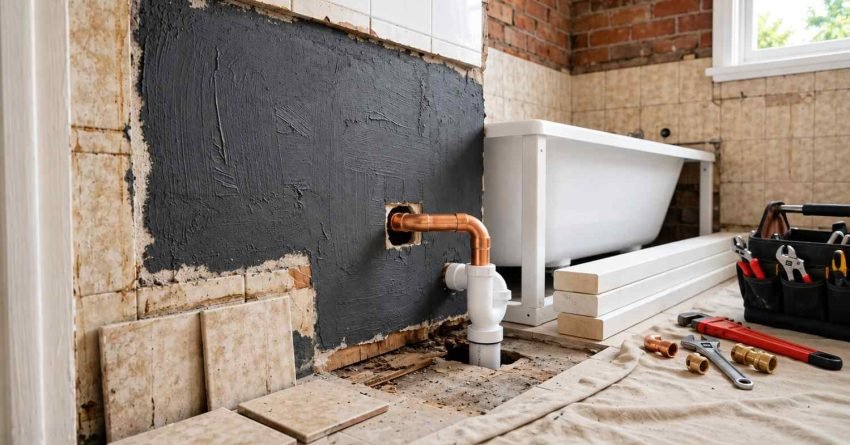
Replacing a bathtub in Sydney typically costs between $1,500 and $5,000 all-in, and that range shifts significantly depending on your bath type, access conditions, and how much tiling and waterproofing work the removal exposes. I’ve seen straightforward swaps come in at the lower end and complex freestanding installations with full wall retiling push well past $4,000. Knowing what drives that number before you start is the difference between a smooth project and a budget blowout.
Most homeowners underestimate what’s actually involved. This isn’t a one-trade job; it pulls in plumbers, tilers, and sometimes a builder, all coordinated around a single fixture.
In this guide, I’ll walk you through the full removal and replacement process, break down realistic cost ranges for Sydney, and flag the hidden expenses that catch most people off guard.
What Does Bathtub Removal and Replacement Involve?
Bathtub removal and replacement is the process of disconnecting and extracting an existing bath, preparing the substrate and plumbing, and installing a new unit including all associated waterproofing, tiling, and compliance work. It’s a multi-trade renovation task, not a simple fixture swap.
The scope is wider than most people expect. You’re not just pulling out one thing and dropping in another.
Scope of Work: What Tradies Actually Do
A licensed plumber disconnects the waste and overflow fittings, caps the supply lines, and later reconnects everything to the new bath. A tiler removes any wall tiles around the bath surround, prepares the substrate, and re-tiles once the new unit is in. Depending on the complexity, a builder or bathroom renovator coordinates the sequencing and handles any structural or waterproofing work that sits between those two trades.
Each trade has a defined role. Overlaps happen, but gaps in coordination are where cost blowouts start.
The job also includes waste removal; the old bath doesn’t disappear on its own, and cast iron units in older Sydney homes can weigh over 100kg.
When Removal Is Straightforward vs. When It Gets Complicated
A standard acrylic built-in bath in a modern bathroom with accessible plumbing and intact wall tiles is about as simple as this job gets. The plumber disconnects, the bath comes out in one piece, and the new unit goes in with minimal disruption.
Complications arrive fast in older homes. Corroded plumbing, asbestos-containing wall sheeting, cracked waterproofing membranes, and cast iron baths that need cutting before removal all add time and cost. Tight access to a bathroom with no direct exterior wall or a bath wedged into a corner alcove makes every step harder.
I always recommend budgeting a contingency of 10–15% for what the walls reveal once the old bath is out.

The Bathtub Removal and Replacement Process: Step by Step
The process follows a logical sequence, and skipping or rushing any step creates problems downstream. Here’s how a properly managed bathtub replacement runs from start to finish.
Step 1: Site Preparation and Protection
Before anything is touched, the bathroom floor, vanity, and any adjacent surfaces get protected. Drop sheets go down, the water supply to the bathroom is isolated, and the work area is cleared. This step takes less than an hour but prevents damage that costs far more to fix.
Good tradies also do a visual assessment here, checking for signs of water damage, soft substrate, or existing waterproofing failure before committing to a scope.
Step 2: Disconnecting Plumbing and Removing the Old Bath
The plumber disconnects the waste trap, overflow assembly, and any tap connections. Once plumbing is clear, the bath surround tiles are removed carefully if they’re being salvaged, less carefully if they’re being replaced. The bath itself is then lifted, slid, or, in the case of cast iron, cut and removed in sections.
This is the step where hidden problems surface. Rotted floor sheeting, failed waterproofing, and corroded waste pipes all show up here.
Step 3: Substrate and Waterproofing Assessment
Once the old bath is out, the substrate, typically compressed fibre cement sheet or tile backer board, is inspected for damage. Any compromised sheeting is replaced. Waterproofing is then applied to the bath recess and wet area walls in compliance with AS 3740, the Australian standard for waterproofing of domestic wet areas.
This step is non-negotiable. Skipping or cutting corners on waterproofing creates long-term water damage that costs multiples of the original saving to repair.
Step 4: Installing the New Bathtub
The new bath is positioned, levelled, and secured. For built-in baths, this means setting the unit into the alcove and fixing it to the wall frame. For freestanding baths, it means positioning on a finished floor with waste and supply connections planned in advance, which is why freestanding installations require more upfront planning.
Waste and overflow fittings are connected at this stage, and the bath is checked for level before any tiling begins.
Step 5: Plumbing Reconnection, Sealing, and Final Checks
The plumber reconnects the waste to the existing drain, installs the tap set, and tests for leaks under pressure. The tiler then completes the wall tiling around the bath surround and applies silicone sealant at all junctions: bath-to-wall, bath-to-floor, and any internal corners.
Final checks include a water test, a visual inspection of all seals, and confirmation that the waste drains freely. A well-run job ends with a clean, watertight installation and no outstanding defects.
How Much Does Bathtub Removal and Replacement Cost in Sydney?
Cost is the question I get asked most, and the honest answer is that it depends on more variables than most people want to hear. But there are realistic ranges that apply to the Sydney market, and understanding them helps you budget accurately.
Typical Cost Ranges for Sydney Homeowners
For a standard built-in acrylic bath replacement in a straightforward Sydney bathroom, expect to pay between $1,500 and $2,500 for labour and installation, plus the cost of the bath itself. Mid-range acrylic baths run $400 to $1,200 from suppliers. Add tiling, waterproofing, and waste removal, and a complete job typically lands between $2,500 and $4,500.
Freestanding bath installations sit higher, often $4,000 to $7,000 or more because of the additional plumbing complexity, floor waste requirements, and the cost of the bath itself, which can range from $800 for entry-level to $5,000+ for stone resin or designer units.
These are Sydney-market figures. Regional pricing varies, but Sydney labour rates consistently sit at the upper end of the national range.
What Drives the Price Up or Down
The single biggest cost variable is what the walls and floor reveal once the old bath is removed. Intact waterproofing and substrate means the job stays on budget. Failed waterproofing, rotted sheeting, or corroded plumbing means additional materials and labour that weren’t in the original quote.
Bath type is the second major driver. A like-for-like acrylic replacement is the most cost-efficient option. Switching from a built-in to a freestanding bath changes the plumbing layout, floor waste position, and tiling scope, all of which add cost.
Access is the third. Bathrooms on upper floors, with no direct exterior access, or in older homes with narrow doorways, add time and complexity to every step.
Labour Costs: What You’re Paying For
Labour is typically the largest single line item in a bathtub replacement. In Sydney, trade rates reflect both skill level and licensing requirements, and this job requires licensed trades, not handymen.
Plumber vs. Tiler vs. Builder: Who Does What
A licensed plumber in Sydney charges between $120 and $180 per hour, and a bathtub replacement typically requires 4 to 8 hours of plumbing work across disconnection, reconnection, and testing. That puts plumbing labour alone at $480 to $1,440 depending on complexity.
Tiling labour runs $60 to $120 per hour or is often quoted per square metre at $60 to $100/m². The bath surround area in a standard bathroom is typically 3 to 6 square metres, so tiling labour adds $180 to $600 at minimum, more if the full bathroom is being retiled.
A builder or bathroom renovator coordinating the full job adds a project management margin, but also reduces the risk of sequencing errors between trades. For a full replacement with multiple trades, a coordinated quote from a single contractor is almost always more cost-efficient than managing three separate trades yourself.

Material and Bathtub Selection: How It Affects Your Budget
The bath you choose has a direct impact on both the purchase price and the installation cost. These two numbers don’t always move in the same direction.
Freestanding vs. Built-In vs. Drop-In Baths
Built-in baths, the standard alcove installation, are the most cost-efficient to install. The plumbing is straightforward, the surround tiles are manageable, and the bath itself is typically the most affordable option. This is the right choice when budget is the primary driver.
Freestanding baths are a design statement, and they come with a higher installation cost to match. The floor waste needs to be in the right position, the supply lines need to be routed through the floor or wall, and the bath itself costs more. They look exceptional in the right bathroom, but the total cost is meaningfully higher.
Drop-in baths sit in a tiled deck or surround and require a custom-built frame. They’re less common in Sydney residential renovations but suit certain design briefs. Installation complexity sits between built-in and freestanding.
Material Choices and Their Price Points
Acrylic is the most common material in Australian residential bathrooms: lightweight, warm to the touch, easy to install, and available from $300 to $1,500 for standard sizes. It’s the practical choice for most replacement projects.
Fibreglass is similar to acrylic in weight and installation but generally less durable over time. It sits at a similar price point and is less common in new installations.
Cast iron baths are heavy, durable, and retain heat exceptionally well. They’re found in older Sydney homes and are a premium choice for new installations, typically starting at $2,000 and running well above $5,000 for quality units. The weight also adds to installation complexity.
Stone resin baths offer a high-end aesthetic with excellent heat retention. They’re heavier than acrylic, require careful floor load assessment, and start at $1,500 for entry-level and climb steeply from there.
Hidden Costs Homeowners Frequently Miss
The quoted price for a bathtub replacement is rarely the final price. There are predictable additional costs that appear on almost every job, and knowing them in advance means they don’t become surprises.
Waterproofing, Tiling, and Wall Repairs
Waterproofing is required by Australian standards whenever a wet area is disturbed. If the existing membrane is intact and undamaged, it may be possible to patch and extend it. If it’s failed, which is common in bathrooms over 10 years old, a full re-membrane is required. Budget $300 to $800 for waterproofing materials and labour in a standard bath recess.
Wall tiles around the bath surround are almost always disturbed during removal. Even careful extraction damages grout lines and occasionally tiles. Budget for at least partial retiling, and if the existing tiles are discontinued, a full retile may be the only option. Tile supply and installation for a bath surround adds $500 to $2,000 depending on tile selection and area.
Waste Removal, Access Challenges, and Compliance
The old bath needs to go somewhere. A standard acrylic bath can be broken down and disposed of in a general skip bin. A cast iron bath requires a dedicated heavy waste collection or cutting on-site before removal; both add cost. Budget $150 to $400 for waste removal depending on bath type and site access.
Access challenges upper-floor bathrooms, narrow hallways, or baths that can’t be removed whole- add labour time. Compliance costs apply if the work triggers a requirement for a licensed plumber’s certificate of compliance, which is standard in NSW for any plumbing work. This is not optional and should be included in any legitimate quote.

Is Bathtub Replacement Worth the Investment?
For most Sydney homeowners, yes, but the return depends on what you’re replacing, what you’re replacing it with, and the condition of the broader bathroom.
Return on Renovation Spend in Sydney Property
A dated or damaged bathtub is a visible detractor in any property appraisal or sale campaign. Buyers and renters notice it immediately, and it signals deferred maintenance across the whole bathroom. Replacing it with a clean, well-installed unit removes that negative signal and lifts the overall presentation of the space.
For owner-occupiers, the return is in daily use and comfort: a functional, watertight bath that doesn’t leak, stain, or look tired. For investors, a clean bathroom with a modern bath is a straightforward way to support rental yield and reduce vacancy risk.
The strongest return comes from a like-for-like replacement that brings the bathroom up to a contemporary standard without overcapitalising. A $10,000 freestanding bath installation in a $600,000 investment property is unlikely to return its cost. A $3,500 built-in replacement that makes the bathroom look 10 years newer almost always does.
Conclusion
Bathtub removal and replacement is a multi-trade project with a cost range that reflects real variables: bath type, substrate condition, access, and material selection all move the number. Understanding the process and the cost drivers puts you in control of the budget before work starts.
The hidden costs are predictable once you know what to look for. Waterproofing, tiling, and waste removal are part of almost every job, and budgeting for them upfront avoids the surprises that derail renovation timelines and finances.
At Sydney Home Renovation, we manage the full bathtub replacement process: trades, compliance, and cost transparency. Reach out to us for a detailed quote, and let’s get your bathroom renovation planned properly.
Frequently Asked Questions
How long does bathtub removal and replacement take?
Most standard bathtub replacements take one to two days across all trades. A straightforward built-in swap with no substrate damage runs closer to one day. Complex jobs with waterproofing, full retiling, or access challenges extend to two or three days.
Do I need council approval to replace a bathtub in Sydney?
In most cases, no. A like-for-like bathtub replacement is considered routine maintenance and does not require a development application in NSW. The plumbing work does require a licensed plumber and a certificate of compliance that’s a licensing requirement, not a council approval.
Can I keep the same plumbing when replacing a bathtub?
Often yes, if the new bath is the same type and size as the old one. Switching from a built-in to a freestanding bath, or changing the bath position, requires plumbing modifications. A licensed plumber assesses this during the quoting stage.
What is the cheapest bathtub option for a replacement?
A standard acrylic built-in bath is the most affordable option; units start from around $300 to $500 at trade suppliers, and installation is straightforward. The total installed cost for a basic like-for-like replacement in Sydney starts from around $1,500 to $2,000.
How do I know if my bathroom needs waterproofing after removal?
Every wet area disturbed during a bathtub removal requires waterproofing assessment. A licensed tradesperson inspects the membrane once the old bath is out. Failed, cracked, or absent waterproofing requires a full re-membrane before the new bath is installed; this is a compliance requirement under AS 3740, not optional.
Is it worth replacing a bathtub before selling a property?
Yes, in most cases. A damaged or dated bath is a visible negative in any buyer inspection. A clean, well-installed replacement costs far less than the price reduction a buyer will negotiate for a bathroom that needs work. The return is strongest when the rest of the bathroom is in reasonable condition.
What trades are involved in a bathtub replacement?
A standard bathtub replacement involves a licensed plumber for disconnection and reconnection, a tiler for wall and floor work, and sometimes a builder or bathroom renovator to coordinate the project and handle substrate or structural work. Working with a single contractor who manages all trades reduces coordination risk and usually delivers a better result.


