
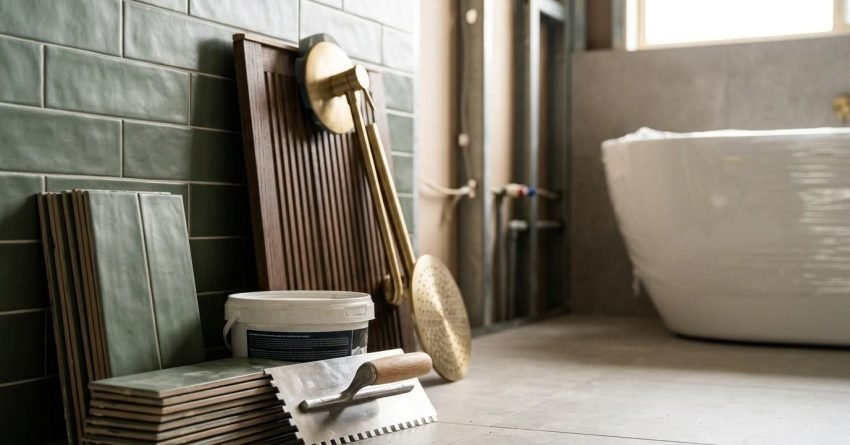
A realistic bathroom renovation budget in Australia ranges from $10,000 for a basic refresh to $60,000 or more for a high-end transformation. Most Sydney homeowners spend between $20,000 and $35,000 for a standard full renovation, including labour, materials, and fittings.
Understanding where your money goes is the difference between a smooth renovation and a budget blowout. With labour costs rising and material prices fluctuating, getting your numbers right from the start saves thousands.
This guide breaks down exactly what bathroom renovations cost in 2025, where your budget actually goes, which hidden expenses to plan for, how long the process takes, what value a renovation adds to your property, and how to set a realistic budget that delivers results without financial stress.
Average Bathroom Renovation Costs in Australia (2024–2025)
Quick answer: Bathroom renovation costs in Australia range from $10,000 for a cosmetic refresh to $60,000+ for a premium transformation. Most Sydney homeowners invest $20,000–$35,000 for a complete standard renovation, running 10–20% above the national average due to higher Sydney labour rates.
Bathroom renovation costs vary significantly based on scope, quality of finishes, and location. Industry data consistently places the national average between $17,000 and $35,000 for a standard renovation.
Sydney typically runs 10–20% higher than the national average due to increased labour rates and higher demand for skilled tradespeople.
Small Bathroom Renovation Costs ($10,000–$20,000)
A budget-friendly renovation works for bathrooms under 4 square metres needing cosmetic updates rather than structural changes.
This budget covers:
- Replacing existing fixtures in the same positions
- New tiles over existing substrate (where possible)
- Standard vanity, toilet, and tapware
- Basic lighting upgrades
- Fresh paint and finishing
You won’t be relocating plumbing or making layout changes at this price point. The key is working with what exists while refreshing the aesthetic.
Standard Bathroom Renovation Costs ($20,000–$35,000)
This is where most Sydney homeowners land. A standard renovation includes complete strip-out and rebuild with quality mid-range finishes.
Your budget covers:
- Full demolition and waste removal
- New waterproofing membrane (certified)
- Floor-to-ceiling tiling
- Quality vanity with stone benchtop
- Frameless shower screen
- Updated plumbing and electrical
- Good quality tapware and accessories
At this level, you achieve a modern, functional bathroom that adds genuine value to your property.
High-End Bathroom Renovation Costs ($35,000–$60,000+)
Premium renovations involve designer finishes, custom cabinetry, and potentially layout changes that require significant plumbing relocation.
Expect to include:
- Custom joinery and vanities
- Premium natural stone or large-format tiles
- Underfloor heating
- Smart fixtures and digital shower systems
- Freestanding bathtubs
- High-end tapware brands
- Niche shelving and custom storage
Layout modifications push costs higher because moving plumbing and drainage involves structural work and additional compliance requirements.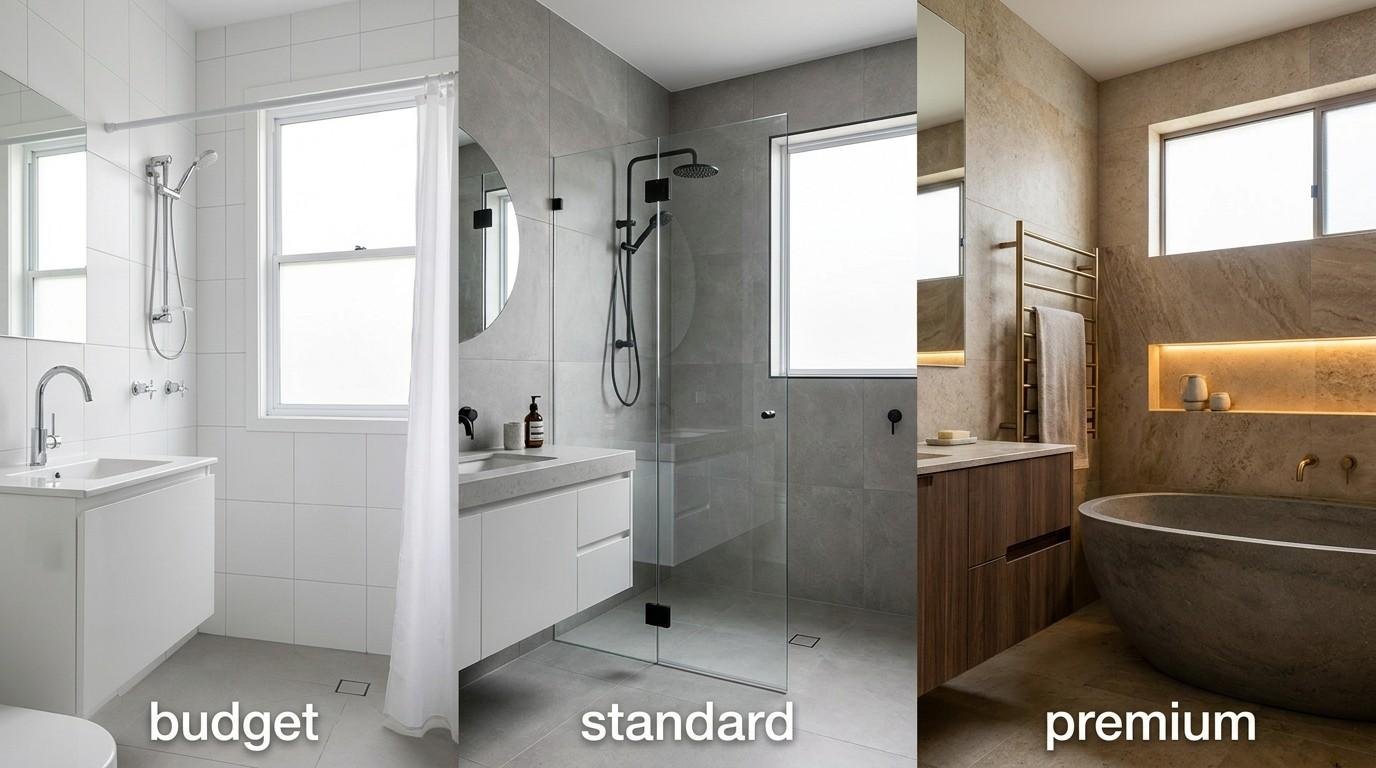
Complete Cost Breakdown: Where Your Budget Actually Goes
Understanding cost allocation helps you make informed decisions about where to invest and where to economise.
How Bathroom Size Affects Your Total Cost
Size is one of the most direct cost multipliers in any bathroom renovation. A 3 sqm bathroom and a 7 sqm bathroom at the same finish level carry very different price tags because labour hours, tile quantities, and waterproofing area all scale with floor space.
As a working rule, tiling alone runs $50–$80 per square metre for installation, and a standard bathroom requires 25–30 sqm of tiles once walls are included. Every extra square metre of floor space adds roughly $1,500–$3,000 to your total cost when you factor in additional tiling, waterproofing, and trade time.
Labour Costs (40–50% of Total Budget)
Labour represents the largest portion of any bathroom renovation. In Sydney, expect to pay premium rates for qualified tradespeople.
- Plumber fees: $80–$120 per hour. A full bathroom renovation requires 20–40 hours of plumbing work depending on complexity. Relocating fixtures adds significantly more time.
- Electrician fees: $75–$110 per hour. Budget for 8–16 hours covering new circuits, lighting, exhaust fans, and heated towel rails.
- Tiler fees: $50–$80 per square metre for supply and installation. A standard bathroom with floor-to-ceiling tiles runs $2,500–$5,000 in tiling costs alone.
- Waterproofer fees: $50–$70 per square metre. Proper waterproofing is non-negotiable; it prevents catastrophic damage down the track.
- Builder/project manager fees: 10–15% of total project cost for coordination, scheduling, and quality control.
Materials and Fixtures (30–40% of Total Budget)
Material costs vary dramatically based on your selections. Here’s what to budget:
- Tiles: $30–$150 per square metre. A 6 sqm bathroom needs approximately 25–30 sqm of tiles (including walls), costing $750–$4,500.
- Vanity and cabinetry: $500–$4,000. Off-the-shelf options start around $500, while custom designs with stone tops reach $4,000+.
- Toilet: $300–$1,500. Wall-hung toilets cost more due to concealed cistern requirements.
- Shower screen: $400–$2,500. Frameless screens command premium pricing but deliver a cleaner aesthetic.
- Tapware and accessories: $500–$3,000. Quality tapware from brands like Caroma or Methven offers better longevity and warranty coverage.
Fittings and Finishing Touches (10–20% of Total Budget)
The finishing details complete your bathroom but are often underbudgeted.
- Lighting: $200–$1,000. LED downlights, vanity lighting, and feature pendants all add up.
- Mirrors: $150–$800. Shaving cabinets with integrated lighting cost more but add functionality.
- Towel rails and hooks: $100–$500. Heated towel rails require an electrical connection, adding installation costs.
- Paint and finishing: $300–$600. Moisture-resistant paint and proper preparation ensure longevity.
Hidden Costs That Blow Bathroom Renovation Budgets
These unexpected expenses catch homeowners off guard. Planning for them protects your budget.
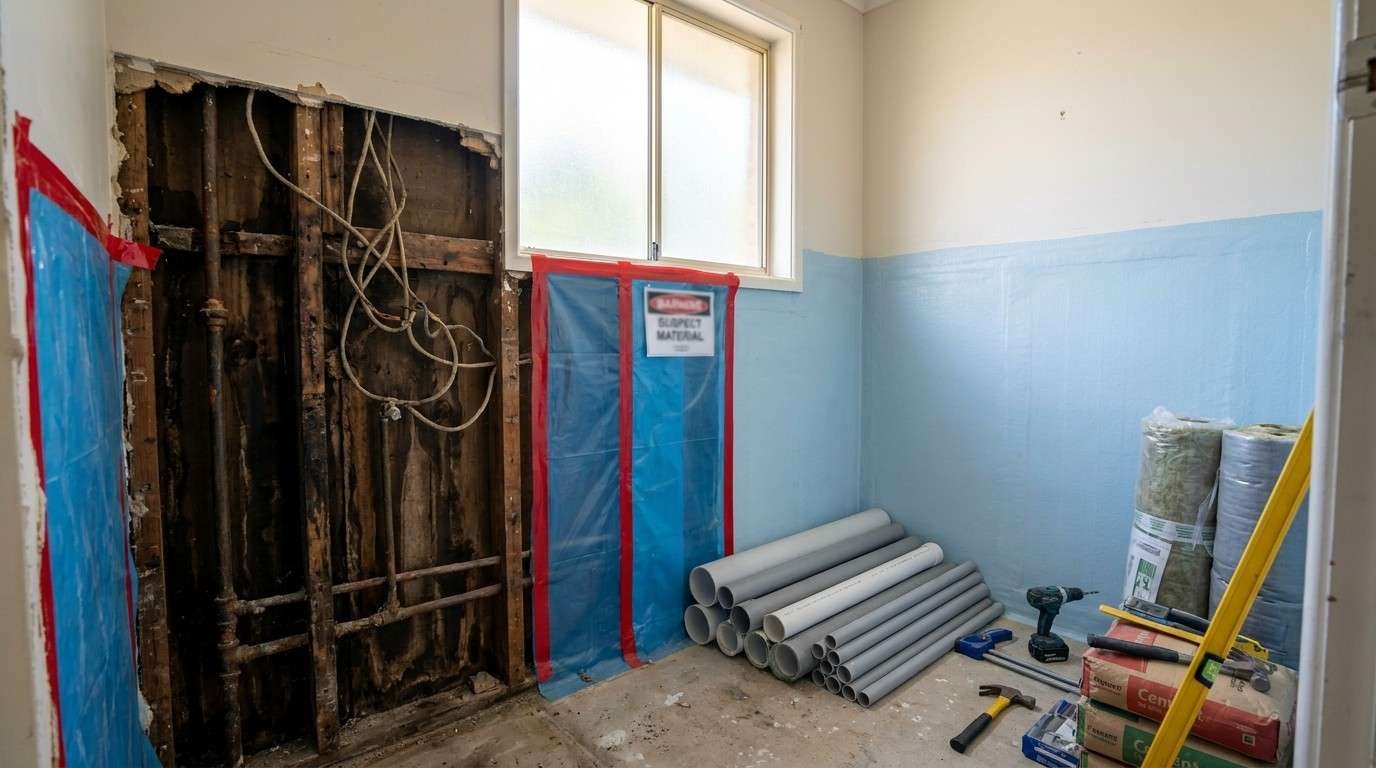
Asbestos Removal and Testing
Properties built before 1990 may contain asbestos in wall sheeting, floor tiles, or adhesives. Testing costs $50–$150 per sample. When asbestos is found, licensed removal ranges from $1,500–$5,000 depending on quantity and location.
Never skip testing in older homes. The health risks and legal requirements make this non-negotiable.
Structural Repairs and Water Damage
Once walls come down, hidden problems emerge. Water damage to framing, rotted floor joists, and termite damage are common discoveries.
Budget $1,000–$5,000 for potential structural repairs. Homes with previous water leaks or poor ventilation carry higher risk.
Plumbing and Electrical Upgrades
Older homes often have galvanised pipes, outdated wiring, or insufficient drainage capacity. Bringing services up to current standards adds $1,500–$4,000 to your budget.
Upgrading to a larger hot water system or adding a second bathroom circuit may be required.
Council Permits and Waterproofing Compliance
Most bathroom renovations don’t require development approval, but waterproofing certification is mandatory in NSW under AS 3740, the Australian Standard for waterproofing of wet areas. This standard specifies membrane type, application method, and minimum coverage, and a licensed waterproofer must certify compliance before tiling begins.
Budget $200–$500 for waterproofing certificates. Skipping certification creates problems with insurance claims and property sales. Changing the building footprint or adding a bathroom brings council approval into play, adding $500–$2,000 in fees and waiting time.
Temporary Bathroom Arrangements
With only one bathroom, you need alternatives during renovation. Portable toilet hire runs $150–$300 per week. Most renovations take 3–6 weeks, adding $450–$1,800 to your costs.
How Long Does a Bathroom Renovation Take in Sydney?
Timeline is one of the most underestimated planning factors in a bathroom renovation. A standard full renovation in Sydney takes 3–6 weeks from demolition to completion, but the sequence of trades is what drives that timeline.
The typical order runs: demolition and strip-out (days 1–3), rough-in plumbing and electrical (week 1), waterproofing and cure time (week 2 waterproofing membranes require 48–72 hours minimum cure before tiling), tiling (week 2–3), fixture installation and fit-off (week 3–4), and final inspections and certification (week 4–5). Each trade depends on the one before it, so delays compound quickly.
Common causes of timeline blowouts include hidden structural damage discovered during demolition, material lead times for custom or imported tiles, trade scheduling gaps in busy periods, and waterproofing cure time being rushed. Cosmetic-only renovations with no plumbing relocation finish in 2–3 weeks. Layout changes involving drainage relocation extend timelines to 6–10 weeks due to additional structural and compliance work.
Does a Bathroom Renovation Add Value to Your Home?
A well-executed bathroom renovation consistently ranks among the highest-return home improvements in the Australian market. Industry consensus places the resale return at 50–80% of renovation cost, meaning a $25,000 renovation typically adds $12,500–$20,000 in property value, with the remainder recovered through faster sale and stronger buyer competition.
The return varies by property type and market conditions. In Sydney’s competitive inner-ring suburbs, a dated bathroom actively deters buyers and suppresses offers. A modern, compliant bathroom removes that objection entirely. For investment properties, a bathroom upgrade in the $15,000–$22,000 range typically lifts weekly rent by $20–$50, delivering a payback period of 6–10 years on the renovation cost alone.
The strongest returns come from renovations that address compliance (waterproofing certification, electrical safety), improve functionality (storage, ventilation, layout), and use timeless finishes rather than trend-driven selections. Over-capitalising spending $50,000+ on a bathroom in a suburb where comparable homes sell for $600,000 rarely recovers full cost at sale.
Bathroom Renovation Costs in Sydney: Regional Price Factors
Location significantly impacts your renovation budget within Greater Sydney.
Sydney Metro vs Regional NSW Pricing
Sydney metro areas command 15–25% higher labour rates than regional NSW. A $25,000 renovation in Newcastle might cost $30,000+ in Sydney’s inner suburbs.
This reflects higher operating costs, parking difficulties, and greater demand for skilled trades in metropolitan areas.
Inner City vs Outer Suburbs Cost Differences
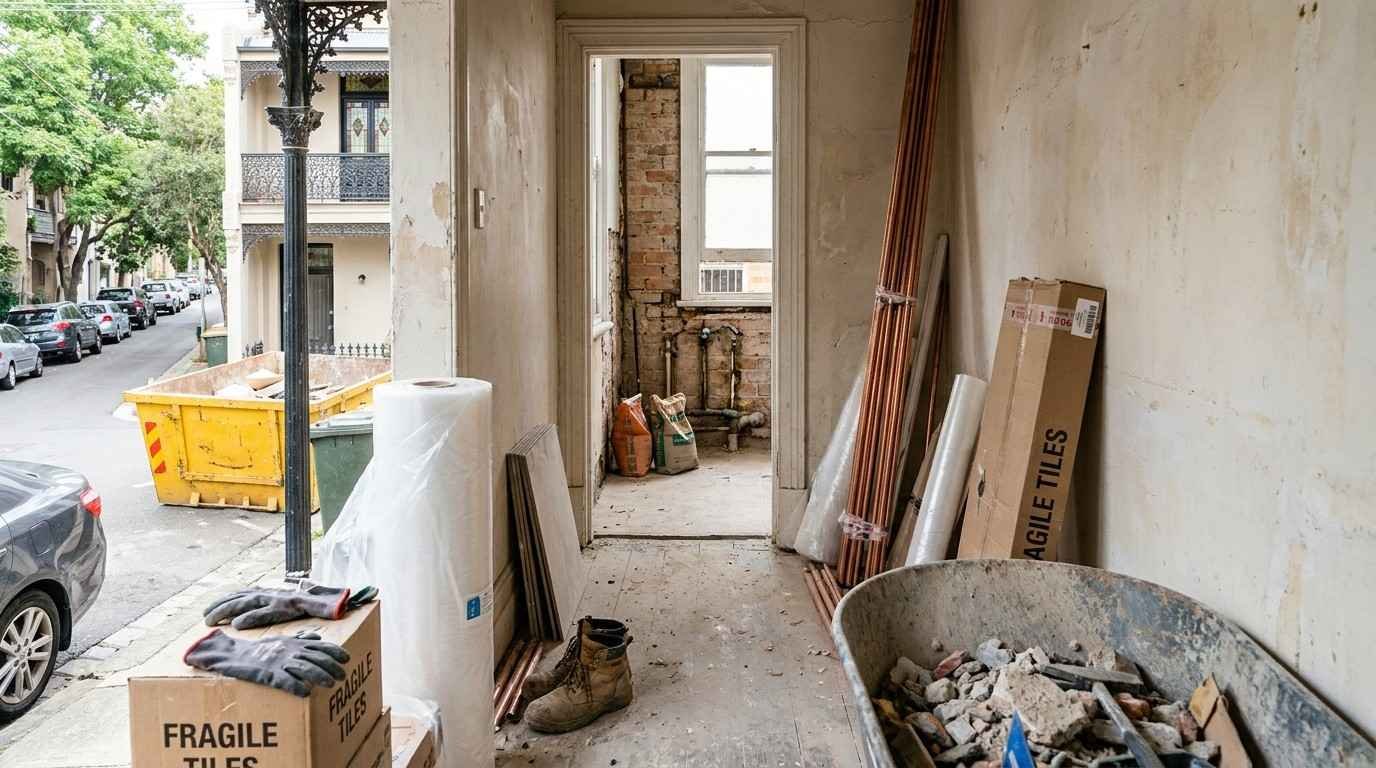
Inner city renovations in areas like Surry Hills, Newtown, or Balmain face additional challenges:
- Limited parking requiring permit costs
- Difficult access for material delivery
- Heritage considerations in older buildings
- Higher skip bin and waste removal fees
Outer suburbs like Penrith, Campbelltown, or the Hills District typically offer 10–15% lower overall costs due to easier site access and lower trade rates.
Access Difficulties and Site Conditions
Multi-storey buildings without lifts, narrow hallways, and heritage-listed properties all increase labour time and costs.
Expect $500–$2,000 in additional costs for difficult access situations. Crane lifts for bathtubs or large materials can add even more.
How to Set a Realistic Bathroom Renovation Budget
Follow this systematic approach to establish a budget that works.
Step 1: Assess Your Current Bathroom Condition
Before requesting quotes, honestly evaluate what you’re working with:
- Age of existing plumbing and electrical
- Condition of waterproofing (any signs of leaks?)
- Structural integrity of walls and floors
- Presence of asbestos-era materials
- Current layout functionality
Older bathrooms with unknown histories need larger contingency buffers.
Step 2: Define Your Renovation Scope
Be specific about what you want to achieve:
- Cosmetic refresh: New tiles, paint, fixtures in existing positions. Budget: $10,000–$18,000.
- Full renovation: Complete strip-out and rebuild with same layout. Budget: $20,000–$35,000.
- Layout change: Moving fixtures, expanding space, or reconfiguring. Budget: $35,000–$60,000+.
Scope creep is the biggest budget killer. Decide your scope before getting quotes and stick to it.
Step 3: Get Multiple Detailed Quotes
Request at least three quotes from licensed contractors. Each quote itemises:
- Labour costs by trade
- Material allowances with specifications
- Fixture selections with model numbers
- Timeline and payment schedule
- What’s included and excluded
Comparing like-for-like quotes reveals true value, not just the lowest price.
Step 4: Add a 15–20% Contingency Buffer
Unexpected discoveries happen in every renovation. A 15–20% contingency protects you from budget stress when surprises emerge.
On a $25,000 renovation, that’s $3,750–$5,000 held in reserve. If you don’t need it, you’ve got funds for upgrades or savings.
Step 5: Prioritise Value-Adding Upgrades
Not all spending delivers equal returns. Focus budget on:
- Quality waterproofing (prevents future damage)
- Good ventilation (protects against mould)
- Functional layout (daily usability)
- Timeless finishes (longevity over trends)
Trendy features that date quickly offer poor long-term value.
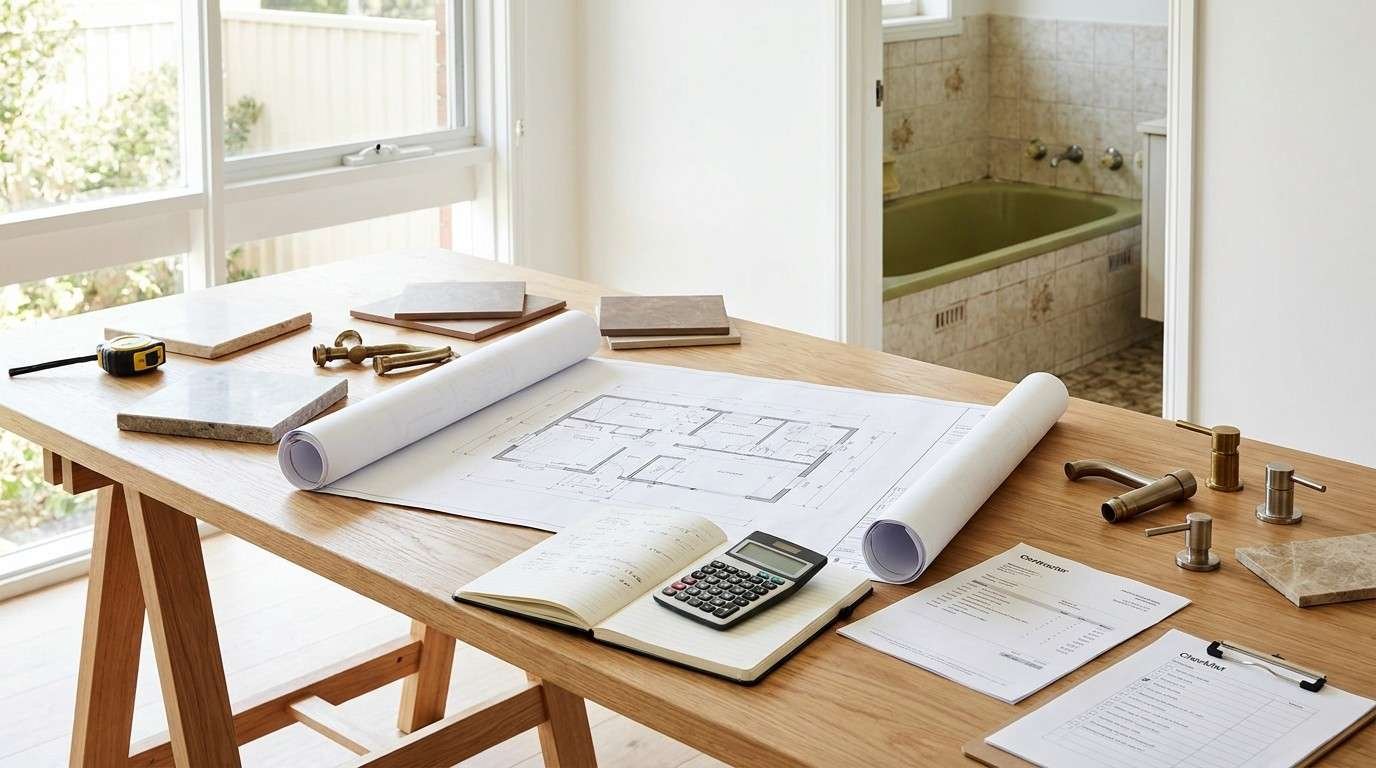
Budget Allocation Guide: Where to Spend and Where to Save
Strategic spending maximises your renovation outcome.
Worth the Investment (Don’t Cut Corners)
Waterproofing: This is your bathroom’s first line of defence. Cheap waterproofing fails, causing thousands in damage to floors, walls, and neighbouring rooms. Budget $1,500–$3,000 for proper membrane application and certification.
Quality tapware: You’ll use taps multiple times daily for 15+ years. Cheap tapware fails, drips, and looks dated quickly. Invest $800–$1,500 in quality brands with solid warranties.
Skilled tradespeople: Experienced, licensed tradespeople cost more but deliver better results with fewer callbacks. The cheapest quote often becomes the most expensive through rectification work.
Smart Savings Opportunities
Mid-range tiles: Designer tiles at $150/sqm look similar to quality options at $50–$80/sqm. Unless you’re specifically after a rare material, mid-range delivers excellent results.
Standard toilet designs: Premium toilets offer marginal benefits over quality standard options. A $400 toilet functions identically to a $1,200 model in most cases.
Off-the-shelf vanities: Custom vanities suit unusual spaces, but standard sizes from quality suppliers offer excellent value. Save $1,000–$2,000 by choosing ready-made options.
Bathroom Renovation Budget by Property Type
Your property purpose influences optimal budget allocation.
Owner-Occupier Bathroom Budgets
Living in the home long-term means investing in quality and features you’ll enjoy daily. Spending $25,000–$40,000 on a main bathroom makes sense when you’ll use it for 10+ years.
Consider:
- Underfloor heating for comfort
- Quality fixtures that last
- Layout optimised for your household
- Storage solutions for your needs
Investment Property Bathroom Budgets
Rental properties need durable, tenant-proof finishes rather than luxury features. Budget $15,000–$25,000 for a functional, attractive bathroom that appeals to renters.
Focus on:
- Hard-wearing tiles and grout
- Commercial-grade tapware
- Easy-clean surfaces
- Neutral colour schemes
Bathroom upgrades in competitive rental markets typically lift weekly rent by $20–$50, making the investment financially sound over a standard tenancy cycle.
First Home Buyer Bathroom Budgets
Working with limited funds means prioritising function over aesthetics. A $12,000–$18,000 renovation addressing waterproofing, plumbing, and basic finishes creates a liveable space you can upgrade later.
Avoid over-capitalising on your first property. Save premium renovations for your long-term home.
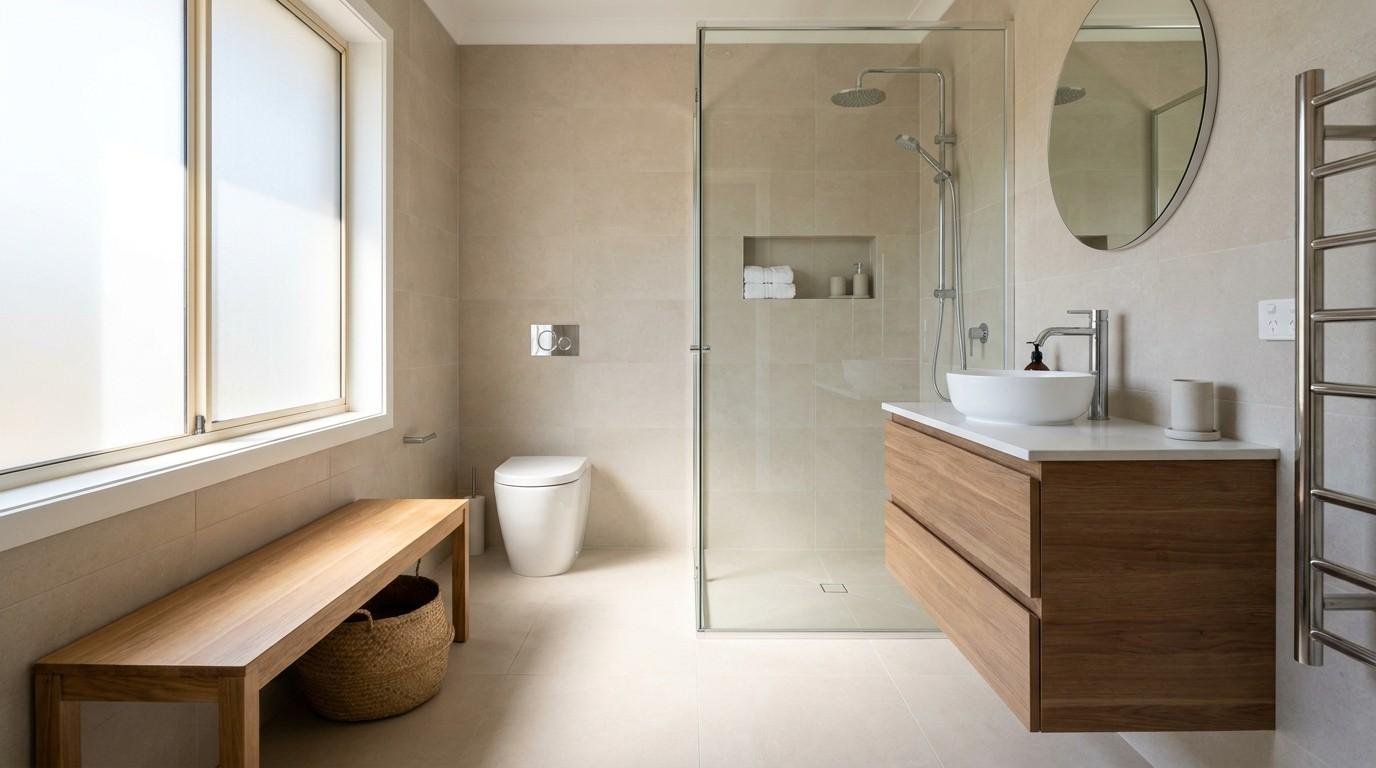
Common Budgeting Mistakes to Avoid
Learn from others’ expensive lessons.
Underestimating Labour Costs
Labour typically exceeds material costs in bathroom renovations. Many homeowners budget heavily for tiles and fixtures while underestimating installation expenses.
Always get itemised quotes showing labour separately from materials.
Choosing the Cheapest Quote
The lowest quote often excludes essential items or uses substandard materials. When one quote is significantly lower than others, investigate why.
Missing waterproofing certification, unlicensed trades, or inadequate insurance create costly problems later.
Forgetting About Waterproofing Compliance
NSW requires waterproofing certification for all bathroom renovations. Skipping this step means:
- No compliance certificate
- Insurance claim rejections if water damage occurs
- Problems when selling the property
Budget for proper waterproofing from the start.
Making Changes Mid-Project
Changing tile selections, moving fixtures, or adding features mid-renovation triggers variation costs. Changes disrupt scheduling, require re-ordering, and add labour time.
Make all decisions before work begins. Live with your choices.
Not Getting Fixed-Price Contracts
Cost-plus or hourly rate contracts expose you to budget blowouts. Insist on fixed-price contracts with clearly defined scope.
Variations require written approval with costs agreed before work proceeds.
Attempting DIY on Licensed Trade Work
In NSW, plumbing, drainage, and electrical work are licensed trade work; it’s illegal to perform these tasks without the appropriate licence, regardless of your skill level. Unlicensed work voids insurance, fails compliance certification, and creates serious liability at sale.
The real cost of unlicensed work isn’t the saving on the day; it’s the rectification bill, the failed inspection, and the legal exposure that follow.
How to Get Accurate Bathroom Renovation Quotes
Quality quotes protect your budget and set clear expectations.
What a Detailed Quote Includes
Professional quotes specify:
- Itemised labour: Hours and rates for each trade
- Material allowances: Dollar amounts for tiles, fixtures, fittings
- Specific products: Brand names and model numbers
- Exclusions: What’s NOT included
- Timeline: Start date, duration, completion date
- Payment schedule: Deposit, progress payments, final payment
- Warranty information: Coverage periods and conditions
Vague quotes with lump-sum pricing hide important details.
How to Verify Your Contractor’s Licence in NSW
Every contractor performing bathroom renovation work in NSW requires a valid licence issued by NSW Fair Trading. You can verify a licence in seconds at the NSW Fair Trading licence check portal; search by name, business name, or licence number.
A licensed contractor carries the appropriate insurance, meets continuing education requirements, and is accountable to a regulatory body. Unlicensed operators offer none of those protections. Always verify before signing a contract, not after.
Questions to Ask Your Contractor
Before accepting any quote, ask:
- Are you licensed and insured? (Verify licence numbers)
- Who will actually do the work? (Subcontractors or employees?)
- What happens if we find hidden problems?
- How do you handle variations and changes?
- What’s your payment schedule?
- Can I see examples of similar completed projects?
- What warranties do you provide?
Red Flags in Renovation Quotes
Watch for warning signs:
- Large upfront deposits: More than a 10–20% deposit suggests cash flow problems
- No written contract: Verbal agreements offer no protection
- Pressure to decide quickly: Quality contractors don’t need high-pressure tactics
- Significantly lower than competitors: Something is missing, or corners will be cut
- Vague scope descriptions: “Bathroom renovation as discussed” isn’t a specification
- No licence or insurance details: Unlicensed work creates liability
Conclusion
A realistic bathroom renovation budget in Australia ranges from $10,000 for basic updates to $60,000+ for premium transformations, with most Sydney homeowners investing $20,000–$35,000 for quality results. Understanding cost breakdowns, planning for hidden expenses, and adding a 15–20% contingency buffer protects you from budget stress and project delays.
The difference between a successful renovation and a costly disaster comes down to preparation, clear communication, and working with experienced professionals who provide transparent pricing. Every dollar invested in proper planning saves multiples in avoided problems.
At Sydney Home Renovation, we provide detailed, transparent quotes with fully itemised costs so you know exactly where your budget goes. Contact us today for an obligation-free consultation and take the first step toward your finished bathroom.
Frequently Asked Questions
How much does a basic bathroom renovation cost in Australia?
A basic bathroom renovation costs between $10,000 and $20,000, covering cosmetic updates like new tiles, fixtures, and paint without relocating plumbing or making structural changes.
What is the most expensive part of a bathroom renovation?
Labour costs are the most expensive component, consuming 40–50% of your total budget across plumbing, electrical, tiling, and waterproofing trades.
How long does a bathroom renovation take in Sydney?
A standard bathroom renovation takes 3–6 weeks from demolition to completion. Cosmetic updates finish in 2–3 weeks; layout changes extend to 6–10 weeks.
Can I renovate a bathroom for $10,000?
Yes, for $10,000 you keep fixtures in existing positions and choose budget-friendly materials. Prioritise waterproofing and quality installation over premium finishes.
Does a bathroom renovation add value to your home?
Yes. Industry consensus places the resale return at 50–80% of renovation cost, with the remainder recovered through faster sale and stronger buyer competition.
How much contingency should I add to my bathroom budget?
Add 15–20% contingency to your budget. On a $25,000 renovation, hold $3,750–$5,000 in reserve for unexpected discoveries.
Is it cheaper to renovate or replace a bathroom?
Renovation is almost always cheaper. Adding a new bathroom costs $20,000–$50,000 due to new plumbing runs and structural work; renovating uses established services.
How do I find a licensed bathroom renovator in Sydney?
Verify any contractor’s licence at the NSW Fair Trading licence check portal before signing anything. Search by name or licence number and confirm their insurance is current.


