Office renovation in Sydney typically costs between $800 and $3,500 per square metre, depending on the scope of work, existing condition of the space, fitout specification, and the trades required. A basic refresh sits at the lower end. A full commercial fitout with structural changes, new services, and premium finishes pushes well beyond it.
Understanding where that range comes from is what separates a well-planned renovation budget from one that runs out before the job is done. We find the variables are predictable once you know what to look for, and getting clear on them early is the single most effective way to protect your budget from the start.
How Much Does an Office Renovation Cost in Sydney?
In Sydney, office renovation costs range from $800 to $1,500 per sqm for a cosmetic refresh, $1,500 to $2,500 per sqm for a mid-range fitout with new partitioning, flooring, and services upgrades, and $2,500 to $3,500 or more per sqm for a full commercial renovation involving structural changes, custom joinery, and high-specification finishes. A 100 sqm office at mid-range specification typically costs between $150,000 and $250,000 all-in.
Cost Per Square Metre Breakdown
| Renovation Tier | Cost Per Sqm | Typical Scope |
| Cosmetic refresh | $800–$1,500 | Paint, flooring, lighting, minor joinery |
| Mid-range fitout | $1,500–$2,500 | Partitioning, new services, kitchen, bathrooms |
| Full commercial renovation | $2,500–$3,500+ | Structural changes, custom fitout, premium finishes |
These figures reflect Sydney market rates for 2025 and include labour, materials, and standard project coordination. They exclude GST, council fees, and any specialist consultancy costs such as structural engineering or hydraulic design.
GST is applied on top of the base construction cost at the standard rate, and most commercial tenants can claim input tax credits if the space is used for taxable business purposes. We recommend confirming your specific position with an accountant before finalising a budget, since GST treatment can shift the real out-of-pocket figure noticeably.
Smaller offices often cost more per square metre than larger ones. Fixed costs like project setup, site protection, and trade mobilisation are spread across fewer square metres, which pushes the per-sqm rate up even when the scope is modest.
What Drives the Price Up or Down
The condition of the existing space is the biggest variable we see. A well-maintained tenancy with modern services costs significantly less to renovate than one with outdated electrical, aging plumbing, or asbestos-containing materials requiring remediation.
Scope creep is the second major driver. Projects that begin as a cosmetic refresh frequently expand once walls are opened and defects are discovered. Defining the scope in writing before work begins is the most reliable way to hold the budget.
Other key cost variables include ceiling height and access complexity, the number of wet areas being added or relocated, the specification tier of finishes and joinery, and whether the building requires a development application or construction certificate before work can proceed. We assess all of these factors against each other before pricing, because a detailed scope assessment is essential, not optional.
Where Your Office Renovation Budget Actually Goes
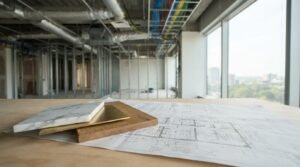
Most clients are surprised by how the budget distributes across a renovation. The visible finishes flooring, paint, joinery represent only a portion of the total spend. The majority of the cost sits in labour, services, and coordination.
Labour, Trades, and Project Management
Labour typically accounts for 40 to 60 percent of a commercial renovation budget in Sydney, a figure consistent with national benchmarks reported by Master Builders Australia. That figure includes the builder, electrician, plumber, plasterer, tiler, and any specialist trades required for HVAC, data cabling, or fire services.
Project management adds a further 10 to 15 percent on most mid-to-large projects. This covers programme coordination, trade scheduling, compliance documentation, and site supervision. On complex projects, how trades and timelines are coordinated directly affects both the final cost and the delivery date. Poor coordination is one of the most common causes of budget overruns on commercial renovations.
Fitout, Finishes, and Hidden Costs
Materials and finishes typically represent 30 to 45 percent of the budget. Within that, joinery and partitioning carry the highest cost per item. Custom joinery for reception desks, kitchen cabinetry, and storage walls can add $15,000 to $60,000 to a mid-range project depending on size and specification.
Hidden costs that regularly catch clients off guard include:
- Asbestos testing and removal in pre-2000 buildings
- Structural engineer fees for wall removal or load-bearing changes
- Hydraulic and electrical upgrade costs when services are undersized
- Temporary relocation or after-hours work to minimise business disruption
- Statutory fees including development applications, construction certificates, and occupation certificates
Budgeting a 10 to 15 percent contingency on top of your base estimate is standard practice on commercial projects, a margin supported by guidance from the NSW Government’s building and construction resources. It is not pessimism. It is how experienced renovators protect themselves from the unexpected.
Furniture, Fixtures, and Equipment Costs
Furniture, fixtures, and equipment (FF&E) sit outside the base construction cost but still shape your total spend. Desks, chairs, storage systems, and breakout furniture typically add $3,000 to $8,000 per workstation, depending on quality and supplier.
We treat FF&E as a separate line item from day one. Bundling it into the construction budget makes it harder to see where the money is actually going, and it is one of the easiest areas to scale up or down if the overall budget needs adjusting.
Make-Good Obligations and Lease Considerations
If you are renovating a leased tenancy, your lease agreement may include a make-good clause requiring the space to be returned to its original condition at lease end. This cost is rarely factored into renovation budgets, yet it can run into tens of thousands of dollars for a heavily modified fitout.
We recommend reviewing your lease terms before finalising renovation plans, particularly if structural changes or custom joinery are involved. Understanding your make-good exposure upfront can also inform smarter design decisions; some fitout elements can be planned for easier removal later, reducing that future cost.
How to Budget Realistically for an Office Renovation
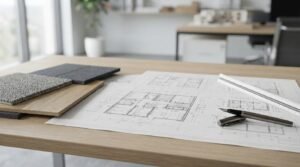
Start with a clear scope document before requesting any quotes. Vague briefs produce vague pricing, and vague pricing produces budget blowouts. Define the floor area, the number of rooms being changed, the services being upgraded, and the finish specification you are targeting.
Get at least three itemised quotes from licensed builders with demonstrated commercial experience. Compare them line by line, not just as a total. A quote that is significantly lower than others is rarely a saving; it is usually a sign that scope items have been excluded or that the contingency has been stripped out.
Prioritise spend on items that affect function and compliance first: electrical capacity, data infrastructure, lighting, and amenities. Cosmetic upgrades can be staged across future years if the budget is tight. Structural and services work cannot be easily deferred once the project is underway. For growing businesses, it is also worth weighing renovation costs against relocating entirely; sometimes a modest fitout on a better-suited existing lease outperforms a major renovation on a constrained one.
Conclusion
Office renovation costs in Sydney range from $800 to over $3,500 per square metre, shaped by scope, condition, specification, and trades complexity. Knowing the variables gives you control over the outcome.
For homeowners, investors, and business owners moving into the planning phase, planning your office renovation scope before committing to a budget is the step that separates confident projects from costly ones.
At Sydney Home Renovation, we provide transparent, itemised cost planning from the first conversation, so you know exactly what you are building and what it will cost before a single trade sets foot on site.
Frequently Asked Questions
How long does an office renovation take in Sydney?
A cosmetic refresh typically takes two to four weeks. A mid-range fitout runs six to ten weeks. Full commercial renovations with structural changes can take three to six months depending on scope and approvals.
Can I renovate an office while staff are still working?
Yes, with careful staging and after-hours scheduling. Most commercial renovators in Sydney offer staged programmes that isolate work zones and minimise disruption to daily operations throughout the project.
What is the cheapest way to renovate an office?
Focus on cosmetic upgrades first: paint, flooring, and lighting deliver the highest visual impact at the lowest cost. Avoid relocating wet areas or structural walls, as services and structural work carry the highest labour costs.
Do I need council approval for an office renovation in Sydney?
Minor cosmetic work generally does not require approval. Structural changes, additions, or changes to the building’s use class typically require a development application or construction certificate from your local council or a private certifier.
How do I get an accurate quote for an office renovation?
Prepare a written scope of works with floor plans, a finish schedule, and a clear brief before approaching builders. Itemised quotes from at least three licensed commercial builders allow meaningful comparison and reduce the risk of scope gaps.