Choosing between a home extension and a second-storey addition is one of the most significant decisions a Sydney homeowner can make. The right answer depends on your block size, budget, council zone, and long-term property goals, and getting it wrong can cost tens of thousands of dollars and months of delays. Both options add space and value, but they work in fundamentally different ways, carry different costs, and suit different sites.
This guide breaks down what each option involves, what it costs in Sydney, how council approvals differ, and which choice is likely to deliver the strongest return for your property.
What Is a Home Extension?
A home extension, also called a ground-floor extension or rear extension, adds new living space by building outward from your existing footprint. Rather than going up, you expand horizontally across your block, typically to the rear or side of the existing structure.
Extensions suit properties with adequate land area, single-storey homes where going up is structurally complex, and homeowners who want to avoid the disruption of a full second-storey build. Common uses include expanding a kitchen and living area, adding a master bedroom wing, or creating an open-plan family room that connects to an outdoor entertaining space.
The key constraint is land. A home extension consumes part of your block, reduces your outdoor space, and must comply with council setback requirements and site coverage limits. On a compact or heavily built block, a ground-floor extension is often not feasible without sacrificing too much yard.
Types of Ground-Floor Extensions in Sydney
The most common ground-floor extension types in Sydney include rear extensions that push the back of the home outward, side extensions that fill unused side setback space, and wraparound extensions that combine both directions. Modular or prefabricated additions are also gaining traction for projects where speed and cost control are priorities. Each type carries different structural implications, approval pathways, and cost profiles depending on your existing home’s construction and your council’s local environmental plan.
What a Home Extension Typically Costs in Sydney
In Sydney, a ground-floor home extension generally costs between $2,500 and $4,500 per square metre for a standard build, with high-specification finishes pushing costs toward $5,000 per square metre or beyond. A modest 40 sqm rear extension runs $100,000 to $180,000 fully completed, including structural work, finishes, and connections to existing services.
Costs vary significantly based on soil conditions, existing slab type, the complexity of connecting to the current structure, and the level of finish specified. Understanding the full home extension cost breakdown, including labour, materials, and hidden expenses, is essential before committing to either path.
What Is a Second-Storey Addition?
A second-storey addition builds new living space vertically by adding a full or partial upper level to an existing single-storey home. Rather than consuming land, it uses the existing footprint to create additional floor area above, making it the preferred solution for smaller blocks where horizontal expansion is limited or not permitted.
Second-storey additions are particularly common in Sydney’s inner and middle-ring suburbs, where block sizes are modest, but property values are high enough to justify the investment. They add bedrooms, bathrooms, a home office, or a complete upper-level living zone, fundamentally transforming the home’s size and layout without reducing the outdoor area.
The trade-off is structural complexity. Adding a second storey requires a thorough assessment of the existing home’s foundations, walls, and roof structure to determine whether they support the additional load. In many cases, structural upgrades to the ground floor are required before the upper level is built, which adds cost and time to the project.
What Goes Into a Second-Storey Build
A second-storey addition involves removing the existing roof, assessing and potentially reinforcing the ground-floor structure, constructing the new upper-level frame, installing a new roof, and completing all internal fit-out, including stairs, bedrooms, bathrooms, and any living areas. The project also requires reconnecting or extending all services: plumbing, electrical, and HVAC to the new level. Temporary weatherproofing during construction is essential, and most families remain in the home during the build, which requires careful staging and site management.
What a Second-Storey Addition Typically Costs in Sydney
Second-storey additions in Sydney typically cost between $3,000 and $5,500 per square metre, reflecting the structural complexity, roof removal and replacement, and the need to upgrade existing ground-floor elements. A full second-storey addition of 80–100 sqm ranges from $240,000 to $550,000 depending on the scope of structural works required, the specification of finishes, and whether the ground floor also requires reconfiguration.
Partial second-storey additions over a portion of the existing footprint reduce costs but still carry significant structural and approval requirements. We walk every client through a detailed second-storey addition cost estimate before any commitment is made.

Key Differences Between a Home Extension and a Second-Storey Addition
The choice between extending out and building up comes down to five core factors: land availability, structural feasibility, council approval requirements, construction disruption, and cost. Neither option is universally better; the right choice depends on your specific site, budget, and lifestyle priorities.
| Factor | Home Extension | Second-Storey Addition |
| Land required | Yes, consumes block area | No, uses existing footprint |
| Structural complexity | Low to moderate | Moderate to high |
| Council approval | CDC or DA depending on size | DA typically required |
| Construction disruption | Moderate – rear of home | High – roof removed |
| Cost per sqm (Sydney) | $2,500–$4,500 | $3,000–$5,500 |
| Timeline | 3–6 months typical | 6–12 months typical |
| Best suited to | Larger blocks, single-storey | Smaller blocks, high land value |
Land Use and Site Constraints
A home extension reduces your usable outdoor area and must comply with your council’s site coverage limits, typically 50–60% of the total block area in most Sydney local government areas, though this varies by zone and council. If your block is already close to the maximum permitted coverage, a ground-floor extension is not approvable regardless of your preference.
Beyond site coverage, your council’s Floor Space Ratio (FSR) sets a ceiling on the total floor area permitted relative to your block size. A second-storey addition increases your total floor area and must stay within the FSR limit, but because it does not increase the building’s footprint on the ground, it does not consume site coverage. On a constrained block, this makes a second-storey addition the only viable path to adding significant floor area.
Council Approvals and Planning Requirements
Both options require council approval in most cases, but the pathway differs. Smaller home extensions qualify as Complying Development under the State Environmental Planning Policy (Housing), allowing approval through a private certifier without a full Development Application, typically within 20 business days. Second-storey additions more frequently require a full Development Application through your local council, which involves neighbour notification, a longer assessment period, and greater scrutiny of design, height, and setback compliance.
If your property sits within a heritage conservation area or carries a heritage overlay, both options face additional constraints. Heritage-listed homes and those in conservation precincts require a Statement of Heritage Impact alongside any DA, and design changes that alter the streetscape or roofline face closer scrutiny. This adds time and cost to the approval process regardless of which option you pursue.
Neighbour notification is a standard part of the DA process, and objections from adjoining owners can extend the assessment period or trigger conditions on your approval. Properties with shared boundaries on multiple sides carry a higher objection risk, particularly for second-storey additions that affect privacy and overshadowing.
Disruption, Timeline, and Livability During Construction
A ground-floor extension is generally less disruptive to daily life. Construction is typically confined to the rear or side of the home, and most families continue living in the property throughout the build with manageable inconvenience.
A second-storey addition is significantly more disruptive; the roof is removed, the upper level is exposed to weather during framing, and noise, dust, and access restrictions affect the entire home. Most second-storey builds take six to twelve months from approval to completion, compared to three to six months for a typical ground-floor extension.
How Sydney Homeowners Finance Extensions and Additions
Most Sydney homeowners fund a home extension or second-storey addition through one of three routes: a construction loan, a home equity loan, or a refinance that releases equity built up in the property. Construction loans draw down in stages as the build progresses, which reduces interest costs during the project. Home equity loans and cash-out refinancing suit homeowners with significant equity who want a simpler drawdown structure.
For projects above $300,000, a construction loan arranged through your mortgage broker before design is finalised gives you a firm budget ceiling and avoids the risk of committing to a scope you cannot fund. We recommend getting finance pre-approved before requesting builder quotes; it keeps negotiations grounded in what you can actually spend.
Renovation finance is a specialist area, and the right structure depends on your existing loan, your equity position, and your lender’s construction loan terms. Speaking with a mortgage broker experienced in renovation lending is the most reliable first step.
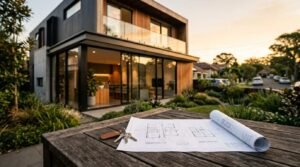
Which Option Adds More Value to Your Sydney Property?
Both home extensions and second-storey additions deliver strong returns in the Sydney market, but the value uplift depends heavily on the suburb, the existing home’s size relative to the land, and the quality of the finished result.
In high-density inner-city and middle-ring suburbs where land is scarce, and block sizes are small, a second-storey addition that significantly increases floor area often delivers a stronger return on investment. Adding two or three bedrooms and a second bathroom to a previously single-storey home moves the property into a higher price bracket and attracts a broader buyer pool.
In outer suburban areas where blocks are larger and single-storey living is the norm, a well-designed ground-floor extension that improves liveability, particularly an open-plan kitchen, dining, and living area connecting to outdoor entertaining, delivers excellent value without the premium cost of a second-storey build.
The right framing also depends on your exit strategy. Homeowners renovating to sell benefit most from bedroom count and bathroom additions, which directly affect comparable sales. Owner-occupiers renovating to live benefit most from liveability improvements: flow, light, and connection to outdoor space, which may not add the same dollar-for-dollar value at sale but deliver measurable quality-of-life returns throughout ownership. Investors targeting rental yield prioritise bedroom count and separate living zones above all else.
How to Choose the Right Option for Your Situation
Start with your block. If your site coverage is already at or near the council limit, a second-storey addition is likely your only viable path to adding meaningful floor area. If you have land to work with, a ground-floor extension is simpler, faster, and more cost-effective for the space you need.
Consider your structural starting point. Older homes, particularly those built before the 1970s, often require significant foundation and wall upgrades before a second storey is safely added, which pushes costs well beyond initial estimates. A structural engineer’s assessment early in the planning process is essential before committing to either option.
Factor in your timeline and livability requirements. If you need the project completed quickly or cannot manage the disruption of a full second-storey build, a ground-floor extension is the more practical choice. If maximising floor area on a small block is the priority and you can manage a longer build, a second-storey addition is worth the additional investment.
If neither option is feasible because the block is too constrained for an extension and the existing structure cannot support a second storey without prohibitive cost, a knockdown rebuild is worth assessing as a third path. It resets the structural equation entirely and is sometimes the most cost-effective route to a significantly larger home on a tight site. Strata-titled properties and townhouses are generally not eligible for either a ground-floor extension or a second-storey addition without owners’ corporation approval, which adds a separate layer of feasibility to assess before any planning begins.
Conclusion
The decision between a home extension and a second-storey addition comes down to your block, your budget, and your long-term property goals. There is no single right answer for every Sydney homeowner, and the wrong choice for your site results in cost overruns, approval delays, and a finished result that does not meet your needs.
Both options deliver significant value when planned and executed well. The key is matching the right solution to your specific site, structural reality, and financial position before a single quote is requested.
At Sydney Home Renovation, we help homeowners work through this decision with clear, honest guidance from initial feasibility and structural assessment through to full project delivery. Reach out to our team today, and we will tell you exactly which option makes sense for your property.
Frequently Asked Questions
Do I need council approval for a home extension in Sydney?
Most home extensions in Sydney require approval. Smaller extensions qualify as Complying Development, approved by a private certifier within 20 business days. Larger or more complex extensions require a full Development Application through your local council.
Can I add a second storey to any house in Sydney?
Not every home is structurally suitable for a second-storey addition without significant groundwork. Older homes need foundation reinforcement, wall upgrades, or beam replacements before an upper level is safely added. A structural engineer’s assessment is essential before committing to this option.
How long does a home extension take to build in Sydney?
A typical ground-floor home extension in Sydney takes three to six months from the start of construction to completion, depending on size and complexity. This timeline does not include the approval phase, which adds several weeks to several months depending on the pathway.
How long does a second-storey addition take in Sydney?
A second-storey addition in Sydney typically takes six to twelve months from approval to completion. The timeline reflects the structural complexity of the build, the roof removal and replacement phase, and the full internal fit-out of the new upper level.
Which is cheaper: a home extension or a second-storey addition?
On a per-square-metre basis, a home extension is less expensive than a second-storey addition in Sydney. Extensions typically cost $2,500–$4,500 per sqm compared to $3,000–$5,500 per sqm for a second-storey build, though total project costs depend on size, structural requirements, and finish specification.
Can I live in my home during a second-storey addition?
Most families remain in their home during a second-storey addition, but the disruption is significant. Roof removal, framing, and weatherproofing phases are the most disruptive, and noise, dust, and restricted access are ongoing throughout the build. Careful staging and clear communication with your builder are essential.
What adds more value: a home extension or a second-storey addition?
In Sydney’s inner and middle-ring suburbs where land is scarce, a second-storey addition that adds bedrooms and bathrooms typically delivers stronger value uplift by moving the property into a higher price bracket. In outer suburbs with larger blocks, a well-designed ground-floor extension focused on open-plan living delivers excellent returns at a lower cost.