
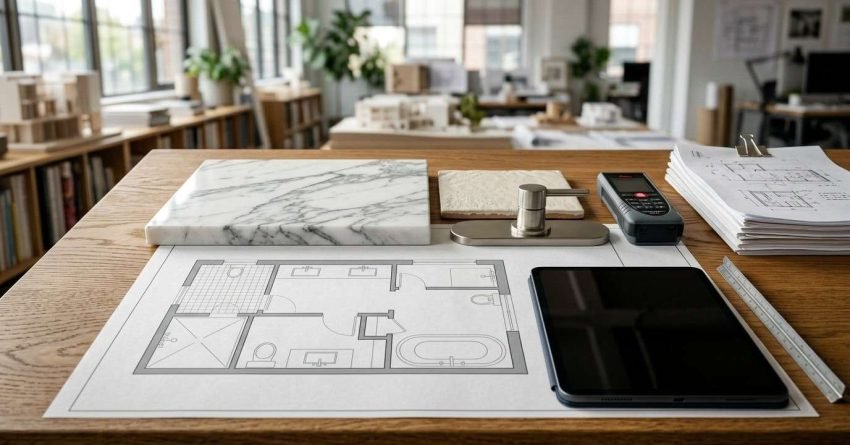
A full bathroom renovation in Sydney typically costs between $20,000 and $45,000, with most mid-range projects landing near $28,000 once labour, materials, fittings, and waterproofing are included. Costs shift with size, finish level, and structural changes.
This FAQ answers the questions Sydney homeowners and investors ask most real costs, labour breakdowns, fittings, hidden expenses, timelines, approvals, and long-term value returns.
Bathroom Renovation Cost Basics
How much does a bathroom renovation cost in Sydney?
Budget bathroom renovations start around $15,000–$20,000, mid-range projects sit between $25,000 and $35,000, and premium custom bathrooms commonly exceed $45,000. Final pricing shifts with bathroom size, layout changes, fixture quality, and tiling selections.
What’s the average price per square metre?
Sydney bathroom renovations generally run $3,500–$5,000 per square metre for a full strip-out and rebuild. Smaller bathrooms cost more per square metre because fixed costs like waterproofing, plumbing, and electrical work are concentrated in less space.
What’s included in a full bathroom renovation?
A full renovation covers demolition, plumbing, electrical, waterproofing, tiling, cabinetry, fixtures, fittings, ventilation, lighting, painting, and finishing trades. Every stage from design to handover involves coordinated sequencing across multiple licensed trades, so understanding each cost driver before committing to a budget protects your spend.
Is an ensuite renovation cheaper than a main bathroom?
Ensuite renovations typically cost $15,000–$28,000 compared to $20,000–$45,000 for a main bathroom, primarily because ensuites are smaller and often require fewer fixtures. The cost-per-square-metre rate is similar the total spend is lower because there is simply less floor area and wall coverage to complete.
Labour and Trades Costs
How much do bathroom tradespeople cost?
Licensed Sydney plumbers charge $100–$160 per hour, electricians $90–$130 per hour, tilers $70–$100 per hour, and carpenters $80–$120 per hour. A typical renovation requires six to eight different trades coordinated across two to three weeks.
Why does labour make up the biggest share of the budget?
Labour accounts for 40–55% of total bathroom renovation costs in Sydney because wet areas require multiple licensed trades, strict sequencing, and waterproofing certification. Compressed timelines and access challenges push labour higher than in dry-area renovations.
Do I need a licensed builder for a bathroom renovation?
In NSW, any residential renovation work valued over $5,000 must be carried out by a licensed builder under NSW Fair Trading regulations. Waterproofing must be done by a certified applicator, and plumbing and electrical work require licensed trades by law.
What waterproofing standards apply to Sydney bathrooms?
All Sydney bathroom renovations must comply with AS 3740-2021, the Australian Standard for waterproofing of domestic wet areas. This standard specifies membrane types, application methods, and curing requirements and compliance is verified by your certifier at the waterproofing inspection stage before any tiling begins.
How do I avoid unlicensed trades and renovation scams?
Verify every trade’s licence number on the NSW Fair Trading licence check before signing any contract. Legitimate contractors provide a written contract, itemised quote, and proof of home building compensation insurance for jobs over $20,000 if any of these are missing, walk away.

Materials, Fittings, and Fixtures
How much should I budget for tiles?
Allow $50–$120 per square metre for mid-range tiles and $30–$50 per square metre for tiling labour. A standard Sydney bathroom needs around 30–45 square metres of tile coverage including floor, walls, and shower recess.
What is a realistic PC (Prime Cost) allowance?
Mid-range Sydney bathrooms allocate $5,000–$9,000 for fittings including toilet, vanity, basin, tapware, shower screen, and accessories. Premium fittings push PC allowances above $15,000. Always confirm allowances are itemised in your contract.
Where can I save without compromising quality?
Keep the existing layout, choose mid-range tapware over designer brands, select large-format tiles to reduce labour, and stick with standard vanity sizes. The same cost logic applies across all wet areas material allowances for tiling, plumbing, and cabinetry follow consistent pricing patterns whether you are renovating a bathroom, ensuite, or laundry.
Hidden Costs and Budget Pitfalls
What hidden costs should I prepare for?
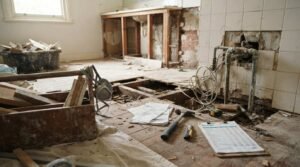
Common hidden costs include waterproofing repairs, asbestos removal in pre-1990 homes, hidden water damage, rotten subfloors, outdated plumbing rough-ins, and electrical compliance upgrades. These often add $3,000–$8,000 to the final invoice.
How much contingency should I add to my budget?
Always add a 15–20% contingency on top of your quoted price. For a $30,000 renovation, that means setting aside an additional $4,500–$6,000. When renovating multiple wet areas at the same time, shared trade scheduling and bundled waterproofing work reduce overall disruption and often lower the combined cost per room.
What causes most bathroom renovation cost blowouts?
The biggest blowout triggers are mid-project design changes, upgraded fixture selections, undiscovered structural damage, and waterproofing remediation. Locking specifications before demolition begins eliminates 70–80% of typical overrun risk.
Timeline, Permits, and Project Planning
How long does a bathroom renovation take?
A standard Sydney bathroom renovation takes 3–5 weeks from demolition to handover. Premium or structurally complex projects extend to 6–8 weeks. Waterproofing curing time alone requires 5–7 days and cannot be rushed.
Do I need council approval in NSW?
Cosmetic renovations and like-for-like fixture swaps generally do not need approval. Layout changes, new windows, or moving plumbing fixtures may require a Complying Development Certificate or DA, depending on your council and property zoning.
Can I stay at home during a bathroom renovation?
Most homeowners stay at home during a single-bathroom renovation, particularly in the first and final weeks when trades are less disruptive. The most difficult period is the middle two weeks when plumbing, electrical, and waterproofing are active so having a second bathroom or making temporary arrangements for that window makes the process significantly more comfortable.
How should I stage payments to my contractor?
Standard NSW progress payments are deposit (10%), post-demolition (20%), post-rough-in (25%), post-tiling (25%), and final completion (20%). When renovating adjacent wet areas simultaneously, shared waterproofing inspections and overlapping trade schedules affect milestone timing confirm the payment trigger for each stage in writing before work begins.
Getting Quotes and Choosing a Contractor
How do I get an accurate bathroom renovation quote?
An accurate quote requires a site inspection, a fully itemised scope of works, and confirmed PC allowances for all fixtures and fittings. We recommend getting three written quotes from licensed builders and comparing them line by line price differences almost always come down to PC allowance levels, not labour rates.
How do I choose the right bathroom renovation contractor?
Check their NSW builder’s licence, read verified reviews, and ask for references from completed bathroom projects in Sydney. A trustworthy contractor provides a Home Building Act compliant contract, clear payment milestones, and a written defects liability period typically 13 weeks after practical completion.
Value, ROI, and Long-Term Decisions
Does a bathroom renovation increase property value?
A well-executed bathroom renovation returns 60–75% of its cost in added property value, and in high-demand Sydney suburbs the return exceeds 100%. Buyer appeal, presentation quality, and finish consistency drive the strongest valuation lift.
Which upgrades add the most resale value?
Frameless shower screens, double vanities, neutral large-format tiling, quality tapware, underfloor heating in cooler suburbs, and good lighting design deliver the strongest perceived value. Avoid overly trendy finishes that date quickly.
Should investors renovate to premium or mid-range standard?
Rental properties return best results at a durable mid-range standard that maximises tenant appeal without overcapitalising. For secondary dwellings and granny flats, wet-area renovation costs follow the same per-square-metre logic as a main bathroom the key difference is fixture specification, not trade pricing.
Conclusion
Smart bathroom budgeting comes down to realistic costings, transparent trade pricing, and a healthy contingency built in from day one.
At Sydney Home Renovation, we help homeowners and investors plan, price, and deliver bathroom projects with honest numbers, clear milestones, and zero surprises get in touch for a detailed quote and site inspection.


