A mid-range bathroom renovation in Sydney typically costs between $10,000 and $25,000, covering a full strip-out, quality fittings, professional waterproofing, and skilled trades, delivering a complete, durable, and value-adding bathroom upgrade.
Most Sydney homeowners land in this price range because it balances upfront cost with long-term performance, avoiding the compromises of budget builds and the premium pricing of luxury fit-outs.
This cost guide breaks down labour, materials, fittings, and hidden expenses, helping you plan a confident mid-range bathroom renovation that stays on budget and on schedule.
What a Mid-Range Bathroom Renovation Includes ($10K–$25K)
A mid-range bathroom renovation usually means a full refit rather than a cosmetic update. The scope generally includes a complete strip-out, new waterproofing, fresh tiling, replaced fixtures, modern tapware, a quality vanity, and updated plumbing and electrical work where required.
Standard Scope at the Mid-Range Tier
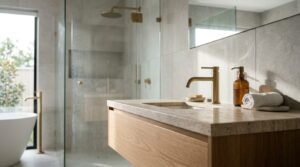
At $10K–$25K, most Sydney projects include a new shower screen, floor and wall tiling, a vanity with stone or engineered top, a toilet suite, mixer tapware, mirrored cabinetry, exhaust fan, LED lighting, and waterproofing certified to Australian Standard AS 3740. Layout typically stays the same to avoid moving plumbing rough-ins, which keeps costs predictable.
Where Mid-Range Sits Between Budget and Premium
Budget renovations under $10K usually rely on cosmetic refreshes, basic tiles, and entry-level tapware. Premium projects above $25K introduce custom joinery, freestanding baths, natural stone, underfloor heating, and structural changes. Mid-range hits the sweet spot: quality materials, full compliance, and finishes designed to last 15 to 20 years.
Independent building inspectors consistently cite waterproofing quality and tile adhesion as the two factors that determine whether a bathroom reaches that lifespan or fails within five years.
What Affects the Final Cost of a Mid-Range Bathroom Renovation?
Five variables move the needle most on a mid-range bathroom budget, and understanding them before you quote prevents surprises after demolition begins.
Bathroom size is the most direct driver a 4 square metre ensuite costs meaningfully less than a 9 square metre main bathroom, even with identical finishes. Layout changes are the second biggest variable: keeping the existing plumbing rough-in positions saves $2,000 to $5,000 compared to relocating a shower waste or toilet connection. Site condition what’s behind the walls and under the floor is the variable most homeowners underestimate until the strip-out reveals it.
Finish level within the mid-range tier also shifts cost significantly. Choosing 600x1200mm large-format tiles over standard 300x600mm adds tiling labour time and material cost. Trade availability in Sydney’s current market affects pricing too peak periods and tight contractor schedules can push labour rates toward the upper end of published ranges.
Labour Costs in a Mid-Range Bathroom Renovation
Labour typically accounts for 45–55% of a mid-range bathroom budget in Sydney. Trades are specialised, licensed, and insured, which is why skilled workmanship is the single most important factor in long-term durability. Cutting corners on labour is the most common cause of leaks, tile failures, and costly rework within five years.
Plumbing and Electrical Labour
Licensed plumbers in Sydney generally charge $90–$130 per hour, with a full mid-range bathroom requiring 25 to 40 hours including rough-in and fit-off. Licensed electricians sit around $85–$120 per hour, covering downlights, exhaust fans, heated towel rails, and shaver points. Both trades require compliance certificates, which are non-negotiable for insurance and resale.
Tiling and Waterproofing Labour
Tiling labour is usually $70–$110 per square metre for walls and floors, with full bathrooms requiring 30 to 45 square metres of tiled surfaces. Waterproofing must be completed by a licensed applicator and certified under AS 3740, typically costing $700 to $1,500. A licensed installer protects the entire substructure against water damage.
Carpentry, Cabinetry, and Project Management
Carpentry covers nibs, niches, bulkheads, and door rehangs. Cabinetry installation for a wall-hung vanity is straightforward but adds labour hours. Project management, whether by a builder or head contractor, ensures trades are sequenced correctly, materials arrive on time, and inspections pass. This coordination is what keeps a renovation on schedule.
Detailed Cost Breakdown for a $10K–$25K Bathroom Renovation
Mid-range bathroom costs are driven by three main categories: labour, materials, and fittings. Each contributes a predictable share of total spend, and understanding the split helps you allocate budget where it adds the most value.
A standard 6 to 8 square metre bathroom is the most common footprint in Sydney, and cost-per-square-metre typically runs $1,500 to $3,000 all-in at this tier, depending on finish level and site condition.
Typical Allocation by Trade and Category
| Cost Category | Share of Budget | $10K Project | $20K Project |
| Demolition and rubbish removal | 5–7% | $600 | $1,200 |
| Plumbing labour and rough-in | 12–15% | $1,400 | $2,800 |
| Electrical labour | 5–7% | $700 | $1,300 |
| Waterproofing | 5–7% | $700 | $1,400 |
| Tiling labour | 18–22% | $2,000 | $4,000 |
| Tiles and stone | 10–14% | $1,200 | $2,500 |
| Vanity, mirror, cabinetry | 8–12% | $1,000 | $2,200 |
| Tapware and fixtures | 8–10% | $900 | $1,900 |
| Shower screen and accessories | 4–6% | $500 | $1,100 |
| Project management and contingency | 10–12% | $1,000 | $1,600 |
Sample Budget Splits at $15K, $20K, and $25K
At $15K, expect quality ceramic or porcelain tiles, a mid-tier vanity, standard mixer tapware, and a framed shower screen. At $20K, you can upgrade to larger format tiles, semi-frameless screens, and improved fittings. At $25K, you reach the top of mid-range, with options like 600x1200mm tiles, frameless shower screens, premium tapware brands, and feature wall niches
Labour Costs in a Mid-Range Bathroom Renovation
Labour typically accounts for 45–55% of a mid-range bathroom budget in Sydney. Trades are specialised, licensed, and insured, which is why skilled workmanship is the single most important factor in long-term durability. Cutting corners on labour is the most common cause of leaks, tile failures, and costly rework within five years.
Plumbing and Electrical Labour
Licensed plumbers in Sydney generally charge $90–$130 per hour, with a full mid-range bathroom requiring 25 to 40 hours including rough-in and fit-off. Licensed electricians sit around $85–$120 per hour, covering downlights, exhaust fans, heated towel rails, and shaver points. Both trades must provide compliance certificates a requirement you can verify through NSW Fair Trading’s licence check which are non-negotiable for insurance and resale.
Tiling and Waterproofing Labour
Tiling labour is usually $70–$110 per square metre for walls and floors, with full bathrooms requiring 30 to 45 square metres of tiled surfaces. Waterproofing must be completed by a licensed applicator and certified under AS 3740, typically costing $700 to $1,500. A licensed installer protects the entire substructure against water damage.
Carpentry, Cabinetry, and Project Management
Carpentry covers nibs, niches, bulkheads, and door rehangs. Cabinetry installation for a wall-hung vanity is straightforward but adds labour hours. Waterproofing cure times of 24 to 48 hours between coats mean carpentry and cabinetry must be scheduled around the waterproofer’s sign-off, not before it.
Project management whether by a builder or head contractor ensures trades are sequenced correctly, materials arrive on time, and inspections pass. This coordination is what keeps a renovation on schedule.
Hidden Costs Most Homeowners Underestimate
Hidden costs are the leading cause of mid-range bathroom budget blowouts. Most owners underestimate what sits behind walls and under floors until demolition exposes the existing condition. Building in a contingency of 10–15% is the single most effective way to protect the budget. Plumbing and waterproofing often extend into adjoining wet areas during a bathroom upgrade, and our laundry renovation guide explains how shared rough-in zones can either save money or trigger unexpected costs.
Structural, Waterproofing, and Compliance Surprises
Common surprises include rotten subfloors, asbestos sheeting in older Sydney homes, outdated copper pipework, undersized stormwater connections, and previously failed waterproofing. Each can add $500 to $3,000 in remediation. Homes built before 1990 are particularly prone to these issues and warrant a pre-renovation inspection.
Permits, Inspections, and Variations
Most cosmetic bathroom renovations do not require council approval in NSW, but structural changes, relocating plumbing fixtures, or strata-managed apartments often do. Variations during the build, such as upgraded tiles, additional power points, or a relocated shower waste, add costs that were not in the original quote. Locking the scope before trades start is the best defence.
Material and Fittings Allowances at This Budget
Material allowances determine the look, feel, and longevity of the finished bathroom. At the mid-range tier, you have access to quality Australian and imported products without paying luxury premiums. The trick is balancing where to spend on visible finishes versus where standard specification is more than adequate.
Tiles, Vanities, and Stone
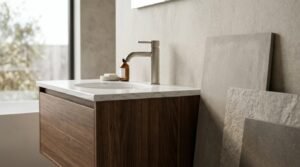
Mid-range tile allowances usually sit at $40–$80 per square metre. Porcelain large-format tiles, matte finishes, and timber-look planks are all achievable. Vanities range from $800 to $2,500, with stone or engineered stone tops standard at this tier. Wall-hung designs lift the space and make cleaning easier, which most Sydney homeowners prefer.
Tapware, Showers, Toilets, and Accessories
Quality tapware brands sit at $400–$900 for a full bathroom set including basin mixer, shower mixer, rail shower, and bath spout where applicable. A back-to-wall or wall-faced toilet suite typically runs $400–$900. Semi-frameless or frameless shower screens range from $700 to $1,500 depending on size and glass thickness.
How Long Does a Mid-Range Bathroom Renovation Take?
Most mid-range bathroom renovations in Sydney run three to five weeks from demolition to final inspection. The timeline is driven by trade sequencing, not just hours on site.
Week one covers demolition, rough-in plumbing and electrical, and the first waterproofing coat. Week two is typically waterproofing completion and cure time this cannot be rushed, as AS 3740 requires full cure before tiling begins. Weeks three and four cover tiling, cabinetry installation, and fit-off of fixtures. The final week handles touch-ups, final electrical and plumbing inspections, and the compliance certificate sign-off.
Delays most commonly come from three sources: waterproofing cure time being cut short, fixtures arriving late because they were ordered after demolition started, and owner-side decisions on tiles or tapware being made mid-build. Locking all selections before the strip-out begins is the single most effective way to protect the timeline.

Hidden Costs Most Homeowners Underestimate
Hidden costs are the leading cause of mid-range bathroom budget blowouts. Most owners underestimate what sits behind walls and under floors until demolition exposes the existing condition. Building in a contingency of 10–15% is the single most effective way to protect the budget.
Plumbing and waterproofing often extend into adjoining wet areas during a bathroom upgrade shared rough-in zones between a bathroom and laundry can either save money through combined trade visits or trigger unexpected costs if the laundry’s waterproofing is also found to be non-compliant.
Structural, Waterproofing, and Compliance Surprises
Common surprises include rotten subfloors, asbestos sheeting in older Sydney homes, outdated copper pipework, undersized stormwater connections, and previously failed waterproofing. Each can add $500 to $3,000 in remediation. Homes built before 1990 are particularly prone to these issues and warrant a pre-renovation inspection.
Permits, Inspections, and Variations
Most cosmetic bathroom renovations do not require council approval in NSW, but structural changes, relocating plumbing fixtures, or strata-managed apartments often do. Variations during the build such as upgraded tiles, additional power points, or a relocated shower waste add costs that were not in the original quote. Locking the scope before trades start is the best defence.
How to Maximise Value Within a $10K–$25K Budget
Smart mid-range renovations focus spend on long-life, high-impact elements and standard-specify the rest. The goal is durability, daily liveability, and resale appeal without paying for features that do not return their cost. According to CoreLogic and HIA renovation data, mid-range bathrooms can add $20,000 to $40,000 in Sydney property value when done correctly one of the strongest returns in residential renovation.
Where to Invest for Long-Term Value
Spend more on waterproofing, tiling labour, tapware, and the shower screen. These elements take daily wear and are expensive to replace later. A licensed waterproofer, a precise tiler, and quality mixers will outlast cheaper alternatives by a decade or more.
Many Sydney homeowners stage a bathroom upgrade alongside another wet-area project. Coordinating both budgets with the same contractor sharing mobilisation costs and trade visits can reduce the combined spend by $1,500 to $3,000 compared to running them as separate jobs.
Where to Save Without Sacrificing Quality
Save on tile choice by selecting feature tiles only for one wall and using value-tier porcelain elsewhere. Switching from a $150/sqm imported stone feature tile to a $60/sqm domestic porcelain on three walls saves $800 to $1,500 on a standard bathroom without any visible compromise to the finished look.
Keep the existing layout to avoid moving plumbing. Choose standard vanity widths rather than custom joinery. Opt for proven Australian brands instead of premium European tapware unless aesthetics demand it.
Tips for Staying On Budget and On Schedule
Sticking to a mid-range bathroom budget requires planning before demolition begins. Confirm the full scope, lock in fittings selections, allow a realistic contingency, and choose a contractor who provides itemised quotes rather than a single lump sum. Transparent pricing prevents disputes and keeps everyone accountable to the agreed brief.
Schedule slippage is usually caused by late material delivery, owner-side decision delays, and trade sequencing conflicts. Order tiles, tapware, vanities, and screens before demolition starts. Make all finish decisions before site work begins. Trust the project manager to sequence trades, especially around waterproofing cure times.
When a bathroom upgrade is part of a wider plan to lift the entire property, sequencing trades and approvals across rooms and coordinating a single project manager across all wet areas keeps a multi-room budget under control and avoids the cost of remobilising trades separately.
How to Choose the Right Contractor and Get Accurate Quotes
Get at least three itemised quotes not lump-sum figures so you can compare trade-by-trade costs rather than a single number. Verify every contractor’s licence through NSW Fair Trading before signing anything. Ask whether the quote is fixed-price or cost-plus, because cost-plus contracts shift variation risk entirely onto you.
Ask for references from completed bathroom projects in the last 12 months and follow up on them. A contractor who is reluctant to provide references or who cannot produce a current Home Building Compensation Fund certificate is a risk not worth taking at any budget level.
Conclusion
A well-planned mid-range bathroom renovation between $10K and $25K delivers durable finishes, full compliance, and strong long-term value when labour, materials, and fittings are budgeted with discipline.
By understanding cost drivers, planning for hidden expenses, and prioritising long-life elements, Sydney homeowners can avoid blowouts and finish with a bathroom built to perform for decades.
At Sydney Home Renovation, we deliver transparent quotes, expert workmanship, and end-to-end project management so your bathroom renovation lands on budget, on time, and built to last.
Frequently Asked Questions
How much does a mid-range bathroom renovation cost in Sydney?
A mid-range bathroom renovation in Sydney costs between $10,000 and $25,000, depending on size, fittings, layout changes, and the condition of existing plumbing and waterproofing behind the walls.
How long does a mid-range bathroom renovation take?
Most mid-range bathroom renovations take three to five weeks from demolition to final inspection, with delays usually caused by waterproofing cure times, fixture delivery, and owner-side decision changes.
What is the biggest cost in a bathroom renovation?
Tiling and tiling labour is typically the largest single cost in a mid-range bathroom renovation, accounting for 25 to 35 percent of total budget across labour, tiles, stone, and waterproofing combined.
Do I need council approval for a bathroom renovation in NSW?
Cosmetic bathroom renovations usually do not need council approval in NSW, but relocating plumbing fixtures, changing structural walls, or renovating in strata-managed apartments often require approvals.
What hidden costs should I plan for?
Plan a 10 to 15 percent contingency for hidden costs such as rotten subfloors, asbestos removal, outdated pipework, failed waterproofing, and variations introduced after demolition reveals the existing condition.
Is a mid-range bathroom renovation worth the investment?
Yes, a quality mid-range bathroom renovation typically adds $20,000 to $40,000 in Sydney property value while providing durable finishes, modern functionality, and long-term performance that pays back over years.
Can I save money by supplying my own materials?
Supplying your own materials can save money, but it shifts responsibility for warranty, delivery, and replacement onto you, and most experienced contractors prefer trade-supplied fittings to protect quality and timeline.