
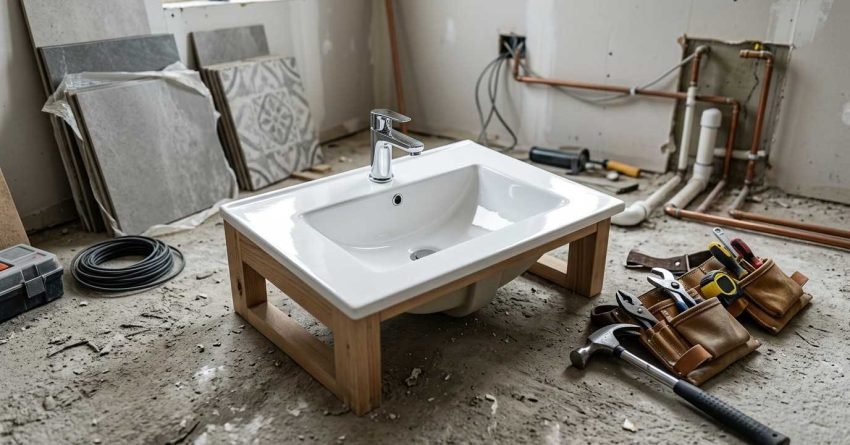
Most bathroom renovations in Sydney go over budget because homeowners underestimate hidden costs, change scope mid-project, and skip a proper contingency. The fix is a detailed cost breakdown, fixed allowances, and a 15 to 20 percent buffer locked in before demolition begins.
Bathroom budget blowouts are not bad luck. They follow predictable patterns that smart planning can prevent before a single tile is lifted.
This guide unpacks the real reasons costs spiral, the hidden expenses you miss, and the budgeting strategies that keep your renovation on track financially.
The Real Reasons Bathroom Renovations Go Over Budget
Bathroom renovations rarely exceed budget because of one large mistake. They drift over because of several small miscalculations compounding across a six to eight week build. Understanding the full scope of what a bathroom renovation involves every planning stage, design choice, and trade dependency is the first step to keeping costs under control.
Underestimating the True Scope of Work
Most homeowners price a bathroom renovation by looking at fixtures and tiles. The real cost driver is everything behind the walls. Replacing a vanity is simple. Relocating plumbing to fit that vanity is not.
When the scope expands from cosmetic refresh to structural reconfiguration, costs can rise by 30 to 50 percent without warning. The gap between what you expect and what the walls reveal is where most budgets first start to slip.
Mid-Project Design Changes and Upgrades
Variations are the single biggest cause of overruns. A switch from ceramic to stone tiles, a last-minute heated floor, or a different tap finish each adds cost and often time. Every change triggers reordering, rescheduling, and sometimes rework.
Most building contracts include a variation clause that requires written approval and a cost sign-off before any change proceeds. In practice, verbal agreements made on-site bypass this process and the invoice arrives later with no paper trail to dispute. Locking in every selection before work starts, and insisting on written variations for anything that changes, is the simplest discipline you can adopt.
How Timeline Delays Add to the Final Bill
A renovation that runs over time also runs over budget. When a tiler is delayed waiting on tiles that were reordered mid-project, the plumber’s return visit costs a full day rate. When a waterproofing inspection fails and must be rebooked, the tiler reschedules and you absorb the gap.
In Sydney, trade day rates mean every unplanned day on site carries a real dollar cost. A two-week delay across three trades can add $3,000 to $6,000 to a mid-range renovation without a single design change. Build realistic timelines and ask your contractor how delays are managed before signing.
Hidden Costs Most Homeowners Overlook
The quote you receive is rarely the full picture. Sydney bathrooms come with specific compliance and site conditions that often surface only once demolition exposes the walls and floor. When a bathroom is part of a larger project, hidden costs compound quickly across trades.
Waterproofing, Plumbing, and Electrical Surprises
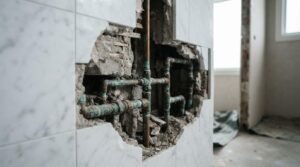
Older Sydney homes often hide failed waterproofing, corroded copper pipes, undersized drainage, or non-compliant wiring. These are rarely visible at quoting stage. Once exposed, they must be fixed to meet Australian Standard AS 3740 and current electrical codes.
Expect waterproofing alone to cost between $700 and $1,500 depending on bathroom size. Plumbing relocations add $800 to $2,500 depending on pipe condition and access. Electrical upgrades to bring a bathroom to current code particularly in homes built before 2000 regularly add $500 to $1,500 on top of the base quote.
Disposal, Permits, and Compliance Fees
Skip bin hire, asbestos testing in homes built before 1990, and council approval for structural changes are routinely missed in homeowner budgets. Asbestos testing in Sydney typically costs $150 to $500 for a standard bathroom, with removal adding significantly more if positive results are found.
Add strata approval fees for apartment renovations which can take four to eight weeks and cost $500 to $2,000 in administrative and consultant fees and the compliance cost alone can reach several thousand dollars before construction begins.

How Labour and Material Pricing Drive Cost Overruns
Labour and materials together make up the bulk of any bathroom budget. Misreading either is where most owner-led renovations come unstuck.
Why Labour Quotes Vary So Widely
A licensed plumber, tiler, waterproofer, electrician, carpenter, and painter each touch a bathroom build. In Sydney, trade day rates vary significantly: licensed plumbers typically charge $120 to $180 per hour, tilers $60 to $100 per hour, and electricians $100 to $160 per hour depending on complexity and demand.
A cheap quote often signals an unlicensed subcontractor, missing insurance, or a scope gap that becomes a variation later. Before signing, verify the contractor’s licence on the NSW Fair Trading register and confirm their public liability and workers compensation insurance is current. Pay attention to what is excluded, not just what is included.
Material Allowances vs Final Selections
Quotes commonly include a tile allowance of $40 to $60 per square metre and a tapware allowance of $400 to $800. Walk into a showroom and most homeowners select products well above these figures. The gap becomes a variation.
Always confirm allowances against your actual taste before signing. If you have a specific tile or tapware range in mind, price it first and ask your contractor to quote against your actual selections not a generic allowance

Smart Budgeting Strategies to Prevent Cost Blowouts
Prevention is procedural, not reactive. The homeowners who finish on budget do the same three things every time.
Building a Realistic Cost Breakdown
Start with a line-by-line breakdown covering every trade and cost category. The table below reflects typical Sydney ranges for a standard bathroom renovation:
| Line Item | Typical Sydney Cost Range |
| Demolition and disposal | $800 – $2,000 |
| Waterproofing | $700 – $1,500 |
| Plumbing rough-in and fit-off | $2,500 – $5,000 |
| Electrical | $800 – $2,000 |
| Wall and floor preparation | $500 – $1,500 |
| Tiling (supply and install) | $3,000 – $8,000 |
| Vanity, toilet, and fixtures | $2,000 – $6,000 |
| Tapware and fittings | $800 – $3,000 |
| Painting | $500 – $1,200 |
| Cleaning and handover | $200 – $500 |
| Total small bathroom | $18,000 – $28,000 |
| Total full renovation, quality finishes | $28,000 – $45,000 |
| Total premium | $50,000+ |
These figures align with HIA cost data for residential bathroom renovations in NSW. Use them as a floor, not a ceiling.
The 15 to 20 Percent Contingency Rule
Build a contingency of 15 to 20 percent into your budget from day one. Treat it as untouchable until variations arise. This is not optional. It is the single most effective safeguard against unexpected costs in a Sydney bathroom renovation.
Where to Invest and Where to Save
Not every dollar returns the same value. Spend more on items that are difficult to change later: waterproofing, plumbing layout, quality tapware, and durable tiling. Save on decorative elements that can be swapped cheaply down the track, like mirrors, accessories, and paint finishes.
Prioritising spend on structural and wet-area elements protects long-term value and reduces the risk of costly remediation work later. Decorative upgrades can always come in a second phase.
Working with a Contractor to Stay on Budget
A trustworthy contractor protects your budget through transparency, not promises.
Provisional Sums vs Fixed Allowances
Two terms in renovation contracts cause more budget confusion than any other: provisional sums and fixed allowances. A fixed allowance is a set dollar amount for a specific item say, $600 for tapware. If you spend more, you pay the difference. If you spend less, you receive a credit.
A provisional sum is an estimate for work where the full scope is unknown at quoting stage waterproofing repairs are a common example. Provisional sums are inherently variable and can increase significantly once work begins. Ask your contractor to identify every provisional sum in the quote and discuss the realistic range before you sign.
Red Flags in a Renovation Quote
Not every low quote is a bargain. Watch for these warning signs before committing:
- Vague or missing scope descriptions
- Provisional sums with no stated range
- No written variation procedure
- Progress payments not tied to milestones
- No mention of licensing or insurance
- A single-line total with no trade breakdown
The lowest quote on the table is rarely the most accurate one. Getting two or three detailed, itemised quotes gives you a realistic picture of true market cost and exposes gaps in any single proposal.
What to Look for in a Fixed-Price Contract
Look for fixed-price quotes with clearly itemised allowances, written variation procedures, and scheduled progress payments tied to milestones. A single point of project coordination one person accountable for the full build reduces the risk of trade scheduling gaps that add time and cost. Avoid quotes built on vague provisional sums or verbal scope agreements.
Conclusion
Bathroom renovations go over budget because of predictable factors: scope creep, mid-project changes, hidden site conditions, and unrealistic allowances. Each is preventable with disciplined planning.
A detailed cost breakdown, locked selections, a 15 to 20 percent contingency, and a contractor who quotes transparently make the difference between a stressful blowout and a finished bathroom delivered on budget.
At Sydney Home Renovation, we help homeowners and property investors renovate with confidence through honest pricing, clear scope documentation, and skilled workmanship so your budget stays intact from the first quote to the final handover. Contact us today for a transparent bathroom renovation quote.
Frequently Asked Questions
How much over budget do most bathroom renovations go?
Most bathroom renovations in Sydney exceed their original budget by 15 to 30 percent. The main causes are unexpected waterproofing issues, mid-project upgrades, and material allowances set too low at quoting stage.
What is a realistic budget for a bathroom renovation in Sydney?
A standard Sydney bathroom renovation costs between $18,000 and $28,000 for a small space and $28,000 to $45,000 for a full renovation with quality finishes. Premium renovations regularly exceed $50,000.
How much contingency should I add to my bathroom renovation budget?
We recommend a contingency of 15 to 20 percent of your total budget. For older Sydney homes with potential waterproofing, plumbing, or electrical issues, lean toward the higher end of that range.
What are the most common hidden costs in a bathroom renovation?
Waterproofing repairs, plumbing relocations, electrical upgrades, asbestos removal, council or strata approvals, and skip bin hire are the most frequently missed costs. Each can add hundreds to thousands to the final invoice.
Should I choose the cheapest renovation quote?
No. The cheapest quote usually has missing inclusions, low material allowances, or excluded trades. Compare quotes line by line, check licensing and insurance, and prioritise transparency over headline price.
How do I stop my bathroom renovation going over budget?
Lock in all selections before work begins, sign a fixed-price contract with itemised allowances, add a 15 to 20 percent contingency, and avoid variations once construction starts. Work only with licensed and insured contractors.


