The kitchen and bathroom are the most expensive rooms to build in a house. This comes down to the concentration of plumbing, electrical work, waterproofing, and high-specification finishes packed into a compact footprint. Wet rooms simply demand more trades and materials per square metre than any other space in a home.
We work with homeowners, renovators, and property investors across Sydney every week, and the budget conversation almost always starts the same way: why do these two rooms cost so much more than everything else? Understanding the answer is the foundation of any well-planned build or renovation. Getting the numbers right from the start protects your project from the cost overruns that derail so many renovations before they finish.
The Most Expensive Room to Build in a House
The kitchen and bathroom are the most expensive rooms to build in a residential home. Both rooms concentrate plumbing, drainage, waterproofing, tiling, cabinetry, and electrical work into a small area. That density of trades and materials, not room size, is what drives the cost premium above every other room in the house.
Why Kitchens and Bathrooms Cost More to Build
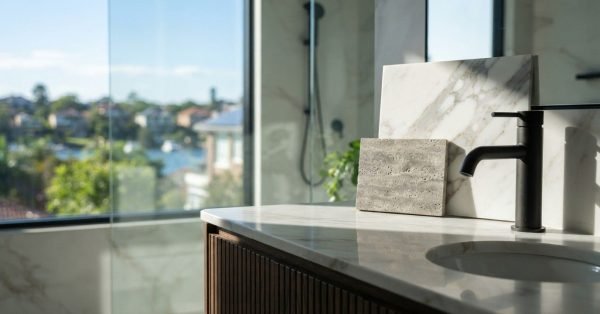
Every other room in a house is essentially a shell: walls, floor, ceiling, and paint. Kitchens and bathrooms are functional systems. A bathroom requires waterproofing membranes, floor waste installation, wall and floor tiling, a vanity, toilet, shower or bath, exhaust ventilation, and compliance with Australian Standards for wet area waterproofing.
A kitchen adds cabinetry, benchtops, splashbacks, rangehood ducting, and appliance connections on top of the same plumbing and electrical requirements. Each of those elements involves a licensed trade. Plumbers, tilers, electricians, and waterproofers all need to be coordinated, scheduled, and paid.
That labour stack is what separates these two rooms from a bedroom or living area. A painter and a flooring installer can complete the fit-out on a bedroom in a fraction of the time and cost.
What Drives the Cost Gap Between Rooms
Three factors create the cost gap: trade density, compliance requirements, and material specification. Wet areas in Australia must meet strict waterproofing standards under AS 3740, which adds both material cost and inspection requirements. Kitchens carry the added complexity of cabinetry joinery, which is custom-manufactured and installed as a separate scope of work.
Material choices shift the total cost significantly. Stone benchtops versus laminate, or large-format tiles versus standard ceramic, can shift the total cost of either room by tens of thousands of dollars without changing the structural scope at all.
Room size matters less than most homeowners expect. A compact ensuite with premium finishes will consistently cost more per square metre than a large bedroom with standard finishes.
We find bathroom renovation pricing in Sydney follows its own structure, shaped by the scope of work, the age of the property, and the specification level we help each homeowner choose.
What’s Included in a Full Kitchen or Bathroom Build
When we quote a full kitchen or bathroom build, the line items tell the real cost story. Plumbing rough-in and connection typically runs a meaningful share of the budget on its own, before a single tile is laid. Waterproofing and tiling together often account for another significant portion, especially in bathrooms where every wall and floor surface in a wet zone needs full membrane coverage.
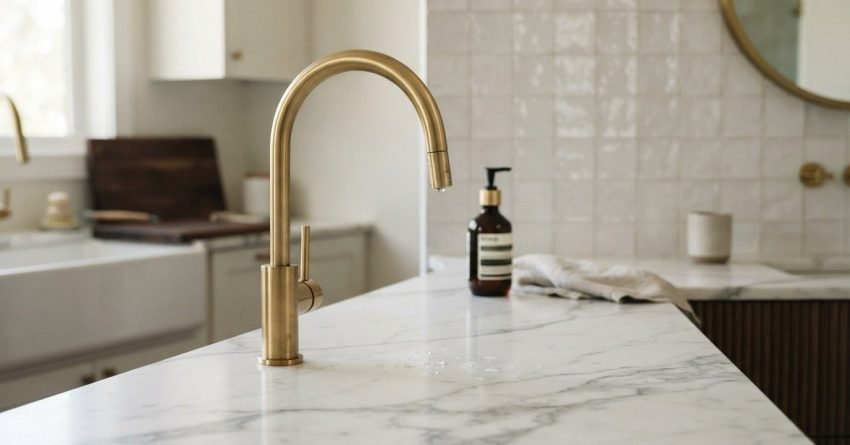
Cabinetry and benchtops dominate kitchen budgets. Custom joinery, soft-close hardware, and stone or engineered benchtops are usually the single largest line item in any kitchen quote. Electrical work, including new circuits for ovens, cooktops, and rangehoods, adds a further layer most homeowners underestimate.
When we compare cost per square metre, kitchens and bathrooms routinely run several times higher than a bedroom or living room of the same size. That gap is the clearest evidence that complexity, not floor area, sets the price.
How Much Does It Cost to Build the Most Expensive Rooms in Sydney?
In Sydney, construction and renovation costs sit above the national average due to higher labour rates, material supply chains, and the cost of operating in a major metro market. We always give clients realistic cost benchmarks upfront, because that is what prevents the budget shock that comes from underestimating these rooms.
Cost Ranges for Kitchens and Bathrooms in Sydney
A standard bathroom renovation in Sydney typically ranges from $15,000 to $35,000, depending on the size, the condition of existing plumbing and waterproofing, and the specification of fittings and finishes. A full bathroom build in a new construction context sits at the higher end of that range and beyond, particularly when structural work or layout changes are involved.
Kitchen renovations in Sydney range from $20,000 to $60,000 or more for a full fit-out. Custom cabinetry, stone benchtops, and high-end appliances push costs toward the upper end. A mid-range kitchen with quality finishes and no structural changes typically lands between $25,000 and $40,000.
These figures reflect the full scope: design, demolition, trades, materials, and finishes. Partial renovations, such as replacing benchtops or updating cabinetry only, cost significantly less but do not represent a full build.
Timeline matters as much as budget. A standard bathroom renovation typically takes four to six weeks from demolition to final fit-off, while a full kitchen renovation usually takes six to eight weeks depending on cabinetry lead times. We always separate cosmetic updates from structural or plumbing changes early, because that distinction is the first step toward an accurate cost estimate for any kitchen renovation budget.
How to Manage Costs When Building High-Complexity Rooms
Knowing the cost range is useful. Knowing where that budget gets consumed, and where it gets wasted, is what separates a well-managed renovation from one that runs over.
Where Homeowners and Renovators Overspend
The most common source of budget overruns in kitchens and bathrooms is scope creep. These are decisions made mid-project that change the layout, upgrade the specification, or add work that was not in the original quote. Moving a toilet or relocating a kitchen sink requires replumbing, which adds cost and time that compounds across every other trade on site.
Waterproofing failures discovered during demolition are another frequent cost driver. In older Sydney properties, existing waterproofing may not meet current standards, requiring full remediation before new tiling can proceed. This is not a contractor error. It is a condition of the existing building that only becomes visible once work begins.
Permit and council approval costs also catch renovators off guard. Structural changes to a kitchen or bathroom, particularly ones that move plumbing or affect load-bearing walls, often require council sign-off, which adds both time and fees that many initial budgets leave out entirely.
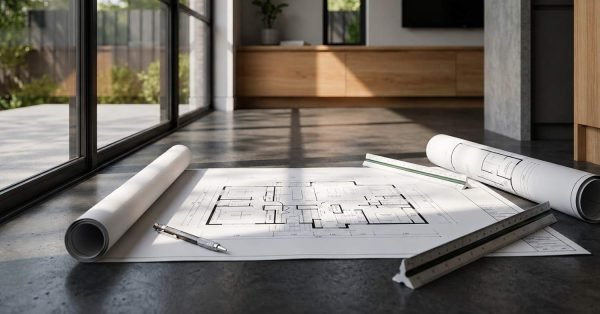
The most effective cost control strategy is a detailed scope of work agreed before any trade sets foot on site. Locking in finishes, confirming the layout, and understanding what the existing structure will and will not support eliminates the decisions that cost the most when made under pressure. We treat this step as non-negotiable on every project we run, whether it is a single bathroom or part of a larger home extension.
Conclusion
The kitchen and bathroom are the most expensive rooms to build in any house because they concentrate the highest density of trades, compliance requirements, and material costs into the smallest footprint.
For Sydney homeowners and property investors, accurate cost benchmarks and a locked scope of work are the two most reliable tools for keeping these rooms on budget and on schedule.
At Sydney Home Renovation, we help you plan, price, and build with confidence. Contact us today for a transparent, detailed quote for your kitchen, bathroom, or whole-home project.
Frequently Asked Questions
Is a bathroom or kitchen more expensive to build?
Kitchens are generally more expensive due to cabinetry joinery, appliance connections, and benchtop costs. Bathrooms can approach or exceed kitchen costs when full waterproofing, tiling, and premium fixtures are involved.
Why are wet rooms so expensive to construct?
Wet rooms require waterproofing membranes, drainage installation, tiling, and compliance with AS 3740. Each requirement adds licensed trade labour, materials, and inspection costs that dry rooms do not carry.
What is the most expensive part of building a kitchen?
Cabinetry and benchtops typically represent the largest single cost in a kitchen build, followed by appliances and installation labour. Custom joinery and stone benchtops drive costs to the upper end of any budget range.
Does room size affect construction cost more than room type?
Room type matters more than size. A small bathroom with premium finishes costs more per square metre than a large bedroom with standard finishes. Complexity and trade density determine cost, not footprint alone.
How can I reduce the cost of building a kitchen or bathroom?
Keep the existing plumbing layout, lock in your finishes before work begins, and avoid mid-project changes. Choosing quality mid-range materials over premium finishes delivers strong results without the top-tier price tag.