
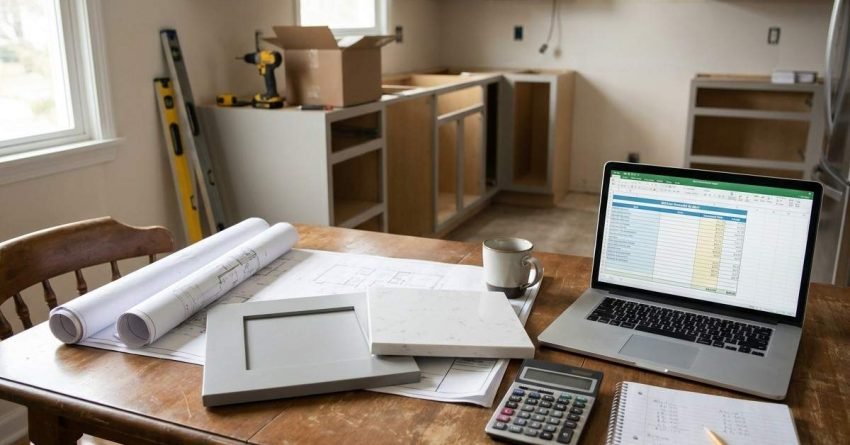
A kitchen renovation in Sydney typically costs between $15,000 and $100,000 or more, depending on the size of your kitchen, the quality of materials, and how much structural work is involved. For most homeowners, a mid-range kitchen renovation falls in the $30,000 to $60,000 range.
We know that whether you are an owner-occupier updating a tired kitchen, a first-time renovator unsure where to start, or a property investor looking to maximise return, understanding where your money goes is the first step to avoiding budget blowouts. Kitchen renovations are one of the highest-value improvements you can make to a home. They are also one of the easiest to overspend on without a clear plan.
In this guide, we break down average costs by renovation tier, explain the key pricing variables, and walk through a detailed cost breakdown of labour and materials. We also flag hidden expenses most people miss and share practical strategies for setting a realistic kitchen renovation budget in Sydney.
Average Kitchen Renovation Costs in Sydney
Kitchen renovation costs in Sydney vary significantly based on the scope of work, the finishes chosen, and the complexity of the layout. Here is how costs typically break down across three common renovation tiers.
Budget Kitchen Renovation ($15,000–$30,000)
A budget kitchen renovation focuses on cosmetic updates and functional improvements without changing the existing layout. At this price point, we typically see cabinet doors replaced or repainted, a new laminate benchtop installed, handles and fixtures updated, and a basic splashback fitted.
Appliances at this level are usually standard off-the-shelf models. Flooring might be refreshed with vinyl plank rather than tiles. Plumbing and electrical stay in their current positions, which is one of the biggest cost savers.
This tier suits homeowners who want a cleaner, more modern look without a full gut renovation, or landlords preparing a rental property for tenants.
Mid-Range Kitchen Renovation ($30,000–$60,000)
A mid-range renovation is the most common tier we deliver for Sydney homeowners. It typically includes new custom or semi-custom cabinetry, stone or engineered stone benchtops such as Caesarstone or Essastone, and quality appliances from brands like Bosch, Fisher & Paykel, or Westinghouse. Tiled splashbacks, new flooring, and updated lighting round out the package.
Minor layout adjustments are common at this level. Moving a sink or adding an island bench is possible, though it adds to plumbing and electrical costs. Most mid-range renovations include a full strip-out and rebuild of the kitchen space.
This is the sweet spot for owner-occupiers who want a kitchen that looks and functions well for the next 10 to 15 years.
High-End Kitchen Renovation ($60,000–$100,000+)
A high-end kitchen renovation involves premium materials, bespoke cabinetry, top-tier appliances, and often significant structural changes. Think natural stone benchtops like marble or granite, integrated European appliances from Miele or Gaggenau, custom joinery with soft-close mechanisms, designer tapware, and feature lighting.
Layout changes at this level might include removing walls to create open-plan living, relocating plumbing and gas lines, or adding a butler’s pantry. Architectural or interior design fees are common at this tier and can add $5,000 to $15,000 to the total.
This tier suits homeowners investing in a forever home or property owners targeting the premium resale market in Sydney’s higher-value suburbs.
What Affects the Cost of a Kitchen Renovation
No two kitchen renovations cost the same. Several key variables determine where your project lands on the pricing spectrum.
Kitchen Size and Layout Changes
The physical size of your kitchen is one of the most obvious cost drivers. A small galley kitchen requires fewer materials and less labour than a large open-plan kitchen with an island bench.
Layout changes are where costs escalate quickly. Keeping plumbing, gas, and electrical in their existing positions saves thousands. The moment a sink moves to a different wall or a cooktop relocates, plumbing rough-ins, electrical rewiring, and potentially new gas line work all get added. In Sydney, relocating a sink alone can add $2,000 to $5,000 depending on the distance and complexity.
Managing your own trades to save on project management fees is one option we sometimes see homeowners attempt. It works best for smaller, cosmetic-only jobs — larger layout changes tend to reward professional coordination.
Cabinetry and Benchtop Materials
Cabinetry is typically the single largest expense in a kitchen renovation, often accounting for 30% to 40% of the total budget, according to HIA renovation cost guidance. The price difference between flat-pack cabinets, semi-custom cabinetry, and fully bespoke joinery is substantial.
Flat-pack cabinets from suppliers like Bunnings or Kaboodle might cost $3,000 to $8,000 for a standard kitchen. Semi-custom cabinetry from a local manufacturer runs $8,000 to $20,000. Fully custom joinery with premium finishes can exceed $25,000.
Benchtop materials follow a similar range. Laminate benchtops start around $500 to $2,000. Engineered stone like Caesarstone or Smartstone typically costs $2,000 to $5,000 installed, while natural stone such as marble or granite can run $4,000 to $10,000 or more depending on the slab and edge profile.
Appliance Selection and Upgrades
Appliances can represent anywhere from 10% to 20% of a kitchen renovation budget. A basic appliance package including an oven, cooktop, rangehood, and dishwasher might cost $3,000 to $6,000. A mid-range package from brands like Bosch or Fisher & Paykel typically runs $6,000 to $12,000. Premium integrated appliances from Miele, Gaggenau, or Sub-Zero can push well beyond $20,000.
We often recommend keeping existing appliances where possible, or choosing one hero appliance and going standard on the rest. It is a practical way to protect a tight budget.
Plumbing and Electrical Work
Plumbing and electrical are non-negotiable costs in any kitchen renovation, and they are often underestimated. Even a straightforward renovation that keeps services in the same position requires a licensed plumber and electrician for disconnection, reconnection, and compliance certification.
In Sydney, expect to pay $2,000 to $5,000 for plumbing on a standard renovation and $3,000 to $8,000 for relocated pipes or new outlets. Electrical work typically runs $2,000 to $6,000 depending on the number of new power points, lighting circuits, and any switchboard upgrades required.
All plumbing and electrical work in NSW must be carried out by licensed tradespeople and comply with Australian Standards. A Certificate of Compliance is required for any electrical work.
Flooring, Tiling, and Splashbacks
Flooring and tiling choices affect both the look and the cost of your kitchen renovation. Vinyl plank flooring is the most budget-friendly option, typically costing $30 to $60 per square metre installed. Porcelain or ceramic tiles run $60 to $120 per square metre. Timber or engineered hardwood flooring can cost $100 to $200 per square metre.
Splashbacks vary widely too. A simple subway tile splashback might cost $800 to $2,000 installed, while a full-height tiled splashback or glass splashback can run $2,000 to $5,000.
Full Kitchen Renovation Cost Breakdown
Here is a typical cost breakdown for a mid-range kitchen renovation in Sydney, so you can see exactly where your renovation dollars go.
Labour Costs
Labour typically accounts for 35% to 45% of a kitchen renovation budget. This includes demolition and strip-out, carpentry and cabinet installation, plumbing, electrical, tiling, plastering, painting, and project coordination.
A qualified kitchen installer or carpenter in Sydney charges between $50 and $85 per hour. Plumbers and electricians typically charge $80 to $120 per hour, and tilers charge $50 to $80 per square metre depending on tile size and pattern complexity. Booking trades during quieter seasons, typically outside the pre-Christmas rush, can also help secure better rates and faster start dates.
For a mid-range renovation, total labour costs usually fall between $12,000 and $25,000. This is one area where cutting corners can be costly — poorly installed cabinetry, incorrect plumbing, or non-compliant electrical work creates problems that are expensive to fix later.
Materials and Fittings
Materials and fittings make up the other major portion of your budget, including cabinetry, benchtops, splashback materials, flooring, tapware, sinks, handles, and hardware. For a mid-range kitchen renovation in Sydney, materials and fittings typically cost between $15,000 and $30,000.
We recommend allocating your materials budget in tiers. Spend more on the items you touch and see every day, like benchtops and tapware, and save on items that are less visible, like cabinet interiors and kickboards.
Design and Project Management Fees
Engaging a kitchen designer or interior designer typically costs $2,000 to $8,000 for a full design package including 3D renders, material selections, and detailed drawings. Some kitchen companies include design as part of their service when cabinetry is purchased through them.
Project management fees, when a dedicated project manager or builder coordinates trades, typically add 10% to 15% to the total project cost. For a $50,000 renovation, that is $5,000 to $7,500. Managing the renovation yourself saves this fee, but it requires significant time, trade coordination skills, and regular on-site availability.
Permits and Council Approvals
Most cosmetic kitchen renovations in Sydney do not require council approval. Structural changes such as removing a load-bearing wall, altering the building footprint, or changing the use of a room usually trigger the need for a Development Application (DA) or Complying Development Certificate (CDC).
A CDC through a private certifier typically costs $2,000 to $5,000. A full DA through your local council can cost $5,000 to $15,000 including consultant reports and processing fees. We always advise clients to check with their builder early, since approval timelines directly affect the renovation schedule.
Regardless of council approvals, all plumbing, electrical, and gas work requires compliance certificates from licensed tradespeople under NSW Fair Trading regulations.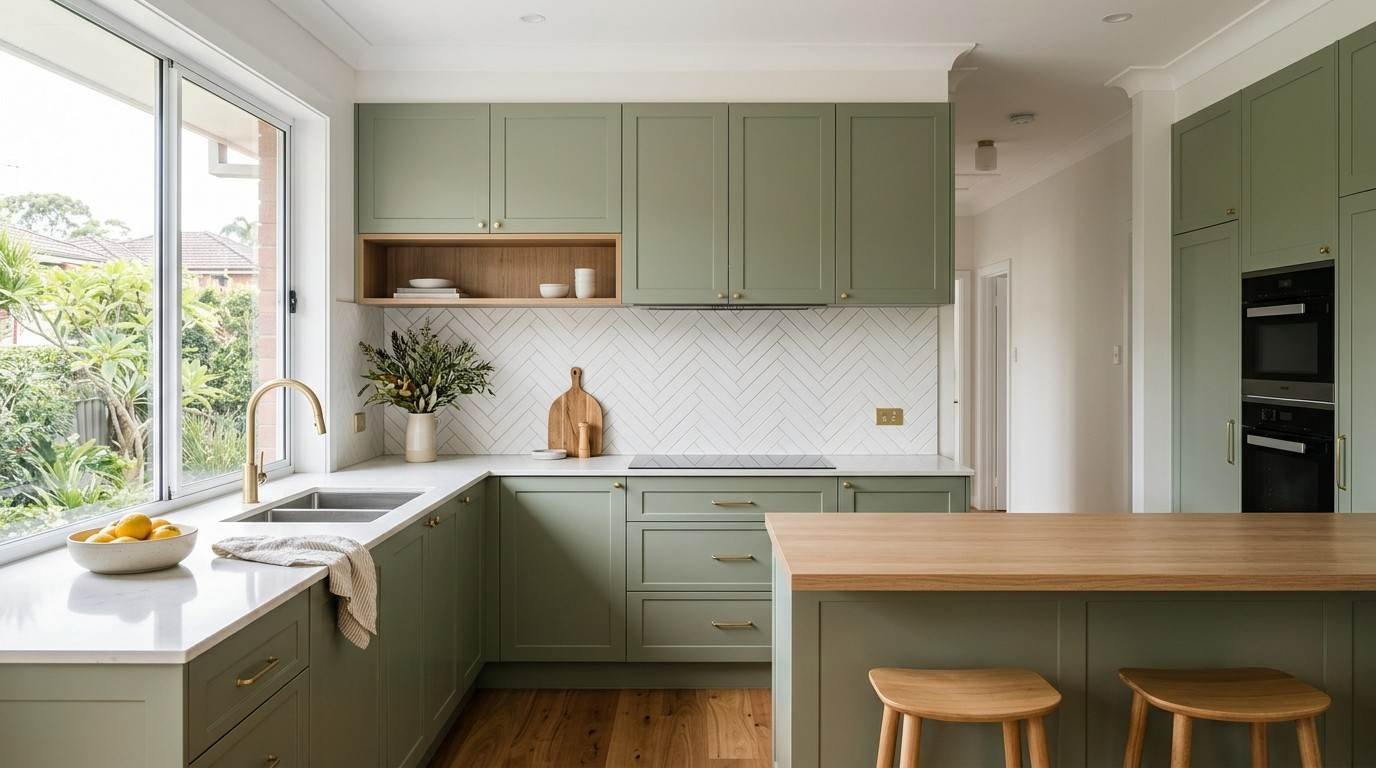
Hidden Costs That Can Blow Your Kitchen Renovation Budget
Hidden costs are the number one reason kitchen renovations go over budget. Knowing what to expect helps you plan for them rather than being caught off guard.
Structural and Asbestos Surprises
Older Sydney homes, particularly those built before 1990, may contain asbestos in wall linings, flooring, or splashback adhesives. Asbestos removal must be carried out by a licensed removalist and can cost $1,500 to $5,000 or more depending on the extent.
Structural issues are another common surprise. Removing a wall that turns out to be load-bearing requires an engineer’s report and a steel beam, which can add $3,000 to $10,000 to your budget. Water damage, termite damage, or deteriorated framing behind existing cabinetry can also add unexpected costs.
Temporary Kitchen and Living Arrangements
A kitchen renovation typically takes four to eight weeks. During that time, you will need an alternative cooking and food preparation setup.
Setting up a temporary kitchen with a microwave, portable cooktop, and bar fridge in another room is manageable. Many homeowners underestimate the inconvenience, though, and end up spending more on takeaway meals and eating out.
Delivery, Waste Removal, and Site Access
Delivery fees for cabinetry, benchtops, appliances, and tiles add up quickly. Many suppliers charge $100 to $500 per delivery depending on size and location.
Skip bin hire for demolition waste typically costs $300 to $800 per bin, and a standard kitchen strip-out usually fills one to two skip bins. Site access matters too — upper-floor kitchens, narrow hallways, or lift restrictions often mean tradespeople charge additional labour for manual handling. Apartment renovations in Sydney often come with strata requirements including working hour restrictions, lift booking fees, and damage deposits that add $500 to $2,000 to the project.
Financing Your Kitchen Renovation
Most homeowners fund a kitchen renovation through a combination of savings, home loan redraw, and dedicated renovation finance. A mortgage redraw or offset account is usually the lowest-cost option if equity is available, since it avoids new loan establishment fees.
Personal loans and dedicated renovation loans suit smaller projects or homeowners without redraw access, though interest rates are typically higher than a home loan. For larger transformations, some lenders offer construction loans that release funds in stages as work progresses. We always recommend speaking with a mortgage broker early in the planning process to understand which option fits your equity position and timeline.
Common Kitchen Renovation Budgeting Mistakes to Avoid
Even well-planned renovations can go over budget when a few common mistakes creep in.
Underestimating hidden costs like asbestos removal or structural repairs is one of the most frequent budget blowouts we see. Skipping a contingency fund entirely leaves no buffer when something unexpected surfaces mid-project.
Comparing quotes on price alone without checking scope is another common trap — a cheaper quote that excludes plumbing or waste removal is rarely cheaper overall. Changing your mind mid-renovation, such as upgrading appliances or benchtops after ordering, also adds cost and delay. Finally, skipping licensed tradespeople to save money on plumbing or electrical work risks non-compliance and expensive rework later.
How to Set a Realistic Kitchen Renovation Budget
Setting a realistic budget before getting quotes is one of the most important steps in the renovation process. It prevents scope creep, helps you prioritise, and gives tradespeople a clear framework to work within.
Start With Your Non-Negotiables
Before looking at products or finishes, write down the things that matter most to you. Is it more storage? Better workflow? A specific benchtop material? An island bench for family meals?
Identifying your non-negotiables helps you allocate budget to the things that make the biggest difference to daily life. Everything else becomes a “nice to have” to include if budget allows or defer to a later stage.
Get Multiple Quotes and Compare Scope
We always recommend getting at least three quotes from licensed renovation contractors or kitchen companies. When comparing quotes, look beyond the bottom line — compare the scope of work, the quality of materials specified, what is included and excluded, and the payment schedule.
Ask each contractor to provide an itemised quote so you can compare like for like. Check that your contractor holds the appropriate NSW licence for the work being performed — for residential building work over $5,000 in NSW, a contractor must hold a licence issued by NSW Fair Trading.
Build in a Contingency of 10–20%
Every experienced renovator builds a contingency into the budget. For kitchen renovations, a contingency of 10% to 20% of the total project cost is standard.
On a $50,000 renovation, that means setting aside $5,000 to $10,000 for unexpected costs. This covers the asbestos that wasn’t visible, the plumbing that needs rerouting, or the appliance that is back-ordered and needs a substitute.
Unused contingency simply becomes money left over at the end. Used contingency means you are never scrambling for extra funds mid-project.
Where to Save and Where to Spend on a Kitchen Renovation
Knowing where to allocate your budget strategically can mean the difference between a kitchen that looks and feels expensive and one that actually cost a fortune.
Worth the Investment
We always advise spending more on the elements that get the most use and have the biggest visual impact. Benchtops are the centrepiece of your kitchen — a quality engineered stone or natural stone benchtop elevates the entire space and is durable enough to last decades.
Cabinetry construction matters more than the door finish. Well-built carcasses with quality hinges and drawer runners will outlast cheaper alternatives by years, and soft-close mechanisms are a small upgrade that makes a noticeable difference.
Tapware and sink are used multiple times every day. A quality mixer tap and a well-sized sink improve functionality and are relatively affordable upgrades compared to their impact. Good lighting also transforms a kitchen — under-cabinet LED strip lighting, pendant lights over an island, and well-placed downlights make the space feel larger and more inviting.
Smart Places to Save
Cabinet door finishes can be swapped for more affordable options without sacrificing the overall look. A vinyl-wrapped or laminate door in a modern profile can look very similar to a painted or polyurethane door at a fraction of the cost.
Splashback materials offer significant savings too. A simple subway tile or large-format tile costs considerably less than glass or stone. Appliances do not all need to be top-tier — investing in the appliance you use most and going mid-range on the rest keeps quality where it matters.
Handles and hardware from trade suppliers or online retailers can save hundreds compared to designer showroom pricing for a very similar look.
Kitchen Renovation Budgeting Tips for Property Investors
Renovating a kitchen to increase property value calls for a different budgeting strategy than an owner-occupier approach.
Renovating for Resale vs. Rental Return
For resale, the kitchen is one of the most scrutinised rooms by buyers. A well-presented, modern kitchen can add significant value, but over-capitalising is a real risk. The general rule is to spend no more than 5% to 10% of the property’s current value on a kitchen renovation.
In Sydney, where median house prices vary dramatically by suburb, this means a kitchen renovation in a $1.5 million home should ideally stay under $75,000 to $150,000 at the absolute upper end. For most investment properties, a mid-range renovation of $30,000 to $50,000 delivers the best return. Suburb matters too — inner-city properties often carry higher trade rates and stricter strata rules than outer-suburban homes, which can shift the ideal budget slightly.
For rental properties, the calculation is different. Tenants value functionality and cleanliness over premium finishes, so a budget to mid-range renovation of $15,000 to $30,000 that delivers a clean, modern kitchen with durable finishes attracts better tenants and justifies higher rent without over-capitalising.
Cost-Effective Upgrades That Add Value
Some kitchen upgrades deliver disproportionate value relative to their cost. Replacing dated cabinet doors while keeping structurally sound carcasses can transform the look for $3,000 to $8,000 instead of $15,000 or more for entirely new cabinetry.
New benchtops in engineered stone instantly modernise a kitchen and are one of the highest-impact upgrades available. Modern tapware and a new sink cost $500 to $1,500 but make the kitchen feel significantly more updated.
Fresh paint, new handles, and updated lighting are low-cost changes that collectively make a big visual difference for under $2,000. New flooring in vinyl plank is durable, waterproof, and cost-effective at $30 to $60 per square metre installed, making it ideal for investment properties.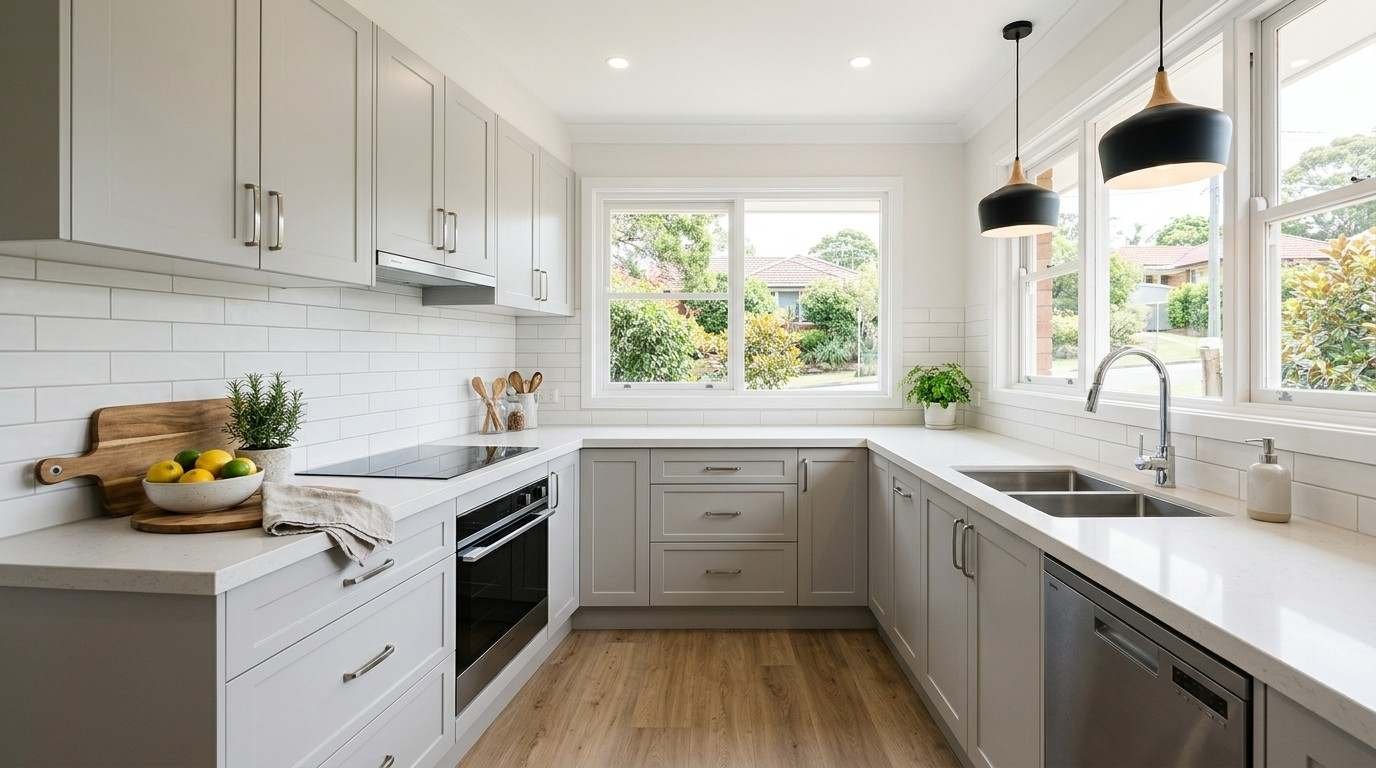
Conclusion
Budgeting for a kitchen renovation in Sydney requires a clear understanding of where costs sit across labour, materials, fittings, and the hidden expenses that catch most homeowners off guard. Whether you are planning a $20,000 refresh or an $80,000 full transformation, the key is knowing your priorities, understanding the cost variables, and building a realistic contingency into your plan.
The difference between a renovation that stays on budget and one that spirals comes down to preparation. Getting detailed, itemised quotes, comparing scope rather than just price, and making informed decisions about where to invest and where to save puts you in control of the process and the outcome.
At Sydney Home Renovation, we help homeowners and property investors plan and deliver kitchen renovations with transparent pricing, honest advice, and quality workmanship. If you are ready to start planning your kitchen renovation, get in touch with our team for a detailed consultation and obligation-free quote.
Frequently Asked Questions
How much does a basic kitchen renovation cost in Sydney?
A basic kitchen renovation in Sydney typically costs between $15,000 and $30,000. This covers cosmetic updates like new cabinet doors, laminate benchtops, basic appliances, and a simple splashback without changing the layout.
What is the most expensive part of a kitchen renovation?
Cabinetry is usually the most expensive component, accounting for 30% to 40% of the total budget. Labour costs are the second largest expense, typically making up 35% to 45% of the overall project cost.
How long does a kitchen renovation take in Sydney?
Most kitchen renovations in Sydney take between four and eight weeks from demolition to completion. Complex renovations involving structural changes and council approvals can take 10 to 12 weeks or longer.
Do I need council approval for a kitchen renovation in NSW?
Most cosmetic kitchen renovations do not require council approval. Structural changes like removing a load-bearing wall or altering the building footprint may require a CDC or DA.
How much contingency should I allow for a kitchen renovation?
A contingency of 10% to 20% of the total renovation budget is recommended. On a $50,000 kitchen renovation, that means setting aside $5,000 to $10,000 for unexpected costs.
Is a kitchen renovation worth it for resale value?
A well-executed kitchen renovation is one of the highest-value improvements for resale. The guideline is to spend no more than 5% to 10% of the property’s value on the kitchen to avoid over-capitalising.
How can I save money on a kitchen renovation without sacrificing quality?
Keep plumbing and electrical in their existing positions, choose laminate cabinet doors over painted finishes, opt for engineered stone over natural stone, and source handles from trade suppliers rather than designer showrooms.