
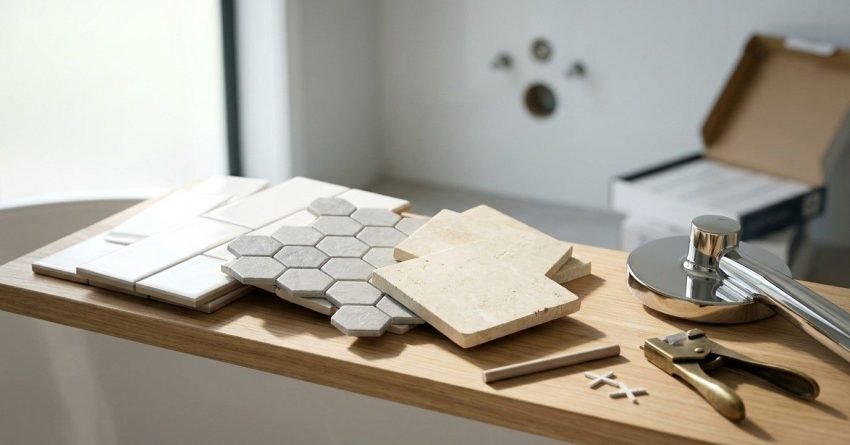
Choosing the wrong tile color can make a bathroom look dated within years, while the right choice delivers decades of style. Classic whites, soft greys, and warm neutrals consistently outlast trends, and they give you design flexibility that adapts to changing décor without costly re-tiling.
This matters because bathroom renovations in Sydney typically run $15,000 to $35,000, and tile choice affects both daily enjoyment and resale appeal. We walk you through the timeless colors proven to endure, practical budgeting, and how to balance personal style with long-term value.
Why Tile Color Choice Matters for Long-Term Value
Tile color selection affects far more than looks. It shapes your property’s marketability, your renovation’s lifespan, and your financial return.
Neutral, classic colors create calm environments that feel spacious and well-maintained. They work across demographics because they don’t impose a specific style direction. A white subway tile bathroom appeals to minimalists, traditionalists, and contemporary design fans alike, giving you a neutral foundation for accessories, fixtures, and paint that you can change easily.
Timeless colors also photograph well, which matters because most home buyers now begin their property search online. Bold tile colors that feel current today often become liabilities within five to ten years. According to the Real Estate Institute of New South Wales, bathrooms with neutral tiles generally recover renovation costs more reliably at resale than bathrooms finished in bold, trend-driven colors. Buyers mentally calculate renovation costs when they see dated finishes, and that often means a lower offer or a passed-over listing.
Renovation regret is real. Tile color ranks among the most common regrets homeowners report, behind only layout decisions and budget overruns, according to Houzz’s renovation research. Re-tiling a standard Sydney bathroom costs $8,000 to $15,000 once you add waterproofing, fixture removal, and disposal. That’s money spent correcting a decision you could have avoided with better planning upfront.
We find the solution lies in understanding which colors genuinely transcend trends versus which simply feel current today.
Classic White Tiles: The Ultimate Timeless Choice
White tiles have dominated bathroom design for over a century, and that endurance isn’t accidental. White creates a perception of cleanliness and space that no other color matches, which matters especially in Sydney where many bathrooms measure just 2 to 3 square meters.
White also gives you unmatched design flexibility. It works with any fixture finish (chrome, brass, matte black), any paint color, and any accessory style, so you can refresh your bathroom’s entire look just by changing towels, artwork, and paint.
Not all whites are equal. Pure white offers maximum light reflection and suits contemporary homes with cool-toned greys and chrome fixtures. Off-white and cream provide subtle warmth that coordinates better with brass, timber, and heritage-style renovations.
Finish matters too. Gloss tiles reflect the most light and clean easily but show water spots between cleanings. Matte tiles hide water spots better but need slightly more effort on soap residue. For small bathrooms needing maximum brightness, gloss is often the better call. If you want a softer, more contemporary look with easier day-to-day upkeep, matte usually wins.
Budget: ceramic white tiles run $25 to $45 per square meter in Sydney, suitable for rentals or tight budgets. Mid-range white porcelain ($50 to $85 per square meter) offers the best value for most owner-occupied renovations, with strong durability and longevity. Premium options ($90 to $200+ per square meter) deliver superior aesthetics but offer diminishing returns for most projects. Labor costs stay consistent at roughly $65 to $95 per square meter regardless of which white you choose.
Neutral Tones: Greys, Beiges, and Earth Colors
Grey tiles have proven their staying power over the past 15 years, moving from trend to genuine classic. Light greys create a sophisticated, contemporary look while hiding water spots and soap residue better than white does. Mid-tone greys offer more visual impact while still working across design styles.
The key to grey’s longevity is choosing true neutral greys rather than greys with strong blue, green, or purple undertones. Tinted greys feel trendy and date quickly. Pure neutral greys remain versatile for years.
Beige and taupe tiles offer warmth that white and grey cannot match. They work exceptionally well in heritage properties and traditional homes, coordinating naturally with timber vanities and brass fixtures. We recommend avoiding overly yellow or orange undertones here too, since those feel dated fast.
Natural stone, including limestone, travertine, and marble, offers inherent timelessness thanks to centuries of architectural use. Marble in particular remains a prized choice for luxury bathrooms and shows no signs of dating. The trade-off is cost and maintenance: expect $120 to $300+ per square meter for quality stone, plus specialized installation. For most renovations, porcelain that replicates natural stone gives you strong aesthetics at a fraction of the cost with far less upkeep.
Black and Charcoal: Strategic Use for Lasting Impact
Dark tiles absolutely work in timeless design, but success depends on strategic use rather than wholesale coverage. Feature walls in black or charcoal create dramatic focal points in shower areas while surrounding white tiles maintain overall brightness. This balance has stayed popular for decades because it delivers impact without overwhelming the space.
Full-coverage dark bathrooms create moody spaces that photograph beautifully but often feel oppressive day-to-day, particularly in Sydney’s smaller bathrooms with limited natural light. We generally recommend keeping dark tiles to no more than 30 to 40% of total tiled surfaces.
Dark tiles do show water spots, soap scum, and mineral deposits more visibly than light tiles. Grout choice becomes critical here: dark grout keeps the look cleaner between cleans, but it needs precise installation to avoid looking messy. If you love the drama of dark tile, use it on a feature wall or floor and keep it strategic rather than full coverage.
Subway Tiles and Classic Patterns
Subway tiles have stayed continuously popular since their introduction in New York subway stations in 1904, over 120 years of enduring appeal. The rectangular format creates clean, linear aesthetics that work across every design style, and the modest size supports multiple layout patterns without overwhelming a room.
Traditional offset (running bond) is the classic, safest choice for timeless appeal. Stacked (grid) patterns offer a more contemporary, geometric look that has held popularity for 30-plus years. Herringbone delivers sophisticated visual interest and has been used in European architecture for centuries, though it typically adds 20 to 30% more labor due to cutting complexity, pushing installation to $85 to $120 per square meter.
For maximum timelessness, we suggest sticking with traditional offset or stacked layouts in neutral colors. These combinations have proven enduring across decades and suit any property type.
Colors and Finishes to Avoid for Longevity
Certain colors feel current today but carry a high risk of appearing dated within five to ten years. Saturated jewel tones like emerald green, sapphire blue, and deep purple create dramatic impact but tie a bathroom to a specific era. Pastels reference particular decades, especially the 1950s and 1980s, and rarely feel timeless. Terracotta and rust surged during 2018 to 2022 but are already showing signs of dating.
Beyond color, high-gloss colored tiles combine two risk factors: bold color and reflective finish. Heavily textured tiles collect dirt in crevices and prove harder to clean. Metallic finishes feel glamorous initially but wear and date quickly.
The safest approach is classic formats (subway, square, rectangular) in neutral colors with moderate finishes. This combination has proven timeless across decades.
If you’re staying in your home for 15-plus years, personal preference deserves more weight, since design trends may shift again before you sell. If resale within 5 to 10 years matters more to you, prioritize timeless choices. For investment properties, we always recommend timeless neutrals since they minimize tenant complaints and maximize appeal.
Budgeting for Timeless Tile Selection
Timeless tile colors span every price point. You don’t need premium pricing to achieve enduring appeal.
| Tier | Price Range | Notes |
| Budget ceramic | $25–$45/m² | 15–20-year lifespan, adequate for rentals |
| Mid-range porcelain | $50–$85/m² | Best value; 25–30 year lifespan; wide style selection |
| Premium porcelain | $90–$150/m² | Large format, designer collections |
| Natural stone | $120–$300+/m² | Luxury option, higher maintenance |
Labor represents roughly 50 to 60% of total tiling costs in Sydney. Standard installation runs $65 to $95 per square meter depending on tile size and pattern complexity, while herringbone and other complex patterns add 20 to 40% more.
Beyond tiles and labor, budget for hidden costs: waterproofing membrane ($180–$350), adhesive ($70–$195), grout and sealant ($90–$255), trim and wastage ($66–$360). For a standard 6-square-meter bathroom with mid-range tiles, expect a realistic all-inclusive total of $1,166 to $2,180.
Where should you invest versus save? Spend more on shower and floor tiles, since these high-wear, high-moisture areas benefit most from quality porcelain. Save on wall tiles outside wet areas and hidden spots behind toilets or under vanities, where budget-friendly options perform just as well visually.
Making the Right Choice for Your Renovation
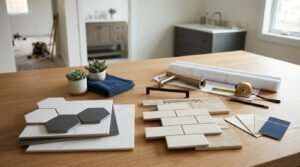
Architectural style guides tile selection more than most homeowners realize. Contemporary homes pair beautifully with white, light grey, and charcoal in modern formats. Traditional homes work better with warm whites, beiges, and classic subway tiles in offset patterns. A Federation home with a stark, ultra-modern bathroom feels disjointed, while the same home with warm white subway tiles feels respectfully updated.
We recommend layering: use timeless tiles as your permanent foundation, then express personal style through easily changeable elements like paint, fixtures, lighting, and accessories. Love navy blue? Paint the walls navy and use navy towels with white tiles. This way, your bathroom evolves through inexpensive updates rather than costly re-tiling.
Consider professional design guidance for period homes, complex layouts, or renovations over $30,000 where design fees typically run $1,500 to $3,500. For straightforward projects with a clear vision that aligns with timeless principles, professional design often adds limited value.
Conclusion
Timeless tile colors, classic whites, sophisticated greys, and warm neutrals protect your renovation investment while giving your bathroom room to evolve with changing preferences. These proven choices consistently outperform trendy alternatives in both daily satisfaction and resale value.
Strategic selection means investing in quality materials where they matter most while saving elsewhere, all without overspending. Understanding labor costs, hidden expenses, and the true cost of getting it wrong helps you make decisions that last.
At Sydney Home Renovation, we guide homeowners through every tile selection and budgeting decision with transparent pricing and proven installation quality that ensures your timeless choices perform beautifully for decades. Let’s create a bathroom renovation you’ll love today and value tomorrow. Contact us for a detailed consultation and accurate project quote.
Frequently Asked Questions
What is the most timeless tile color for bathrooms?
Classic white remains the most timeless choice, having stayed popular for over a century. It maximizes light reflection, creates spacious feelings, and works with any design style or fixture finish.
Do grey tiles go out of style?
True neutral grey tiles without strong blue, green, or purple undertones have proven timeless over 15-plus years of consistent popularity. Light to mid-grey tones offer modern sophistication while staying versatile.
What tile colors hurt resale value?
Bold, saturated colors including emerald green, navy blue, terracotta, and pastels tend to reduce resale appeal and slow time on market. Buyers mentally calculate renovation costs when they see dated colored tiles.
How much do classic white tiles cost in Sydney?
Classic white tiles range from $25 to $45 per square meter for budget ceramic options, $50 to $85 for quality porcelain, and $90 to $200+ for premium collections. Mid-range porcelain delivers the best overall balance.
Should I choose matte or gloss tiles for longevity?
Both finishes offer equal longevity. Gloss cleans more easily and reflects more light but shows water spots between cleanings, while matte hides water spots better but needs slightly more effort to remove soap residue.
Can I mix tile colors and still keep a timeless look?
Yes, mixing neutral colors creates timeless appeal when done strategically. White with grey or black accents, or beige with white trim, all work well. We suggest avoiding more than two or three neutral colors to maintain cohesion.


