The single biggest factor that decreases property value is structural damage. Foundation cracks, roof failures, and water damage can slash a home’s worth by 10 to 25 percent or more. Structural issues are just the beginning, though. Poor location, deferred maintenance, outdated renovations, and neighbourhood decline all compound to erode a property’s market position.
We work with homeowners, renovators, and property investors across Sydney every day, and we’ve seen firsthand that understanding these value killers isn’t academic. It’s the difference between building equity and watching it disappear. Whether you’re planning a renovation, preparing to sell, or protecting a long-term investment, knowing what drives values down helps you prioritise where to spend and what to fix first.
This guide breaks down the most damaging factors affecting Australian property values, from major structural concerns to subtle issues buyers notice immediately. We’ll walk through which problems cost the most to ignore and which improvements deliver genuine protection for your investment.
Major Structural Issues That Destroy Property Value
Structural problems represent the most severe threat to a property’s worth because they signal fundamental safety concerns and expensive repairs. Buyers and valuers treat structural defects as red flags that justify significant price reductions or walking away entirely.
Foundation Problems and Subsidence
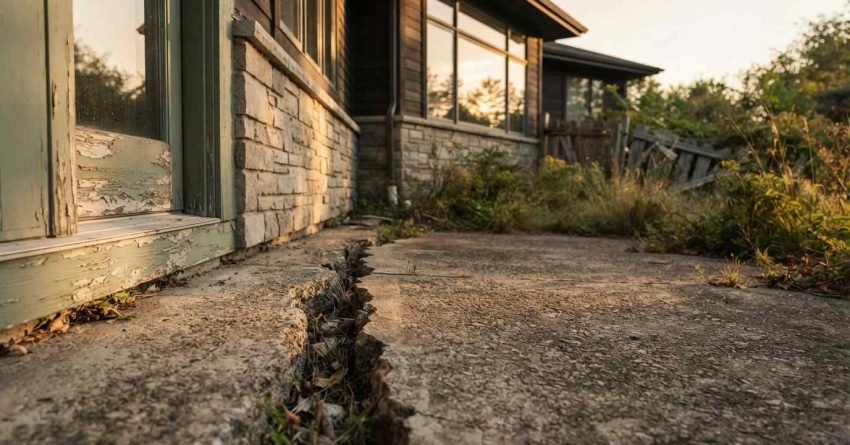
Foundation damage is the most costly structural issue affecting Australian homes, particularly in Sydney where reactive clay soils cause significant ground movement. Cracks wider than 5mm, doors that won’t close properly, and uneven floors all indicate foundation distress that buyers recognise immediately.
Repairing foundation problems typically costs between $15,000 and $100,000 depending on severity, and unaddressed issues can reduce property value by 15 to 20 percent. Properties with visible foundation damage often sit on the market longer and attract only investors looking for below-market deals.
Roof Damage and Water Ingress
A compromised roof creates cascading problems throughout a home. Water ingress leads to timber rot, mould growth, ceiling damage, and electrical hazards, with each issue adding to repair costs and value reduction.
Roof replacement in Sydney ranges from $15,000 for basic tile work to $50,000 or more for complex restorations. The real cost of ignoring roof problems is the secondary damage. Mould remediation alone can exceed $10,000, and water-damaged electrical systems often require complete rewiring.
Termite and Pest Damage
Termites cause more damage to Australian homes than fires, floods, and storms combined, according to Archicentre Australia. Active infestations or evidence of past termite damage immediately triggers buyer concern and often requires specialist building inspections before any offer proceeds.
Properties with termite history typically sell for 5 to 10 percent less than comparable homes, even after treatment and repairs. In severe cases where structural timbers are compromised, the discount can reach 20 percent or more.

Location Factors That Permanently Reduce Value
Location problems are permanent, unlike structural issues that we can repair. These factors get priced into a property from the moment of purchase and limit upside no matter what improvements are made.
Proximity to Undesirable Infrastructure
Properties near major roads, flight paths, industrial zones, or waste facilities consistently underperform the broader market. Noise pollution, air quality concerns, and visual impact all contribute to reduced buyer interest.
Homes under flight paths in Sydney’s inner west typically sell for 5 to 15 percent less than equivalent properties outside noise corridors. Properties backing onto busy arterial roads face similar permanent discounts.
No amount of soundproofing fully overcomes this disadvantage.
High Crime Areas and Safety Concerns
Crime statistics directly influence property values, and buyers increasingly research neighbourhood safety before inspecting homes. Areas with elevated crime rates see reduced demand, longer selling times, and lower price growth over time.
The impact compounds because lower values attract fewer owner-occupiers. That shift increases rental density and can create a cycle of declining neighbourhood investment.
Poor School Catchments
For family buyers, who make up the largest segment of the owner-occupier market, school catchment zones significantly influence purchasing decisions. Properties in sought-after public school catchments command premiums of 10 to 20 percent over nearby homes in less desirable zones.
Properties in underperforming school catchments face structural demand limitations that persist regardless of the home’s condition or features.
Deferred Maintenance and Neglect
Deferred maintenance signals to buyers that hidden problems likely exist beyond what’s visible. Even cosmetic neglect creates perception issues that translate directly into lower offers.
Exterior Deterioration
First impressions matter enormously in property sales. Peeling paint, overgrown gardens, damaged fencing, and cracked driveways all suggest a property that hasn’t been cared for, and buyers assume the interior reflects the same neglect.
Addressing exterior maintenance typically costs $5,000 to $15,000, but the impact on buyer perception runs far deeper. Properties presenting poorly often receive offers 5 to 10 percent below comparable well-maintained homes.
Outdated Electrical and Plumbing Systems
Old electrical systems with ceramic fuses, aluminium wiring, or inadequate capacity concern buyers and often trigger requirements for upgrades before settlement or insurance approval. Galvanised steel plumbing, polybutylene pipes, or visible corrosion signal expensive replacements ahead too.
These systems are largely invisible during a walkthrough but feature prominently in building reports. Buyers factor replacement costs, typically $10,000 to $25,000 for electrical and $15,000 to $30,000 for plumbing, directly into their offers.
Accumulated Minor Repairs
Individual minor repairs might seem insignificant, but accumulated deferred maintenance creates a powerful negative impression. Dripping taps, sticking doors, cracked tiles, and worn carpets collectively suggest a property requiring immediate investment beyond the purchase price.
Buyers mentally tally these visible issues. They often discount their offers by more than the actual repair costs would justify.
Renovation Mistakes That Reduce Value
Not all renovations add value. Some actively destroy it. Poor quality work, inappropriate improvements, and over-capitalisation all risk leaving a property worse off than before the work started.
Poor Quality Workmanship
DIY renovations and cheap contractor work are immediately apparent to experienced buyers and building inspectors. Uneven tiling, poorly fitted cabinetry, amateur electrical work, and substandard waterproofing all raise concerns about what’s hidden behind the walls.
Bathrooms and kitchens with visible quality issues often need complete replacement rather than touch-ups. Buyers factor in full renovation costs when they make offers on these homes.
Over-Capitalisation for the Area
Spending $100,000 on a kitchen renovation in a suburb where median house prices sit at $800,000 rarely returns that investment. Buyers in that price bracket have expectations aligned with the area, and exceeding those expectations doesn’t proportionally increase what they’ll pay.
We always recommend understanding a suburb’s price ceiling before renovating. The best renovations bring properties up to area standards rather than dramatically exceeding them.
Removing Bedrooms or Reducing Functionality
Converting bedrooms to walk-in wardrobes, home offices, or open-plan living reduces a property’s bedroom count, which acts as a primary search filter for buyers. A four-bedroom home consistently outvalues a three-bedroom equivalent, regardless of how impressive the conversion looks.
Removing bathtubs in family-oriented suburbs, eliminating storage, or creating impractical layouts all reduce functionality that buyers value.
Environmental and External Factors
External factors beyond a property’s boundaries significantly influence value, and many are worsening as climate awareness increases among buyers and insurers.
Flood and Bushfire Risk Zones
Properties in designated flood or bushfire zones face multiple value pressures, including higher insurance premiums, lending restrictions, and reduced buyer pools. Awareness of these risks has increased dramatically following recent natural disasters.
Insurance costs for high-risk properties can exceed $5,000 to $10,000 annually, and some insurers refuse coverage entirely. These ongoing costs and coverage difficulties directly reduce what buyers will pay.
Contamination and Environmental Hazards
Former industrial sites, properties near petrol stations, or homes with asbestos concerns all face value impacts. Contamination remediation costs can exceed the property’s value, and even suspected contamination triggers extensive due diligence that delays or derails sales.
Asbestos presence, while common in pre-1990 Australian homes, requires disclosure and management under Safe Work Australia guidelines. Properties with damaged or friable asbestos face immediate remediation requirements costing $10,000 to $50,000 or more.
Poor Energy Efficiency Ratings
Homes with poor insulation, single-glazed windows, and outdated heating and cooling systems increasingly concern buyers facing rising energy costs. A low energy efficiency rating adds to a buyer’s ongoing cost calculation and can influence the final offer.
We’re seeing this factor carry more weight each year as energy prices climb and buyers pay closer attention to running costs.
Easements and Encumbrances
Easements granting utility access, drainage rights, or shared driveways limit how a property can be used and developed. Buyers and their solicitors scrutinise title encumbrances, and significant easements reduce both value and buyer interest.
Properties with sewerage easements through rear yards, for example, cannot build pools or extensions in those areas. Council zoning changes that restrict development potential can create similar permanent limitations on a property’s improvement ceiling.
Neighbourhood Decline and Market Perception
Property values don’t exist in isolation. Surrounding properties and broader neighbourhood trends influence them directly, and declining neighbourhoods drag down even well-maintained individual properties.
Poorly Maintained Neighbouring Properties
A property’s value is partially determined by its neighbours. Adjacent properties with overgrown yards, visible hoarding, or structural neglect create negative associations that affect a home’s appeal and value.
We can’t control neighbours, but understanding this dynamic helps explain value differences between otherwise similar properties.
Increasing Rental Density and Commercial Encroachment
Suburbs transitioning from owner-occupier to investor-dominated markets often experience reduced maintenance standards and changing demographics that influence buyer perception. High rental density isn’t inherently negative, but rapid transitions can destabilise neighbourhood character during the adjustment period.
Commercial creep, such as new takeaway shops, late-night venues, or industrial uses moving into residential areas, produces similar value impacts as neighbourhood character shifts.

How to Protect and Restore Property Value
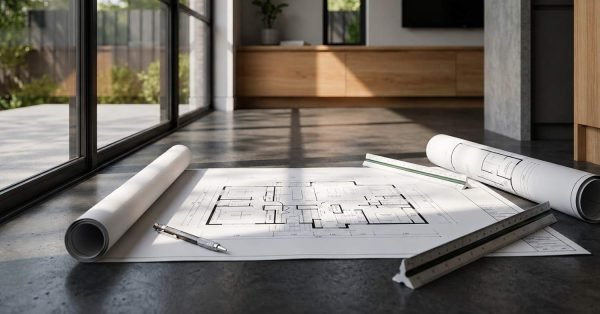
Understanding what decreases value enables strategic action to protect and restore a property’s worth. Prioritising repairs and improvements based on value impact maximises a renovation budget’s effectiveness.
Prioritising High-Impact Repairs
We always advise addressing structural issues first. Foundation, roof, and water damage repairs prevent ongoing deterioration and remove the biggest red flags for buyers. Next, we tackle safety concerns including electrical, plumbing, and asbestos issues that appear in building reports.
Cosmetic improvements come after these fundamentals are handled. A freshly painted house with foundation problems still sells at a discount, while a structurally sound home with dated décor attracts confident buyers.
Strategic Renovation Investment
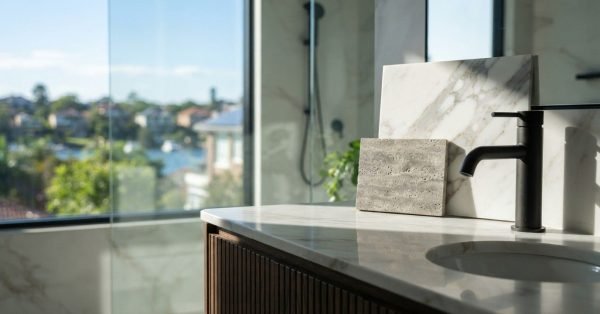
We focus renovation spending on kitchens and bathrooms, the rooms that most influence buyer decisions and value assessments. Quality workmanship that withstands inspection scrutiny matters more than flashy finishes, and aligning improvement levels with suburb expectations protects the investment.
Removing bedrooms, reducing storage, or making highly personalised choices limits buyer appeal. Neutral, quality finishes consistently outperform bold design statements in resale value.
Regular Maintenance Programs
Preventive maintenance costs far less than reactive repairs and preserves value continuously rather than requiring periodic restoration. Annual inspections of roof, gutters, plumbing, and electrical systems catch problems early when repairs are minor.
Maintaining exterior presentation through paint, gardens, and fencing preserves both physical condition and market perception. This keeps a property ready to present well whenever a sale becomes necessary.
Conclusion
Property value decreases stem from structural damage, location limitations, deferred maintenance, renovation mistakes, and neighbourhood factors. Structural issues represent the most severe and costly threat to an investment, but every factor above compounds over time if left unaddressed.
Understanding these value killers helps homeowners prioritise spending, avoid costly mistakes, and protect their property’s long-term worth.
At Sydney Home Renovation, we help homeowners and investors identify value-affecting issues and address them strategically through quality renovation work that protects and enhances property value. Our transparent approach to budgeting and construction ensures your renovation investment delivers genuine returns rather than costly mistakes. If you’re ready to protect your property’s value with strategic renovations, we’d love to talk through which improvements will genuinely impact your home’s worth and market position.
Frequently Asked Questions
What is the single biggest factor that decreases property value?
Structural damage, particularly foundation problems, major roof failures, and significant water damage, represents the single biggest factor decreasing property value. These issues reduce a home’s worth by 15 to 25 percent or more because they signal expensive repairs and safety concerns that buyers and lenders treat as serious red flags.
Can a bad neighbour really affect my property value?
Yes, poorly maintained neighbouring properties directly impact a home’s value and saleability. Adjacent properties with visible neglect, hoarding, or structural problems create negative first impressions that affect buyer perception of the entire street.
Do all renovations increase property value?
No. Poor quality workmanship, over-capitalisation for the area, and removing bedrooms or functionality can actually decrease property value. Renovations add value when they address genuine deficiencies, use quality materials and tradespeople, and align with suburb expectations.
How much does flood zone designation affect property value?
Flood zone designation can reduce property values by 5 to 15 percent or more, depending on flood history and severity classification. Flood-prone properties also face higher insurance premiums, potential lending restrictions, and reduced buyer pools.
Should I fix structural problems before selling or adjust the price?
Fixing structural problems before selling typically delivers better outcomes than price adjustments. Buyers discount heavily for uncertainty, often by more than actual repair costs, and structural issues limit the buyer pool to investors and bargain hunters.
How does school catchment affect property value in Sydney?
School catchment zones significantly influence Sydney property values, with homes in sought-after public school catchments commanding premiums of 10 to 20 percent over nearby properties in less desirable zones. Catchment often determines which properties family buyers will even consider inspecting.
Can I recover value lost to deferred maintenance?
Yes, addressing deferred maintenance typically recovers lost value and often delivers returns exceeding repair costs. Buyers discount heavily for visible neglect because they assume hidden problems exist behind it.