A retroactive building permit, sometimes called a retrospective approval, is official council or certifier sign-off on construction or renovation work that was completed without prior approval. It brings unpermitted work into legal compliance after the fact, rather than before the work begins.
This matters more than most homeowners realise. Unapproved work creates real legal and financial exposure, especially when it surfaces during a property sale or insurance claim.
In this guide, I cover what a retroactive permit actually is, why you might need one, how the approval process works in Sydney, and what it typically costs to get sorted.
The Definition of a Retroactive Building Permit
A retroactive building permit is a formal approval pathway that allows property owners to legitimately legalise construction work that was carried out without the required development consent or building approval.
In NSW, most structural work, including extensions, decks, granny flats, garage conversions, and significant internal renovations, requires council or certifier approval before work starts. When that approval is skipped, the work is classified as unapproved or unlawful.
The retroactive permit process exists to fix that. It gives property owners a legal mechanism to bring non-compliant structures into line with the Building Code of Australia and relevant NSW planning legislation, rather than facing automatic demolition orders.
How It Differs from a Standard Building Permit
A standard building permit, whether a Development Application (DA) or a Complying Development Certificate (CDC), is obtained before any work begins. The council or certifier reviews the plans, approves the design, and then construction proceeds under that approval.
A retroactive permit works in reverse. The work is already done. The certifier or council inspects what exists, assesses it against current building standards, and determines whether it can be approved as-is or whether remediation is required first.
The key practical difference is risk. With a standard permit, you know the work is approved before you spend a dollar on construction. With a retroactive permit, there is no guarantee of approval, the work may need to be modified or, in serious cases, demolished.
Why Retroactive Permits Exist in NSW
NSW planning law does not simply ignore unapproved work. Under the Environmental Planning and Assessment Act 1979, councils have the authority to issue orders requiring owners to either legalise or demolish non-compliant structures.
The retroactive permit pathway exists as a practical middle ground. It gives property owners a legitimate route to compliance without automatic enforcement action, provided the work meets current standards or can be brought up to them.
It also reflects the reality of how renovations sometimes happen. Work gets done by previous owners without permits. Buyers purchase properties without knowing what was approved. Renovators underestimate what requires consent.
Common Situations That Trigger the Need for One
The most frequent scenarios I see involve unapproved structures discovered during a property transaction, a deck, a garage conversion, or a granny flat that was never formally approved.
Other common triggers include:
- A homeowner completing renovation work without realising council approval was required
- A building inspection report flagging unapproved structures before settlement
- A neighbour complaint prompting a council investigation
- An insurance claim that reveals unpermitted work during the assessment process
In each case, the property owner is left needing to either legalise the work or face enforcement consequences.

The Retroactive Permit Process in Sydney
Getting a retroactive permit in Sydney follows a structured process. It is not a simple rubber stamp, it requires documentation, professional involvement, and a formal assessment against current building standards.
Step 1 Engage a Certifier or Council
The first step is deciding whether to go through a private certifier or directly through your local council. Private certifiers generally offer faster turnaround and more flexibility in how they assess the work. Council applications can take longer but may be the only option for complex or contentious structures.
I recommend speaking to a private certifier first. They can give you an honest assessment of whether the work is likely to gain approval before you commit to the full application process.
Step 2 Submit As-Built Documentation
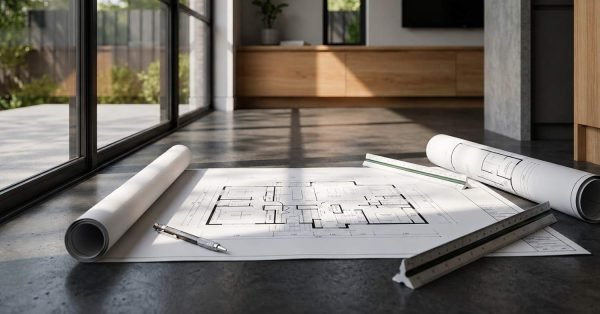
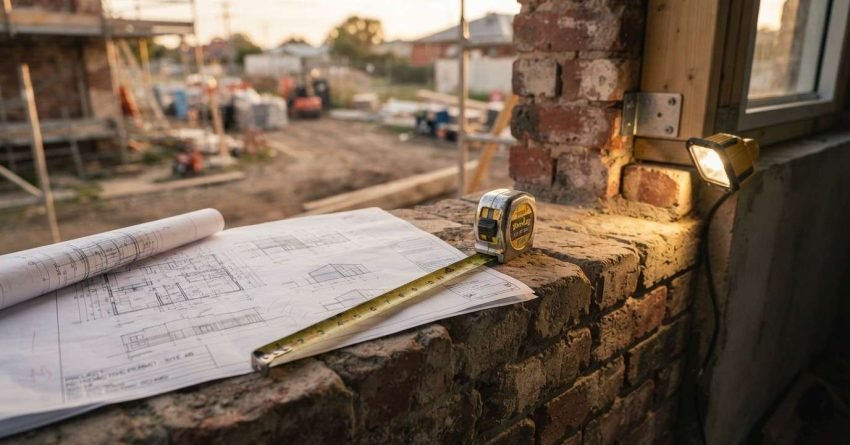
Once you have engaged a certifier or lodged a council application, you need to provide as-built documentation, drawings that accurately reflect what was constructed, not what was originally planned.
This typically requires a structural engineer to inspect the work and certify that it meets structural requirements. For older or more complex structures, additional specialist reports may be needed, covering fire safety, waterproofing, or energy compliance.
The quality of this documentation directly affects how smoothly the approval process runs. Incomplete or inaccurate as-built drawings are the most common cause of delays.
Step 3 Inspection and Approval
The certifier or council inspector will physically assess the work against the submitted documentation and current building standards. If the work complies, an occupation certificate or equivalent approval is issued.
If the work does not fully comply, you will receive a list of required rectifications. Once those are completed and re-inspected, approval can proceed. In cases where the work cannot be brought into compliance at all, the certifier or council may refuse approval entirely.
Costs Involved in Getting a Retroactive Permit
The cost of a retroactive permit in Sydney varies significantly depending on the scope and complexity of the unapproved work. There is no single fixed fee, you are paying for multiple professional services across the process.
Typical cost components include certifier or council application fees, structural engineer inspection and certification reports, as-built drawing preparation by a draftsperson or architect, and any specialist compliance reports required. If rectification work is needed before approval, those construction costs sit on top.
As a rough guide, straightforward retroactive approvals for smaller structures like decks or pergolas can start from a few thousand dollars. More complex approvals involving structural work, granny flats, or significant extensions can run considerably higher once engineering, documentation, and any required remediation are factored in.
What Affects the Final Price
The single biggest cost variable is whether the work needs rectification before it can be approved. Work that meets current standards as-built moves through the process relatively efficiently. Work that requires structural modifications, waterproofing upgrades, or fire safety improvements adds both construction costs and additional inspection fees.
The choice between a private certifier and council also affects cost and timeline. Private certifiers typically charge higher professional fees but move faster. Council applications involve lower direct fees but longer processing times, which can have indirect cost implications if the property is tied up in a transaction.

Risks of Not Getting a Retroactive Permit
Leaving unapproved work unaddressed is not a neutral decision. The risks are real and they compound over time.
The most immediate risk is a council enforcement order. Under NSW planning law, councils can issue orders requiring owners to demolish unapproved structures at their own expense. Fines for non-compliance with those orders can be substantial.
From an insurance perspective, unapproved work creates serious exposure. Many home and contents policies contain clauses that allow insurers to reduce or deny claims where damage involves or is connected to unapproved structures. A deck collapse or a water leak traced back to an unapproved bathroom extension can leave a homeowner without cover at exactly the wrong moment.
Property sale is where unapproved work most commonly surfaces as a crisis. Buyers and their solicitors conduct due diligence. Building inspectors flag unapproved structures. Lenders sometimes require compliance confirmation before approving finance. What started as someone else’s problem becomes the current owner’s problem, fast.
Can Unpermitted Work Be Refused Approval?
Yes. Retroactive approval is not guaranteed. A certifier or council can refuse to approve work that cannot be brought into compliance with current building standards.
The most common grounds for refusal are structural non-compliance that cannot be economically remediated, setback or boundary encroachments that breach planning controls, and fire safety deficiencies in attached or semi-attached structures.
When retroactive approval is refused, the property owner faces a difficult choice. The options are generally to demolish the unapproved structure, pursue a formal appeal through the NSW Land and Environment Court, or negotiate a modified approval pathway with the council. None of these are straightforward, and all carry cost and time implications.
This is why getting proper approval before construction starts is always the better path. We work with homeowners at Sydney Home Renovation to ensure every project is properly consented from the beginning, so this situation never arises.
Conclusion
A retroactive building permit is a legal mechanism to bring unapproved construction work into compliance after it has been completed. The process involves professional documentation, formal inspection, and assessment against current building standards, and approval is not guaranteed.
The costs, risks, and uncertainty involved in retroactive approvals are almost always greater than the cost of getting proper consent before work begins. Understanding this distinction is the foundation of responsible renovation planning.
At Sydney Home Renovation, we handle the full compliance process from the start, so your renovation is built right, approved correctly, and protected for the long term. Reach out to our team to discuss your project.
Frequently Asked Questions
How long does a retroactive building permit take in NSW?
Timeframes vary depending on whether you use a private certifier or go through council. Private certifier pathways can move in four to eight weeks for straightforward cases. Council applications often take longer, particularly if the work is complex or requires additional specialist reports.
Who is responsible for getting a retroactive permit, buyer or seller?
The responsibility sits with the current property owner at the time the issue is identified. If unapproved work is discovered during a sale, it is typically negotiated between buyer and seller as part of the contract, but there is no automatic legal obligation on the seller to resolve it before settlement unless the contract requires it.
Does unpermitted work affect my home insurance?
It can. Many home insurance policies contain clauses that allow insurers to reduce or deny claims where unapproved structures are involved. The specific impact depends on your policy wording and the nature of the claim. I always recommend checking your policy and disclosing known unapproved work to your insurer.
Can I sell a property with unpermitted renovations in NSW?
A property with unapproved work can be sold in NSW, but it must be disclosed. Buyers have the right to know about unapproved structures, and failure to disclose can create legal liability after settlement. Many buyers will negotiate a price reduction or require the work to be legalised as a condition of sale.
What happens if retroactive approval is refused?
If a certifier or council refuses retroactive approval, the property owner generally faces three options: demolish the unapproved structure, appeal the decision through the NSW Land and Environment Court, or negotiate a modified compliance pathway with the council. All three options carry cost and time implications.
Do I need a retroactive permit for minor renovation work?
Not all renovation work requires council approval. Minor cosmetic work, painting, flooring, kitchen cabinet replacement, generally does not. Structural work, additions, changes to waterproofing, and anything that affects the building envelope typically does. When in doubt, check with a private certifier or your local council before assuming approval is not required.