
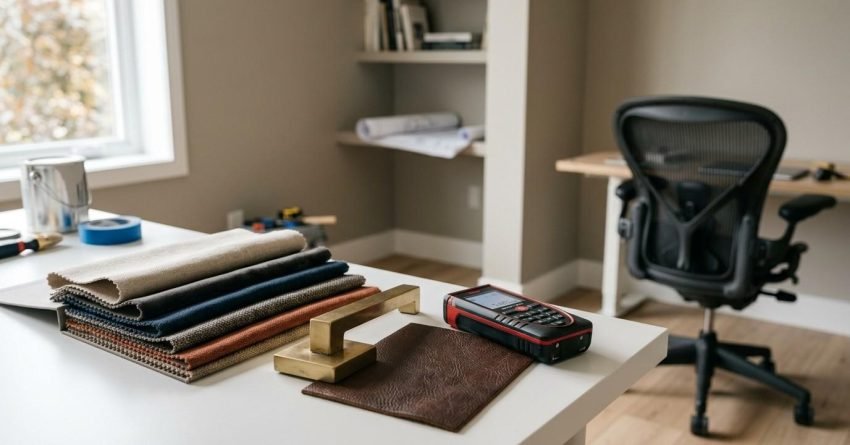
Renovating a small office in Sydney typically costs between $1,200 and $3,500 per square metre, depending on scope, finishes, and base building condition. A 50–100 sqm workspace generally lands between $60,000 and $250,000 when factoring in labour, materials, fit-out items, and compliance work. Understanding what drives those numbers helps owners, investors, and tenants plan accurately and avoid the cost blowouts that derail most first-time office renovation projects across NSW.
Average Cost to Renovate a Small Office in Sydney
A small office renovation in Sydney costs $1,200 to $3,500 per square metre on average. Basic refurbishments sit at the lower end, while premium fit-outs with custom joinery, glass partitions, and upgraded services reach the top of the range. A 70 sqm workspace usually budgets between $90,000 and $200,000 all-inclusive.
What’s Included in a Standard Small Office Renovation
A standard renovation covers demolition, partition work, flooring, ceiling repairs, painting, electrical upgrades, data cabling, lighting, HVAC adjustments, and basic joinery. Most projects also include glazing for meeting rooms, a small kitchenette refresh, and bathroom updates if required.
Compliance items such as fire services, accessibility upgrades, and council approvals often sit inside the build budget. Furniture, technology, and signage usually fall outside contractor pricing and require a separate fit-out allowance to keep numbers transparent from day one.
Cost Per Square Metre Benchmarks
Cosmetic refreshes such as paint, carpet, and lighting upgrades range from $800 to $1,200 per sqm. Mid-tier renovations involving new partitions, joinery, and services land between $1,500 and $2,500 per sqm. Premium workspaces with bespoke design, acoustic treatments, and integrated technology routinely exceed $3,000 per sqm.
Sydney CBD projects typically run 10 to 20 percent higher than suburban locations due to access restrictions, after-hours work, and strata requirements. Heritage buildings and older strata towers also carry premium pricing for compliance and structural considerations.
These benchmarks frame the macro budget, but how the fit-out scope shapes total cost is where most renovation budgets either hold firm or quietly unravel.
Key Factors That Influence Small Office Renovation Costs
Five variables drive the final number: floor area, base building condition, design complexity, finish quality, and project timeline. A tight programme requiring after-hours work adds 15 to 25 percent in labour costs. Older buildings often need electrical rewiring, asbestos removal, or structural reinforcement, all of which expand the budget quickly.
Council approval requirements in NSW, strata by-laws, and make-good obligations on leased premises also influence cost. Owner-occupiers have more flexibility, while tenants must factor in landlord conditions, end-of-lease reinstatement, and approval timelines that affect scheduling and contractor availability.
Labour, Materials, and Fit-Out Allowances
Labour typically represents 35 to 45 percent of total cost in Sydney, reflecting licensed trades, project management, and supervision. Materials and finishes account for 30 to 40 percent, with joinery, flooring, and glazing being the largest line items.
Fit-out allowances cover loose furniture, workstations, AV equipment, and signage. Budget $1,000 to $3,000 per workstation for quality commercial furniture. Allocate a separate technology budget for cabling, screens, and meeting room systems to keep the construction scope clean and accurately costed.
Hidden Costs and Budget Pitfalls to Avoid
Hidden costs derail more office renovations than design changes. Common surprises include asbestos discovery in pre-2000 buildings, outdated electrical switchboards requiring full upgrades, fire compliance shortfalls, and HVAC capacity issues uncovered during demolition. Each can add $5,000 to $40,000 unexpectedly.
Permit fees, professional consultants, certifier costs, and insurance often sit outside headline quotes. Variations during construction, extended timelines, and make-good obligations also catch tenants off guard. Setting aside 10 to 15 percent for contingency, alongside building a realistic renovation contingency, protects the project from the unexpected without compromising the finish.
Conclusion
Renovating a small office in Sydney usually sits between $60,000 and $250,000, shaped by scope, finishes, base building condition, and compliance requirements specific to NSW.
Smart budgeting prioritises value-adding upgrades, transparent allowances, and realistic contingency planning that supports long-term workplace performance and asset value for owners and investors alike.
At Sydney Home Renovation, we deliver transparent pricing, detailed budgets, and skilled workmanship. Talk to us today and renovate your office with confidence.
Frequently Asked Questions
How long does a small office renovation take in Sydney?
Most small office renovations take 6 to 12 weeks, depending on scope, approvals, and base building condition. Premium fit-outs with custom joinery may extend to 16 weeks.
Do I need council approval to renovate my office?
Cosmetic renovations rarely need approval, but structural changes, fire services, or facade alterations typically require a Complying Development Certificate or Development Application through the local Sydney council.
Can I renovate a leased office space?
Yes, with landlord consent. Tenants must follow strata by-laws, secure written approval, and budget for make-good obligations at lease end, which can add significant cost.
What’s the cheapest way to renovate a small office?
Focus on paint, flooring, lighting, and layout reconfiguration without moving services. Cosmetic-only renovations typically cost $800 to $1,200 per square metre in Sydney.
Is office renovation tax deductible in Australia?
Many renovation costs are depreciable as capital works or claimable as repairs. Consult a qualified tax accountant to confirm deductions specific to your business or investment property.


