The 75 Percent Rule in QLD is a building regulation that determines when the cost of renovation work on an existing structure triggers mandatory compliance with current building codes across the entire building, not just the area being renovated. It is a threshold rule, and crossing it changes the legal and financial scope of your project significantly.
For homeowners and property investors planning renovations in Queensland, understanding this rule before you budget is not optional. It can reshape your entire project cost structure, your approval pathway, and your timeline.
What the 75 Percent Rule Actually Means in QLD
The 75 Percent Rule states that if the cost of proposed building work equals or exceeds 75 percent of the current replacement value of the existing building, the entire structure must be brought into compliance with the current Queensland Development Code. This applies regardless of whether the work itself is confined to one room or one section of the property.
This rule exists under Queensland’s building legislation to ensure that substantial investment in older buildings does not leave the broader structure non-compliant with modern safety, accessibility, and structural standards. The Queensland Development Code works alongside the National Construction Code, applying state-specific provisions to existing buildings undergoing significant renovation work.
How the Threshold Is Calculated
The calculation compares two figures: the estimated cost of the proposed works and the current replacement value of the existing building. Replacement value is not the market value of the property. It refers to the cost of rebuilding the structure from the ground up at current construction rates, excluding land value.
If your proposed renovation is valued at $150,000 and the replacement value of your existing building is assessed at $180,000, your works represent 83 percent of replacement value. That exceeds the threshold.
Full code compliance obligations apply to the whole building. A licensed building certifier or private certifier in QLD calculates this assessment; it is not a figure you self-determine.
| Renovation Cost | Replacement Value | Percentage | Outcome |
| $100,000 | $180,000 | 56% | Below threshold – standard approval applies |
| $135,000 | $180,000 | 75% | At threshold – full compliance triggered |
| $150,000 | $180,000 | 83% | Above threshold – full compliance triggered |
Which Properties and Works the Rule Applies To
The rule applies to existing buildings undergoing alteration, addition, or renovation work that requires a building approval. It is most commonly triggered in older residential properties, commercial buildings, and investment properties where the existing structure was built under outdated codes.
New builds are not affected. Works that fall below the threshold still require approval but do not trigger whole-of-building compliance obligations.
Not every renovation activity counts toward the threshold calculation. Like-for-like repairs, routine maintenance, and cosmetic updates that do not involve structural, electrical, or wet area changes are typically assessed differently by a certifier and often fall outside the scope of the rule. The rule becomes most relevant when significant structural, electrical, or wet area work is planned on a property with a lower replacement value relative to the scope of renovation.
Why the 75 Percent Rule Matters for Renovation Planning
For homeowners and property investors, the 75 Percent Rule is not an abstract regulatory concept. It is a direct cost variable. If your renovation crosses the threshold, the compliance obligations that follow can add material cost, time, and complexity to a project that may have been scoped and budgeted without accounting for them.
This is particularly relevant for older Queensland properties where the existing structure may not meet current standards for fire safety, accessibility, energy efficiency, or structural integrity. Bringing the whole building into compliance can mean upgrades well beyond the original renovation scope.
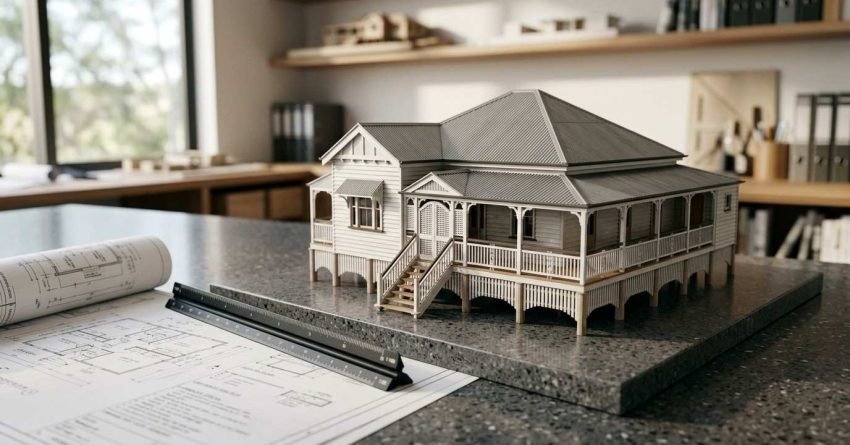
This exposure is especially common in Queensland’s older character housing stock, including timber-framed Queenslanders and pre-war residential buildings, where replacement values are often lower relative to the scope of renovation work being considered.
Investors renovating older rental properties face the same exposure. A bathroom or kitchen renovation that appears straightforward on paper can trigger obligations that extend to the entire dwelling if the replacement value calculation tips the project over the threshold.
What Happens When You Exceed the Threshold
When the 75 Percent Rule threshold is met or exceeded, the building certifier will require the entire building to comply with the current Queensland Development Code before a certificate of occupancy or compliance is issued. This can include structural upgrades, fire separation requirements, accessibility modifications, and updated electrical or plumbing standards across the whole property.
The practical consequence is a larger scope, a higher total cost, and a longer approval timeline. Projects that were not budgeted for whole-of-building compliance can face significant cost overruns if this rule is identified late in the planning process.
Identifying this exposure early protects the entire renovation timeline from unplanned delays.
Steps to Take Before You Start Renovating
Getting ahead of the 75 Percent Rule starts well before council submission or contractor engagement. A few practical steps reduce the risk of unwelcome surprises.
- Get a replacement value assessment early. Engage a certifier before finalising your renovation scope, not after.
- Scope your works clearly. A vague renovation brief makes accurate cost estimation harder and increases the risk of miscalculating your position against the threshold.
- Budget in a compliance contingency. Older properties with lower replacement values carry higher risk of crossing the threshold, so build flexibility into your budget from the outset.
- Sequence your renovation deliberately. Understand which works are structural or wet-area related, since these carry more weight in the threshold calculation than cosmetic updates.
- Ask your certifier direct questions. Confirm in writing where your project sits before committing to contracts or spending on design and documentation.

How to Reduce Your Risk of Triggering the Rule
Some renovation strategies genuinely reduce exposure to the 75 Percent Rule, though none guarantee avoidance if the underlying scope is substantial.
Reviewing your renovation priorities against your building’s replacement value helps clarify which elements of the project carry the most compliance risk. Structural changes, full wet area overhauls, and extensive electrical rewiring tend to push costs upward quickly relative to an older building’s replacement value.
We find that clients who separate “must-have” structural work from “nice-to-have” cosmetic upgrades early in the planning process make better-informed decisions about where their budget goes. This does not mean deliberately splitting a genuinely unified renovation into artificial stages purely to dodge the threshold. Certifiers assess intended scope holistically, and that strategy carries real compliance risk of its own.
Common Misconceptions About the 75 Percent Rule
Several misunderstandings about this rule lead renovators into avoidable problems.
The first is confusing replacement value with market value. A property with a high market value due to land or location may have a relatively modest replacement value for the structure itself. This means the threshold can be reached more easily than owners expect on older or smaller dwellings.
The second is assuming the rule only applies to large-scale renovations. A targeted but high-cost renovation, such as a full structural bathroom and kitchen overhaul in an older low-value building, can cross the threshold even without touching the rest of the property.
The third is believing the rule can be avoided by splitting works across multiple approvals or stages. Queensland’s building legislation accounts for cumulative works in some circumstances, and a certifier will assess the full scope of intended works rather than isolated applications designed to stay below the threshold.
Getting an accurate replacement value assessment and a clear scope review from a qualified certifier before committing to a renovation budget remains the most reliable way to understand your actual compliance exposure.
Conclusion
The 75 Percent Rule in QLD sets the point at which renovation costs trigger full building code compliance for the entire structure, not just the works being undertaken.
For renovators and investors, identifying where your project sits relative to this threshold before finalising your budget protects you from compliance costs that can significantly expand your scope and spend.
At Sydney Home Renovation, we help you plan renovations with full cost transparency from the start, so compliance obligations are factored in before they become surprises.
Frequently Asked Questions
Does the 75 Percent Rule apply to bathroom renovations specifically?
It applies to any building work requiring approval. A bathroom renovation can trigger the rule if its cost reaches or exceeds 75 percent of the building’s replacement value, regardless of the work’s location within the property.
Who determines the replacement value of my building in QLD?
A licensed building certifier or private certifier calculates the replacement value. It reflects the cost to rebuild the structure at current rates and excludes land value entirely.
Can I stage my renovation to avoid the 75 Percent Rule?
Staging works across separate approvals does not reliably avoid the rule. Certifiers assess the full intended scope of works, and cumulative renovations may still be evaluated against the threshold.
Does the 75 Percent Rule apply to investment properties in QLD?
Yes. The rule applies to all existing residential and commercial buildings undergoing renovation work that requires a building approval, including investment and rental properties.
What building codes apply if the 75 Percent Rule threshold is exceeded?
The entire building must comply with the current Queensland Development Code. This can include updated requirements for fire safety, structural integrity, accessibility, energy efficiency, and electrical and plumbing standards across the whole structure.
How do I estimate my renovation cost for the threshold calculation?
Your builder or certifier prepares a detailed cost estimate covering labour, materials, and compliance work. This estimate is compared directly against your building’s assessed replacement value.