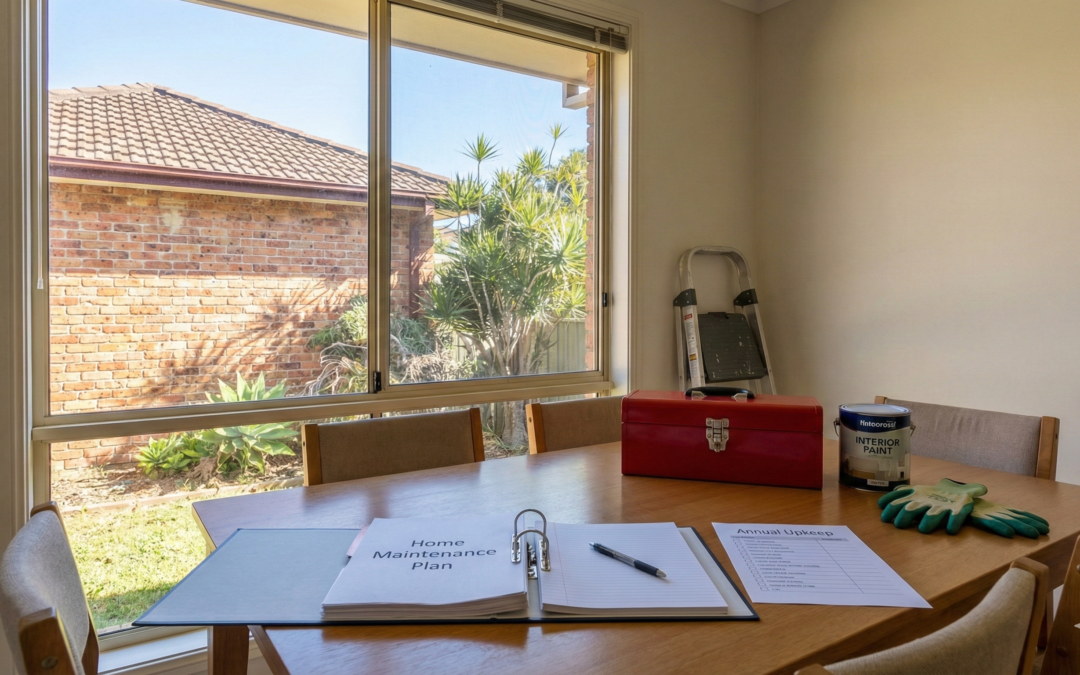
The 1% rule for home maintenance means you save 1% of your property’s value each year for repairs and upkeep. Sydney homeowners often feel stressed about surprise repair bills. They worry about roof leaks, plumbing problems, and HVAC system breakdowns. This simple rule helps you plan ahead and avoid financial shock.
Expert Home Renovations Contractors understand these worries well. We help Sydney families budget smart for their home renovation budget and maintenance needs. Our team knows local property challenges and trusted solutions.
This post will teach you how the 1% rule works in Australia. You will learn real examples, cost breakdowns, and common mistakes to avoid. Keep reading to protect your Sydney home and wallet.
Explanation for the Australian Context — What Is the 1% Rule for Home Maintenance in Sydney, Australia?
The 1% rule recommends budgeting 1% of your property’s market value annually for maintenance. Sydney property owners use this guideline to prepare for routine upkeep. They also use it for unexpected repair costs.
This rule serves as a financial planning tool. It helps you set aside money each month. As property values rise, labour and material costs increase too. The rule adjusts with your home’s worth.
However, the 1% rule is just a starting point. Actual home maintenance costs vary widely. Your specific needs depend on several key factors.
Age of the Property
Newer homes under 10 years old often align with the 1% estimate. These properties have fresh roofing, modern plumbing systems, and updated electrical panels. They need fewer repairs.
Older homes over 30 years require more money. They may need 2% to 4% of the property value. The HVAC system, windows, and insulation often need replacement.
Condition and Size
Large homes and poorly maintained properties need higher annual budgets. A bigger house has more flooring, walls, and lighting fixtures to maintain. Size directly affects your costs.
The current condition matters greatly. Homes with deferred maintenance need catch-up repairs. These properties often face structural work and major system updates.
Location/Climate
Properties in coastal Sydney areas need extra funds for weather-related upkeep. Salt air damages siding, windows, and doors faster. Humid locations cause mould and rot problems.
Harsh climate exposure increases maintenance needs. Sydney’s hot summers stress HVAC systems. Heavy rains test roofing and gutter systems regularly.
Examples of the 1% Rule in Practice for Sydney, Australia
Sydney homeowners can use real numbers to understand this rule better. The examples below show practical applications. They help you plan your renovation project planning and maintenance fund.
Annual and Monthly Budgeting for Different Property Values
A $500,000 Sydney home requires about $5,000 annually under the 1% rule. This equals roughly $416 per month. You can set this aside in a dedicated savings account.
| Property Value | Annual Budget (1%) | Monthly Budget |
| $500,000 | $5,000 | $416 |
| $750,000 | $7,500 | $625 |
| $1,000,000 | $10,000 | $833 |
| $1,500,000 | $15,000 | $1,250 |
These figures provide a baseline. Older properties may need the 2-4% rule instead. Adjust based on your home’s specific condition.
How to Calculate and Allocate the Maintenance Fund
You calculate the fund by taking 1% of your property’s current market value. Divide this number by 12 for monthly savings. Set up automatic transfers to build your fund.
Customers struggle with staying consistent. They often skip months when money feels tight. The system works by treating maintenance savings like a regular bill.
You can solve this by automating your savings. Create a separate account just for home repairs. This approach prevents spending the money on other things.
What the Maintenance Budget Covers
The maintenance budget covers both routine tasks and major repairs. It focuses on preserving your property’s current condition. This fund does not cover home addition cost or value-adding upgrades.
Routine Maintenance Tasks
Routine maintenance includes regular upkeep tasks throughout the year. These jobs keep your home running smoothly. They prevent small problems from becoming expensive disasters.
Common routine tasks include:
- Gutter cleaning and inspection
- Garden care and landscaping
- Pest control treatments
- Smoke alarm checks and battery replacement
- HVAC system servicing
- Appliances maintenance
- Paint touch-ups
- Deck or patio cleaning
These tasks cost less individually. However, they add up over the year. Regular maintenance extends the life of major systems.
Major Repairs
Major repairs involve significant work on key home systems. These expenses often surprise homeowners. The 1% fund helps cover these larger costs.
The most expensive home repairs usually involve:
- Roofing replacement cost and repairs
- Plumbing upgrades and pipe replacement
- Electrical upgrades and rewiring
- HVAC upgrade cost and replacement
- Hot water system replacement
- Foundation and structural repairs
- Window replacement cost
These repairs can cost thousands of dollars. Your maintenance fund provides a safety net. It prevents financial stress during emergencies.
How the 1% Rule Works for Australian Properties in Sydney
The 1% rule provides a simple formula for Sydney property owners. You multiply your home’s market value by 0.01. This gives you the annual maintenance budget.
Sydney’s property market has unique characteristics. Home values have risen significantly in recent years. This means maintenance budgets should increase accordingly.
The rule accounts for rising costs. As property values climb, labour and materials become more expensive. Your percentage-based budget adjusts automatically.
Homeowners should review their budget yearly. Property values change with market conditions. Update your calculations to stay prepared.
This approach works well for renovation cost breakdown planning too. You can allocate portions of your fund to specific projects. This helps with renovation project planning and prioritization.
Average Home Maintenance Costs in Sydney, Australia
Sydney homeowners face varying maintenance costs based on property type. Understanding these differences helps with accurate budgeting. Each property style has unique maintenance requirements.
Costs for Freestanding Houses
Freestanding houses in Sydney typically require the full 1% budget or more. These properties have complete responsibility for all systems. Owners maintain everything from roof to driveway.
A typical Sydney house needs funds for:
- Exterior upgrades and siding replacement cost
- Roofing maintenance and eventual replacement
- Landscaping and outdoor living space design
- Full plumbing system and electrical panel care
- Garage renovation cost and maintenance
Larger homes cost more to maintain. A 300-square-metre house needs more flooring, paint, and insulation. The square-metre-based estimates suggest $10 per square metre annually.
Costs for Townhouses and Duplexes
Townhouses and duplexes share some maintenance responsibilities. This can reduce individual costs slightly. However, owners still maintain significant portions.
These properties typically need:
- Interior walls, flooring, and paint
- Private courtyard or patio maintenance
- Kitchen and bathroom upkeep
- Appliances and lighting fixtures
- Shared driveway contributions
The 1% rule still applies here. Shared walls reduce some exterior costs. However, interior maintenance remains your responsibility.
Costs for Apartments and Strata Fees
Apartment owners pay strata fees that cover common area maintenance. These fees handle roof, exterior walls, and shared systems. Individual owners maintain their unit interiors.
Strata fees vary widely across Sydney. They typically range from $500 to $2,000 quarterly. These fees cover:
- Building insurance
- Common area cleaning
- Lift maintenance
- Shared plumbing and electrical systems
- External painting cost estimate
Apartment owners should still budget for internal maintenance. Kitchen remodel budget, bathroom remodel budget, and flooring replacement cost remain personal expenses.
Common Mistakes Homeowners Make With the 1% Rule
Many Sydney homeowners make avoidable errors with their maintenance budgets. These mistakes lead to financial stress and property damage. Learning from others helps you plan better.
Underestimating Structural Work
Homeowners often underestimate the cost of structural repairs. They budget for small fixes but ignore bigger issues. Foundation problems and wall damage cost significantly more.
Structural work requires professional assessment. General contractor fees add to the total cost. Renovation permits may also be necessary.
Customers struggle with these surprise expenses. They drain the maintenance fund quickly. Building a larger buffer helps manage these situations.
Ignoring Climate-Related Deterioration
Sydney’s climate causes specific damage that homeowners overlook. Coastal salt air corrodes metal fixtures. Summer heat stresses HVAC systems and roofing.
Heavy rainfall tests gutters and drainage systems. UV exposure fades paint and damages siding. These climate factors accelerate wear and tear.
You can solve this by scheduling regular inspections. Check vulnerable areas before problems grow. Preventive maintenance saves money long-term.
Not Adjusting Budget Annually
Many homeowners set their budget once and never update it. Property values change yearly. Your maintenance fund should adjust accordingly.
Sydney property values have increased substantially. A home worth $800,000 five years ago may now be worth $1,200,000. Your budget should reflect current values.
Review your calculations each year. Check recent property sales in your area. Update your monthly savings amount to match.
When the 1% Rule Doesn’t Apply
The 1% rule doesn’t work for every Sydney property situation. Some homes need significantly more funding. Others may need less in certain years.
The rule falls short for:
- Heritage properties with special requirements
- Homes with major deferred maintenance
- Properties over 50 years old
- Houses with known structural issues
- Homes in extreme weather locations
New construction may need less initially. However, warranty periods eventually expire. Costs typically increase after the first decade.
Luxury remodel options and custom renovation ideas fall outside this rule. The 1% budget covers maintenance only. Home improvement costs for upgrades require separate funding.
Investment properties may use the 10% rule instead. This allocates 10% of annual rental income toward maintenance. Landlords often prefer this calculation method.
Comparison of the 1% Rule vs Other Budget Frameworks
Several budgeting methods exist beyond the basic 1% rule. Each approach has advantages and limitations. Sydney homeowners can choose the best fit for their situation.
The 2–4% Rule
The 2-4% rule works better for older Australian properties. Homes over 30 years typically need this higher percentage. Major systems approach replacement age.
This rule accounts for:
- Aging plumbing systems and electrical panels
- Worn roofing and siding
- Outdated HVAC systems
- Deteriorating windows and doors
- Failing insulation improvement needs
Older Sydney homes often fall into this category. Many inner-city properties exceed 50 years old. These homes benefit from higher budget allocations.
Square-Metre-Based Estimates
Square-metre estimates suggest budgeting $10 per square metre annually. This method focuses on home size rather than value. It provides a different calculation approach.
A 200-square-metre home would need $2,000 yearly. A 400-square-metre home would need $4,000. This method works well for whole house remodel budget planning.
The calculation is simple and straightforward. However, it ignores property condition and age. Combining methods often produces better estimates.
Hybrid Budgeting Approaches
Hybrid approaches combine multiple methods for accurate budgeting. Smart homeowners use several calculations together. They choose the highest result as their target.
A hybrid approach might include:
- Calculate 1% of property value
- Calculate $10 per square metre
- Add 1% extra for homes over 20 years
- Add climate adjustment for coastal properties
This comprehensive method catches more potential costs. It provides better protection against surprise expenses. Cost overrun planning becomes easier with larger buffers.
Conclusion
The 1% rule gives Sydney homeowners a simple starting point for maintenance budgeting. This guideline helps you prepare for routine upkeep and unexpected repairs. Adjusting the percentage based on property age, condition, and location ensures accurate planning.
We are the trusted home renovation contractor Sydney families rely on for expert guidance. Sydney Home Renovation understands local property challenges and maintenance needs. Our team delivers quality solutions for homes and businesses across the region.
Contact Sydney Home Renovation today for your renovation project planning needs. We help you budget wisely and complete projects on time. Call us now to discuss your home improvement costs and maintenance goals.