
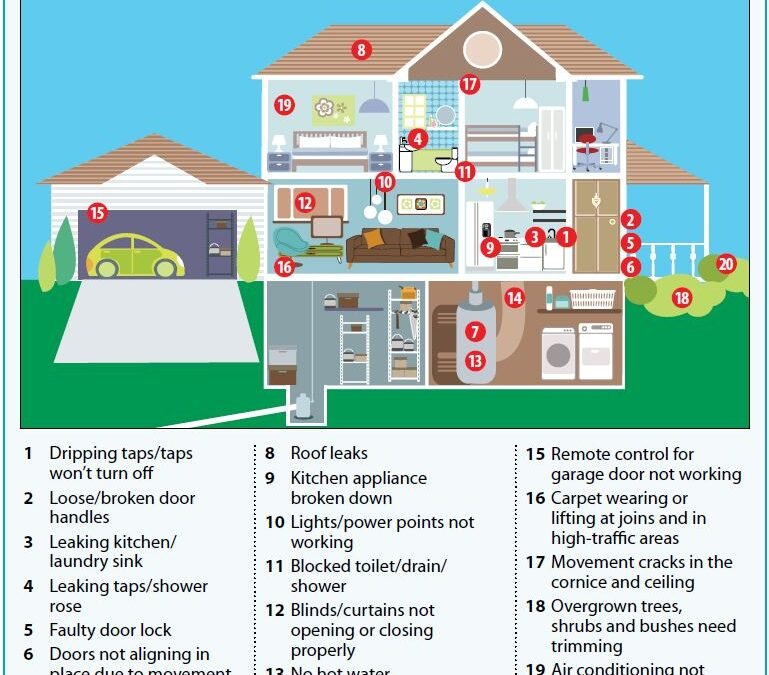
Structural damage, deferred maintenance, and outdated electrical or plumbing systems hurt home appraisals the most. In Sydney’s competitive property market, these issues can reduce your appraised value by tens of thousands of dollars, directly affecting refinancing options, sale prices, and equity positions.
Understanding what appraisers look for gives you control over your property’s valuation outcome. Whether you’re preparing to sell, refinance, or simply protect your investment, knowing these value killers helps you prioritise repairs strategically.
This guide breaks down the specific factors that damage appraisal values in Sydney, from major structural concerns to simple presentation mistakes, plus actionable steps to protect your property’s worth.
Understanding Home Appraisals in Sydney
What Is a Home Appraisal and Why Does It Matter?
A home appraisal is an independent assessment of your property’s market value conducted by a licensed valuer. Banks require appraisals for mortgage approvals, refinancing applications, and equity releases. The appraised figure determines how much you can borrow against your property and influences buyer perception during sales.
Appraisers evaluate three core elements: the property’s physical condition, comparable recent sales in your area, and current market conditions. They inspect structural integrity, functional systems, room dimensions, and overall presentation. Unlike real estate agent estimates, appraisals follow strict methodologies that lenders trust for lending decisions.
A low appraisal creates immediate problems. It can derail refinancing plans, reduce your borrowing capacity, or force price reductions during sales negotiations. For property investors, it affects portfolio valuations and future investment capacity.
How Sydney Property Appraisals Differ from Other Markets
Sydney’s property market operates under unique pressures that influence appraisal outcomes. High land values mean the dwelling condition carries significant weight in total property assessments. A poorly maintained home on valuable Sydney land represents unrealised potential that appraisers must account for.
NSW building regulations and compliance requirements also affect valuations. Appraisers check for compliant building work, proper certifications, and adherence to local council requirements. Non-compliant work triggers automatic value reductions and can complicate future sales.
The Sydney market’s price volatility means comparable sales data shifts rapidly. Appraisers rely on recent transactions within tight geographic boundaries, making neighbourhood conditions particularly influential on individual property values.
Major Structural Issues That Hurt Appraisal Value
Foundation Problems and Subsidence
Foundation damage represents the most severe appraisal penalty. Cracked foundations, settling, and subsidence signal potential structural failure that requires expensive remediation. Appraisers treat foundation issues as major defects requiring immediate disclosure and significant value adjustments.
Signs include visible cracks in external brickwork, doors and windows that stick or won’t close properly, and uneven floors. In Sydney, reactive clay soils in western suburbs make foundation movement particularly common. Properties showing foundation distress typically see appraisal reductions of 15-25% depending on severity.
Remediation costs for foundation repairs in Sydney range from $10,000 for minor underpinning to $100,000+ for major stabilisation work. Appraisers factor these repair costs directly into their valuations, often adding contingency margins that further reduce assessed values.
Roof Damage and Deterioration
Roof condition directly affects habitability assessments. Missing tiles, sagging rooflines, damaged flashing, and visible leaks indicate water ingress risks that appraisers must flag. A compromised roof suggests potential damage to internal structures, insulation, and electrical systems.
Sydney’s coastal climate accelerates roof deterioration through salt exposure, UV damage, and storm impacts. Terracotta tiles common in older Sydney homes become porous over time, while metal roofing develops corrosion in coastal areas. Appraisers look for these age-related deterioration patterns.
Roof replacement costs in Sydney typically range from $15,000 to $35,000 for standard homes. Appraisers deduct estimated repair costs plus a risk margin, meaning a roof needing replacement could reduce your appraisal by $40,000-$50,000 when accounting for uncertainty factors.
Water Damage and Moisture Issues
Water damage creates cascading problems that appraisers treat seriously. Visible water stains, mould growth, musty odours, and bubbling paint indicate ongoing moisture issues. These problems suggest potential structural timber damage, health hazards, and hidden deterioration.
Rising damp affects many older Sydney properties, particularly those built before modern damp-proof courses became standard. Appraisers check subfloor areas, inspect wall bases, and look for salt deposits indicating moisture migration through masonry.
Moisture problems require investigation to determine scope, making them particularly damaging to appraisals. Appraisers cannot assess hidden damage extent, so they apply conservative valuations that assume worst-case scenarios. Documented remediation with warranties helps restore value.
Deferred Maintenance That Lowers Your Appraisal
Neglected Exterior and Curb Appeal Problems
First impressions matter in appraisals. Peeling exterior paint, damaged gutters, cracked driveways, and overgrown gardens signal neglect that appraisers interpret as potential hidden maintenance issues. Poor curb appeal suggests the owner hasn’t maintained less visible elements either.
Exterior timber rot around windows, doors, and fascia boards indicates moisture exposure and structural vulnerability. Appraisers note these conditions as requiring immediate attention, factoring repair costs into their assessments.
Addressing exterior maintenance before appraisals offers strong return on investment. Fresh exterior paint, cleaned gutters, and basic landscaping typically cost $5,000-$15,000 but can improve appraisals by $20,000-$40,000 by removing visible neglect signals.
Outdated or Damaged Flooring
Flooring condition affects both aesthetic appeal and functional assessments. Worn carpets, damaged hardwood, cracked tiles, and uneven surfaces reduce appraisal values. Appraisers consider replacement costs and factor in the disruption and expense of flooring work.
Original hardwood floors in good condition add value to Sydney properties, reflecting the premium buyers place on period features. However, damaged or poorly maintained hardwood requires expensive restoration, negating this benefit.
Water-damaged flooring near bathrooms, kitchens, and laundries raises concerns about underlying structural damage. Appraisers may request further investigation or apply precautionary value reductions when flooring damage suggests potential subfloor problems.
Peeling Paint and Wall Damage
Interior paint condition reflects overall maintenance standards. Peeling paint, water stains, cracks, and holes indicate neglect and potential underlying issues. Appraisers view these as maintenance deferrals that suggest broader property care problems.
Hairline cracks in plaster are common in older Sydney homes and generally don’t concern appraisers. However, larger cracks, particularly diagonal cracks near doors and windows, suggest structural movement requiring investigation.
Fresh interior paint represents one of the highest-return pre-appraisal investments. Professional interior painting for a typical Sydney home costs $8,000-$15,000 but removes visible neglect signals and presents the property in its best light.
Outdated Systems and Mechanical Failures
Old Electrical Wiring and Safety Hazards
Electrical system condition significantly impacts appraisals. Outdated wiring, insufficient power capacity, and safety hazards require disclosure and value adjustment. Appraisers identify old ceramic fuses, exposed wiring, and non-compliant installations as serious defects.
Many Sydney homes built before 1980 retain original electrical systems that don’t meet current safety standards. While not requiring immediate replacement, these systems limit functionality and present upgrade costs that appraisers factor into valuations.
Complete electrical rewiring for a Sydney home typically costs $15,000-$30,000 depending on size and complexity. Appraisers deduct these costs plus contingency margins, potentially reducing appraisals by $35,000-$50,000 for properties with significantly outdated electrical systems.
Ageing Plumbing and Pipe Deterioration
Plumbing condition affects both functionality and structural integrity assessments. Old galvanised pipes, visible corrosion, low water pressure, and drainage issues indicate systems approaching end-of-life. Appraisers treat plumbing problems as major functional defects.
Sydney properties built before 1970 often retain original galvanised steel pipes that corrode internally, restricting water flow and eventually failing. Copper and PVC replacements offer 50+ year lifespans but require significant investment to install.
Plumbing replacement costs range from $10,000 for partial upgrades to $40,000+ for complete system replacement. Visible plumbing problems or documented pipe age triggers appraisal deductions that account for both repair costs and potential water damage risks.
Inefficient Heating and Cooling Systems
Climate control systems affect comfort assessments and operating cost calculations. Non-functional, inefficient, or absent heating and cooling reduces appraisal values, particularly in Sydney’s climate where summer cooling is essential for comfortable living.
Appraisers note system age, condition, and capacity relative to property size. Undersized or ageing systems require replacement, with costs factored into valuations. Ducted air conditioning in good condition adds value, while window units or absent cooling reduces it.
Modern split-system air conditioning installation costs $2,000-$5,000 per unit, while ducted systems range from $10,000-$25,000. Properties lacking adequate climate control in Sydney’s market face appraisal penalties that often exceed installation costs.
Bathroom and Kitchen Condition Impact
How Outdated Bathrooms Affect Appraisal Value
Bathrooms significantly influence appraisal outcomes because they represent high-cost renovation items. Outdated fixtures, damaged surfaces, poor ventilation, and non-functional elements reduce values substantially. Appraisers assess bathrooms against current market expectations.
1970s and 1980s bathrooms with original coloured suites, textured tiles, and dated vanities signal major renovation requirements. Appraisers calculate replacement costs and apply these as value deductions, often with additional margins for disruption and uncertainty.
A complete bathroom renovation in Sydney typically costs $25,000-$45,000 for a standard bathroom. Properties with multiple outdated bathrooms face compounding deductions that can reduce appraisals by $60,000-$100,000 compared to renovated equivalents.
Functional issues matter more than aesthetics. Leaking showers, damaged waterproofing, and non-compliant plumbing create immediate repair requirements that appraisers must account for. Water damage from bathroom failures can affect adjacent rooms, expanding the scope of necessary repairs.
Kitchen Condition and Functionality Issues
Kitchens carry similar weight to bathrooms in appraisal assessments. Outdated layouts, worn benchtops, damaged cabinetry, and non-functional appliances reduce values. Appraisers evaluate kitchens against comparable properties and current buyer expectations.
Layout functionality matters alongside condition. Kitchens lacking adequate bench space, storage, or modern appliance provisions receive lower assessments regardless of surface condition. Appraisers recognise that poorly designed kitchens require complete replacement rather than cosmetic updates.
Kitchen renovation costs in Sydney range from $20,000 for budget updates to $60,000+ for complete replacements. Appraisers deduct estimated renovation costs, meaning a dated kitchen could reduce your appraisal by $30,000-$70,000 depending on condition and layout issues.
Cost-Effective Updates That Protect Value
Strategic updates can protect appraisal values without complete renovation. Replacing tapware, updating lighting, regrouting tiles, and painting cabinetry address visible wear at fraction of full renovation costs. These updates signal maintenance without triggering major renovation expectations.
Focus on functionality over aesthetics for appraisal purposes. Ensure all fixtures work properly, drains flow freely, and ventilation operates effectively. Functional bathrooms and kitchens in dated condition appraise better than partially renovated spaces with unfinished work.
Document any updates with receipts and before/after photos. Appraisers appreciate evidence of maintenance investment, and documentation helps justify higher valuations by demonstrating active property care.
Unpermitted Work and Compliance Issues
Illegal Additions and Unapproved Renovations
Unpermitted work creates serious appraisal complications. Illegal additions, unapproved structural changes, and non-compliant renovations cannot be included in official valuations. Appraisers must value the property as legally approved, potentially ignoring significant improvements.
Common unpermitted work includes enclosed verandahs, garage conversions, additional bathrooms, and granny flats built without council approval. While these additions may function perfectly, their legal status prevents appraisers from attributing value to them.
Worse, unpermitted work can trigger negative value adjustments. Appraisers may note compliance risks, potential demolition requirements, and legal complications that reduce overall property valuations below what the property would achieve without the illegal additions.
Non-Compliant Building Work in NSW
NSW building regulations require development approval for most structural work, additions, and significant renovations. Work completed without proper approvals lacks compliance certificates, creating legal and valuation problems that persist until rectified.
Appraisers check council records for approved building work and compare against physical inspections. Discrepancies between approved plans and actual construction indicate unpermitted modifications requiring investigation. This uncertainty reduces appraisal confidence and values.
Post-1998 work in NSW should have compliance certificates from private certifiers or council. Absence of these documents for significant renovations raises red flags that appraisers must note, potentially triggering lender concerns that complicate financing.
How to Rectify Permit Issues Before Appraisal
Resolving permit issues before appraisal protects your property value. Contact your local council to determine what approvals exist and what work requires retrospective approval. Many councils offer pathways to legitimise existing work through building certificates.
Building certificates confirm that existing structures meet safety requirements, even if original approvals weren’t obtained. While not equivalent to development approval, building certificates provide documentation that appraisers can reference when assessing unpermitted work.
Engage a building certifier to assess unpermitted work and advise on compliance pathways. Costs for retrospective approvals vary significantly based on work scope and compliance status, but resolving these issues before appraisal typically improves valuations substantially.
External Factors That Negatively Impact Appraisals
Location and Neighbourhood Concerns
Location factors affect appraisals regardless of property condition. Proximity to busy roads, industrial areas, flight paths, and undesirable land uses reduces values. Appraisers apply location adjustments that reflect market preferences and comparable sales evidence.
Neighbourhood decline affects individual property appraisals. Increasing rental concentrations, rising vacancy rates, and deteriorating neighbouring properties signal area concerns that appraisers factor into assessments. These external factors lie beyond individual owner control.
Sydney’s diverse suburbs show significant location premiums and penalties. Properties near transport, schools, and amenities command higher appraisals, while those in less desirable locations face persistent value constraints regardless of property improvements.
Nearby Property Conditions and Comparable Sales
Appraisers rely heavily on comparable sales within tight geographic boundaries. Recent sales of similar properties establish value benchmarks that individual appraisals cannot significantly exceed. Poor comparable sales directly limit your appraisal potential.
Neighbouring property conditions influence perceptions of your property. Poorly maintained adjacent homes, visible neglect, and neighbourhood eyesores affect how appraisers view your property’s market position and buyer appeal.
You cannot control comparable sales or neighbour behaviour, but understanding these influences helps set realistic appraisal expectations. Properties in areas with strong recent sales and well-maintained neighbours consistently achieve higher appraisals.
Environmental Hazards and Flood Zones
Environmental factors create permanent appraisal constraints. Flood zone designation, bushfire risk ratings, contaminated land status, and coastal erosion concerns trigger mandatory disclosures and value adjustments that reflect increased risk and insurance costs.
Sydney’s flood mapping has expanded significantly following recent events, affecting properties not previously considered flood-prone. Appraisers now apply stricter flood risk assessments that reduce values for affected properties, sometimes substantially.
Contamination from previous land uses, particularly former industrial sites, affects appraisals even after remediation. Appraisers note contamination history and may apply ongoing value adjustments reflecting market perception and potential future liability.
Poor Presentation and Cosmetic Neglect
Clutter and Cleanliness Issues
Presentation affects appraisal outcomes more than many owners realise. Cluttered, dirty, or poorly presented properties create negative impressions that influence appraiser assessments. While appraisers aim for objectivity, presentation affects their perception of property condition and maintenance standards.
Excessive clutter prevents proper inspection of floors, walls, and fixtures. Appraisers cannot assess what they cannot see, potentially leading to conservative valuations that assume hidden problems. Clear, accessible spaces enable thorough inspection and confident assessment.
Deep cleaning before appraisals removes surface neglect signals. Clean windows, fresh-smelling rooms, and tidy spaces present your property positively without requiring renovation investment. This simple preparation can influence appraisal outcomes favourably.
Odours and Pet Damage
Persistent odours significantly impact appraisals. Smoke damage, pet odours, mould smells, and cooking residue suggest embedded contamination requiring professional remediation. Appraisers note odour issues as condition defects requiring attention.
Pet damage extends beyond odours to include scratched floors, stained carpets, damaged doors, and compromised outdoor areas. Appraisers assess repair costs for visible pet damage and may apply additional deductions for suspected hidden damage.
Address odours before appraisals through professional cleaning, carpet shampooing, and adequate ventilation. Remove pets during inspections and ensure their presence isn’t obvious through damage or smell. These steps protect against odour-related value reductions.
Landscaping and Outdoor Space Neglect
Outdoor areas contribute to overall property assessments. Overgrown gardens, dead lawns, damaged fencing, and neglected outdoor structures reduce appraisal values. Appraisers view outdoor neglect as maintenance deferral indicating broader property care issues.
Sydney’s climate enables year-round outdoor living, making outdoor spaces particularly valuable. Well-maintained gardens, functional entertaining areas, and attractive landscaping add measurable value that appraisers recognise in their assessments.
Basic landscaping maintenance before appraisals offers strong returns. Mowing lawns, trimming hedges, removing rubbish, and adding fresh mulch costs minimal amounts but significantly improves presentation and appraiser perception.
How to Protect Your Home Appraisal Value
Priority Repairs Before an Appraisal
Focus repair efforts on items appraisers weight most heavily. Structural issues, roof condition, and water damage take priority over cosmetic concerns. Address safety hazards, functional defects, and visible deterioration before aesthetic improvements.
Create a repair priority list based on appraisal impact:
- Critical: Structural damage, roof leaks, electrical hazards, plumbing failures
- High: Water damage, non-functional systems, major maintenance deferrals
- Medium: Outdated bathrooms and kitchens, worn flooring, exterior deterioration
- Low: Cosmetic updates, minor wear, dated finishes
Budget constraints require strategic allocation. Spending $10,000 fixing a roof leak delivers better appraisal returns than spending the same amount on cosmetic kitchen updates. Prioritise repairs that remove major defect flags from appraisal reports.
Documentation and Renovation Records
Comprehensive documentation supports higher appraisals. Maintain records of all repairs, renovations, and maintenance including receipts, permits, compliance certificates, and contractor details. This evidence demonstrates property care and justifies value claims.
Provide appraisers with renovation summaries highlighting recent improvements. Include scope of work, completion dates, costs, and any relevant certifications. This information helps appraisers accurately assess improvements that might not be immediately visible.
Building and pest inspection reports, if recent and favourable, support appraisal values by providing independent condition verification. Share these reports with appraisers to demonstrate property condition and reduce uncertainty in their assessments.
Working with Professional Contractors
Professional repairs and renovations protect appraisal values better than DIY work. Licensed contractors provide warranties, comply with regulations, and deliver quality that appraisers recognise. DIY work, particularly on structural or system elements, raises quality and compliance concerns.
Obtain multiple quotes for significant repairs to understand fair pricing and scope. Appraisers familiar with local construction costs can identify work that appears substandard or incomplete, potentially raising questions about quality and compliance.
Choose contractors who provide proper documentation including contracts, progress photos, completion certificates, and warranty information. This documentation supports future appraisals by demonstrating professional workmanship and regulatory compliance.
Conclusion
Structural damage, deferred maintenance, and outdated systems consistently hurt home appraisals the most in Sydney’s property market. Understanding these factors empowers you to prioritise repairs strategically, protect your property’s value, and approach appraisals with confidence.
Your home represents a significant investment that deserves professional care and attention. By addressing the issues outlined in this guide, you position your property for stronger appraisals, better financing options, and improved sale outcomes when the time comes.
We help Sydney homeowners protect and enhance their property values through quality renovation work. Contact Sydney Home Renovation today to discuss how strategic improvements can strengthen your next appraisal and maximise your property’s potential.
Frequently Asked Questions
What is the biggest factor that affects a home appraisal?
Structural condition has the greatest impact on home appraisals. Foundation problems, roof damage, and water intrusion trigger the largest value reductions because they indicate expensive repairs and potential safety concerns. Appraisers treat structural issues as major defects requiring immediate attention and significant price adjustments.
Can a messy house lower an appraisal?
Yes, excessive clutter and poor cleanliness can lower appraisals. Mess prevents proper inspection of floors, walls, and fixtures, leading appraisers to make conservative assumptions about hidden condition. Clean, decluttered spaces enable thorough assessment and present your property more favourably.
Do bathroom renovations increase appraisal value?
Updated bathrooms typically increase appraisal values, but returns depend on renovation quality and existing condition. Replacing a severely dated bathroom removes major value penalties, while upgrading an already functional bathroom offers smaller gains. Focus on functionality, waterproofing, and quality finishes for best appraisal outcomes.
How much do structural issues reduce home value?
Structural issues can reduce home values by 15-30% depending on severity and repair costs. Foundation problems, significant roof damage, and major water intrusion trigger the largest reductions. Appraisers deduct estimated repair costs plus contingency margins, often exceeding actual repair expenses.
Does unpermitted work affect home appraisal in NSW?
Unpermitted work significantly affects NSW home appraisals. Appraisers cannot include illegal additions in official valuations and must note compliance concerns that may reduce overall property values. Rectifying permit issues through council or building certificates before appraisal helps protect your property’s assessed value.
Can I dispute a low home appraisal?
You can request appraisal reconsideration by providing additional comparable sales evidence, documentation of recent improvements, or correction of factual errors. Lenders may order second appraisals in some circumstances. However, disputing appraisals based on methodology disagreements rarely succeeds without clear factual errors.
How do I prepare my home for an appraisal in Sydney?
Prepare by completing essential repairs, deep cleaning throughout, decluttering all spaces, and gathering documentation of improvements. Ensure all systems function properly, address obvious maintenance issues, and present outdoor areas tidily. Provide appraisers with renovation records and recent inspection reports to support your property’s value.