
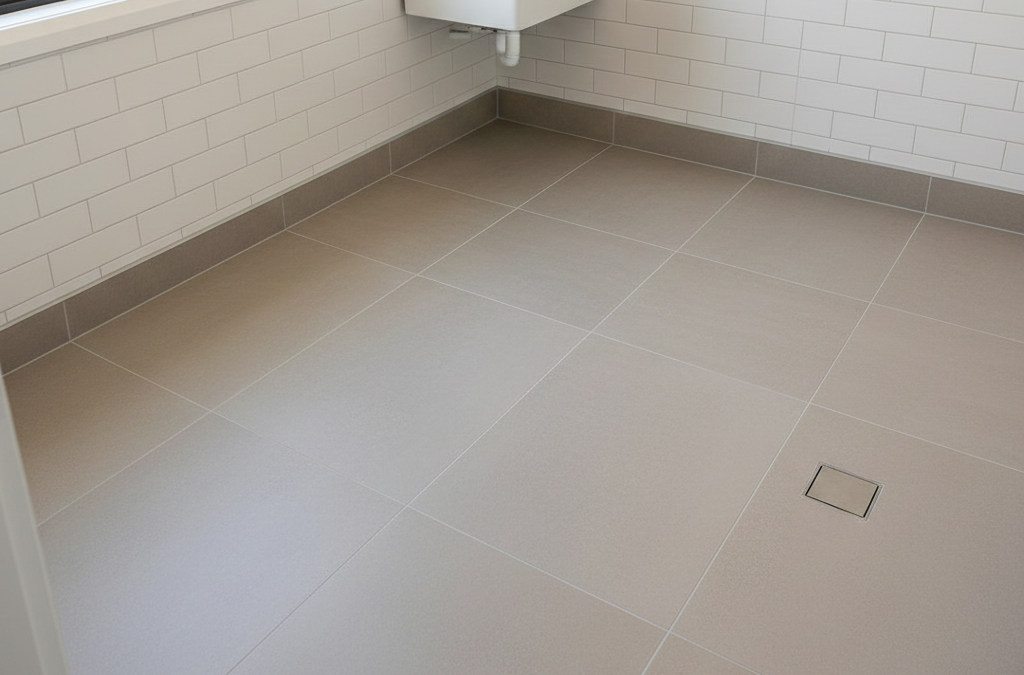
Porcelain tiles, luxury vinyl plank (LVP), and epoxy-coated concrete are the most reliable urine-proof flooring options for Sydney homes. These materials feature non-porous surfaces that prevent liquid absorption, odour retention, and long-term damage from repeated exposure.
Choosing the wrong flooring in bathrooms, laundries, or pet areas leads to costly replacements, persistent smells, and subfloor damage. For homeowners planning renovations, understanding which materials resist urine completely—not just temporarily—saves thousands in future repairs.
This guide breaks down the best urine-resistant flooring types, what to avoid, installation requirements, and realistic costs for Sydney renovations.
Understanding Urine-Proof Flooring
Urine-proof flooring refers to materials that completely resist liquid penetration, preventing absorption into the surface, seams, or subfloor beneath. True urine resistance requires more than water resistance. Urine contains ammonia, uric acid, and salts that corrode, stain, and create permanent odours in porous materials over time.
Many flooring products marketed as “waterproof” fail under repeated urine exposure. The distinction matters for bathrooms with young children, homes with pets, or rental properties where accidents happen regularly.
What Makes Flooring Truly Urine-Proof
Genuine urine-proof flooring has three critical characteristics. First, the surface must be completely non-porous, meaning zero liquid absorption even under prolonged contact. Second, all seams, joints, and edges must be sealed or welded to prevent liquid seeping underneath. Third, the material must resist chemical degradation from ammonia and uric acid without discolouration or breakdown.
Flooring that only resists surface water but allows liquid into seams or edges will eventually fail. Urine pools at the lowest point and seeps into any available gap.
Key Properties to Look For
When selecting urine-proof flooring, prioritise these properties:
- Zero porosity rating on the material surface
- Sealed or welded seams between planks, tiles, or sheets
- Chemical resistance to ammonia and acidic compounds
- Antimicrobial properties to prevent bacterial growth
- Easy maintenance without specialised cleaning products
- Dimensional stability that prevents warping or buckling from moisture
Materials meeting all six criteria provide genuine long-term protection.
Best Urine-Proof Flooring Options
Not all flooring performs equally against urine exposure. The following options offer proven resistance for Sydney bathrooms, laundries, and pet areas.
Porcelain and Ceramic Tiles
Porcelain tiles rank among the most urine-resistant flooring materials available. High-quality porcelain has a water absorption rate below 0.5%, making the surface virtually impervious to liquid penetration. Ceramic tiles also perform well, though they typically have slightly higher absorption rates between 0.5% and 3%.
The critical factor with tiles is grout. Standard cement-based grout is porous and absorbs urine, leading to staining and odour. Epoxy grout eliminates this problem entirely, creating a fully sealed surface. For bathrooms and wet areas, specify epoxy grout during installation.
Porcelain tiles cost between $40 and $120 per square metre for materials in Sydney, with installation adding $50 to $80 per square metre. The investment delivers decades of urine-proof performance with minimal maintenance.
Luxury Vinyl Plank (LVP) and Sheet Vinyl
Luxury vinyl plank flooring offers excellent urine resistance at a lower price point than tiles. Quality LVP features a 100% waterproof core that prevents liquid damage even if water sits on the surface for extended periods.
Sheet vinyl provides even better protection because it has fewer seams. A single continuous sheet across a bathroom floor eliminates the gaps where urine can seep through. For maximum protection, sheet vinyl edges should be coved up the wall by 50-100mm and sealed.
LVP costs approximately $30 to $70 per square metre for materials, with installation around $35 to $55 per square metre. Sheet vinyl ranges from $25 to $60 per square metre installed. Both options suit budget-conscious renovations without compromising urine resistance.
Epoxy and Sealed Concrete
Epoxy-coated concrete creates a completely seamless, non-porous surface. Once cured, epoxy forms a chemical-resistant barrier that urine cannot penetrate. This option works particularly well for laundries, garages with pet areas, and commercial applications.
Polished concrete with penetrating sealers also resists urine effectively, though resealing every 3-5 years maintains protection. Epoxy coatings last longer between maintenance cycles.
Epoxy flooring costs between $80 and $150 per square metre in Sydney, including surface preparation and application. The higher upfront cost delivers exceptional durability and zero maintenance beyond regular cleaning.
Natural Stone with Proper Sealing
Granite, slate, and certain dense stones can resist urine when properly sealed. However, natural stone requires more maintenance than manufactured alternatives. Porous stones like marble, travertine, and limestone absorb liquids readily and stain permanently without frequent resealing.
For natural stone in urine-prone areas, apply impregnating sealers every 12-24 months and use epoxy grout between tiles. Even with proper maintenance, natural stone carries higher risk than porcelain or vinyl alternatives.
Natural stone costs vary dramatically, from $60 to $300+ per square metre depending on the stone type and quality.
Rubber Flooring
Commercial-grade rubber flooring provides excellent urine resistance for utility areas. Rubber is non-porous, antimicrobial, and comfortable underfoot. It works well in laundries, mudrooms, and dedicated pet washing stations.
Rubber flooring costs approximately $40 to $90 per square metre installed. The material suits functional spaces but may not match the aesthetic requirements for main bathrooms.
Flooring Types to Avoid in Urine-Prone Areas
Some flooring materials fail catastrophically when exposed to urine. Avoiding these options prevents expensive replacement projects.
Hardwood and Engineered Wood
Solid hardwood and engineered timber floors absorb urine rapidly. Even sealed timber allows liquid penetration through micro-gaps between boards. Once urine reaches the wood fibres, it causes permanent staining, warping, and odour that no amount of cleaning removes.
Engineered wood with waterproof cores performs marginally better but still fails at board edges and click-lock joints. Neither option suits bathrooms, laundries, or homes with pets that have accidents.
Laminate Flooring
Laminate flooring’s fibreboard core absorbs moisture instantly. Despite surface coatings that resist brief water exposure, any liquid reaching the edges or seams causes irreversible swelling. Laminate in bathrooms typically fails within 2-3 years from moisture damage alone. Urine exposure accelerates this timeline dramatically.
Waterproof laminate products exist but still feature vulnerable seams. For urine-prone areas, vinyl alternatives outperform laminate at similar price points.
Carpet and Unsealed Natural Materials
Carpet absorbs and retains urine indefinitely. Even professional cleaning cannot fully remove uric acid crystals embedded in carpet fibres and underlay. The result is persistent odour that returns whenever humidity rises.
Unsealed terracotta, brick pavers, and porous natural materials present similar problems. These surfaces absorb liquids deep into their structure, making complete cleaning impossible.
Where Urine-Proof Flooring Matters Most
Strategic flooring selection focuses urine-proof materials where they deliver the greatest benefit.
Bathrooms and Ensuites
Every bathroom benefits from urine-resistant flooring. Toilet areas experience regular splashing and occasional misses, particularly in households with young children. Ensuites connected to master bedrooms need flooring that handles nighttime accidents without permanent damage.
Porcelain tiles with epoxy grout remain the gold standard for bathroom flooring in Sydney homes.
Laundry Rooms
Laundries often double as pet washing stations and mudrooms. The combination of pet accidents, wet shoes, and washing machine overflow demands flooring that handles repeated liquid exposure. Sheet vinyl or epoxy concrete suits laundry applications where aesthetics matter less than function.
Pet Areas and Mudrooms
Dedicated pet areas require the most robust urine protection. Dogs and cats have accidents regardless of training, and older pets may develop incontinence. Flooring in these spaces should assume daily liquid exposure.
Rubber flooring, sheet vinyl with coved edges, or epoxy concrete provides the durability pet areas demand.
Installation Considerations for Maximum Protection
Even the best urine-proof materials fail without proper installation. These factors determine whether flooring actually resists urine long-term.
Waterproof Underlayment and Subfloor Prep
Moisture barriers beneath flooring protect the subfloor if liquid ever penetrates the surface layer. In bathrooms, waterproof membranes should extend 150mm up walls before tiling. This prevents water and urine reaching the wall framing.
Subfloors must be level, dry, and structurally sound before installing any flooring. Uneven subfloors create gaps where liquid pools and seeps underneath.
Sealed Edges and Grout Lines
Grout selection determines whether tile floors resist urine or absorb it. Epoxy grout costs more than cement grout but provides complete liquid resistance. For existing tile floors with cement grout, applying grout sealers every 6-12 months reduces absorption.
Vinyl plank edges should be sealed with silicone where they meet walls, cabinets, and fixtures. This prevents liquid running underneath the flooring surface.
Professional vs DIY Installation
Professional installation ensures waterproofing details are executed correctly. Bathroom waterproofing in NSW must comply with Australian Standard AS 3740, which specifies membrane requirements for wet areas. Licensed waterproofers provide compliance certificates that protect homeowners and satisfy building regulations.
DIY installation suits simple vinyl plank projects in low-risk areas. Bathrooms and wet areas warrant professional installation to guarantee long-term performance and compliance.
Cost Comparison of Urine-Proof Flooring in Sydney
Understanding realistic costs helps homeowners budget accurately for urine-proof flooring installations.
Material Costs Per Square Metre
Sydney material costs for urine-proof flooring options:
| Flooring Type | Material Cost (per m²) | Quality Range |
| Porcelain tiles | $40 – $120 | Mid to premium |
| Ceramic tiles | $25 – $70 | Budget to mid |
| Luxury vinyl plank | $30 – $70 | Mid to premium |
| Sheet vinyl | $20 – $50 | Budget to mid |
| Epoxy coating | $50 – $100 | Professional grade |
| Rubber flooring | $35 – $80 | Commercial grade |
| Natural stone | $60 – $300+ | Variable |
Installation and Labour Costs
Labour costs add significantly to flooring projects:
| Installation Type | Labour Cost (per m²) | Notes |
| Tile installation | $50 – $80 | Includes adhesive and basic grout |
| Epoxy grout upgrade | +$15 – $25 | Additional to standard grouting |
| Vinyl plank installation | $35 – $55 | Click-lock systems |
| Sheet vinyl installation | $30 – $50 | Including edge sealing |
| Epoxy floor coating | $30 – $50 | Surface prep additional |
| Bathroom waterproofing | $50 – $80 | Membrane and compliance |
A typical 5-square-metre bathroom costs between $600 and $1,500 for flooring materials and installation, depending on material selection and preparation requirements.
Long-Term Value and Maintenance Savings
Urine-proof flooring delivers value beyond initial installation. Porcelain tiles last 30+ years without replacement. Quality LVP performs for 15-20 years under normal residential use. These lifespans compare favourably to laminate (5-10 years) or carpet in wet areas (3-5 years).
Maintenance costs also favour urine-proof materials. No specialised cleaning products, no professional odour treatments, and no premature replacement. The upfront investment in proper materials saves thousands over a renovation’s lifetime.
Maintenance Tips for Urine-Resistant Floors
Proper maintenance extends flooring lifespan and maintains hygienic conditions.
Daily Cleaning Best Practices
Urine-proof floors require minimal daily maintenance. Sweep or vacuum to remove grit that scratches surfaces. Mop with warm water and pH-neutral cleaners weekly. Avoid harsh chemicals that degrade sealers or damage vinyl surfaces.
For tiles, ensure grout lines dry completely after mopping. Standing water in grout accelerates wear even on epoxy-grouted floors.
Dealing with Accidents Quickly
Despite urine-proof properties, prompt cleanup prevents any possibility of damage. Blot liquid immediately rather than wiping, which spreads urine across larger areas. Clean with enzymatic cleaners that break down uric acid rather than masking odours.
For textured surfaces, use a soft brush to clean grout lines and surface patterns where liquid may pool.
Resealing and Long-Term Care
Natural stone requires resealing every 12-24 months to maintain urine resistance. Cement grout needs sealer application every 6-12 months. Vinyl and porcelain surfaces need no resealing under normal conditions.
Inspect flooring annually for damaged grout, lifted edges, or worn sealers. Addressing minor issues early prevents major repairs later.
Conclusion
Selecting genuinely urine-proof flooring protects your renovation investment and eliminates ongoing odour and damage problems. Porcelain tiles with epoxy grout, luxury vinyl plank, and sealed concrete deliver reliable long-term performance for Sydney bathrooms, laundries, and pet areas.
The right flooring choice depends on your budget, aesthetic preferences, and specific room requirements. Professional installation ensures waterproofing compliance and maximises material performance.
Sydney Home Renovation helps homeowners select and install urine-proof flooring that lasts. Contact our team for transparent pricing and expert guidance on your bathroom or wet area renovation project.
Frequently Asked Questions
Is vinyl flooring 100% urine-proof?
Quality luxury vinyl plank and sheet vinyl are effectively urine-proof on the surface. However, liquid can seep through unsealed seams and edges. Sheet vinyl with welded seams and coved edges provides the most complete protection.
Can urine damage tile grout?
Standard cement-based grout absorbs urine, causing staining and odour over time. Epoxy grout resists urine completely. For existing cement grout, apply penetrating sealers every 6-12 months to reduce absorption.
What is the most durable flooring for pet owners?
Porcelain tiles with epoxy grout offer the best combination of durability, urine resistance, and scratch resistance for pet owners. Sheet vinyl provides a budget-friendly alternative with excellent liquid protection.
How do I remove urine smell from flooring?
Enzymatic cleaners break down uric acid crystals that cause persistent odour. Apply the cleaner, allow it to sit for 10-15 minutes, then blot dry. For porous materials like cement grout, multiple treatments may be necessary.
Is epoxy flooring suitable for residential bathrooms?
Epoxy flooring works well in residential bathrooms, particularly for modern or industrial aesthetics. The seamless surface resists urine, water, and mould completely. Professional application ensures proper adhesion and finish quality.
How much does urine-proof flooring cost in Sydney?
Budget approximately $100 to $200 per square metre fully installed for quality urine-proof flooring in Sydney. This includes materials, labour, and waterproofing for bathroom applications. Costs vary based on material selection and site conditions.
Should I seal my bathroom floor tiles?
Porcelain tiles with absorption rates below 0.5% don’t require surface sealing. However, cement grout between tiles should be sealed every 6-12 months. Epoxy grout eliminates the need for grout sealing entirely.