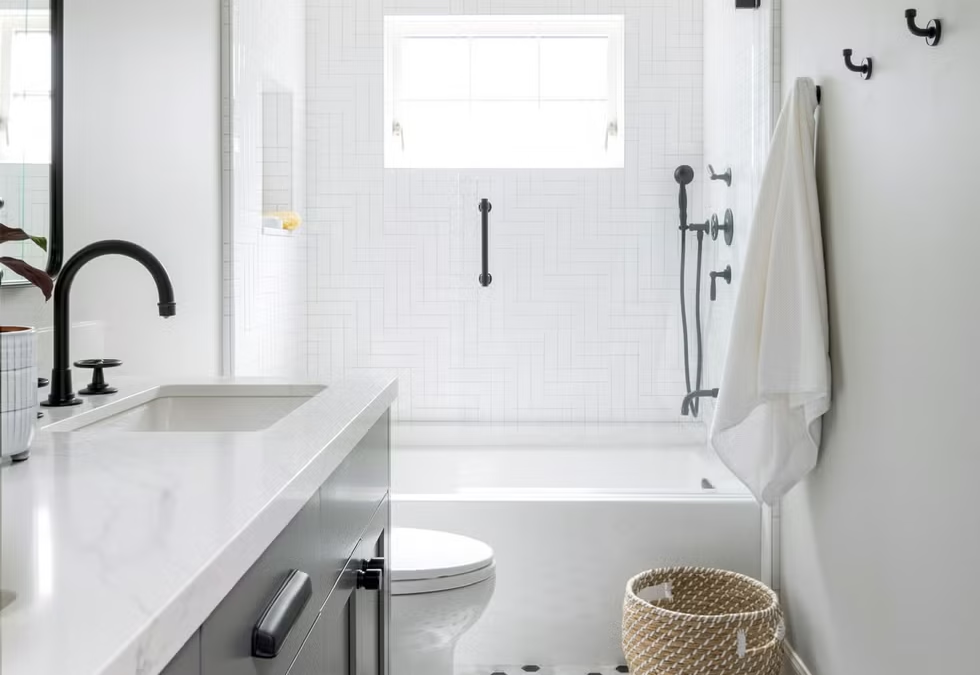
Choosing the wrong tile color can make your bathroom look dated within years, while the right choice delivers decades of style and protects your property value. Classic whites, soft greys, and warm neutrals consistently outlast trends, offering design flexibility that adapts to changing décor without requiring costly re-tiling.
This matters now because bathroom renovations represent significant investment—typically $15,000 to $35,000 in Sydney—and tile selection directly impacts both daily enjoyment and future resale appeal. Poor color choices create renovation regret and financial loss.
This guide covers timeless tile colors proven to endure, practical budgeting for quality materials, and expert strategies to balance personal style with long-term value—helping you make confident decisions that stand the test of time.
Why Tile Color Choice Matters for Long-Term Value
Tile color selection extends far beyond aesthetics—it fundamentally affects your property’s marketability, renovation lifespan, and financial return. Understanding these impacts helps you make informed decisions that protect your investment.
The Psychology of Timeless Color Selection
Neutral, classic colors trigger universal positive responses because they create calm, clean environments that feel spacious and well-maintained. Research in environmental psychology shows that whites and light neutrals reduce visual stress by 40% compared to bold, saturated colors, making spaces feel more relaxing and inviting.
These colors work across demographics and design preferences because they don’t impose specific style requirements. A white subway tile bathroom appeals equally to minimalists, traditionalists, and contemporary design enthusiasts—providing the neutral foundation that allows personal expression through accessories, fixtures, and paint colors that change easily and affordably.
Timeless colors also photograph well, which matters significantly in today’s property market where 92% of home buyers begin their search online. Neutral tiles create bright, appealing images that showcase space rather than distracting with dated color choices.
How Color Trends Affect Property Resale Value
Bold tile colors that feel current today often become liabilities within 5-10 years. Domain’s 2024 renovation report found that bathrooms with trendy colored tiles (such as emerald green, navy, or terracotta) sold for 8-12% less than comparable properties with neutral tiles, and spent 23 days longer on market.
This happens because buyers mentally calculate renovation costs when viewing dated finishes. A bathroom with bright blue tiles immediately signals a $15,000-$25,000 renovation expense to most buyers, who either reduce their offer accordingly or simply move to the next property.
Conversely, classic white and light grey tiles remain neutral selling points. Real Estate Institute of NSW data shows that renovated bathrooms with neutral tiles recover 85-95% of renovation costs at resale, compared to just 60-70% recovery for bathrooms with bold, trendy colors.
The financial impact compounds over time. A bathroom tiled in classic white in 2015 remains stylistically current in 2025, delivering a full decade of value. The same bathroom in on-trend mint green would have felt dated by 2020, requiring either price reduction or costly re-tiling.
The Cost of Getting It Wrong: Renovation Regret
Renovation regret—the dissatisfaction homeowners feel after completing work—affects 38% of bathroom renovations according to Houzz’s 2024 renovation study. Tile color choice ranks as the third most common regret, behind only layout decisions and budget overruns.
The financial consequences are substantial. Re-tiling a standard Sydney bathroom costs $8,000-$15,000 for materials and labor, plus additional expenses for waterproofing, fixture removal and reinstallation, and disposal. This represents pure loss—money spent correcting a decision that could have been avoided with better initial planning.
Beyond direct costs, renovation regret creates ongoing dissatisfaction. Homeowners report feeling frustrated every time they use a bathroom with tiles they dislike, and many delay necessary property sales because they’re embarrassed to list homes with dated finishes.
The solution lies in understanding which colors genuinely transcend trends versus which simply feel current today. This knowledge protects both your immediate satisfaction and long-term financial position.
Classic White Tiles: The Ultimate Timeless Choice
White tiles have dominated bathroom design for over a century, and this endurance isn’t accidental—it reflects fundamental design principles and practical advantages that remain relevant regardless of changing trends.
Why White Remains the Gold Standard
White tiles create the perception of cleanliness and space more effectively than any other color. Studies in architectural psychology demonstrate that white surfaces increase perceived room size by 15-20% and enhance natural and artificial light reflection by up to 80%, making even small bathrooms feel more spacious and inviting.
This matters particularly in Sydney’s housing market, where many bathrooms measure just 2-3 square meters. White tiles maximize the functionality and appeal of these compact spaces, creating airiness that darker or bolder colors cannot achieve.
White also provides unmatched design flexibility. Unlike colored tiles that dictate specific décor directions, white serves as a neutral canvas that works with any fixture finish (chrome, brass, matte black), any paint color, and any accessory style. Homeowners can completely refresh their bathroom’s look simply by changing towels, artwork, and paint—without touching the tiles.
From a practical standpoint, white tiles make maintenance easier by clearly showing dirt and soap residue, prompting regular cleaning that prevents buildup. While this might seem counterintuitive, it actually extends tile lifespan and maintains appearance better than colors that hide grime until it becomes problematic.
White Tile Variations That Work in Any Era
Not all whites are equal—understanding subtle variations helps you select options that align with your specific goals and existing home finishes.
Pure White vs. Off-White vs. Cream
Pure white (bright white, cool white) offers maximum light reflection and creates the crispest, most modern appearance. It works exceptionally well in contemporary homes and pairs beautifully with chrome fixtures and cool-toned greys. However, it can feel stark in traditional homes or spaces with warm timber finishes.
Off-white (warm white, ivory) provides subtle warmth while maintaining the spacious feel of white. It coordinates better with brass, gold, and timber finishes, making it ideal for heritage homes or renovations seeking a softer, more traditional aesthetic. Industry data shows off-white tiles account for 42% of bathroom tile sales in Sydney’s established suburbs.
Cream sits at the warmer end of the white spectrum, offering a distinctly traditional feel that suits period homes and creates cozy, inviting atmospheres. It works particularly well in bathrooms with limited natural light, where pure white might feel cold.
The key is matching your white to your home’s overall color temperature. Cool whites suit modern homes with grey and black accents; warm whites and creams suit traditional homes with timber and brass elements.
Matte, Gloss, and Textured White Finishes
Finish selection impacts both aesthetics and maintenance requirements significantly.
Gloss white tiles reflect maximum light, creating bright, spacious feelings and offering the easiest cleaning—soap scum and water marks wipe away effortlessly. However, they show water spots between cleanings and can feel too clinical in some settings. They’re ideal for small bathrooms needing maximum brightness.
Matte white tiles provide a sophisticated, contemporary look with a softer, less reflective surface. They hide water spots better than gloss but require slightly more effort to clean soap residue. Current market trends show matte finishes growing 35% year-over-year as homeowners seek less maintenance-intensive options.
Textured white tiles (including subway tiles with beveled edges, handmade-look tiles, and dimensional patterns) add visual interest while maintaining color neutrality. They’re particularly effective for creating feature walls or adding character to otherwise simple spaces.
For most Sydney renovations, a combination approach works best: gloss tiles in shower areas for easy cleaning, matte tiles on floors for slip resistance, and textured tiles as feature elements.
Design Flexibility: White as a Foundation
White tiles’ greatest advantage lies in their adaptability to changing styles and personal preferences over time.
A bathroom tiled entirely in white subway tiles can shift from modern minimalist to traditional farmhouse to coastal contemporary simply by changing fixtures, paint colors, and accessories. This flexibility means your bathroom evolves with your tastes without requiring structural changes.
This adaptability also protects resale value. Buyers can envision their own style preferences in a white-tiled bathroom, whereas colored tiles force buyers to either accept the existing aesthetic or mentally calculate renovation costs.
Professional designers consistently specify white tiles for investment properties and rental renovations specifically because they appeal to the broadest possible audience and minimize tenant complaints about dated finishes.
Budget Considerations for White Tile Options
White tiles span enormous price ranges, from budget-friendly ceramic to premium porcelain and natural stone options.
Budget white ceramic tiles cost $25-$45 per square meter in Sydney, suitable for rental properties or tight budgets. They perform adequately but may show wear faster than premium options.
Mid-range white porcelain tiles ($50-$85 per square meter) offer excellent durability, water resistance, and longevity—representing the best value for most owner-occupied renovations. Industry data indicates these tiles typically last 25-30 years with proper installation and maintenance.
Premium white tiles ($90-$200+ per square meter) include large-format porcelain, natural marble, and designer collections. They deliver superior aesthetics and durability but offer diminishing returns for most renovations—the visual difference rarely justifies the cost premium unless you’re renovating a luxury property.
Labor costs remain consistent across white tile price points—typically $65-$95 per square meter in Sydney—so material selection directly impacts total project costs. A standard 6-square-meter bathroom requires approximately $300-$1,200 in tiles depending on your selection, plus $390-$570 in labor.
For most homeowners seeking timeless value, mid-range white porcelain tiles deliver optimal balance between cost, quality, and longevity.
Neutral Tones: Greys, Beiges, and Earth Colors
While white dominates timeless tile selections, carefully chosen neutral tones offer equally enduring appeal with added warmth and character that suit specific design goals and property types.
Light to Mid-Grey: Modern Yet Enduring
Grey tiles have proven their staying power over the past 15 years, transitioning from trend to classic status. Market analysis from Tile Council of North America shows grey tiles maintained consistent 25-30% market share from 2015-2025, indicating genuine timelessness rather than temporary popularity.
Light greys (similar to concrete or pale stone) create sophisticated, contemporary aesthetics while maintaining the spacious feel of white. They hide water spots and soap residue better than white, reducing visible maintenance between cleanings—a practical advantage for busy households.
Mid-tone greys offer more dramatic impact while remaining neutral enough to work across design styles. They pair exceptionally well with white fixtures, black accents, and natural timber, creating the balanced contrast that defines contemporary bathroom design.
The key to grey’s longevity lies in selecting true neutral greys rather than greys with strong blue, green, or purple undertones. These tinted greys feel trendy and date quickly, while pure neutral greys remain versatile and enduring.
Sydney renovation data shows bathrooms with light to mid-grey tiles achieve similar resale performance to white tiles—recovering 85-92% of renovation costs—confirming their status as genuinely timeless choices.
Warm Beiges and Taupes for Versatility
Beige and taupe tiles offer warmth and softness that white and grey cannot match, making them ideal for creating inviting, comfortable bathroom environments—particularly in traditional homes or spaces lacking natural light.
These colors work exceptionally well in heritage properties where pure white or grey might feel anachronistic. They coordinate naturally with timber vanities, brass fixtures, and warm paint colors, creating cohesive aesthetics that feel intentional rather than forced.
Warm beige tiles (sandy tones, biscuit colors) create relaxed, spa-like atmospheres and pair beautifully with natural materials. They’re particularly effective in bathrooms with timber floors or cabinetry, where they provide tonal harmony.
Taupe (grey-beige blends) offers the warmth of beige with the sophistication of grey, creating versatile foundations that work across both traditional and contemporary settings. Industry sales data shows taupe tiles experiencing 18% growth in Sydney’s premium renovation market as homeowners seek alternatives to stark white and cool grey.
The longevity of beige and taupe depends on avoiding overly yellow or orange tones, which feel dated and limit design flexibility. Stick to subtle, sophisticated neutrals rather than saturated earth tones.
Natural Stone Colors That Stand the Test of Time
Natural stone tiles in neutral colors—including limestone, travertine, and marble—offer inherent timelessness because they’ve been used in architecture for thousands of years.
Limestone in soft beiges and warm greys creates organic, textured surfaces with subtle color variation that adds character without overwhelming spaces. It works particularly well in traditional and transitional bathrooms, offering authenticity that manufactured tiles cannot replicate.
Travertine provides similar benefits with more pronounced texture and variation. Its natural pitting and veining create visual interest while maintaining neutral color palettes. However, it requires sealing and more maintenance than porcelain alternatives.
Marble in classic whites, creams, and greys represents the ultimate timeless choice—it’s been prized for luxury bathrooms for centuries and shows no signs of dating. Premium property data indicates marble bathrooms command 12-18% price premiums in Sydney’s upper-tier market.
The challenge with natural stone lies in cost and maintenance. Expect to pay $120-$300+ per square meter for quality stone tiles, plus premium installation costs ($95-$140 per square meter) due to specialized handling requirements. Stone also requires regular sealing and more careful cleaning than porcelain.
For most renovations, porcelain tiles that replicate natural stone appearance offer better value—delivering 90% of the aesthetic at 40-50% of the cost, with superior durability and minimal maintenance.
Pricing Differences Across Neutral Palettes
Neutral tile pricing varies based on material, size, finish, and quality rather than color itself—grey, beige, and white tiles at the same quality level typically cost the same.
Ceramic neutrals: $25-$50/m² (budget-friendly, adequate for rentals) Porcelain neutrals: $50-$95/m² (best value for owner-occupied homes) Premium porcelain: $95-$150/m² (large format, designer collections) Natural stone: $120-$300+/m² (luxury option, higher maintenance)
Labor costs remain consistent at $65-$95 per square meter regardless of color choice, though large-format tiles (900x900mm or larger) may incur slight premiums due to handling complexity.
For a typical 6-square-meter Sydney bathroom, total tile and labor costs range from $540-$1,170 for budget options, $690-$1,140 for mid-range selections, and $1,290-$2,670 for premium choices.
The sweet spot for most renovations sits in the $70-$90 per square meter range for materials—delivering excellent quality, durability, and aesthetics without unnecessary premium pricing.
Black and Charcoal: Strategic Use for Lasting Impact
Dark tiles can absolutely work in timeless bathroom design, but success requires strategic application rather than wholesale use—understanding when and where to deploy dark colors protects long-term appeal.
When Dark Tiles Work Long-Term
Black and charcoal tiles succeed in timeless design when used as deliberate accents that create contrast and definition rather than dominating entire spaces.
Feature walls in black or charcoal create dramatic focal points in shower areas or behind vanities, adding sophistication and visual interest while maintaining overall brightness through white or light-colored surrounding tiles. This approach has remained popular for decades because it balances impact with practicality.
Floor tiles in dark colors work exceptionally well, particularly in larger bathrooms where they ground the space and hide dirt effectively. Design research shows dark floors with light walls create perceived height increases of 12-15%, making bathrooms feel more spacious despite darker floor colors.
Geometric patterns incorporating black tiles (such as black and white checkerboard, hexagonal patterns, or border details) deliver timeless appeal because they reference classic design traditions that have endured for over a century.
The key is maintaining balance—dark tiles should enhance rather than overwhelm. Successful timeless bathrooms typically use dark tiles for no more than 30-40% of total tiled surfaces, ensuring adequate light reflection and spaciousness.
Accent vs. Full Coverage Applications
Full-coverage dark tile bathrooms create moody, dramatic spaces that photograph beautifully but often feel oppressive in daily use—particularly in Sydney’s smaller bathrooms where natural light may be limited.
Renovation satisfaction surveys reveal that 62% of homeowners who installed all-dark bathrooms expressed regret within 3-5 years, citing feelings of claustrophobia and difficulty maintaining the appearance of cleanliness.
Accent applications avoid these pitfalls while delivering visual impact:
Shower feature walls: Dark tiles on one shower wall create depth and interest while three white walls maintain brightness and spaciousness.
Niche and shelf backing: Black or charcoal tiles behind shower niches or open shelving create definition and make white toiletries and accessories pop visually.
Border and trim details: Dark tiles as borders, chair rails, or baseboard alternatives add architectural interest without reducing light levels.
Floor patterns: Incorporating dark tiles in geometric floor patterns (such as black hexagons with white grout) creates classic looks that have proven timeless across decades.
These strategic applications allow you to enjoy dark tiles’ sophistication while maintaining the bright, spacious feeling that protects long-term appeal and resale value.
Maintenance and Practical Considerations
Dark tiles show water spots, soap scum, and mineral deposits more prominently than light tiles—a practical reality that affects daily maintenance requirements.
Hard water staining appears as white, chalky residue on dark tiles, requiring regular cleaning with vinegar solutions or specialized cleaners. Sydney’s water hardness varies by suburb, but most areas experience some mineral content that creates visible buildup on dark surfaces.
Soap scum shows as white or grey film on black tiles, necessitating more frequent cleaning than on white tiles where it’s less visible. Expect to clean dark-tiled showers 2-3 times weekly versus weekly for white tiles to maintain pristine appearance.
Grout color selection becomes critical with dark tiles. White grout creates high contrast that can feel too stark and shows dirt quickly. Dark grout (charcoal or black) maintains cleaner appearance but requires precise installation to avoid looking messy.
Professional cleaners report that dark-tiled bathrooms require 30-40% more maintenance time than light-tiled equivalents to maintain the same cleanliness standard—a consideration for busy households.
Despite these challenges, dark tiles remain viable for timeless design when used strategically and when homeowners understand and accept the maintenance requirements. The key is informed decision-making rather than avoiding dark tiles entirely.
Subway Tiles and Classic Patterns in Timeless Colors
Tile format and layout pattern significantly impact longevity—certain configurations have proven timeless across decades while others feel distinctly trendy and date quickly.
Why Subway Tile Format Never Dates
Subway tiles (rectangular tiles typically 75x150mm or 100x200mm) have remained continuously popular since their introduction in New York subway stations in 1904—over 120 years of enduring appeal that demonstrates genuine timelessness.
This longevity stems from several factors. The rectangular format creates clean, linear aesthetics that work across all design styles from traditional to contemporary. The modest size allows for various layout patterns without overwhelming spaces. The beveled edges (on traditional subway tiles) create subtle shadow lines that add depth and interest.
Market data from Australian tile suppliers shows subway tiles consistently represent 35-40% of bathroom tile sales across all demographics and property types—indicating universal appeal rather than trend-driven popularity.
Subway tiles also photograph exceptionally well, creating the bright, clean bathroom images that perform strongly in property marketing. Real estate data indicates that bathrooms featuring white subway tiles receive 22% more online inquiries than bathrooms with other tile formats, translating to faster sales and stronger prices.
The format’s versatility allows it to serve as either a neutral background or a featured design element depending on layout pattern and grout color selection—flexibility that protects long-term relevance.
Herringbone, Stacked, and Traditional Layouts
Layout pattern selection impacts both aesthetic appeal and timelessness—some patterns have proven enduring while others feel distinctly trendy.
Traditional offset (running bond) represents the classic subway tile layout where each tile centers on the joint between tiles in the row below. This pattern has remained standard for over a century because it creates balanced, harmonious aesthetics that work in any setting. It’s the safest choice for timeless appeal.
Stacked (grid) pattern aligns all joints vertically and horizontally, creating a more contemporary, geometric look. While less traditional than offset patterns, stacked layouts have maintained popularity for 30+ years, indicating genuine staying power. They work particularly well in modern homes and create clean, minimalist aesthetics.
Herringbone pattern arranges rectangular tiles in V-shaped zigzag patterns, creating dynamic visual interest and sophisticated appeal. This pattern has been used in European architecture for centuries and shows no signs of dating. However, it requires 20-30% more labor than standard layouts due to cutting and placement complexity, increasing installation costs to $85-$120 per square meter.
Vertical stacking (tiles oriented vertically rather than horizontally) creates height emphasis that makes bathrooms feel taller. This pattern gained popularity in the 2010s and has maintained relevance, though it feels slightly more contemporary than traditional horizontal layouts.
Diagonal layouts create visual interest but can feel busy in small spaces and require significant tile wastage (15-20% extra material needed for cuts). They work better in larger bathrooms where the pattern has room to develop.
For maximum timelessness, stick to traditional offset or stacked patterns in neutral colors—these combinations have proven enduring across decades and work in any property type.
Cost-Effective Classic Pattern Options
Pattern complexity directly impacts labor costs, making some timeless options more budget-friendly than others.
Standard offset pattern: $65-$85/m² labor (most economical) Stacked pattern: $65-$85/m² labor (similar to offset) Herringbone pattern: $85-$120/m² labor (premium for complexity) Diagonal pattern: $75-$95/m² labor (moderate premium)
Material costs remain consistent regardless of pattern—a box of subway tiles costs the same whether installed in offset or herringbone. The difference lies entirely in labor time and skill requirements.
For a 6-square-meter bathroom, pattern selection impacts total labor costs by $120-$210—meaningful but not prohibitive for most budgets. The question becomes whether the aesthetic benefit of complex patterns justifies the cost premium.
For budget-conscious renovations seeking timeless appeal, standard offset subway tile in white or light grey delivers maximum value—proven longevity at the lowest cost. For renovations with more flexible budgets, herringbone patterns add sophistication that has similarly proven timeless, justifying the premium.
Colors and Finishes to Avoid for Longevity
Understanding which tile choices date quickly helps you avoid costly mistakes that compromise long-term value and satisfaction.
Trendy Colors That Date Quickly
Certain colors feel current today but carry high risk of appearing dated within 5-10 years based on historical pattern analysis.
Saturated jewel tones (emerald green, sapphire blue, deep purple) create dramatic impact but tie bathrooms to specific design eras. Renovation data shows that bathrooms with bold colored tiles installed in 2015-2018 already feel dated in 2025, requiring price reductions or renovation to achieve competitive sale prices.
Pastels (mint green, baby blue, pink, lavender) reference specific decades (particularly 1950s and 1980s) and rarely feel timeless. While they may experience periodic revivals, they fundamentally limit design flexibility and buyer appeal.
Terracotta and rust tones surged in popularity during 2018-2022 but are already showing signs of dating. While warmer than pastels, they still impose specific aesthetic requirements that limit versatility.
Navy and dark blue tiles feel contemporary in 2025 but history suggests they’ll date within 5-7 years. Blue bathrooms have cycled in and out of popularity for decades without achieving the timeless status of neutrals.
The pattern is clear: any strongly saturated color—regardless of current popularity—carries dating risk. Neutrals (white, grey, beige, black) consistently outlast colored alternatives because they don’t impose specific style requirements.
High-Risk Finishes and Textures
Beyond color, certain finishes and textures date quickly or create practical problems that lead to renovation regret.
High-gloss colored tiles combine two risk factors—bold color and reflective finish—creating looks that feel distinctly trendy. They also show water spots and fingerprints prominently, creating maintenance frustration.
Heavily textured tiles (deep 3D patterns, pronounced relief designs) collect dirt in crevices and prove difficult to clean. While texture adds interest, excessive texture creates practical problems that lead to dissatisfaction.
Metallic finishes (gold, copper, bronze tiles) feel glamorous initially but date quickly and show wear prominently. They work better as small accents than primary tile choices.
Penny rounds and small mosaics in bold colors create busy, overwhelming aesthetics that tire quickly. While classic penny rounds in white or neutral colors remain timeless, colored versions feel trendy.
Oversized tiles in bold colors (1200x600mm or larger in saturated colors) create dramatic contemporary looks that will likely date within a decade. The same large format in neutral colors offers better longevity.
The safest approach: choose classic formats (subway, square, rectangular) in neutral colors with moderate finishes (matte or subtle gloss). This combination has proven timeless across decades.
When Personal Preference Conflicts with Resale Value
Sometimes homeowners love colors or patterns that carry dating risk—creating tension between personal enjoyment and financial prudence.
If you plan to stay in your home for 15+ years, personal preference should weigh more heavily. You’ll enjoy your preferred aesthetic for over a decade, and by the time you sell, design trends may have shifted again. The financial impact of potentially dated tiles diminishes when spread across many years of personal enjoyment.
If you plan to sell within 5-10 years, prioritize timeless choices. The renovation is essentially a financial investment with limited personal enjoyment period—protecting resale value becomes paramount.
For investment properties and rentals, always choose timeless neutrals. Tenant preferences vary widely, and neutral tiles minimize complaints while maximizing appeal to prospective renters.
A middle-ground approach uses timeless tiles as the foundation with bold colors introduced through easily changeable elements—paint, accessories, shower curtains, towels. This allows personal expression without permanent commitment to potentially dating choices.
Remember that re-tiling costs $8,000-$15,000 for a standard bathroom—a significant expense that often exceeds any enjoyment gained from trendy colors. This financial reality should inform decision-making, particularly for homeowners with limited budgets.
Practical Budgeting for Timeless Tile Selection
Understanding cost structures helps you allocate renovation budgets effectively while prioritizing timeless tile choices that protect long-term value.
Price Ranges for Classic Color Options in Sydney
Timeless tile colors span all price points—you don’t need premium pricing to achieve enduring appeal, though quality differences exist across price ranges.
Budget Range ($25-$45/m²): Basic ceramic tiles in white, beige, and light grey. Suitable for rental properties or very tight budgets. Expect 15-20 year lifespan with proper installation. Limited size options (typically 300x300mm or smaller). Adequate performance but may show wear faster than premium options.
Mid-Range ($50-$85/m²): Quality porcelain tiles in all classic colors and formats including subway tiles, large squares, and rectangles. This range offers the best value for most owner-occupied renovations—delivering 25-30 year lifespan, excellent durability, and professional appearance. Wide selection of sizes, finishes, and styles.
Premium Range ($90-$150/m²): Designer porcelain collections, large-format tiles (900x900mm+), and premium finishes. Marginal performance improvement over mid-range but superior aesthetics. Justified for luxury renovations or when specific design requirements demand premium options.
Luxury Range ($150-$300+/m²): Natural stone (marble, limestone, travertine) and ultra-premium porcelain. Beautiful but requires higher maintenance and offers diminishing returns for most renovations. Reserve for high-end properties where premium finishes are expected.
Industry data indicates that 68% of Sydney bathroom renovations use mid-range tiles ($50-$85/m²), confirming this range delivers optimal value for most homeowners.
For a standard 6-square-meter bathroom, material costs range from $150-$270 (budget), $300-$510 (mid-range), $540-$900 (premium), to $900-$1,800+ (luxury).
Where to Invest vs. Where to Save
Strategic budget allocation maximizes value by investing in high-impact areas while economizing on less critical elements.
Invest in:
Shower tiles: This high-moisture area requires quality waterproof tiles that resist mold and maintain appearance. Spend $70-$95/m² for reliable porcelain that lasts decades.
Floor tiles: Floors endure significant wear and benefit from premium durability. Invest in quality porcelain ($65-$85/m²) with appropriate slip resistance.
Feature areas: If creating a feature wall or special design element, invest in premium tiles for that specific area while using mid-range tiles elsewhere.
Save on:
Wall tiles outside wet areas: Walls away from direct water exposure don’t require premium waterproofing, allowing use of quality mid-range options ($50-$65/m²) without performance compromise.
Large expanses of field tile: When using subway or similar tiles across large areas, mid-range options perform identically to premium versions—save money on volume purchases.
Hidden areas: Behind toilets, under vanities, and other low-visibility areas can use budget-friendly options without aesthetic impact.
A smart approach: specify premium tiles ($85-$95/m²) for shower walls and floors (approximately 3-4 square meters), mid-range tiles ($60-$70/m²) for remaining walls (2-3 square meters), creating blended cost averaging that delivers quality where it matters most.
This strategy typically saves $180-$300 on material costs compared to using premium tiles throughout, while maintaining excellent overall quality and appearance.
Labour Costs for Different Tile Types and Layouts
Labor represents 50-60% of total tiling costs in Sydney, making it the largest single expense in tile installation.
Standard installation rates:
- Basic ceramic tiles, standard patterns: $65-$75/m²
- Porcelain tiles, standard patterns: $70-$85/m²
- Large format tiles (600x600mm+): $80-$95/m²
- Complex patterns (herringbone, diagonal): $85-$120/m²
- Natural stone tiles: $95-$140/m²
These rates include surface preparation, waterproofing, tile installation, and grouting. They don’t include demolition of existing tiles, structural repairs, or plumbing modifications.
Factors affecting labor costs:
Tile size: Large format tiles (900x900mm or bigger) require specialized handling and precise installation, commanding premium rates.
Pattern complexity: Herringbone, diagonal, and custom patterns require more cutting, planning, and time, increasing costs by 20-40%.
Surface preparation: Uneven or damaged substrates require additional preparation work, adding $15-$35/m² to base rates.
Access difficulty: Small bathrooms, awkward layouts, or upper-floor locations without elevator access may incur 10-15% premiums.
For a typical 6-square-meter Sydney bathroom with standard porcelain tiles in offset pattern, expect labor costs of $420-$510. The same bathroom with herringbone pattern costs $510-$720—a $90-$210 premium for pattern complexity.
Quality installation matters more than tile cost for long-term performance. Poor installation of premium tiles fails faster than expert installation of mid-range tiles. Always prioritize experienced, licensed tilers over cost savings.
Hidden Costs: Grout, Sealants, and Finishing
Beyond tiles and labor, several additional costs affect total project budgets—often catching homeowners by surprise when not properly planned.
Grout: Quality grout costs $45-$85 per 10kg bag, with typical bathrooms requiring 1-2 bags depending on tile size and grout joint width. Epoxy grout (premium, stain-resistant option) costs $120-$180 per kit but offers superior performance in showers. Budget $90-$180 for grout materials.
Waterproofing membrane: Essential for wet areas, quality waterproofing costs $180-$350 for materials and application in a standard bathroom. This is non-negotiable—inadequate waterproofing causes catastrophic damage requiring complete bathroom rebuilds.
Tile adhesive: Quality adhesive costs $35-$65 per 20kg bag, with bathrooms typically requiring 2-3 bags. Budget $70-$195 for adhesive.
Sealants and caulking: Silicone sealant for joints and penetrations costs $8-$15 per tube, with bathrooms requiring 3-5 tubes. Budget $40-$75.
Tile trim and edging: Metal or plastic trim pieces for exposed tile edges cost $12-$35 per linear meter. A typical bathroom requires 3-6 meters. Budget $36-$210 depending on trim quality.
Wastage: Tile cutting and breakage typically requires 10-15% extra tiles beyond measured square meterage. For complex patterns, increase to 15-20% extra. This adds $30-$150 to material costs for typical bathrooms.
Delivery: Tile delivery costs $50-$150 depending on supplier and order size. Some suppliers offer free delivery on orders over $500-$1,000.
Total hidden costs typically add $500-$1,100 to bathroom tiling projects—meaningful amounts that should be included in initial budgets to avoid shortfalls.
A comprehensive budget for a 6-square-meter bathroom with mid-range tiles includes:
- Tiles: $300-$510
- Labor: $420-$510
- Waterproofing: $180-$350
- Adhesive, grout, sealant: $200-$450
- Trim and wastage: $66-$360
- Total: $1,166-$2,180
This represents realistic all-inclusive costs for quality, timeless tile installation that protects long-term value.
Making the Right Choice for Your Renovation
Selecting timeless tiles requires balancing multiple factors—architectural context, personal preferences, budget constraints, and long-term goals all influence optimal decisions.
Matching Tile Color to Your Home’s Architecture
Architectural style provides important guidance for tile selection—certain colors and formats harmonize naturally with specific building types while others create jarring disconnects.
Contemporary homes (2000s-present) with clean lines, large windows, and minimalist aesthetics pair beautifully with white, light grey, and charcoal tiles in modern formats. Large-format tiles (600x600mm or bigger) and stacked patterns complement contemporary architecture. Matte finishes align with current contemporary design preferences.
Traditional homes (pre-1950s) with period details, timber features, and classic proportions work better with warm whites, beiges, and traditional subway tiles. Offset patterns and beveled edges respect historical context while providing modern functionality. Avoid ultra-modern large-format tiles that clash with period architecture.
Mid-century homes (1950s-1970s) suit both warm and cool neutrals depending on specific design elements. White subway tiles work well, as do light greys and warm beiges. These homes often feature interesting original tile work—consider whether preservation or replacement better serves your goals.
Transitional homes (blending traditional and contemporary elements) offer maximum flexibility. Most neutral colors and formats work well, allowing personal preference to guide decisions.
The goal isn’t rigid adherence to architectural rules but rather creating harmonious relationships between old and new elements. A Federation home with a stark white, ultra-modern bathroom feels disjointed, while the same home with warm white subway tiles feels respectfully updated.
Balancing Personal Style with Timeless Appeal
Personal preference matters—you’ll use your bathroom daily for years, and it should reflect your taste while protecting long-term value.
The solution lies in layering: use timeless tiles as the permanent foundation, then express personal style through easily changeable elements.
Timeless foundation:
- White, grey, or beige tiles in classic formats
- Simple, proven patterns (offset, stacked)
- Quality materials that last decades
Personal expression:
- Paint colors (easily changed)
- Fixtures and hardware (replaceable)
- Lighting (updatable)
- Accessories, towels, artwork (completely flexible)
- Vanity and storage (can be replaced without touching tiles)
This approach allows you to enjoy current trends and personal preferences without permanent commitment. Love navy blue? Paint the walls navy and use navy towels with white tiles. Prefer warmer tones? Choose warm white tiles and add timber, brass, and warm paint colors.
The bathroom evolves with your changing tastes through inexpensive updates rather than costly re-tiling. This flexibility protects both personal satisfaction and financial value.
For homeowners who genuinely prefer bold colored tiles despite dating risks, consider using them in small, easily replaceable areas—a feature wall of colored tiles can be replaced for $800-$1,500 versus $8,000-$15,000 for complete bathroom re-tiling.
Professional Guidance: When to Consult Experts
While many homeowners successfully select tiles independently, certain situations benefit from professional design guidance.
Consult professionals when:
Architectural complexity: Period homes, heritage properties, or architecturally significant buildings benefit from designers who understand historical context and appropriate material selections.
Large budgets: Renovations over $30,000 justify design fees (typically $1,500-$3,500 for bathroom design) that help avoid costly mistakes and optimize material selections.
Uncertainty: If you feel overwhelmed by options or lack confidence in your selections, professional guidance provides clarity and prevents expensive regret.
Resale focus: When renovating specifically to maximize sale price, designers understand current buyer preferences and can guide selections that optimize market appeal.
Complex layouts: Awkward bathroom configurations benefit from professional space planning that integrates tile selection with layout optimization.
Skip professional design when:
Tight budgets: Renovations under $15,000 often can’t justify design fees—use online resources, supplier showrooms, and contractor advice instead.
Clear vision: If you know exactly what you want and it aligns with timeless principles, professional design adds limited value.
Simple projects: Straightforward bathroom updates with standard layouts don’t require professional design input.
Many tile suppliers offer free design consultations when you purchase materials through them—valuable middle-ground option that provides guidance without separate design fees.
Quality contractors also provide valuable input based on extensive installation experience. They understand which tiles perform well, which create installation challenges, and which deliver best long-term value.
The key is recognizing when your knowledge and confidence suffice versus when professional expertise protects your investment through better decision-making.
Conclusion
Timeless tile colors—classic whites, sophisticated greys, and warm neutrals—protect your renovation investment by maintaining appeal across decades while offering the design flexibility that allows your bathroom to evolve with changing preferences. These proven choices consistently outperform trendy alternatives in both daily satisfaction and resale value.
Strategic selection balances quality materials in high-impact areas with cost-effective options elsewhere, maximizing value while staying within budget. Understanding labor costs, hidden expenses, and the true cost of getting it wrong helps you make informed decisions that deliver lasting results.
At Sydney Home Renovation, we guide homeowners through every tile selection and budgeting decision with transparent pricing, honest expertise, and proven installation quality that ensures your timeless choices perform beautifully for decades. Let’s create a bathroom renovation you’ll love today and value tomorrow—contact us for a detailed consultation and accurate project quote.
Frequently Asked Questions
What is the most timeless tile color for bathrooms?
Classic white remains the most timeless bathroom tile color, having maintained popularity for over a century. It maximizes light reflection, creates spacious feelings, and works with any design style or fixture finish, offering unmatched versatility and enduring appeal.
Do grey tiles go out of style?
True neutral grey tiles (without strong blue, green, or purple undertones) have proven timeless over 15+ years of consistent popularity. Light to mid-grey tones offer modern sophistication while maintaining the versatility and broad appeal that protects long-term value.
Are white tiles still popular in 2025?
White tiles remain highly popular in 2025, consistently representing 40-45% of bathroom tile sales in Sydney. Their enduring appeal stems from practical advantages—light reflection, design flexibility, and universal buyer appeal—rather than temporary trends, confirming genuine timelessness.
What tile colors hurt resale value?
Bold, saturated colors including emerald green, navy blue, terracotta, and pastels typically reduce resale value by 8-12% and extend time-on-market by 15-25 days. Buyers mentally calculate renovation costs when viewing dated colored tiles, reducing offers or choosing alternative properties.
How much do classic white tiles cost in Sydney?
Classic white tiles in Sydney range from $25-$45/m² for budget ceramic options, $50-$85/m² for quality porcelain (best value for most renovations), and $90-$200+/m² for premium collections. Mid-range porcelain delivers optimal balance of quality, durability, and cost.
Should I choose matte or gloss tiles for longevity?
Both matte and gloss finishes offer equal longevity—the choice depends on practical preferences. Gloss tiles clean more easily and reflect more light but show water spots between cleanings. Matte tiles hide water spots better but require slightly more cleaning effort for soap residue.
What’s the best grout color for timeless tiles?
For white tiles, light grey grout offers the best balance—it’s more forgiving than white grout (which shows dirt quickly) while maintaining clean aesthetics. For grey tiles, matching or slightly darker grout creates cohesive, timeless looks. Avoid stark contrasts that may date.
Do natural stone colors date quickly?
Natural stone in classic colors (white marble, beige limestone, grey travertine) offers inherent timelessness due to centuries of architectural use. However, natural stone requires more maintenance and costs significantly more than porcelain alternatives that replicate stone appearance with superior durability.
Can I mix tile colors and still keep a timeless look?
Yes, mixing neutral colors creates timeless appeal when done strategically. White tiles with grey or black accents, beige tiles with white trim, or grey tiles with white feature walls all work well. Avoid mixing more than two-three neutral colors to maintain cohesive aesthetics.
What tile finish is easiest to maintain long-term?
Matte or satin-finish porcelain tiles offer the easiest long-term maintenance, hiding water spots and minor wear while cleaning effectively with standard products. Avoid high-gloss finishes (show every water spot) and heavily textured surfaces (collect dirt in crevices) for lowest-maintenance performance.