
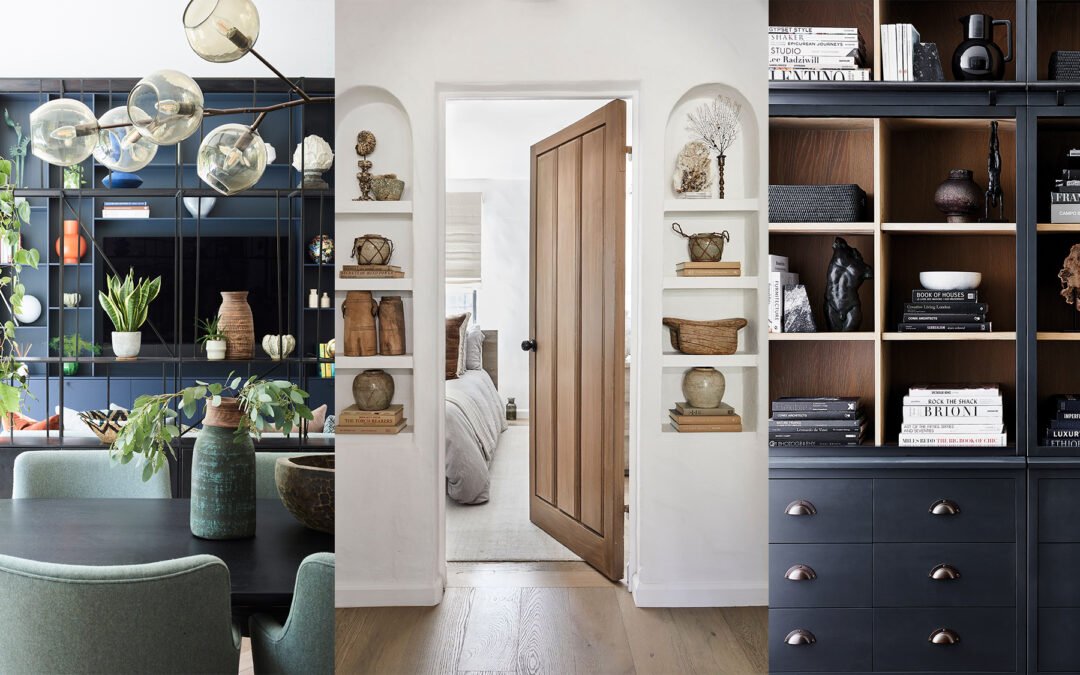
The three five seven rule is one of interior design’s most reliable styling principles. It states that objects grouped in odd numbers—specifically three, five, or seven—create more visually appealing arrangements than even-numbered groupings. This simple technique transforms ordinary shelves, mantels, and surfaces into professionally styled focal points.
Whether you’re refreshing a living room, completing a bathroom renovation, or styling a newly renovated kitchen, this rule provides instant guidance. It removes the guesswork from decorating decisions and delivers results that feel balanced yet dynamic.
This guide explains exactly how the three five seven rule works, where to apply it throughout your home, and when breaking it actually makes sense. You’ll find room-by-room applications, practical examples, and common mistakes to avoid.
What Is the Three Five Seven Rule in Interior Design?
The three five seven rule is a foundational styling principle that guides how decorative objects should be grouped. Rather than arranging items in pairs or fours, designers cluster them in groups of three, five, or seven. This approach creates arrangements that feel organic, interesting, and professionally curated.
The rule applies across virtually every decorating scenario. Cushions on a sofa. Vases on a console table. Candles in a bathroom. Artwork on a gallery wall. The principle remains consistent regardless of the objects or room involved.
The Core Principle Behind Odd Number Groupings
Odd numbers prevent the eye from splitting a grouping into equal halves. When you place four items together, your brain automatically divides them into two pairs. This creates visual predictability that feels static and unengaging.
Three, five, or seven items resist this mental division. The eye must travel across the entire arrangement, spending more time appreciating each element. This extended visual engagement makes odd-numbered groupings feel more dynamic and intentionally designed.
The principle connects to how humans process visual information. Our brains seek patterns and symmetry as shortcuts. Odd numbers disrupt these shortcuts, forcing deeper engagement with what we’re seeing.
Why Designers Rely on 3, 5, and 7 Specifically
These specific numbers hit a sweet spot between simplicity and complexity. Three items create a focused, impactful statement. Five items add richness without overwhelming. Seven items suit larger surfaces where more visual weight is needed.
Numbers beyond seven often become difficult to perceive as a single group. The eye starts treating them as multiple smaller clusters or a mass of objects. This defeats the purpose of intentional grouping.
Single items work for bold statement pieces. But most decorative objects benefit from companionship. The three five seven rule provides the framework for creating those relationships effectively.
How the Three Five Seven Rule Creates Visual Balance
Visual balance doesn’t require perfect symmetry. In fact, asymmetrical arrangements often feel more sophisticated and collected over time. The three five seven rule achieves balance through controlled asymmetry.
When objects are grouped in odd numbers, they create what designers call “dynamic equilibrium.” The arrangement feels stable without being rigid. There’s movement and interest, but nothing feels precarious or random.
Breaking Symmetry Without Creating Chaos
Symmetry is safe but predictable. Two matching lamps flanking a bed. Two identical vases on a mantel. These arrangements work, but they rarely excite.
Odd-numbered groupings introduce asymmetry in a controlled way. Three candlesticks of varying heights. Five photographs in different frame sizes. The variation creates interest while the grouping maintains cohesion.
The key is ensuring items share some unifying element. Similar colours, materials, themes, or proportions tie the group together. Without this connection, odd numbers alone won’t save an arrangement from feeling chaotic.
The Psychology of Odd Numbers in Design
Research in visual perception supports what designers have observed for centuries. Odd numbers feel more natural because they mirror patterns found in nature. Flower petals, leaf arrangements, and fruit clusters rarely occur in perfect pairs.
Our brains evolved to find odd-numbered natural patterns appealing. Interior design leverages this innate preference. Arrangements following the three five seven rule tap into deep-seated aesthetic responses.
This psychological foundation explains why the rule works across cultures and design styles. It’s not arbitrary preference—it’s rooted in how human perception functions.
Applying the Three Five Seven Rule Room by Room
Every room presents different opportunities for odd-numbered groupings. The scale of the space, the surfaces available, and the room’s function all influence how the rule gets applied.
Understanding these room-specific applications helps you implement the principle confidently throughout your home.
Living Rooms and Open-Plan Spaces
Living rooms offer abundant styling opportunities. Coffee tables, console tables, bookshelves, and mantels all benefit from three five seven groupings.
On a coffee table, try three stacked books topped with a small decorative object. Add two more items—perhaps a candle and a small plant—to create a five-piece arrangement. The grouping feels curated rather than cluttered.
Open shelving in living areas works beautifully with this rule. Style each shelf with three to five objects, varying heights and textures. Leave negative space between groupings to let each arrangement breathe.
Cushion arrangements on sofas follow the same principle. Three cushions on a two-seater. Five on a three-seater. Seven across a large sectional. Vary sizes and patterns while maintaining a cohesive colour palette.
Bedrooms and Private Retreats
Bedrooms benefit from calmer applications of the rule. Nightstand styling, dresser arrangements, and shelf displays all present opportunities.
A nightstand might hold three items: a lamp, a small plant, and a decorative box or book. This creates function and beauty without overwhelming the space beside your bed.
Dresser tops work well with five-piece arrangements. A tray anchoring the grouping, a jewellery dish, a candle, a small vase, and a framed photo create a collected, personal display.
Bedroom shelving can incorporate the rule through book groupings. Three books stacked horizontally, five standing vertically, or seven arranged in a combination create visual rhythm.
Bathrooms and Compact Areas
Bathroom styling requires thoughtful application of the three five seven rule. Limited counter space means every item must earn its place. Functionality and aesthetics must coexist.
A bathroom vanity might feature three items: a soap dispenser, a small plant or succulent, and a decorative tray holding everyday essentials. This keeps surfaces functional while appearing styled.
For larger bathroom counters or shelving, expand to five items. Add a candle and a small decorative object to the core three. The arrangement transforms utilitarian space into a spa-like environment.
Open shelving in bathrooms—increasingly popular in renovations—benefits enormously from this rule. Style each shelf with three rolled towels, five matching containers, or seven small items arranged thoughtfully.
During bathroom renovations, consider how built-in niches and shelving will accommodate styling. Niche dimensions that suit three or five items make ongoing styling easier. This forward-thinking approach integrates design principles into the renovation itself.
Kitchens and Dining Spaces
Kitchen styling often focuses on functional items. The three five seven rule helps these necessities appear intentional rather than cluttered.
Open kitchen shelving works beautifully with odd-numbered groupings. Three matching canisters. Five cookbooks between decorative bookends. Seven pieces of collected pottery displayed together.
Dining table centrepieces follow the rule naturally. Three candles of varying heights. Five small vases with single stems. Seven fruits arranged in a bowl. These arrangements create focal points without obstructing conversation.
Kitchen windowsills suit small groupings. Three herb pots. Five small succulents. The rule transforms functional growing space into decorative displays.
Practical Examples of the Three Five Seven Rule
Theory becomes useful through application. These specific examples demonstrate how the rule translates into actual styling decisions.
Styling Shelves and Mantels
Shelves and mantels present the most common three five seven opportunities. These horizontal surfaces practically demand thoughtful arrangement.
Three-item mantel arrangement: A large central artwork or mirror, flanked by two candlesticks of different heights. The odd number comes from treating the central piece as one element and the candlesticks as two more.
Five-item shelf styling: Two stacked books, one small plant, one decorative object, and one framed photo. Arrange with varying heights—tallest at back, shortest at front—creating depth.
Seven-item bookshelf vignette: Three books stacked horizontally, two standing vertically, one decorative object, and one small plant. The combination creates rhythm and interest across the shelf.
Height variation matters as much as quantity. Arrange items so the eye travels up and down, not just across. This vertical movement adds dimension to flat surfaces.
Arranging Cushions and Soft Furnishings
Cushions demonstrate the rule in soft furnishing applications. The principle extends to throws, pillows, and textile layering throughout a home.
Three cushions on a sofa: One large cushion centred, two smaller cushions flanking at angles. Alternatively, three cushions of graduating sizes arranged asymmetrically.
Five cushions on a larger sofa: Two larger cushions at each end, one statement cushion centred. Or five cushions of similar size arranged with varying angles and overlap.
Seven cushions on a sectional: Follow the same graduating principle across the larger surface. Create two groupings of three with one statement piece bridging them.
Mix patterns and textures within your odd-numbered groupings. A solid, a pattern, and a textured cushion create more interest than three identical options.
Grouping Artwork and Wall Décor
Gallery walls and artwork arrangements benefit significantly from odd-numbered thinking. The rule applies whether hanging three pieces or planning a larger collection.
Three-piece arrangement: A larger central work flanked by two smaller pieces. Or three same-sized works hung in a horizontal row with consistent spacing.
Five-piece gallery grouping: Start with the largest piece slightly off-centre. Arrange four smaller works around it, balancing visual weight rather than achieving perfect symmetry.
Seven-piece salon-style wall: Begin with two or three anchor pieces. Fill remaining spaces with smaller works, stepping back frequently to assess balance. The odd total prevents the arrangement from feeling too rigid.
Lay arrangements on the floor before hanging. This allows experimentation without unnecessary nail holes. Photograph options from above to compare before committing.
Tablescapes and Surface Styling
Dining tables, coffee tables, and console tables all suit three five seven arrangements. The rule scales to match surface size.
Coffee table styling: A stack of three books creates one element. Add a candle and a small decorative bowl for a three-piece arrangement. Expand with a plant and a small sculpture for five pieces.
Console table arrangement: A lamp anchors one end. Three decorative objects of varying heights fill the centre. A small plant or frame balances the opposite end. The total creates a five or seven-piece arrangement depending on how you count groupings.
Dining table centrepiece: Three pillar candles of different heights on a tray. Or five small bud vases with single stems arranged organically. Keep centrepieces low enough for cross-table conversation.
Consider the table’s shape when arranging. Round tables suit circular arrangements. Rectangular tables work with linear groupings or multiple smaller clusters.
Common Mistakes When Using the Three Five Seven Rule
Understanding what not to do proves as valuable as knowing correct applications. These common errors undermine the rule’s effectiveness.
Forcing Odd Numbers Where They Don’t Fit
The rule guides—it doesn’t dictate. Some situations genuinely call for even numbers or single statement pieces.
Matching bedside tables with matching lamps create intentional symmetry. Forcing a third lamp would look awkward. The rule doesn’t apply when symmetry serves the design intention.
Similarly, a single dramatic artwork might need no companions. Adding two smaller pieces to create a three-piece arrangement could diminish the statement piece’s impact.
Apply the rule where it enhances. Ignore it where it conflicts with other valid design principles. Rigid adherence creates problems the rule was meant to solve.
Ignoring Scale and Proportion
Three items of identical size often fail despite following the rule numerically. Scale variation creates the visual interest that makes odd groupings work.
Aim for height variation within groupings. Tall, medium, and short items create more dynamic arrangements than three same-height objects. This applies to width and visual weight as well.
Proportion relative to the surface matters equally. Three tiny objects on a large mantel look lost. Seven large items on a small shelf create clutter. Match grouping scale to surface scale.
Consider visual weight alongside physical size. A small dark object can balance a larger light one. A textured piece carries more weight than a smooth one of similar size.
When to Break the Three Five Seven Rule
Design rules exist to guide, not restrict. Understanding when to break the three five seven rule demonstrates design maturity.
Symmetrical Design Intentions
Formal and traditional interiors often rely on intentional symmetry. Matching pairs flanking a fireplace. Twin console tables in an entry. Identical planters marking a doorway.
These symmetrical arrangements serve specific aesthetic goals. The three five seven rule doesn’t apply when perfect balance is the intention.
Symmetry creates calm, order, and formality. Asymmetry creates energy, interest, and casual sophistication. Choose based on the mood you’re creating, not rigid rule adherence.
Minimalist and Modern Aesthetics
Minimalist design often features single statement objects or carefully considered pairs. The three five seven rule’s emphasis on groupings can conflict with minimalist restraint.
A single sculptural vase on an otherwise empty surface makes a powerful minimalist statement. Adding two more objects to follow the rule would undermine the aesthetic.
Modern design sometimes employs even-numbered repetition for graphic impact. Four identical objects in a row. Six matching frames in a grid. These intentional patterns shouldn’t be disrupted to satisfy odd-number preferences.
Understand the design style you’re pursuing. Apply rules that serve that style. Discard those that don’t.
Combining the Three Five Seven Rule with Other Design Principles
The three five seven rule works alongside other design principles. Understanding these relationships creates more sophisticated results.
Layering with the Rule of Thirds
The rule of thirds divides space into a three-by-three grid. Placing focal points at grid intersections creates balanced, engaging compositions.
Combine this with three five seven groupings for powerful results. Position a three-item arrangement at a rule-of-thirds intersection. The principles reinforce each other.
Photography and art use the rule of thirds extensively. Apply the same thinking to room layouts and surface styling. Your arrangements will feel naturally balanced.
Balancing Colour and Texture
Odd-numbered groupings work best when unified by colour, texture, or material. These connecting elements prevent arrangements from feeling random.
Three objects in the same colour family but different shades create cohesion. Five items sharing a material—all ceramic, all wood, all metal—feel intentionally collected.
Texture variation within a unified colour scheme adds interest without chaos. A matte vase, a glossy candleholder, and a textured plant pot in similar tones demonstrate this principle.
Consider the room’s existing colours and textures when styling. Groupings should complement their surroundings, not compete with them.
Conclusion
The three five seven rule transforms interior styling from guesswork into confident decision-making. By grouping decorative objects in odd numbers, you create arrangements that feel dynamic, balanced, and professionally curated. This principle applies throughout your home—from living room mantels to bathroom vanities to kitchen shelving.
Understanding when and how to apply the rule matters as much as knowing the rule itself. Scale, proportion, and design intention all influence whether odd-numbered groupings serve your space. Sometimes symmetry or minimalism calls for different approaches entirely.
At Sydney Home Renovation, we integrate thoughtful design principles into every renovation project. From bathroom renovations that include perfectly proportioned niches for styling to kitchen designs with open shelving ready for three five seven arrangements, we help you create spaces that look as good as they function. Contact our team to discuss how your next renovation can incorporate design thinking from the start.
Frequently Asked Questions
What is the 3-5-7 rule in decorating?
The 3-5-7 rule states that decorative objects look most appealing when grouped in odd numbers—specifically three, five, or seven items. This principle creates visual interest because odd numbers prevent the eye from dividing arrangements into equal halves, resulting in more dynamic and engaging displays.
Does the three five seven rule work in small spaces?
Yes, the rule adapts beautifully to compact areas. In small spaces, focus on three-item groupings to avoid visual clutter. Choose smaller-scale objects and ensure adequate negative space around arrangements. Bathrooms and small bedrooms particularly benefit from restrained three-piece styling.
How do I use the 3-5-7 rule on open shelving?
Style each shelf as its own grouping opportunity. Arrange three to five objects per shelf, varying heights and textures. Leave breathing room between items. Stack books horizontally to create platforms for smaller objects. Step back frequently to assess the overall composition across all shelves.
Can I mix different items when grouping in odd numbers?
Absolutely. Mixing different items creates more interesting arrangements than identical objects. The key is maintaining a unifying element—similar colours, complementary materials, or a shared theme. A ceramic vase, a wooden sculpture, and a brass candleholder can work beautifully together if their tones harmonise.
Why do odd numbers look better in interior design?
Odd numbers resist visual division into equal parts. When we see four objects, our brains automatically split them into two pairs. Three, five, or seven items force the eye to travel across the entire arrangement, creating longer engagement and more visual interest. This mirrors asymmetrical patterns found in nature.
Should I always use exactly 3, 5, or 7 items?
Not always. These numbers provide reliable guidance, but design context matters. Single statement pieces work for bold focal points. Symmetrical pairs suit formal arrangements. The rule serves as a starting point—not an absolute requirement. Apply it where it enhances your design intention.
How does the three five seven rule apply to bathroom styling?
Bathroom styling uses the rule on vanity surfaces, open shelving, and niche displays. A three-piece vanity arrangement might include a soap dispenser, small plant, and decorative tray. Shower niches suit three rolled towels or five matching containers. The rule helps compact bathroom spaces feel curated rather than cluttered.