A shower renovation in Sydney typically costs between $5,000 and $35,000 depending on the scope, materials, and labour involved. That range is wide for a reason. Every project carries different plumbing requirements, waterproofing obligations, and finish selections that shift the final number significantly.
Whether you are updating a tired ensuite or gutting a main bathroom shower for resale, understanding where your money goes is the difference between a smooth project and a stressful blowout. This guide breaks down real costs, trade pricing, material allowances, hidden expenses, and budgeting strategies specific to the Sydney market so you can plan with confidence and renovate without surprises.
What Does a Shower Renovation Involve
A shower renovation covers every step required to remove an existing shower and replace it with a new, fully functional, and compliant wet area. In New South Wales, that process involves demolition, plumbing rough-in, waterproofing to Australian Standards, tiling, screen installation, and final fit-off of tapware and fixtures. The scope can range from a straightforward cosmetic update to a complete structural reconfiguration.
Understanding what falls inside the scope of your project is the first budgeting decision you will make. A cosmetic refresh and a full replacement sit at very different price points, and confusing the two is one of the most common reasons renovators overspend early.
Full Shower Replacement vs Cosmetic Refresh
A full shower replacement means stripping the space back to the framing or substrate, re-plumbing if needed, applying new waterproofing membrane, tiling from scratch, and installing all new fittings. This is the standard approach when tiles are cracked, waterproofing has failed, or the layout needs to change. In Sydney, a full replacement is the most common type of shower renovation because many homes built before 2000 have outdated waterproofing that no longer meets current AS 3740 standards.
A cosmetic refresh keeps the existing waterproofing and substrate intact. It might involve regrouting, replacing tapware, swapping a shower screen, or painting over existing tiles with a specialist coating. This approach works when the structure and waterproofing are sound but the finishes look dated. Costs for a cosmetic refresh typically sit between $1,500 and $5,000, while a full replacement starts around $5,000 and climbs based on size, access, and material selections.
The critical question is waterproofing integrity. If the existing membrane has failed or was never installed to current standards, a cosmetic refresh is not an option. A licensed waterproofer can assess this before you commit to a scope.
Key Stages of a Shower Renovation Project
Every shower renovation follows a predictable sequence of trade stages. Understanding this sequence helps you anticipate costs, coordinate trades, and avoid delays.
- Demolition and strip-out. Existing tiles, screens, fittings, and sometimes the substrate are removed. Waste is disposed of according to local council requirements.
- Plumbing rough-in. The plumber relocates or replaces water supply lines and waste drainage to suit the new layout. This is also when floor waste positions are confirmed.
- Substrate preparation. Walls and floors are prepared with cement sheeting or screeded to create a flat, stable surface for waterproofing.
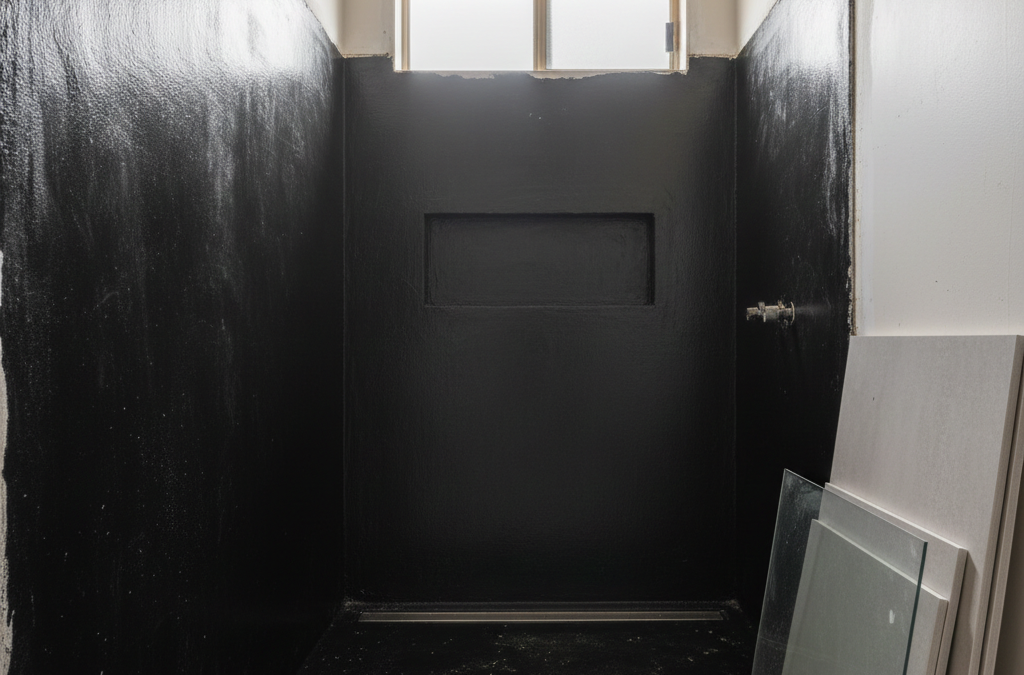
- Waterproofing. A licensed waterproofer applies membrane to all wet area surfaces. This must comply with AS 3740 and requires a compliance certificate before tiling begins.
- Tiling. Wall and floor tiles are laid, grouted, and sealed. Tile selection, pattern complexity, and surface area directly affect labour time and cost.
- Screen installation. Frameless, semi-frameless, or framed shower screens are measured, manufactured, and installed.
- Fit-off. The plumber returns to install tapware, showerheads, mixers, and connect drainage. The electrician completes any lighting or exhaust fan connections.
- Final inspection and handover. The completed shower is checked for leaks, finish quality, and compliance before handover.
Each stage depends on the one before it. Delays in waterproofing certification, for example, push back tiling, which pushes back screen installation and fit-off. A well-coordinated project manager keeps these stages running in sequence without gaps.
Shower Renovation Cost in Sydney
Shower renovation costs in Sydney vary based on three primary factors: the size of the shower area, the quality of materials selected, and the complexity of plumbing and structural work required. Labour rates in Sydney are among the highest in Australia due to demand, licensing requirements, and the cost of operating in a metropolitan area.
The following cost tiers reflect typical project ranges for a standard single-shower renovation in 2025. These figures include labour, materials, and GST but exclude any structural modifications, asbestos removal, or major plumbing relocations.
Budget Shower Renovation ($5,000 to $10,000)
A budget shower renovation covers the essentials. You get a functional, compliant shower with standard materials and no layout changes.
| Item | Typical Cost Range |
| Demolition and disposal | $500 to $1,000 |
| Plumbing (like-for-like replacement) | $800 to $1,500 |
| Waterproofing and certification | $600 to $1,000 |
| Tiling (standard ceramic, basic layout) | $1,200 to $2,500 |
| Shower screen (framed or semi-frameless) | $400 to $900 |
| Tapware and showerhead (basic chrome) | $200 to $500 |
| Substrate prep and materials | $300 to $600 |
| Project coordination | $500 to $1,000 |
At this level, you are selecting builder-grade ceramic tiles, a standard chrome mixer, and a framed or semi-frameless screen. The layout stays the same, and plumbing connections remain in their existing positions. This tier suits investment properties, rental upgrades, or situations where the priority is compliance and function over aesthetics.
Mid-Range Shower Renovation ($10,000 to $20,000)
The mid-range tier is where most Sydney homeowners land. It allows for better tile selections, upgraded tapware, a frameless screen, and minor layout adjustments like moving a floor waste or adding a recessed niche.
| Item | Typical Cost Range |
| Demolition and disposal | $800 to $1,500 |
| Plumbing (minor relocation included) | $1,500 to $3,000 |
| Waterproofing and certification | $800 to $1,200 |
| Tiling (porcelain, feature wall, niche) | $2,500 to $5,000 |
| Shower screen (frameless) | $900 to $1,800 |
| Tapware and showerhead (matte black or brushed nickel) | $500 to $1,200 |
| Substrate prep and materials | $500 to $1,000 |
| Electrician (downlight, exhaust fan) | $400 to $800 |
| Project coordination | $800 to $1,500 |
This range gives you design flexibility. You can choose larger format porcelain tiles, a rainfall showerhead, matte black or brushed nickel tapware, and a custom frameless screen. A recessed wall niche for storage is standard at this level. The result is a shower that looks and feels significantly upgraded from builder standard.
Premium Shower Renovation ($20,000 to $35,000+)
Premium shower renovations involve high-end materials, custom design elements, and often structural changes. This tier includes natural stone tiles, floor-to-ceiling feature walls, linear drains, digital shower systems, and bespoke glass work.
| Item | Typical Cost Range |
| Demolition and disposal | $1,000 to $2,000 |
| Plumbing (full relocation, dual showerheads) | $3,000 to $5,000 |
| Waterproofing and certification | $1,000 to $1,500 |
| Tiling (natural stone, large format, complex patterns) | $5,000 to $10,000 |
| Shower screen (custom frameless, curved, or walk-in) | $1,800 to $4,000 |
| Tapware and fixtures (premium brands, digital controls) | $1,500 to $4,000 |
| Substrate prep, hob removal, structural work | $1,000 to $2,500 |
| Electrician (heated towel rail, LED strip lighting) | $800 to $1,500 |
| Project coordination and design | $1,500 to $3,000 |
At this level, every element is selected for both performance and visual impact. Natural stone requires specialist sealing and more careful installation. Linear drains need precise falls in the floor screed. Custom glass panels require templating after tiling is complete. The trades involved are more specialised, and the coordination is more demanding. This tier suits owner-occupiers renovating a master ensuite or high-end property investors targeting the premium rental or resale market.
Labour Costs for Shower Renovations
Labour typically accounts for 40% to 60% of the total shower renovation cost in Sydney. Multiple licensed trades are required by law, and each charges based on time, complexity, and the specific requirements of your project. Understanding individual trade costs helps you evaluate quotes and identify where pricing may be inflated or suspiciously low.
Plumber Costs
A licensed plumber handles water supply, drainage, and gas (if applicable) for your shower renovation. In Sydney, plumbers charge between $80 and $130 per hour, with most shower renovation plumbing work requiring two visits: a rough-in before waterproofing and a fit-off after tiling.
For a like-for-like shower replacement with no pipe relocation, expect plumbing costs between $800 and $1,500. If you are moving the shower position, adding a second showerhead, or upgrading from a mixer tap to a diverter system, costs increase to $1,500 to $3,500. Plumbing is one area where cutting costs can create expensive problems. Incorrect drainage falls, undersized pipes, or non-compliant connections lead to leaks, slow drainage, and failed inspections.
All plumbing work in NSW must be carried out by a holder of a plumbing licence issued by NSW Fair Trading. Ask for the licence number and verify it online before work begins.
Tiler and Waterproofer Costs
Tiling and waterproofing are the two most visible cost components in a shower renovation. In Sydney, tilers charge between $60 and $120 per square metre for supply and installation, depending on tile size, material, and pattern complexity. Large format tiles (600x600mm and above) cost more to install because they require more precise substrate preparation and larger notch trowels. Mosaic tiles and intricate patterns increase labour time significantly.
Waterproofing is a separate licensed trade in NSW. A waterproofing contractor charges between $600 and $1,500 for a standard shower area, including membrane application and the mandatory compliance certificate. This certificate is a legal requirement under the Home Building Act 1989 and must be issued before any tiling begins. Without it, your renovation is non-compliant, and you may face issues with insurance claims or future property sales.
Some contractors bundle tiling and waterproofing into a single quote. This is acceptable as long as the waterproofing is performed by a licensed waterproofer and a separate compliance certificate is issued.
Electrician and Builder Costs
An electrician is required for any work involving lighting, exhaust fans, heated towel rails, or power points within the wet area zone. Sydney electricians charge between $80 and $120 per hour, with most shower-related electrical work costing $400 to $1,200 depending on scope.
Common electrical tasks in a shower renovation include installing or relocating a downlight above the shower, wiring an exhaust fan to a timer switch, and connecting a heated towel rail. All electrical work in wet areas must comply with AS/NZS 3000 (the Wiring Rules) and be performed by a licensed electrician.
A builder or carpenter may be needed if the renovation involves removing a shower hob, modifying wall framing, or installing new cement sheeting. Builder rates in Sydney range from $70 to $110 per hour. For most standard shower renovations, builder involvement is limited to substrate preparation and any structural modifications required before waterproofing.
Shower Materials and Fittings Cost Breakdown
Material and fitting selections are where you have the most control over your final budget. The difference between a basic ceramic tile and a natural stone slab can be $100 or more per square metre. Choosing fittings strategically allows you to allocate budget where it has the most visual and functional impact.
Shower Screens and Enclosures
The shower screen is one of the most prominent visual elements in a bathroom. Pricing varies significantly based on type, glass thickness, and hardware finish.
| Screen Type | Typical Cost (Installed) | Best For |
| Framed screen | $350 to $700 | Budget renovations, rentals |
| Semi-frameless screen | $600 to $1,200 | Mid-range projects |
| Frameless fixed panel | $800 to $1,500 | Modern, open-plan showers |
| Frameless hinged door | $1,200 to $2,500 | Enclosed shower areas |
| Custom curved or walk-in | $2,000 to $4,500 | Premium, architect-designed |
Frameless screens use 10mm toughened safety glass and require precise measurement after tiling is complete. Lead times for custom frameless screens in Sydney typically run two to three weeks from templating to installation. Factor this into your project timeline.
Tiles and Wall Panels
Tiles are the largest material cost in most shower renovations. The price per square metre varies dramatically based on material, size, and origin.
| Tile Type | Cost per m² (Supply Only) | Installation Cost per m² |
| Basic ceramic (300x300mm) | $20 to $45 | $50 to $70 |
| Porcelain (600x600mm) | $40 to $90 | $65 to $90 |
| Large format porcelain (900x900mm+) | $60 to $130 | $80 to $120 |
| Natural stone (marble, travertine) | $80 to $250 | $90 to $150 |
| Mosaic (sheet-mounted) | $50 to $150 | $80 to $130 |
| Subway tile (stacked or brick bond) | $25 to $60 | $55 to $80 |
A standard shower area of 4 to 6 square metres (walls and floor) means tile costs range from $280 to $1,500 for supply alone, with installation adding $200 to $900 depending on complexity. Wastage allowance of 10% to 15% should be added to all tile orders.
Wall panels (acrylic or composite) are an alternative to tiles for budget renovations. They cost $100 to $250 per panel installed and eliminate the need for grouting, but they lack the durability and resale appeal of tiled surfaces.
Tapware, Showerheads, and Mixers
Tapware pricing in Australia ranges from under $100 for a basic chrome mixer to over $2,000 for a premium digital shower system. The most common selections for Sydney shower renovations fall into three categories.
Entry level ($100 to $400). Chrome finish, single-function showerhead, exposed mixer. Brands like Methven, Caroma, and Dorf offer reliable options at this price point.
Mid-range ($400 to $1,000). Matte black, brushed nickel, or gunmetal finish. Rainfall showerhead with handheld attachment. Concealed mixer plate. Brands like Phoenix, Fienza, and ABI Interiors are popular in this range.
Premium ($1,000 to $3,000+). Digital temperature control, dual showerhead systems, body jets. Brands like Astra Walker, Brodware, and Grohe sit at this level. These fixtures require more complex plumbing rough-in and should be selected before plumbing work begins.
Your tapware finish should match across all bathroom fixtures. Mixing chrome showerheads with matte black towel rails creates a disjointed look that detracts from the overall design.
Waterproofing Membranes and Drainage
Waterproofing is not optional. In NSW, all shower areas must be waterproofed by a licensed contractor in accordance with AS 3740. The membrane is applied to the shower floor, walls (to a minimum height of 1800mm), and any horizontal surfaces where water may accumulate.
Waterproofing membrane costs $15 to $30 per square metre for the material itself. Labour and certification bring the total to $600 to $1,500 for a standard shower. The two most common membrane types used in Sydney are liquid-applied polyurethane and sheet membrane (typically Ardex, Gripset, or Laticrete products).
Floor waste drainage is a critical component. A standard point drain costs $50 to $150 installed. A linear (strip) drain, which is increasingly popular in modern walk-in showers, costs $250 to $800 installed depending on length and finish. Linear drains require more precise floor falls during the screed stage, which adds to labour costs.
Hidden Costs and Common Budget Pitfalls
Every experienced renovator will tell you the same thing: it is the costs you did not plan for that blow the budget. Shower renovations in Sydney carry several common hidden expenses that catch first-time renovators off guard. Building a contingency of 10% to 15% into your budget is not conservative. It is realistic.
Asbestos and Structural Surprises
Homes built in Sydney before 1990 have a high probability of containing asbestos in bathroom wall linings, floor sheeting, or adhesive compounds. You will not know for certain until demolition begins. If asbestos is found, it must be removed by a licensed asbestos removalist before any other work continues.
Asbestos removal for a shower area typically costs $1,500 to $4,000 depending on the type (bonded vs friable), quantity, and disposal requirements. Friable asbestos is significantly more expensive to remove because it requires a Class A licence and full containment procedures.
Structural surprises include rotted timber framing behind tiles (common in older homes with failed waterproofing), corroded steel lintels above shower recesses, and non-standard wall construction that requires additional preparation before new substrate can be fixed. These issues add $500 to $3,000 to a project depending on severity.
Permit and Compliance Costs in NSW
Most standard shower renovations in Sydney do not require a development application (DA) from council. However, several compliance requirements carry costs that should be included in your budget.
Waterproofing compliance certificate. Mandatory. Issued by the licensed waterproofer. Usually included in their quote but confirm this. Cost if separate: $150 to $300.
Plumbing compliance certificate. Required for any plumbing work. Issued by the licensed plumber. Typically included in the plumbing quote.
Building certification. If your shower renovation is part of a larger bathroom or structural renovation exceeding $5,000 in value, you may need to notify your local council or engage a private certifier. Private certifier fees range from $500 to $1,500.
Strata approval. If you live in a strata-titled apartment in Sydney, you will likely need written approval from the owners corporation before any wet area renovation. Some strata schemes require a by-law variation, which can take four to eight weeks and cost $500 to $2,000 in legal and administrative fees.
Temporary Bathroom Arrangements
Your shower will be out of service for the duration of the renovation. For a standard shower renovation, that means one to three weeks depending on complexity and trade availability. If you only have one bathroom, you need a plan.
Options include using a gym or pool facility nearby, staying with family, or hiring a portable bathroom unit. Portable bathroom hire in Sydney costs $150 to $350 per week including delivery and pickup. This is a real cost that many homeowners overlook when budgeting.
If you have a second bathroom, the inconvenience is minimal. But for single-bathroom homes or apartments, factor this into both your budget and your timeline expectations.
How to Plan a Shower Renovation Budget
Budgeting for a shower renovation is not about finding the cheapest quote. It is about understanding where your money goes, making deliberate choices about quality and priority, and building enough contingency to handle surprises without panic.
Setting a Realistic Budget Range
Start by defining your scope. Are you doing a cosmetic refresh or a full replacement? Is the layout staying the same or changing? Are you upgrading to premium materials or keeping things functional?
Once the scope is clear, use the cost tiers outlined earlier in this guide as your baseline. Add 10% to 15% for contingency. If your home was built before 1990, add 15% to 20% to account for potential asbestos and structural issues.
A realistic budget for a mid-range shower renovation in Sydney in 2025 sits between $12,000 and $18,000 including contingency. If your total available budget is $10,000, be honest with yourself about what that buys. It covers a solid, compliant renovation with standard materials and no layout changes. Expecting premium finishes at a budget price point leads to compromises in the wrong places.
Where to Spend and Where to Save
Not every element of a shower renovation carries equal weight in terms of durability, visual impact, or resale value. Allocating your budget strategically makes a mid-range renovation look and perform like a premium one.
Spend more on:
- Waterproofing. This is the foundation of your shower. A failed membrane means ripping everything out and starting again. Never cut costs here.
- Tapware and mixers. You touch these every day. Quality tapware from a reputable brand lasts longer, feels better, and is easier to service.
- Shower screen. A frameless screen transforms the look of a shower. It is the single most impactful visual upgrade.
Save on:
- Tiles behind the screen. If a section of wall is permanently hidden behind a fixed glass panel, you can use a less expensive tile there without affecting the visible design.
- Substrate materials. Standard cement sheeting performs identically to premium alternatives in a shower application.
- Accessories. Towel hooks, robe hooks, and soap dishes can be sourced affordably without compromising on finish quality.
Getting Accurate Quotes from Sydney Contractors
A reliable quote for a shower renovation should be itemised, not lump sum. You need to see individual line items for demolition, plumbing, waterproofing, tiling, screen supply and installation, tapware, electrical, and project management.
Get three quotes minimum. Compare them line by line, not just on total price. A quote that is 30% cheaper than the others is either missing scope items, using substandard materials, or underestimating labour. All three scenarios end badly.
When reviewing quotes, check for these inclusions:
- Waterproofing compliance certificate
- Plumbing compliance certificate
- Waste disposal and skip bin
- Site protection (floor coverings, dust barriers)
- Specific tile allowance per square metre
- Tapware brand and model numbers
- Screen type, glass thickness, and hardware finish
- Payment schedule tied to project milestones
- Defects liability period and warranty terms
If a quote does not specify these items, ask for clarification before signing. Vague quotes lead to variation claims and cost blowouts during the project.
Shower Renovation Timeline and Project Stages
A standard shower renovation in Sydney takes one to three weeks from demolition to handover. The timeline depends on the scope of work, material lead times, trade availability, and whether any unexpected issues arise during demolition.
Understanding the timeline helps you plan around the disruption, coordinate deliveries, and hold your contractor accountable to a realistic schedule.
Demolition and Strip-Out
Demolition is typically completed in one day for a standard shower. This includes removing tiles, shower screen, tapware, and any damaged substrate. If asbestos is present, demolition pauses until a licensed removalist completes the abatement, which can add two to five days.
Waste disposal is handled via skip bin or trailer. In Sydney, a small skip bin for a shower demolition costs $250 to $450. Some contractors include this in their quote. Others charge it as a separate line item. Confirm before work starts.
Plumbing and Waterproofing
The plumbing rough-in happens immediately after demolition and substrate preparation. This stage takes one to two days depending on whether pipes are being relocated. Once plumbing is complete, the waterproofer applies the membrane.
Waterproofing membrane requires curing time before tiling can begin. Most liquid-applied membranes need 24 to 72 hours to cure fully, depending on the product and weather conditions. This curing period is non-negotiable. Tiling over uncured membrane compromises the waterproofing system and voids the compliance certificate.
The waterproofing compliance certificate must be issued and documented before the tiler starts. This is a legal checkpoint, not a suggestion.
Tiling, Fit-Off, and Final Inspection
Tiling a standard shower takes two to four days depending on tile size, pattern, and the number of cuts required. Grouting follows tiling and needs 24 hours to cure before the shower can be used.
After tiling, the shower screen is templated (for frameless) or installed (for framed and semi-frameless). Frameless screens require a return visit two to three weeks after templating for installation. This is the most common cause of timeline extensions in shower renovations.
The plumber and electrician return for fit-off once tiling and screen installation are complete. Tapware, showerheads, and drainage connections are finalised. The electrician connects any lighting or exhaust fans.
A final walkthrough checks for tile lippage, grout consistency, screen alignment, tapware function, and drainage performance. Any defects are noted and rectified before handover.
Shower Design Trends in Sydney Homes
Design trends influence material availability, trade familiarity, and resale appeal. Choosing a design that aligns with current preferences does not mean chasing fads. It means selecting elements that are widely available, well-supported by local trades, and likely to age well.
Walk-In and Frameless Shower Designs
Walk-in showers with a single fixed frameless panel have become the dominant design choice in Sydney bathroom renovations. They create a sense of space, simplify cleaning, and eliminate the maintenance issues associated with framed screen tracks and door seals.
A walk-in design requires careful attention to floor falls and drainage positioning. Without a door or full enclosure, water management depends entirely on the gradient of the floor and the placement of the drain. A minimum fall of 1:60 (approximately 17mm per metre) toward the drain is required under Australian Standards.
The cost premium for a walk-in design over a traditional enclosed shower is modest. The screen itself is often cheaper (one fixed panel vs a hinged door), but the floor preparation and drainage work may cost slightly more due to the precision required.
Niche Shelving and Built-In Storage
Recessed wall niches have replaced corner caddies and suction-mounted shelves as the standard storage solution in modern showers. A niche is built into the wall cavity during the substrate stage, waterproofed, and tiled to match the surrounding walls.
A single niche costs $200 to $500 to construct and tile, depending on size and tile type. Double-height niches or niches with a contrasting tile feature add $100 to $300 more. The structural requirement is a wall cavity deep enough to accommodate the niche (minimum 90mm for a standard stud wall).
Niches must be waterproofed as part of the overall shower membrane. The niche floor should have a slight fall toward the shower to prevent water pooling. This detail is often overlooked by less experienced tilers.
Accessibility and Universal Design Features
Accessible shower design is relevant for aging-in-place renovations, households with mobility considerations, and investors targeting the growing demand for accessible rental properties.
Key accessibility features include hobless (zero-threshold) entry, grab rails rated to AS 1428.1, a fold-down shower seat, handheld showerhead on an adjustable rail, and non-slip floor tiles with a minimum P4 slip rating.
A hobless entry requires the bathroom floor to be recessed or the shower floor to be built up with a graded screed. This adds $500 to $1,500 to the floor preparation cost. Grab rails cost $80 to $250 each installed, depending on material and finish. These features add modest cost but significantly increase the usability and market appeal of the bathroom.
Does a Shower Renovation Add Property Value
A well-executed shower renovation is one of the highest-return improvements you can make to a Sydney property. Bathrooms and kitchens consistently rank as the two rooms that most influence buyer perception and sale price.
ROI for Owner-Occupiers vs Investors
For owner-occupiers, the return on a shower renovation is both financial and lifestyle-based. You benefit from the improved space every day, and the renovation contributes to overall property value when you eventually sell. According to Archistar’s property data, a well-renovated bathroom in Sydney can return $2 to $3 for every $1 spent when the property is sold within five years of the renovation.
For investors, the calculation is more direct. A renovated bathroom supports higher rental yields and reduces vacancy periods. In Sydney’s competitive rental market, a modern shower with frameless screen and quality tapware can justify a rent increase of $20 to $50 per week, which compounds significantly over the hold period.
The key for both groups is proportional spending. Over-capitalising on a shower renovation in a property that does not support premium pricing wastes money. Match your renovation budget to the property’s value bracket and the expectations of its target market.
Value-Adding Upgrades That Buyers Notice
Not all upgrades carry equal weight with buyers and valuers. The following elements consistently deliver the strongest perceived value relative to their cost:
- Frameless shower screen. The single most noticed upgrade. It signals a modern, quality renovation.
- Consistent tapware finish. Matching showerhead, mixer, towel rail, and accessories in one finish (matte black, brushed nickel) creates a cohesive, designed look.
- Large format tiles. Fewer grout lines create a cleaner, more spacious appearance.
- Recessed niche. A built-in niche reads as thoughtful design, not afterthought storage.
- Quality drainage. A linear drain or a well-positioned point drain with a tile insert grate shows attention to detail.
Avoid spending on features that buyers cannot see or do not value, such as premium substrate materials, over-engineered framing, or excessively complex tile patterns that date quickly.
How to Choose a Shower Renovation Contractor in Sydney
The contractor you choose determines the quality of your renovation, the accuracy of your budget, and the likelihood of your project finishing on time. In Sydney’s crowded renovation market, the difference between a professional operator and an unreliable one is often not obvious from a website or social media page.
Licensing, Insurance, and Warranty Checks
In NSW, any contractor performing residential building work valued over $5,000 (including labour and materials) must hold a licence issued by NSW Fair Trading. For shower renovations, the relevant licence classes include:
- General building work (for overall project management and structural work)
- Plumbing and drainage (for all plumbing tasks)
- Waterproofing (for membrane application and certification)
- Electrical wiring (for any electrical work)
Verify licence numbers directly on the NSW Fair Trading licence check tool. Do not rely on a contractor’s claim alone.
Insurance requirements include public liability insurance (minimum $5 million is standard) and home warranty insurance for projects over $20,000. Home warranty insurance protects you if the contractor becomes insolvent or disappears before completing the work or rectifying defects.
Warranty terms should be specified in the contract. A minimum defects liability period of 12 months is standard. Quality contractors offer longer warranty periods because they are confident in their workmanship.
Questions to Ask Before Signing a Contract
Before committing to a contractor, ask these questions and evaluate the quality of their responses:
- Can you provide your NSW Fair Trading licence number for verification?
- Who will be the day-to-day project manager, and how will they communicate progress?
- Is the quote fully itemised with specific product brands, model numbers, and allowances?
- What is included in the quoted price, and what is excluded?
- What is the payment schedule, and is it tied to completed milestones?
- How do you handle variations and unexpected costs during the project?
- What is the expected timeline from start to handover?
- Will you provide waterproofing and plumbing compliance certificates?
- What is your defects liability period and warranty coverage?
- Can you provide references or examples of completed shower renovations in Sydney?
A contractor who answers these questions clearly, confidently, and in writing is demonstrating the transparency and professionalism you need for a successful renovation. Hesitation, vagueness, or resistance to putting details in writing are warning signs.
Conclusion
A shower renovation in Sydney is a significant investment that rewards careful planning, realistic budgeting, and informed decision-making. Understanding the true cost of labour, materials, waterproofing, and hidden expenses puts you in control of the process from the first quote to the final inspection.
The difference between a stressful renovation and a smooth one comes down to preparation. Knowing where to allocate your budget, what compliance requirements apply in NSW, and how to evaluate contractor quotes gives you the confidence to move forward without second-guessing every decision.
At Sydney Home Renovation, we deliver transparent pricing, licensed workmanship, and end-to-end project coordination for every shower renovation. Contact us today for an itemised quote and start your renovation with a team that keeps your project on budget, on schedule, and built to last.
Frequently Asked Questions
How much does a shower renovation cost in Sydney?
A shower renovation in Sydney typically costs between $5,000 and $35,000 depending on scope, materials, and labour. A mid-range renovation with quality finishes and a frameless screen averages $12,000 to $18,000 including contingency.
How long does a shower renovation take?
Most shower renovations take one to three weeks from demolition to handover. Frameless shower screens add two to three weeks of lead time for templating and manufacturing, which is the most common cause of timeline extensions.
Do I need council approval for a shower renovation in NSW?
Standard shower renovations in Sydney generally do not require a development application. However, waterproofing and plumbing compliance certificates are mandatory. Strata properties may require owners corporation approval before work begins.
What is the most expensive part of a shower renovation?
Tiling and labour are typically the largest cost components, accounting for 40% to 60% of the total budget. Premium tile selections and complex patterns increase costs significantly. Waterproofing, while less expensive, is the most critical investment.
Can I renovate my shower without removing the tiles?
You can apply a cosmetic refresh over existing tiles if the waterproofing membrane is intact and the substrate is structurally sound. Options include regrouting, tile paint, or overlay panels. However, if waterproofing has failed, full tile removal is necessary.
What should I look for in a shower renovation quote?
A reliable quote should be fully itemised with separate line items for demolition, plumbing, waterproofing, tiling, screen, tapware, electrical, and project management. It should specify product brands, model numbers, allowances per square metre, and a milestone-based payment schedule.
Does a shower renovation add value to my home?
Yes. A well-executed shower renovation is one of the highest-return bathroom improvements. In Sydney, quality bathroom renovations can return $2 to $3 for every $1 spent at resale. Modern showers with frameless screens and quality tapware also support higher rental yields for investment properties.