
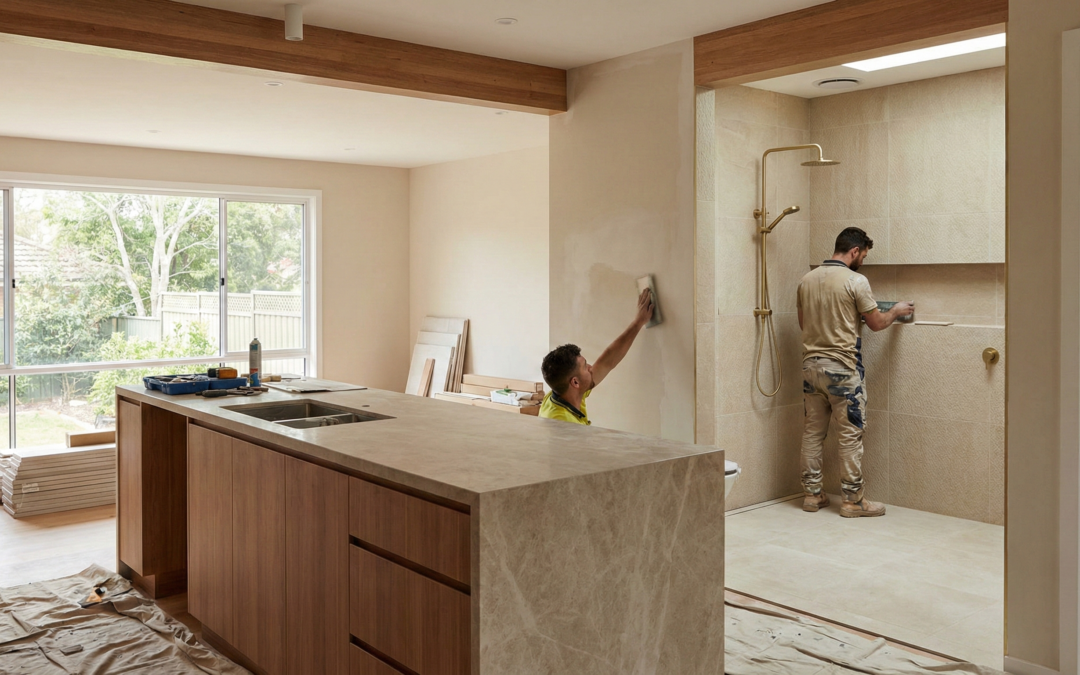
Renovating in 2026 could be your smartest financial move—or a costly mistake—depending on your timing, budget, and property goals. With construction costs stabilising after years of volatility and interest rates showing signs of easing, many Sydney homeowners are weighing whether next year offers the right conditions to finally tackle that bathroom upgrade or full home transformation.
The decision isn’t just about whether you can renovate—it’s about whether you should, given your specific circumstances. Material prices, labour availability, and property market trends all play critical roles in determining your return on investment.
This guide breaks down the key factors influencing renovation decisions in 2026, from cost projections and financing options to timing strategies that maximise value. Whether you’re a first-time renovator or seasoned property investor, you’ll find practical insights to help you decide with confidence.
What’s Driving Renovation Decisions in 2026?
The renovation landscape heading into 2026 looks markedly different from the chaos of 2021-2023. Supply chain disruptions have largely resolved, and the frantic post-pandemic renovation boom has cooled into steadier demand patterns.
Several factors are pushing homeowners toward renovation rather than relocation. Sydney’s median house price continues to make moving prohibitively expensive for many families. Stamp duty alone on a median-priced home exceeds what many bathroom or kitchen renovations cost entirely.
Rising energy costs have also shifted priorities. Homeowners increasingly view renovations as opportunities to improve thermal efficiency, install solar systems, and reduce long-term operating expenses. A well-planned renovation can deliver both lifestyle improvements and measurable savings on utility bills.
The rental market presents another consideration for property investors. Quality renovations in high-demand areas continue to command premium rents, making strategic upgrades financially attractive even with current interest rates.
Understanding 2026 Construction Cost Forecasts
Material Price Projections
Building material costs have stabilised significantly compared to the dramatic spikes of 2021-2022. Industry analysts project modest increases of 3-5% for most common materials through 2026, roughly tracking general inflation rather than outpacing it.
Timber prices, which saw increases exceeding 50% during peak disruption periods, have returned to more predictable patterns. Imported tiles, fixtures, and fittings remain subject to currency fluctuations, but supply chains have adapted to post-pandemic realities.
Certain specialty materials may see sharper increases. Sustainable and eco-certified products command premiums as demand grows, while some imported European fixtures face longer lead times due to shipping route changes.
Labour Cost Expectations
Skilled trade labour remains the most significant cost variable for 2026 renovations. Sydney’s construction sector continues experiencing workforce constraints, particularly for licensed plumbers, electricians, and waterproofers.
Hourly rates for qualified tradespeople have increased steadily, with most trades charging 15-25% more than pre-pandemic rates. This trend shows little sign of reversing, as apprenticeship completions haven’t kept pace with industry demand.
The silver lining: reduced residential construction activity compared to 2022 peaks means better tradesperson availability. Homeowners planning 2026 renovations may find scheduling easier and potentially negotiate more competitive quotes than during boom periods.
Hidden Cost Considerations
Beyond headline material and labour figures, several hidden costs deserve attention in your 2026 planning:
Compliance costs continue rising as building codes tighten. New energy efficiency requirements, waterproofing standards, and accessibility provisions can add unexpected expenses to renovation budgets.
Waste disposal fees have increased substantially across Sydney councils. Factor in skip bin hire and disposal costs, particularly for asbestos-containing materials common in pre-1990 homes.
Temporary accommodation costs matter for major renovations. If your project requires vacating the property, current rental market conditions make this expense significant.
Is 2026 the Right Time for Your Renovation?
Signs You Should Renovate in 2026
Certain circumstances make 2026 an opportune year to proceed:
Your property has functional deficiencies. Leaking bathrooms, outdated electrical systems, or failing waterproofing don’t improve with waiting. Deferred maintenance typically costs more to address later, and water damage compounds rapidly.
You’re planning to stay long-term. Homeowners committed to their property for five-plus years can amortise renovation costs over time, making the investment more justifiable regardless of short-term market conditions.
Your financing is secured. If you’ve locked in favourable loan terms or have cash reserves allocated, proceeding before potential rate changes makes sense. Waiting introduces uncertainty into your budget.
You’ve found reliable contractors. Quality builders and tradespeople remain in demand. If you’ve secured quotes from reputable professionals with availability, that relationship has value worth acting on.
Signs You Should Wait
Other circumstances suggest patience:
Your budget is tight. Renovations consistently exceed initial estimates. If your finances leave no buffer for unexpected discoveries—asbestos, structural issues, plumbing problems—waiting until you’ve built reserves is prudent.
You’re uncertain about staying. Renovating a property you might sell within two years rarely delivers full return on investment. The disruption and stress may not justify the outcome.
Major life changes loom. Job uncertainty, family changes, or potential relocations all argue for delaying significant financial commitments.
You haven’t done proper planning. Rushing into renovation without detailed scopes, multiple quotes, and clear specifications leads to budget blowouts and disappointing results.
Budgeting Strategies for 2026 Renovations
Setting Realistic Cost Expectations
Accurate budgeting starts with understanding current market rates. For bathroom renovations in Sydney—one of the most common projects—expect these ranges:
Basic bathroom renovation (cosmetic updates): $15,000-$25,000 Mid-range bathroom renovation (full replacement): $25,000-$45,000 High-end bathroom renovation (premium finishes): $45,000-$80,000+
These figures assume standard-sized bathrooms without major structural changes. Relocating plumbing, expanding footprints, or addressing waterproofing failures add substantially to costs.
Kitchen renovations typically range from $20,000 for cosmetic refreshes to $80,000+ for complete transformations with premium appliances and custom cabinetry.
Building in Contingency
Every renovation budget needs contingency—money set aside for unexpected discoveries and scope changes. Industry standard recommendations suggest:
Cosmetic renovations: 10-15% contingency Structural renovations: 15-20% contingency Older homes (pre-1980): 20-25% contingency
This isn’t pessimism; it’s realism. Opening walls reveals surprises. Plumbing inspections uncover issues. Electrical systems need upgrading to meet current codes. Contingency funds prevent these discoveries from derailing your project.
Prioritising Value-Adding Upgrades
Not all renovation spending delivers equal returns. Focus your 2026 budget on improvements that enhance both liveability and resale value:
High-return investments:
- Bathroom waterproofing and modernisation
- Kitchen functionality improvements
- Energy efficiency upgrades (insulation, windows, solar)
- Additional storage solutions
- Outdoor living spaces
Lower-return investments:
- Highly personalised design choices
- Over-specification for the neighbourhood
- Luxury finishes in entry-level properties
- Swimming pools (in most Sydney suburbs)
Financing Your 2026 Renovation
Current Lending Landscape
Interest rates remain a critical factor in renovation financing decisions. After the aggressive rate rises of 2022-2023, most economists project rates stabilising or modestly declining through 2026.
Home equity loans and lines of credit remain popular renovation financing options. Current rates typically range from 6.5-8.5% depending on your equity position and lender. These products offer flexibility, allowing you to draw funds as needed rather than taking a lump sum.
Construction loans suit larger renovations but involve more complex approval processes and staged drawdown requirements. They’re typically worthwhile only for projects exceeding $100,000.
Cash vs. Financing Considerations
Paying cash avoids interest costs but depletes reserves. Financing preserves liquidity but adds ongoing expenses. The right choice depends on your circumstances:
Consider cash if:
- You have reserves beyond the renovation cost
- Current savings earn less than loan interest rates
- You value the simplicity of debt-free ownership
Consider financing if:
- The renovation addresses urgent functional issues
- Your cash reserves would be dangerously depleted
- Tax considerations favour debt (investment properties)
- You can comfortably service additional repayments
Government Incentives and Rebates
Several programs may reduce your 2026 renovation costs:
Energy efficiency rebates remain available for insulation, efficient hot water systems, and solar installations. These programs change frequently, so verify current offerings before finalising budgets.
Accessibility modification grants assist eligible homeowners making properties suitable for disability or ageing in place.
Heritage grants may apply to properties in conservation areas, though they come with compliance requirements.
Timing Your 2026 Renovation for Success
Best Months to Start
Renovation timing affects both cost and convenience. In Sydney, certain periods offer advantages:
Autumn (March-May) provides mild weather ideal for construction, with tradespeople returning from summer holidays and availability improving.
Winter (June-August) can offer competitive pricing as demand typically softens. Indoor renovations like bathrooms proceed unaffected by weather.
Avoid December-January when trades take extended breaks, material suppliers operate reduced hours, and project momentum stalls.
Spring (September-November) sees increased demand as homeowners prepare for summer entertaining, potentially affecting availability and pricing.
Project Scheduling Considerations
Realistic scheduling prevents frustration. A standard bathroom renovation requires 4-8 weeks from demolition to completion, assuming no major complications. Kitchen renovations typically need 6-12 weeks.
Build buffer time into your expectations. Council approvals, if required, add weeks or months. Material lead times for specialty items can extend timelines. Tradesperson scheduling conflicts cause delays.
Starting your planning process 6-12 months before your desired construction start date allows adequate time for design, quotes, approvals, and contractor selection.
Choosing the Right Renovation Approach
Full Renovation vs. Staged Upgrades
Budget constraints don’t necessarily mean postponing all improvements. Staged renovations spread costs while delivering incremental benefits:
Advantages of staged approach:
- Manageable financial commitment
- Learn from each phase before proceeding
- Maintain liveable spaces throughout
- Adjust plans based on experience
Disadvantages of staged approach:
- Higher total cost (repeated mobilisation, potential rework)
- Extended disruption period
- Design continuity challenges
- Contractor relationship management
Full renovations cost more upfront but typically deliver better value per dollar spent and minimise total disruption time.
DIY vs. Professional Execution
The temptation to reduce costs through DIY work requires honest self-assessment. Some tasks suit capable homeowners; others demand professional execution.
Suitable for DIY:
- Painting (with proper preparation)
- Simple fixture replacements
- Demolition (with appropriate safety measures)
- Landscaping and garden work
- Basic tiling (non-wet areas)
Require licensed professionals:
- All plumbing work
- All electrical work
- Waterproofing
- Structural modifications
- Gas fitting
Attempting licensed work yourself creates safety risks, insurance issues, and compliance problems that far exceed any savings.
Maximising Return on Your Renovation Investment
Understanding Renovation ROI
Return on investment varies dramatically based on renovation type, property location, and execution quality. Research from property analysts suggests:
Bathroom renovations typically return 60-80% of costs at sale, with higher returns in properties where bathrooms were notably dated or dysfunctional.
Kitchen renovations return 50-75%, with diminishing returns on ultra-premium specifications in average neighbourhoods.
Energy efficiency improvements increasingly influence buyer decisions, though quantifying exact returns remains difficult.
Structural additions (extra bedrooms, living spaces) can return 80-100%+ in high-demand areas where additional space commands premium prices.
Avoiding Overcapitalisation
Overcapitalisation—spending more on renovations than you’ll recover—remains a common mistake. Protect yourself by:
Researching comparable sales in your area to understand ceiling prices Matching specifications to neighbourhood expectations Focusing on functionality over luxury finishes Getting independent valuations before major projects
A $100,000 bathroom renovation in a $800,000 property rarely makes financial sense, regardless of how beautiful the result.
Working with Contractors in 2026
Finding Reliable Professionals
Quality contractors remain in demand. Start your search early and use multiple channels:
Personal referrals from friends, family, and neighbours who’ve completed similar projects provide the most reliable recommendations.
Industry associations like the Master Builders Association and Housing Industry Association maintain member directories with verified credentials.
Online reviews offer insights but require critical reading. Look for detailed reviews describing specific projects rather than generic praise.
Getting Accurate Quotes
Meaningful quotes require detailed specifications. Provide potential contractors with:
- Detailed scope of work
- Specific product selections (or allowances)
- Clear timeline expectations
- Access requirements and constraints
- Any known issues or complications
Request itemised quotes breaking down labour, materials, and margins. This transparency helps you compare offerings and understand where your money goes.
Obtain minimum three quotes for any significant project. Dramatic price variations warrant investigation—the cheapest quote often reflects missing scope items or unrealistic assumptions.
Contract Essentials
Protect yourself with comprehensive contracts including:
- Detailed scope of work
- Fixed price or clear variation process
- Payment schedule tied to milestones
- Timeline with completion date
- Warranty terms
- Insurance certificates
- Dispute resolution process
Never pay more than 10-20% deposit upfront, and tie subsequent payments to verified completion of defined stages.
Conclusion
Deciding whether to renovate in 2026 ultimately depends on your specific financial position, property needs, and long-term plans. The market conditions appear favourable—stabilising costs, improving tradesperson availability, and continued property value growth in quality locations all support renovation investment.
Sydney Home Renovation understands that every homeowner’s situation differs. We’ve helped hundreds of Sydney families navigate renovation decisions, providing transparent cost guidance and realistic project planning that eliminates surprises and delivers results.
Ready to explore whether 2026 is your year to renovate? Contact our team for an obligation-free consultation. We’ll assess your property, discuss your goals, and provide honest advice on timing, budgeting, and approach—helping you make a confident decision that’s right for your circumstances.
Frequently Asked Questions
How much should I budget for a bathroom renovation in 2026?
Budget $25,000-$45,000 for a mid-range Sydney bathroom renovation including quality fixtures, tiling, and professional installation. Add 15-20% contingency for unexpected discoveries, particularly in older homes where plumbing or waterproofing issues commonly emerge during demolition.
Will construction costs go down in 2026?
Significant cost reductions are unlikely. Material prices have stabilised but aren’t declining, and skilled labour costs continue rising due to workforce shortages. Planning for 3-5% annual increases provides realistic budget expectations.
Is it better to renovate or sell and buy a different property?
Renovation typically costs less than selling, buying, and paying stamp duty—often by $50,000-$100,000 or more in Sydney. However, if your property has fundamental limitations (wrong location, inadequate land size, structural issues), selling may prove more practical.
How long does a typical home renovation take in Sydney?
Bathroom renovations require 4-8 weeks, kitchen renovations 6-12 weeks, and whole-home renovations 3-6 months or longer. Add 2-4 months for planning, quotes, and any required council approvals before construction begins.
What renovations add the most value to a Sydney home?
Bathroom and kitchen updates consistently deliver strong returns, particularly when replacing visibly dated or dysfunctional spaces. Energy efficiency improvements, additional living space, and outdoor entertaining areas also perform well in the current market.
Do I need council approval for my renovation?
Most internal renovations (bathrooms, kitchens, cosmetic updates) don’t require council approval. Structural changes, additions, and work affecting external appearance typically need development approval or complying development certificates. Always verify requirements before commencing work.
How do I avoid renovation cost blowouts?
Detailed planning, comprehensive specifications, adequate contingency funds, and fixed-price contracts with reputable contractors minimise blowout risk. Avoid making changes mid-project, and address any discovered issues promptly rather than hoping they’ll resolve themselves.