
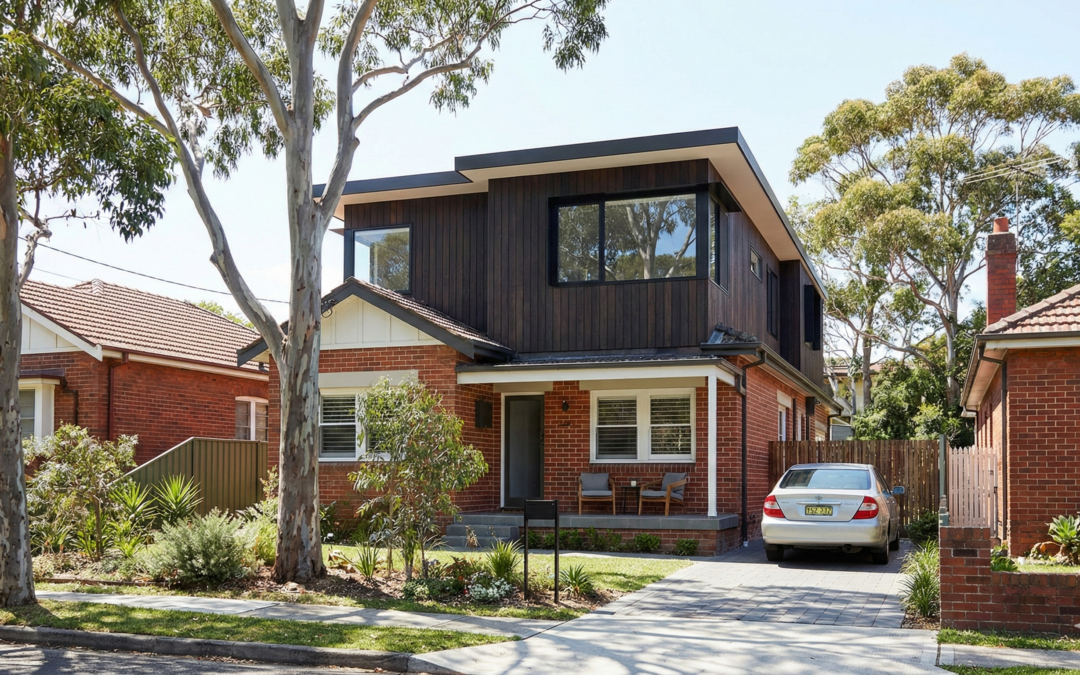
A second storey addition in Sydney typically costs between $2,800 and $5,000 per square metre, with most projects ranging from $350,000 to $700,000 for a full upper level. This significant investment can add 50 to 100 square metres of living space while potentially increasing your property value by 20 to 30 percent.
Whether you’re a growing family needing extra bedrooms, an investor seeking better returns, or a homeowner wanting to maximise your block without sacrificing outdoor space, building up offers a compelling alternative to moving or extending outward. Sydney’s land values make vertical expansion increasingly attractive.
This comprehensive guide covers everything you need to plan your second storey addition with confidence. You’ll find detailed cost breakdowns, step-by-step approval processes, structural requirements, design considerations, and practical advice for choosing the right builder and avoiding costly mistakes.
What Is a Second Storey Addition?
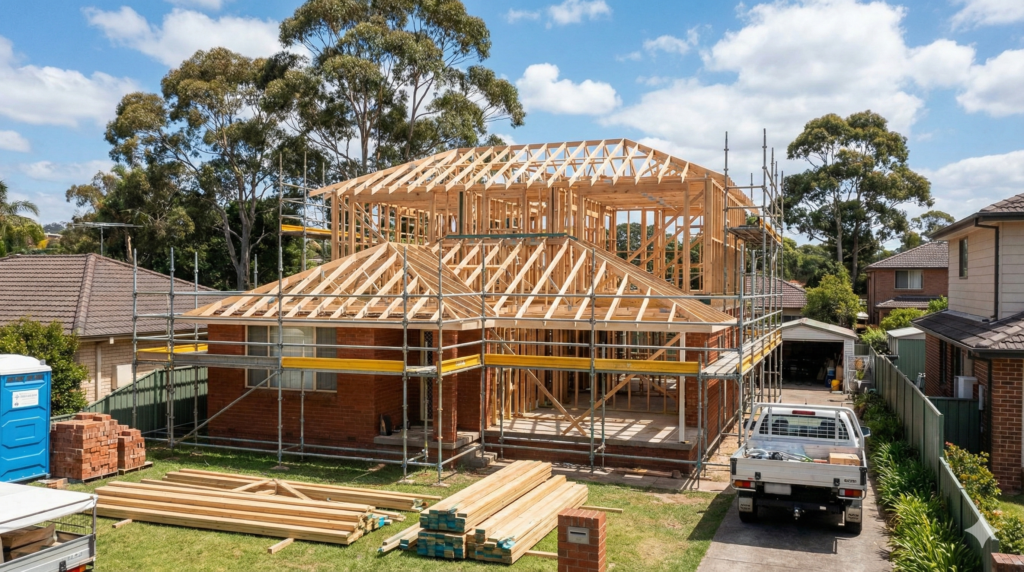
A second storey addition involves constructing a new upper level on top of your existing single-storey home. This major renovation requires removing your current roof, strengthening the existing structure where necessary, building new walls and flooring systems, and installing a new roof over the expanded dwelling.
Unlike ground floor extensions that spread outward, second storey additions build vertically. This approach preserves your yard space while dramatically increasing your home’s liveable area. The process typically involves significant structural engineering, council approvals, and coordination between architects, engineers, and builders.
Second storey additions suit Sydney homeowners who love their location but need more space. Rather than competing in a challenging property market or sacrificing outdoor areas, you can transform your existing home into a larger, more functional dwelling.
Full Second Storey vs Partial Second Storey
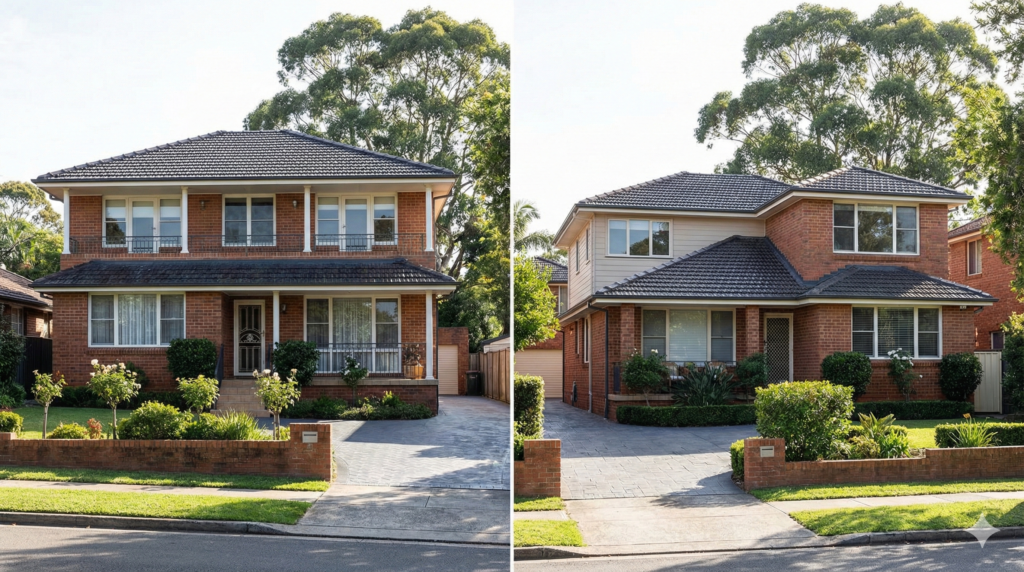
A full second storey addition covers the entire footprint of your existing ground floor. This approach typically adds 80 to 120 square metres of new living space, creating room for multiple bedrooms, bathrooms, and potentially living areas upstairs. Full additions cost more but deliver maximum space and often better proportions.
A partial second storey covers only a portion of your ground floor footprint. Common configurations include adding a master suite above the garage, extending over a rear section, or building above one wing of the house. Partial additions typically range from 30 to 60 square metres.
The choice between full and partial depends on your budget, space requirements, and existing home layout. Partial additions cost less upfront but may limit future flexibility. Full additions require more structural work but often deliver better value per square metre and more cohesive design outcomes.
Second Storey Addition vs Knockdown Rebuild
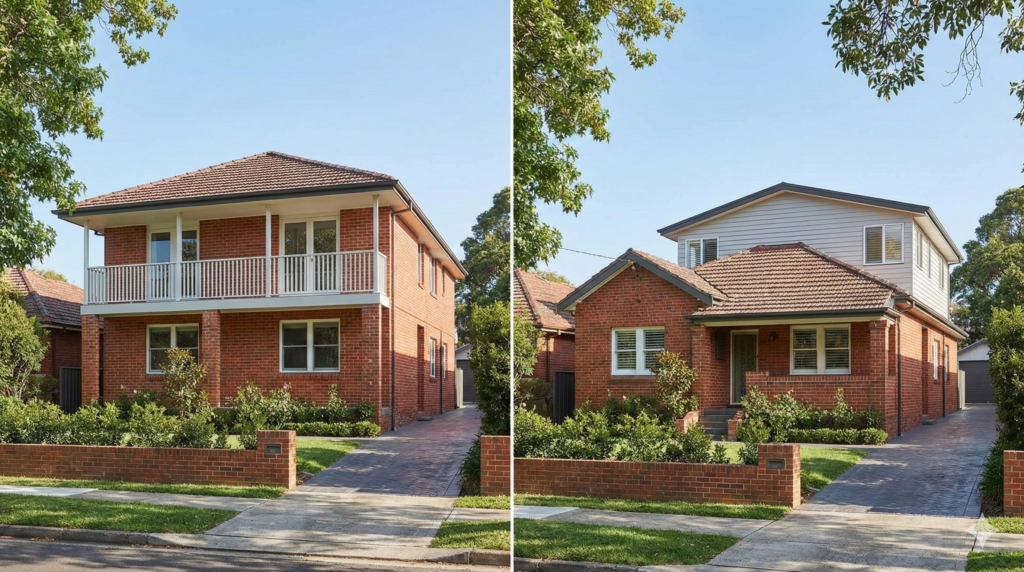
Second storey additions preserve your existing home while expanding upward. Knockdown rebuilds demolish the entire structure and construct a new two-storey home from scratch. Both approaches achieve similar end results but suit different situations.
Second storey additions typically cost 30 to 50 percent less than knockdown rebuilds for comparable floor areas. They also preserve any heritage value, maintain neighbourhood character, and avoid the complete disruption of starting from bare land. However, additions must work within existing structural constraints.
Knockdown rebuilds offer complete design freedom, modern building standards throughout, and no compromise with existing layouts. They make sense when the existing structure has significant defects, the layout is fundamentally unsuitable, or you want a completely different home style. The decision often comes down to budget, attachment to the existing home, and design flexibility requirements.
Is a Second Storey Addition Right for Your Sydney Home?
Not every Sydney home suits a second storey addition. Several factors determine feasibility, including your existing foundation strength, soil conditions, council planning controls, and neighbourhood context.
Homes built on concrete slab foundations often require less structural work than those on stumps or piers. Properties in areas with strict height limits or heritage overlays face additional constraints. Narrow blocks may struggle with setback requirements that limit upper-level footprints.
The best candidates for second storey additions are structurally sound homes on stable soil, in areas without restrictive height controls, where owners want to stay in their current location. A professional feasibility assessment identifies potential issues early and helps you make an informed decision before committing significant funds to design and approvals.
Benefits of Adding a Second Storey in Sydney
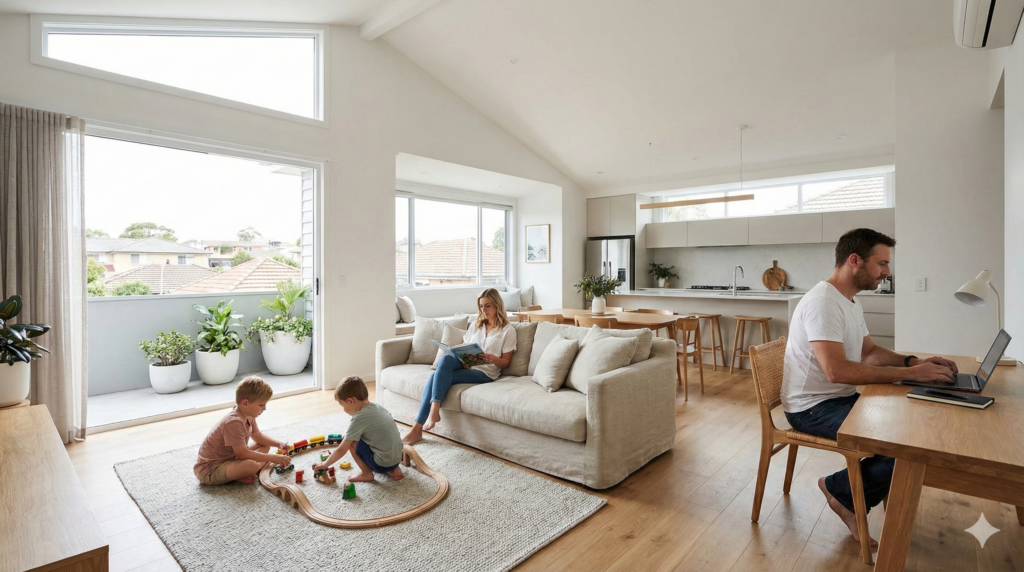
Sydney’s property market makes second storey additions increasingly attractive. With median house prices exceeding $1.4 million across most metropolitan areas, the cost of buying a larger home often far exceeds the investment required to expand your existing property.
Building up rather than buying delivers multiple advantages beyond pure economics. You maintain established school zones, community connections, and proximity to work. Your family avoids the disruption of moving, and you retain any improvements already made to your current home.
The benefits extend to lifestyle, finances, and long-term property value. Understanding these advantages helps you evaluate whether a second storey addition aligns with your goals.
Maximise Land Value Without Moving
Sydney land values represent the majority of most property prices. When you add a second storey, you’re extracting more value from land you already own rather than paying premium prices for a larger block elsewhere.
Consider a typical scenario: selling your current home and buying a larger property might cost $200,000 to $400,000 more than your current equity, plus stamp duty, agent fees, and moving costs. A second storey addition achieving similar space gains often costs less while avoiding transaction expenses.
You also retain any capital growth on your existing property. Rather than selling at today’s prices and buying at today’s prices, you improve an asset you already own. This approach particularly benefits homeowners in high-growth areas where land values continue appreciating.
Increase Liveable Space and Functionality
A second storey addition can double your home’s floor area. This dramatic space increase transforms how your family lives, providing room for growing children, home offices, guest accommodation, or simply more comfortable daily living.
Common configurations include relocating bedrooms upstairs while converting ground floor bedrooms into living spaces. This creates better separation between sleeping and living areas, reduces noise transfer, and often improves natural light throughout the home.
The additional space also enables functional improvements impossible in a cramped single-storey layout. Dedicated home offices, walk-in wardrobes, ensuites for multiple bedrooms, and proper storage become achievable when you’re not constrained by limited floor area.
Improve Property Value and Resale Potential
Second storey additions typically deliver strong returns on investment. While exact figures vary by location and quality, well-executed additions in desirable Sydney suburbs often return 1.2 to 1.5 times their cost in added property value.
The value increase comes from multiple factors. Additional bedrooms and bathrooms directly impact property valuations. Improved functionality appeals to a broader buyer pool. Modern construction standards and finishes update the entire property’s presentation.
Properties with second storey additions also sell faster in many markets. Buyers seeking larger homes in established suburbs have limited options. A well-designed two-storey home in a predominantly single-storey street often attracts premium interest from families wanting space without compromising on location.
Preserve Your Outdoor Space and Garden
Ground floor extensions consume yard space. In Sydney, where blocks are often modest and outdoor living is valued, sacrificing garden area for indoor space creates difficult trade-offs. Second storey additions avoid this compromise entirely.
Building up preserves your existing outdoor areas, established gardens, pools, and entertaining spaces. Children’s play areas remain intact. Mature trees that took decades to grow stay in place. The outdoor lifestyle that attracted you to your property continues unchanged.
This preservation particularly matters on smaller blocks where ground floor extensions would leave minimal usable outdoor space. A second storey addition can add 100 square metres of living area without touching a single square metre of your garden.
Second Storey Addition Costs in Sydney
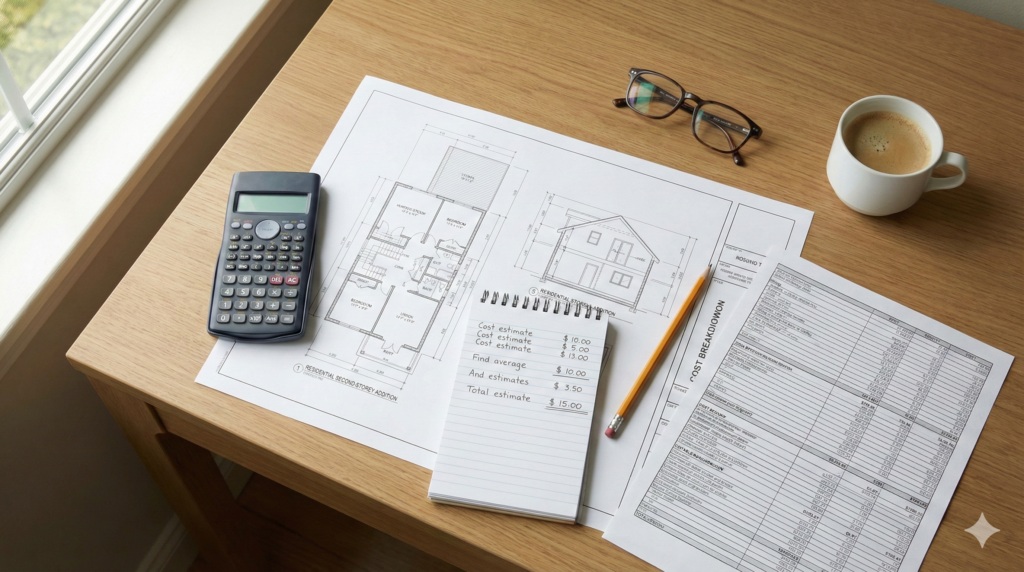
Understanding second storey addition costs helps you budget realistically and avoid financial stress during construction. Sydney prices reflect high labour costs, strict building standards, and competitive demand for quality tradespeople.
Costs vary significantly based on size, complexity, finishes, and site conditions. The figures below represent typical ranges for Sydney metropolitan projects in 2024-2025, though your specific project may fall outside these ranges depending on individual circumstances.
Accurate budgeting requires detailed quotes from qualified builders after proper design documentation. Use these figures for initial planning, then refine your budget as your project develops.
Average Cost Per Square Metre (2024-2025)
Second storey additions in Sydney typically cost between $2,800 and $5,000 per square metre for the new upper level construction. This range reflects variations in complexity, finishes, and builder pricing.
Budget-conscious projects using standard finishes and straightforward designs sit toward the lower end. High-specification projects with premium materials, complex architectural features, and custom joinery approach or exceed the upper range.
These per-square-metre figures cover the new construction but may not include all associated costs. Structural upgrades to existing areas, staircase installation, ground floor modifications, and external works add to the total project cost. Always clarify what’s included when comparing quotes.
Full Second Storey Addition Cost Breakdown
A full second storey addition of 100 square metres typically costs between $350,000 and $550,000 in Sydney. This total includes construction, structural work, and standard allowances for fixtures and finishes.
Typical cost allocation breaks down approximately as follows:
| Component | Percentage | Typical Cost Range |
| Structural frame and roof | 25-30% | $87,500-$165,000 |
| Internal fit-out (walls, ceilings, floors) | 20-25% | $70,000-$137,500 |
| Electrical and plumbing | 15-20% | $52,500-$110,000 |
| Windows, doors, and glazing | 8-12% | $28,000-$66,000 |
| Staircase | 5-8% | $17,500-$44,000 |
| Kitchen/bathroom fit-out (if included) | 10-15% | $35,000-$82,500 |
| External works and scaffolding | 8-12% | $28,000-$66,000 |
These percentages shift based on your specific design. Projects with multiple bathrooms upstairs allocate more to plumbing. Those with extensive glazing spend more on windows. Custom staircases can significantly exceed standard allowances.
Partial Second Storey Addition Cost Breakdown
Partial second storey additions covering 40 to 60 square metres typically cost between $180,000 and $320,000 in Sydney. The per-square-metre rate often runs slightly higher than full additions due to fixed costs spread across smaller areas.
A typical partial addition creating a master suite with ensuite and walk-in robe might include:
| Component | Typical Cost Range |
| Structural work and roof | $45,000-$80,000 |
| Internal construction | $35,000-$60,000 |
| Ensuite bathroom complete | $25,000-$45,000 |
| Electrical and lighting | $12,000-$20,000 |
| Staircase | $15,000-$35,000 |
| Windows and doors | $10,000-$18,000 |
| Scaffolding and access | $8,000-$15,000 |
Partial additions suit homeowners with specific space needs and tighter budgets. They deliver targeted improvements without the full investment of a complete upper level.
Factors That Affect Second Storey Addition Pricing
Multiple variables influence your final project cost. Understanding these factors helps you anticipate expenses and make informed decisions during planning.
Structural Assessment and Engineering Requirements
Every second storey addition requires structural engineering. The complexity of required work significantly impacts costs. Homes with robust existing structures need minimal intervention. Those requiring extensive strengthening face substantial additional expenses.
Structural engineering fees typically range from $3,000 to $8,000 for residential second storey projects. However, the work identified in engineering reports can add $20,000 to $80,000 or more to construction costs depending on foundation conditions and existing structure adequacy.
Roof Removal and Reconstruction
Your existing roof must be removed and a new roof constructed over the expanded dwelling. This process involves temporary weatherproofing, careful demolition, and construction of an entirely new roof structure.
Roof costs depend on complexity, materials, and span requirements. Simple gable roofs cost less than complex hip roofs with multiple valleys. Tile roofs typically cost more than metal roofing. Expect roof-related costs between $40,000 and $100,000 for most Sydney projects.
Foundation Strengthening
Existing foundations may require strengthening to support additional loads. This work ranges from minor reinforcement to extensive underpinning depending on soil conditions and original construction quality.
Foundation work costs vary dramatically. Some homes need nothing beyond minor pad footings for new posts. Others require comprehensive underpinning costing $30,000 to $80,000 or more. Geotechnical investigation early in planning identifies likely requirements.
Site Access and Scaffolding
Difficult site access increases costs throughout construction. Narrow driveways, steep blocks, and limited space for material storage all impact pricing. Scaffolding requirements depend on building height and site constraints.
Scaffolding typically costs $8,000 to $20,000 for second storey projects, with complex sites at the higher end. Poor access can add 10 to 20 percent to overall project costs through slower work rates and manual material handling.
Material Selection and Finishes
Your choice of materials and finishes significantly impacts total cost. Standard selections keep projects affordable. Premium choices escalate budgets quickly.
Key decisions affecting cost include flooring materials, bathroom fixtures and tiles, window specifications, internal door hardware, lighting selections, and paint finishes. A detailed schedule of finishes helps control costs by documenting exactly what’s included in your quote.
Hidden Costs and Budget Contingencies
Beyond direct construction costs, several additional expenses catch unprepared homeowners. Planning for these items prevents budget blowouts.
Common additional costs include:
Professional fees: Architect ($15,000-$40,000), structural engineer ($3,000-$8,000), surveyor ($1,500-$3,000), and certifier fees ($3,000-$6,000).
Council fees: Development application fees ($2,000-$8,000 depending on project value and council), long service levy (0.35% of project cost), and various inspection fees.
Temporary accommodation: If you need to move out during construction, budget $400-$800 per week for rental accommodation over 4-6 months.
Utility upgrades: Electrical switchboard upgrades ($2,000-$5,000), plumbing modifications, and potential gas or solar system changes.
Landscaping restoration: Site access and construction activity often damage gardens, requiring restoration work.
Contingency: Industry standard recommends 10-15% contingency for unexpected issues. On a $400,000 project, that’s $40,000-$60,000 held in reserve.
Second Storey Addition Process Step-by-Step
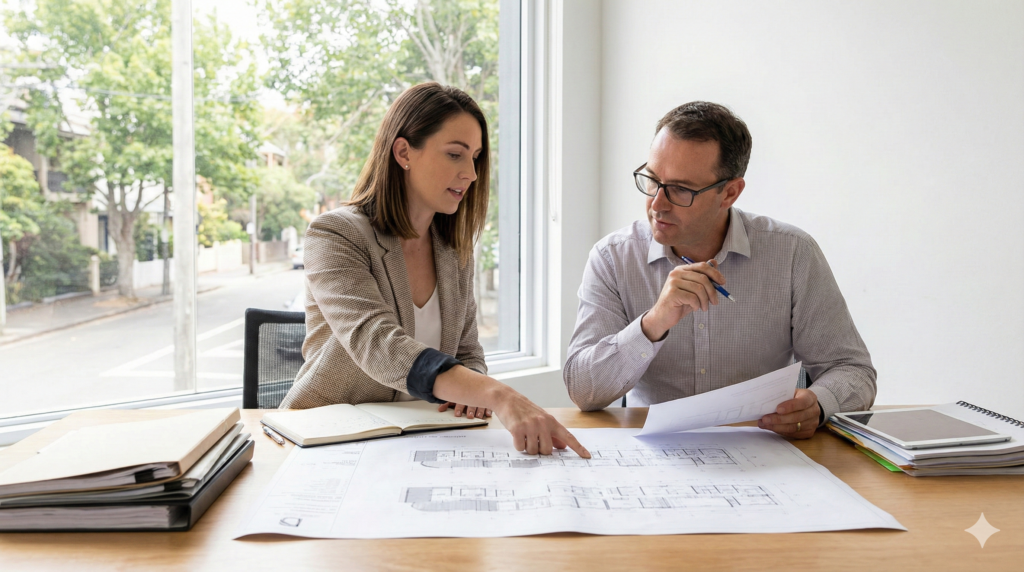
A second storey addition follows a structured process from initial concept through to completion. Understanding each stage helps you plan timelines, coordinate decisions, and maintain realistic expectations.
The complete process typically spans 12 to 18 months from first consultation to moving into your completed addition. Design and approval phases often take longer than construction itself, making early planning essential.
Step 1 – Feasibility Assessment and Site Inspection
Every second storey project should begin with a professional feasibility assessment. This initial evaluation identifies potential obstacles, estimates likely costs, and determines whether your home suits vertical expansion.
During a feasibility assessment, experienced professionals examine your existing structure, review council planning controls, assess site conditions, and discuss your requirements. This evaluation typically costs $500 to $1,500 but can save tens of thousands by identifying issues before you invest in detailed design.
Key questions answered during feasibility include: Can your existing structure support a second storey? What council restrictions apply? Are there heritage or neighbourhood character considerations? What’s a realistic budget range for your goals?
Step 2 – Design and Architectural Plans
Once feasibility is confirmed, detailed design begins. An architect or building designer creates plans that meet your functional requirements while complying with building codes and council regulations.
The design phase typically involves several stages: concept design exploring options, design development refining the preferred approach, and construction documentation providing detailed drawings for building approval and construction.
Design fees vary based on project complexity and designer experience. Budget $15,000 to $40,000 for comprehensive architectural services on a second storey addition. This investment delivers better outcomes than minimal documentation and helps avoid costly changes during construction.
Step 3 – Council Approval and DA Requirements (Sydney)
Most second storey additions in Sydney require formal approval before construction can commence. The approval pathway depends on your specific circumstances and how well your project complies with planning controls.
Development Application (DA) vs Complying Development Certificate (CDC)
Two main approval pathways exist for second storey additions in Sydney.
A Development Application (DA) goes to your local council for assessment. Council planners evaluate your proposal against local planning controls, notify neighbours, and may impose conditions. DAs suit projects that don’t fully comply with standard controls or involve heritage considerations.
A Complying Development Certificate (CDC) can be issued by a private certifier if your project meets all requirements of the State Environmental Planning Policy (Exempt and Complying Development Codes). CDCs are typically faster and more predictable but require strict compliance with predetermined standards.
Many second storey additions don’t qualify for CDC approval due to height limits, setback requirements, or other constraints. Your designer can advise which pathway suits your project.
Sydney Council-Specific Requirements by LGA
Each Sydney council has specific planning controls affecting second storey additions. Requirements vary significantly across local government areas.
Inner West Council areas often have strict heritage controls and neighbourhood character provisions. Northern Beaches Council emphasises environmental considerations and bushfire requirements in some areas. City of Sydney has specific controls for different precincts.
Understanding your council’s specific requirements early in design prevents costly redesigns. Your architect should be familiar with local controls, but you can also review your council’s Development Control Plan (DCP) and Local Environmental Plan (LEP) online.
Step 4 – Structural Engineering and Certification
Structural engineering is mandatory for second storey additions. A qualified structural engineer designs the structural system ensuring your addition is safe and complies with Australian Standards.
The structural engineer assesses your existing structure, designs new structural elements, specifies any required strengthening work, and provides certification documentation. Their drawings and specifications form part of your building approval application.
Structural engineering fees typically range from $3,000 to $8,000 for residential second storey projects. Complex projects or those requiring extensive existing structure assessment may cost more.
Step 5 – Construction Phase Timeline
Construction of a second storey addition typically takes 4 to 8 months depending on size, complexity, and weather conditions. The process follows a logical sequence of demolition, structural work, enclosure, and fit-out.
A typical construction timeline includes:
Weeks 1-2: Site setup, scaffolding erection, temporary weatherproofing preparation
Weeks 3-4: Roof removal and structural work to existing building
Weeks 5-8: Upper level framing, new roof structure installation
Weeks 9-12: External cladding, windows, roofing completion (building is weathertight)
Weeks 13-16: Internal rough-in (electrical, plumbing, insulation)
Weeks 17-20: Internal linings, staircase installation
Weeks 21-24: Fit-out (kitchens, bathrooms, joinery), painting, flooring
Weeks 25-28: Final fix, cleaning, defect rectification, handover
Temporary Relocation Considerations
Many homeowners need to relocate during second storey construction. The period when your roof is removed and the building is open to weather makes occupation impractical or impossible.
Plan for 4 to 8 weeks of definite relocation during the most disruptive construction phases. Some families choose to relocate for the entire construction period for convenience and to avoid living in a construction zone.
Living in Your Home During Construction
Some homeowners remain in their homes during portions of second storey construction. This approach requires careful planning, tolerance for disruption, and clear agreements with your builder about access and working hours.
Living on-site works best when ground floor areas remain functional and separated from construction zones. It becomes difficult during roof removal, when dust and noise are most intense, and when essential services are being modified.
Discuss living arrangements with your builder before construction begins. Establish clear expectations about working hours, site cleanliness, toilet facilities, and access to different areas of your home.
Step 6 – Final Inspections and Occupation Certificate
Before you can legally occupy your completed addition, final inspections must be passed and an Occupation Certificate issued. This process confirms the work complies with approved plans and building standards.
Required inspections typically include structural inspections at key stages, waterproofing inspections before tiling, and final inspections covering all aspects of the completed work. Your certifier coordinates these inspections throughout construction.
The Occupation Certificate (OC) is the final approval document confirming your addition is safe to occupy. Without an OC, you cannot legally use the new space, and future sale of your property may be complicated.
Planning and Council Approval for Second Storey Additions in Sydney
Navigating Sydney’s planning system requires understanding the controls that apply to your property. These regulations exist to manage neighbourhood character, protect amenity, and ensure orderly development.
Early engagement with planning requirements prevents costly surprises. Many homeowners discover restrictions only after investing in designs that can’t be approved, wasting time and money on redesigns.
Sydney-Specific Planning Controls and Regulations
Multiple layers of planning controls affect second storey additions in Sydney. State-level policies set baseline standards, while local council controls add specific requirements for your area.
Height Limits and Floor Space Ratio (FSR)
Height limits restrict how tall your building can be. Most Sydney residential zones have height limits between 8.5 and 9.5 metres, though some areas allow more or less. Height is typically measured from natural ground level to the highest point of the roof.
Floor Space Ratio (FSR) limits total floor area relative to your land size. An FSR of 0.5
on a 600 square metre block allows 300 square metres of floor area. If your existing home already approaches the FSR limit, a second storey addition may not be possible without reducing ground floor area.
Understanding your property’s height limit and FSR early in planning is essential. These controls often determine whether a full or partial second storey is achievable.
Setback Requirements
Setbacks specify minimum distances between buildings and property boundaries. Second storey additions typically require greater setbacks than ground floor construction, particularly to side and rear boundaries.
Common Sydney requirements include 900mm minimum side setbacks for walls without windows, increasing to 1.5 metres or more for walls with windows. Rear setbacks often require 3 to 6 metres depending on the zone and council.
Upper level setbacks may also be required from the front building line, stepping the second storey back from the ground floor facade. These requirements affect how much of your ground floor footprint can extend upward.
Overshadowing and Privacy Rules
Planning controls protect neighbours from unreasonable overshadowing and privacy impacts. Your second storey addition must not cast excessive shadows on neighbouring properties or create overlooking into private areas.
Shadow diagrams showing the impact at midwinter (June 21) are typically required with development applications. Controls often limit additional overshadowing of neighbours’ primary living areas and private open space.
Privacy controls may require obscure glazing, screening, or setbacks for windows and balconies overlooking neighbours. These requirements can significantly affect your design, particularly for upper level outdoor areas.
Heritage Overlay Considerations
Properties in heritage conservation areas or individually heritage-listed face additional controls. Second storey additions must respect heritage significance and often require sympathetic design that doesn’t dominate the original building.
Heritage controls may restrict visible changes to street-facing elevations, require traditional materials and details, or limit the scale of additions. Some heritage properties cannot have second storey additions approved at all.
If your property has heritage considerations, engage a designer experienced with heritage projects. Council heritage advisors can also provide preliminary guidance before you invest in detailed designs.
How Long Does Council Approval Take?
Approval timeframes vary significantly depending on the pathway and complexity of your application.
Complying Development Certificates can be issued within 10 to 20 business days if your application is complete and compliant. Private certifiers often process straightforward applications faster than this statutory timeframe.
Development Applications typically take 40 to 90 days for straightforward residential projects. Complex applications, those requiring heritage assessment, or projects attracting neighbour objections can take 6 months or longer.
Factors extending DA timeframes include incomplete applications requiring additional information, neighbour objections requiring assessment, heritage referrals, and council workload variations. Building realistic timeframes into your project plan prevents frustration.
Common Reasons Second Storey DAs Get Rejected
Understanding why applications fail helps you avoid common pitfalls. Most rejections relate to non-compliance with planning controls or inadequate documentation.
Height or FSR exceedances without adequate justification frequently cause rejection. If your design exceeds controls, you need compelling arguments for why the variation should be approved.
Unacceptable amenity impacts including overshadowing, privacy, and bulk/scale concerns lead to refusals. Designs that significantly impact neighbours face opposition from both affected residents and council planners.
Poor design quality that doesn’t respond to neighbourhood character or heritage context attracts criticism. Generic designs that ignore local context struggle to gain approval in character-sensitive areas.
Incomplete applications missing required documentation delay assessment and may be rejected if information isn’t provided within specified timeframes.
Working with experienced designers familiar with your council’s requirements significantly improves approval prospects. Pre-lodgement meetings with council planners can also identify potential issues before you finalise your application.
Structural Requirements for Second Storey Additions
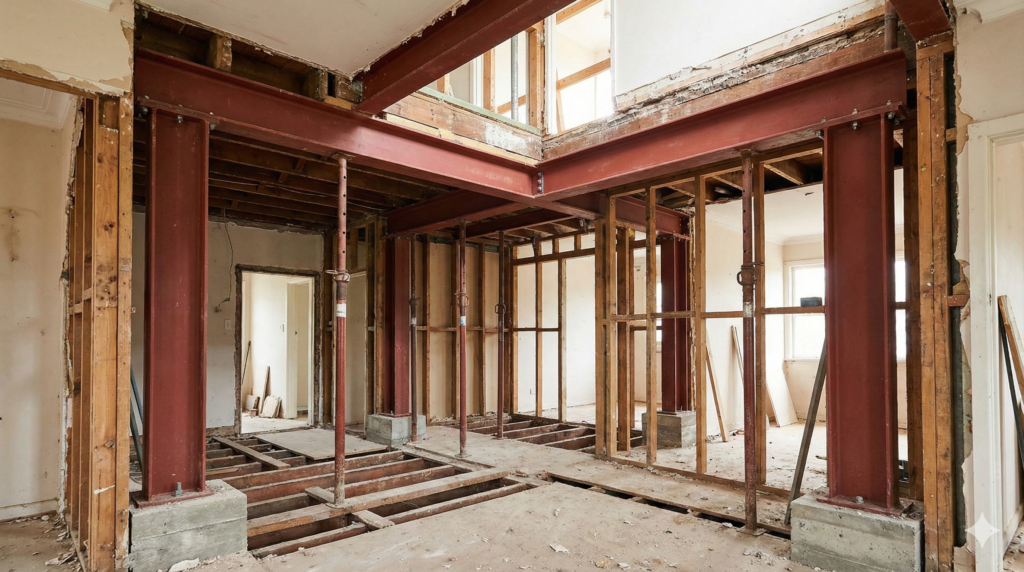
Structural integrity is non-negotiable for second storey additions. Your existing home was designed to support its original loads. Adding an entire upper level introduces substantial new forces that must be safely transferred to the ground.
Professional structural engineering ensures your addition is safe, complies with Australian Standards, and will perform as intended for decades to come. Never attempt to shortcut structural requirements.
Assessing Your Existing Foundation
Your existing foundation must support the combined weight of the original building plus the new upper level. Foundation assessment determines whether your current footings are adequate or require strengthening.
Factors affecting foundation adequacy include original construction quality, soil bearing capacity, footing dimensions, and the additional loads being imposed. Homes built on reactive clay soils or with minimal original footings often require work.
Assessment typically involves visual inspection, review of original documentation if available, and sometimes test pits to examine existing footings directly. Geotechnical investigation may be recommended for sites with uncertain soil conditions.
Load-Bearing Wall Identification
Load-bearing walls carry structural loads from above down to the foundations. Identifying which walls are load-bearing is essential for planning how upper level loads will be supported.
In many homes, external walls and some internal walls are load-bearing. Other internal walls are simply partitions that can be modified without structural implications. Your structural engineer identifies load-bearing elements and designs appropriate support systems.
Where existing load-bearing walls don’t align with your desired upper level layout, steel beams or other structural solutions transfer loads to appropriate support points. This flexibility allows design freedom while maintaining structural integrity.
When Foundation Underpinning Is Required
Underpinning strengthens existing foundations to support increased loads. This process involves excavating beneath existing footings and constructing new, larger footings that extend to more stable soil or provide greater bearing area.
Underpinning is typically required when existing footings are undersized for the new loads, soil bearing capacity is insufficient, or the existing foundation shows signs of movement or failure.
Underpinning costs vary significantly based on extent and method. Budget $30,000 to $80,000 for substantial underpinning work, though some projects require more. Your structural engineer specifies requirements based on site-specific assessment.
Structural Engineer Reports and Certifications
Structural engineers provide several documents throughout your project. Understanding these documents helps you navigate the approval and construction process.
Structural drawings show the design of all structural elements including footings, beams, columns, floor framing, and roof structure. These drawings form part of your building approval application.
Structural specifications detail material requirements, construction methods, and quality standards. Builders use these specifications to ensure correct construction.
Structural certification confirms the completed work complies with the approved design. Your certifier requires this documentation before issuing the Occupation Certificate.
Engage your structural engineer early in the design process. Their input during design development prevents costly redesigns when structural realities conflict with architectural aspirations.
Design Considerations for Second Storey Additions
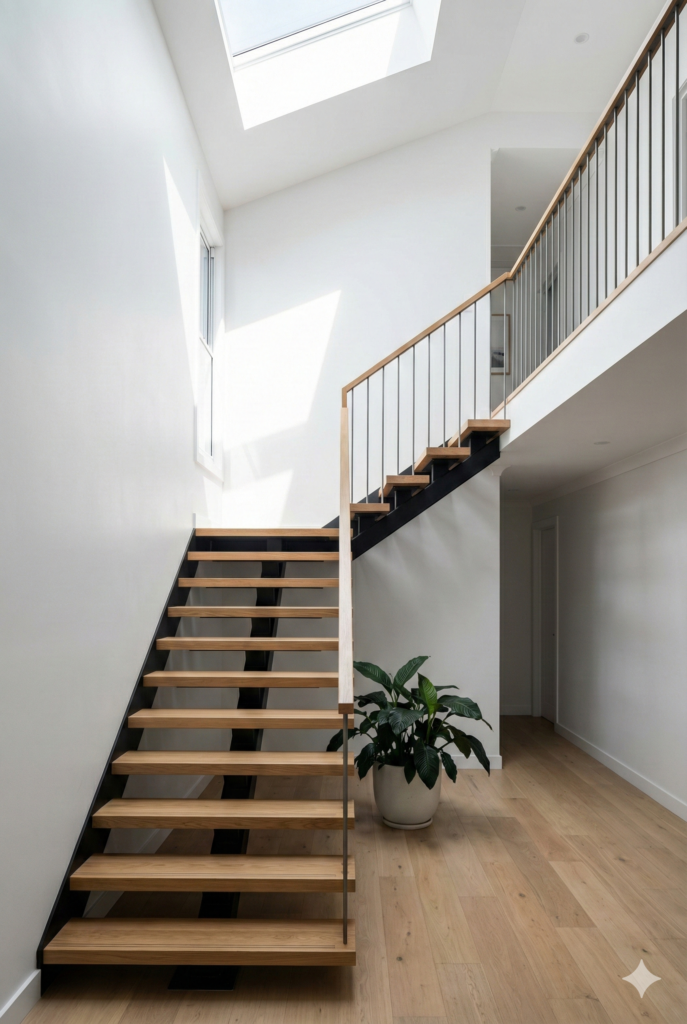
Good design transforms a second storey addition from a functional space gain into a genuine improvement to your home. Thoughtful design considers how the addition integrates with your existing home, how spaces function, and how the completed building presents to the street and neighbours.
Investing in quality design delivers better outcomes than minimising design fees. The decisions made during design affect your daily experience of the completed home for years to come.
Matching the Addition to Your Existing Home Style
Successful second storey additions respect and complement the existing home’s character. Jarring mismatches between old and new diminish both the original building and the addition.
For period homes like Federation, Californian Bungalow, or Art Deco styles, additions can either faithfully replicate original details or provide clearly contemporary contrast. Both approaches work when executed well. Awkward attempts to copy period details with modern materials often fail.
Contemporary homes offer more flexibility but still benefit from consistent design language. Roof forms, window proportions, material palettes, and detail elements should relate coherently between existing and new construction.
Internal Staircase Placement Options
Staircase location significantly impacts both ground floor and upper level layouts. Poor staircase placement can compromise room sizes, circulation, and natural light throughout your home.
Common staircase locations include:
Central hallway: Stairs rising from an existing hallway minimise impact on ground floor rooms but may create a dark central zone upstairs.
Living area corner: Stairs in a corner of living spaces can become a design feature but consume usable floor area.
External addition: A small ground floor extension housing the staircase preserves existing room layouts but adds cost and may require additional approvals.
Existing room conversion: Converting a ground floor room (often a bedroom) to staircase access works when that room is expendable.
Consider staircase design as well as location. Straight stairs require more floor length but are simplest. L-shaped and U-shaped stairs fit more compactly. Spiral stairs save space but limit furniture movement and may not suit all users.
Natural Light and Ventilation Requirements
Building Code of Australia requirements mandate minimum natural light and ventilation for habitable rooms. Beyond compliance, generous natural light dramatically improves how spaces feel and function.
Upper levels offer opportunities for excellent natural light through carefully placed windows, skylights, and high ceilings. North-facing windows capture winter sun while appropriate shading controls summer heat.
Cross-ventilation through windows on opposite walls improves comfort and reduces reliance on air conditioning. Sydney’s climate suits natural ventilation for much of the year when buildings are designed to capture breezes.
Consider how your upper level design affects natural light to ground floor spaces. Skylights, voids, and careful staircase design can bring light deep into your home.
Second Storey Floor Plan Layouts
Your upper level layout should respond to how your family lives. Common configurations suit different needs and preferences.
Master Suite with Ensuite
A dedicated master suite provides parents with private retreat space. Typical inclusions are a generous bedroom, walk-in robe or built-in wardrobes, and ensuite bathroom.
Master suites work well positioned away from children’s bedrooms for acoustic separation. Consider morning sun orientation for the bedroom and views if your site offers them.
Multiple Bedrooms and Bathroom
Family-focused layouts prioritise bedroom count and shared bathroom facilities. Three or four bedrooms with a central bathroom and separate toilet suit growing families.
Bedroom sizes should accommodate intended furniture and uses. Children’s rooms need space for beds, desks, and storage. Consider built-in wardrobes to maximise usable floor area.
Open Plan Living Upstairs
Some homeowners relocate living areas upstairs to capture views, breezes, or simply to separate living and sleeping zones. This approach suits sloping sites, waterfront properties, or homes where ground floor living is compromised.
Upper level living areas benefit from high ceilings, generous glazing, and connection to outdoor spaces like balconies or terraces. Kitchen and bathroom plumbing adds complexity and cost compared to bedroom-only upper levels.
Home Office or Multipurpose Room
Dedicated home office space has become increasingly valuable. A separate room upstairs provides quiet, focused workspace away from household activity.
Multipurpose rooms accommodate changing needs over time. A room that serves as a home office today might become a teenager’s retreat, guest bedroom, or hobby space as circumstances evolve.
Balcony and Outdoor Living Additions
Balconies and terraces extend living space outdoors and capture views unavailable at ground level. These additions enhance lifestyle but add cost and complexity.
Balcony construction requires careful waterproofing, structural support, and balustrade compliance. Privacy screening may be required where balconies overlook neighbours. Orientation affects usability through sun exposure and weather protection.
Consider how you’ll actually use outdoor space. A small balcony off a bedroom provides morning coffee enjoyment. A larger terrace off living areas enables outdoor entertaining. Match the scale and location to intended use.
How Long Does a Second Storey Addition Take?
Realistic timeline expectations help you plan around construction disruption. Second storey additions are major projects requiring significant time for design, approval, and construction phases.
Total project duration from initial consultation to completion typically ranges from 12 to 18 months. Some projects complete faster; others take longer due to approval delays or construction complications.
Typical Timeline Breakdown (Sydney Projects)
A representative timeline for a Sydney second storey addition includes:
Months 1-2: Feasibility assessment, designer selection, initial design concepts
Months 3-4: Design development, structural engineering, documentation for approval
Months 5-7: Council approval process (DA pathway) or CDC assessment
Months 8-9: Builder selection, contract negotiation, construction preparation
Months 10-15: Construction phase (4-6 months typical)
Month 16: Final inspections, defect rectification, handover
This timeline assumes reasonable progress at each stage. Delays in any phase push subsequent stages back accordingly.
Factors That Extend Construction Time
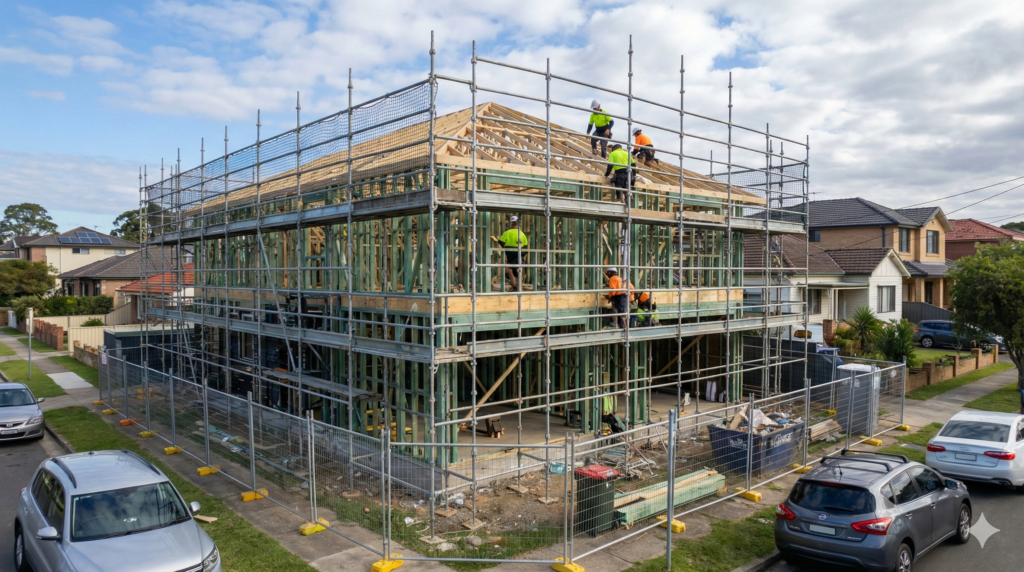
Several factors commonly extend second storey addition timelines beyond initial estimates.
Weather delays affect roof removal and external construction. Extended wet periods can add weeks to projects. Sydney’s climate is generally favourable, but autumn and winter projects face higher weather risk.
Approval delays occur when applications require additional information, attract objections, or encounter council processing backlogs. Heritage referrals and complex sites face longer assessment periods.
Structural surprises discovered during construction may require design modifications and additional work. Concealed defects in existing structures, unexpected soil conditions, or asbestos discovery all cause delays.
Material supply issues have affected construction timelines in recent years. Specialty items, imported products, and custom elements may have extended lead times.
Trade availability in Sydney’s busy construction market can delay projects when subcontractors are overcommitted. Quality tradespeople are in demand, and scheduling conflicts occur.
How to Keep Your Project on Schedule
While some delays are unavoidable, proactive management minimises timeline extensions.
Complete design documentation before construction begins. Changes during construction cause delays and cost increases. Invest time in thorough design development.
Make decisions promptly when selections are required. Delayed decisions about tiles, fixtures, colours, and finishes hold up dependent work.
Maintain clear communication with your builder. Regular site meetings, prompt responses to queries, and collaborative problem-solving keep projects moving.
Plan for contingencies in your timeline. Building buffer time into your schedule reduces stress when minor delays occur.
Choose reliable contractors with proven track records. Builders who consistently deliver on time are worth any premium over less reliable alternatives.
Choosing a Second Storey Addition Builder in Sydney
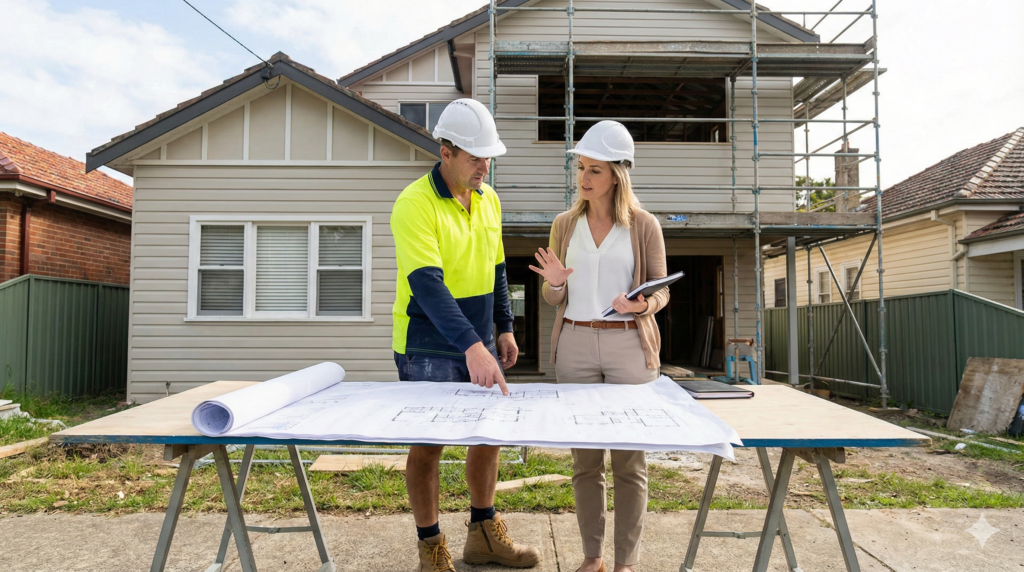
Your builder selection significantly impacts project outcomes. The right builder delivers quality construction, manages the process professionally, and provides fair value. The wrong choice leads to stress, disputes, and potentially substandard work.
Take time to evaluate builders thoroughly before committing. The selection process should be as rigorous as any major purchase decision.
What to Look for in a Builder
Key attributes distinguish quality builders from those best avoided.
Relevant experience with second storey additions specifically. General building experience doesn’t guarantee competence with the particular challenges of building over existing homes. Ask for examples of similar completed projects.
Appropriate licensing and insurance. NSW builders must hold a contractor licence for work over $5,000. Verify licence status through NSW Fair Trading. Confirm current public liability and workers compensation insurance.
Financial stability to complete your project. Builder insolvencies leave homeowners with incomplete projects and lost deposits. While difficult to assess directly, established businesses with consistent work history present lower risk.
Clear communication style that matches your preferences. You’ll interact frequently with your builder over many months. Compatibility in communication approach reduces friction.
Quality focus evident in completed work. Visit previous projects if possible. Examine finishes, details, and overall presentation. Quality-focused builders take pride in their work.
Questions to Ask Before Signing a Contract
Thorough questioning before commitment reveals important information about how your project will proceed.
Project management: Who will manage my project day-to-day? How often will we meet? How do you handle communication and updates?
Timeline: What is your realistic timeline for this project? What factors might extend this? How do you handle delays?
Team: Will you use employees or subcontractors? Which trades do you subcontract? How do you ensure subcontractor quality?
Variations: How do you handle changes during construction? What is your variation process and pricing approach?
Payments: What is your payment schedule? How do payments relate to construction progress? What happens if I’m not satisfied with completed work?
Warranty: What warranty do you provide? How do you handle defects after completion? What is your process for warranty claims?
References: Can you provide references from recent second storey addition clients? May I visit a current or recent project site?
Understanding Builder Quotes and Inclusions
Builder quotes vary significantly in format, detail, and what’s included. Understanding quote structures helps you compare fairly and avoid surprises.
Lump sum quotes provide a fixed total price for defined scope. These offer budget certainty but require comprehensive documentation. Changes to scope trigger variations.
Cost plus quotes charge actual costs plus a margin or fee. These suit projects where scope is uncertain but require trust in the builder’s cost management.
Provisional sums and prime cost items within quotes indicate allowances for items not yet fully specified. Actual costs may exceed allowances, requiring additional payment.
Compare quotes on a like-for-like basis. Ensure all quotes cover the same scope, similar specification levels, and equivalent inclusions. The cheapest quote often excludes items included in more comprehensive pricing.
Request detailed breakdowns showing how the total is calculated. Understanding cost allocation helps you evaluate value and identify where savings might be possible.
Red Flags to Avoid
Certain warning signs suggest builders to avoid regardless of attractive pricing.
Unusually low quotes that significantly undercut competitors often indicate misunderstanding of scope, intention to recover margin through variations, or inability to deliver quality work profitably.
Pressure to sign quickly without adequate time for consideration suggests desperation for work or reluctance to allow thorough evaluation.
Reluctance to provide references or examples of previous work raises obvious concerns about track record.
Poor communication during the quoting process typically continues or worsens during construction. If getting responses is difficult before you’ve signed, expect worse after.
Vague contracts lacking detail about scope, specifications, timeline, and payment terms create disputes when expectations differ.
Requests for large upfront deposits exceeding 10% of contract value increase your risk if problems arise. NSW law limits deposits to 10% for contracts over $20,000.
Second Storey Addition vs Ground Floor Extension
Homeowners needing more space face a fundamental choice: build up or build out. Both approaches have merits, and the right choice depends on your specific circumstances.
Understanding the trade-offs helps you make an informed decision aligned with your priorities and constraints.
Cost Comparison: Building Up vs Building Out
Second storey additions typically cost more per square metre than ground floor extensions. The premium reflects additional structural requirements, scaffolding, and the complexity of building over an occupied home.
Ground floor extensions in Sydney typically cost $2,200 to $4,000 per square metre, compared to $2,800 to $5,000 for second storey additions. However, this comparison oversimplifies the decision.
Ground floor extensions require land area that may have alternative value. They may trigger additional costs for demolishing existing structures, relocating services, or landscaping restoration. Site works and foundations for ground floor construction can be substantial on sloping or constrained sites.
The true cost comparison requires evaluating your specific site, existing home, and goals. In many Sydney situations, building up proves more cost-effective when all factors are considered.
Space and Land Use Considerations
Ground floor extensions consume outdoor space. On typical Sydney blocks of 400 to 600 square metres, significant extensions can leave minimal usable garden area.
Second storey additions preserve outdoor space entirely. Your existing garden, pool, entertaining areas, and children’s play space remain unchanged. This preservation particularly matters on smaller blocks or where outdoor living is prioritised.
Consider also how each approach affects your existing home. Ground floor extensions often require demolishing or significantly modifying existing rooms. Second storey additions leave ground floor layouts largely intact, though staircase insertion requires some modification.
Which Option Adds More Value in Sydney?
Both extension types can add substantial value when well-executed. The value impact depends more on quality of design and construction than on whether you built up or out.
Second storey additions often deliver stronger value uplift in established suburbs where two-storey homes command premiums. The transformation from single to two-storey changes how the market perceives your property.
Ground floor extensions adding living space, particularly open-plan kitchen/living/dining areas, also deliver strong returns. Indoor-outdoor flow to garden areas appeals strongly to Sydney buyers.
The best value outcome comes from addressing your property’s specific limitations. If your home lacks bedrooms, adding bedrooms delivers value. If living areas are cramped, expanding living space adds value. Match your extension approach to the improvement that matters most.
Second Storey Addition vs Knockdown Rebuild
When existing homes have significant limitations, knockdown rebuild becomes an alternative to renovation. Understanding when each approach makes sense helps you invest wisely.
When to Renovate vs When to Rebuild
Second storey additions suit homes with sound structures, functional ground floor layouts, and character worth preserving. Renovation makes sense when the existing building provides a solid foundation for expansion.
Knockdown rebuild suits homes with fundamental problems: structural defects, poor orientation, dysfunctional layouts, or construction quality that doesn’t justify preservation. Rebuilding also makes sense when your vision differs dramatically from what renovation can achieve.
Consider also emotional factors. Homes with personal history, architectural significance, or neighbourhood character value may warrant preservation even when rebuilding might be economically rational.
Cost Comparison for Sydney Properties
Knockdown rebuilds in Sydney typically cost $3,500 to $6,000 per square metre for the new construction, plus demolition costs of $20,000 to $50,000 and site preparation expenses.
A new 250 square metre two-storey home might cost $875,000 to $1,500,000 plus demolition and site costs. Compare this to a second storey addition of 100 square metres at $350,000 to $500,000 that achieves similar total floor area by retaining the existing ground floor.
The cost difference is substantial, but so is the outcome difference. New construction delivers modern standards throughout, complete design freedom, and no compromise with existing conditions. Renovation delivers more space at lower cost but within existing constraints.
Emotional and Practical Considerations
Beyond pure economics, emotional and practical factors influence the renovation versus rebuild decision.
Attachment to existing home: Many homeowners have emotional connections to their current home. Memories, history, and familiarity have value that economics doesn’t capture.
Neighbourhood relationships: Staying in your existing home maintains established relationships with neighbours. Rebuilding may change how you’re perceived in the street.
Disruption duration: Knockdown rebuilds typically take 12 to 18 months of construction after demolition. Second storey additions take 4 to 8 months of construction. Total project timelines may be similar, but the period of maximum disruption differs.
Temporary accommodation: Both approaches likely require temporary relocation, but rebuild projects require longer absence from your property.
Environmental impact: Retaining existing structures reduces construction waste and embodied energy compared to complete demolition and rebuild.
Financing Your Second Storey Addition
Second storey additions represent major financial commitments. Understanding financing options helps you structure funding appropriately and manage cash flow through construction.
Construction Loans vs Home Equity Loans
Two main financing approaches suit second storey additions.
Construction loans provide funds progressively as construction proceeds. You draw down funds at defined stages, paying interest only on amounts drawn. This approach suits projects where you don’t have sufficient equity or savings to fund construction from existing resources.
Construction loans require detailed documentation including approved plans, builder contracts, and construction timelines. Lenders assess both your borrowing capacity and the project’s viability. Interest rates may be slightly higher than standard home loans during the construction phase.
Home equity loans or line of credit facilities leverage existing equity in your property. If you have substantial equity, you can access funds as needed without the documentation requirements of construction loans.
Home equity approaches offer flexibility and potentially lower costs but require sufficient existing equity. They also increase your total debt secured against your property.
Consult a mortgage broker or financial advisor to determine the best approach for your circumstances. Financing structure affects both cost and flexibility throughout your project.
Budgeting Tips for Large Renovations
Effective budgeting prevents financial stress during construction.
Establish a realistic total budget including all costs: construction, professional fees, council fees, temporary accommodation, contingency, and post-completion items like landscaping and furniture.
Secure financing approval before committing to construction contracts. Conditional approvals can fall through, leaving you contractually committed without funding.
Maintain contingency reserves of 10-15% of construction cost. Unexpected issues arise in most projects. Having reserves prevents difficult decisions when surprises occur.
Track spending throughout the project. Regular budget reviews identify variances early when corrective action is still possible.
Prioritise ruthlessly if budget pressure emerges. Identify which elements are essential and which could be deferred or simplified. Having a prioritised list before problems arise enables faster decisions.
Managing Cash Flow During Construction
Construction payment schedules create cash flow demands that require planning.
Typical payment schedules include deposit (5-10%), then progress payments at defined stages: frame completion, lock-up, fixing, and practical completion. Each payment may represent $50,000 to $100,000 or more.
Ensure your financing facility allows timely access to funds when payments fall due. Construction loan drawdowns require lender inspection and approval, which takes time. Home equity facilities offer more immediate access.
Coordinate payment timing with your builder. Understand when payments will be required and ensure funds will be available. Payment delays can stop construction, extending your project timeline and potentially incurring additional costs.
Living Arrangements During a Second Storey Addition
Construction disruption affects daily life significantly. Planning living arrangements in advance reduces stress and ensures your family’s needs are met throughout the project.
Can You Stay in Your Home During Construction?
Remaining in your home during second storey construction is possible for portions of the project but impractical during the most disruptive phases.
Phases requiring relocation: Roof removal and reconstruction leaves your home exposed to weather. This period, typically 2-4 weeks, requires relocation regardless of other considerations.
Phases where occupation is possible but challenging: Framing, external cladding, and internal rough-in create noise, dust, and disruption but don’t necessarily prevent occupation. Ground floor areas may remain functional if properly separated from construction zones.
Phases where occupation is relatively comfortable: Internal fit-out, painting, and finishing stages are less disruptive. Many families return home during these phases even if they relocated earlier.
Discuss occupation possibilities with your builder before construction begins. Establish clear expectations about site conditions, working hours, and access arrangements.
Temporary Accommodation Options in Sydney
Several accommodation options suit families during construction.
Short-term rentals provide self-contained accommodation similar to normal home life. Costs vary by location and property type, typically $500 to $1,000 per week for a suitable family home in Sydney.
Staying with family or friends reduces costs but may strain relationships over extended periods. This option works best for shorter relocations during the most disruptive phases.
Serviced apartments offer flexibility for uncertain timeframes. Weekly rates are higher than standard rentals, but you avoid long-term lease commitments.
Relocating within your property works if you have a granny flat, studio, or other self-contained space on your block. This option maintains proximity to your home and the construction project.
Book accommodation well in advance, particularly if relocating during peak rental periods. Construction timelines can shift, so seek flexible arrangements where possible.
Budgeting for Temporary Living Costs
Temporary accommodation adds significant cost to your project budget. Realistic allowances prevent financial surprise.
For a 6-month construction period with 3 months of relocation, budget:
Accommodation: $500-$800/week × 12 weeks = $6,000-$9,600
Storage: $200-$400/month × 3 months = $600-$1,200 (if needed)
Additional transport: Variable depending on new location relative to work and school
Duplicate utilities: Connection fees and minimum charges at temporary accommodation
Meals and convenience costs: Eating out more frequently, less efficient meal preparation
Total temporary living costs commonly range from $8,000 to $15,000 for typical Sydney second storey projects. Include this allowance in your overall project budget.
Second Storey Additions for Investment Properties
Property investors considering second storey additions face different considerations than owner-occupiers. Investment decisions require analysis of returns, risks, and alternative uses of capital.
ROI Considerations for Sydney Investors
Return on investment for second storey additions depends on multiple factors including location, property type, and market conditions.
Value uplift from second storey additions typically ranges from 1.0 to 1.5 times the construction cost in Sydney’s stronger markets. A $400,000 addition might add $400,000 to $600,000 in property value.
Rental yield impact depends on how additional space translates to rental income. Extra bedrooms typically increase rent, but the percentage increase rarely matches the percentage increase in property value.
Capital growth benefits from improved property in growth locations. A renovated two-storey home in a desirable suburb may appreciate faster than an unrenovated single-storey property.
Opportunity cost of capital tied up in renovation should be considered. The same funds invested elsewhere might generate returns without the risks and effort of construction projects.
Analyse your specific situation carefully. Generic ROI figures don’t account for your property’s particular circumstances, local market conditions, or your investment objectives.
Adding Value for Rental Yield
Maximising rental return from second storey additions requires understanding what tenants value.
Additional bedrooms directly increase rent in most markets. A three-bedroom home rents for more than a two-bedroom home. Four bedrooms command further premiums in family-oriented areas.
Additional bathrooms add value, particularly when bedroom count increases. A four-bedroom home with one bathroom is less attractive than one with two bathrooms.
Quality finishes attract better tenants and justify higher rents. However, premium finishes in investment properties should be durable and low-maintenance rather than simply expensive.
Functional layouts that suit tenant lifestyles improve desirability. Separate living zones, good storage, and practical kitchens matter to tenants.
Balance investment in improvements against realistic rental returns. Over-capitalising on investment properties reduces overall returns even if the property becomes more valuable.
Dual Occupancy and Granny Flat Combinations
Second storey additions can combine with other strategies to maximise investment returns.
Dual occupancy configurations create two separate dwellings on one title. Adding a second storey to the main house while retaining or adding a granny flat creates multiple income streams.
Granny flat additions alongside second storey construction may be possible depending on your site and council controls. The combined project delivers both expanded main dwelling and separate rental income.
Subdivision potential exists on some larger sites. Second storey additions that enable future subdivision can unlock significant value, though this requires careful planning and appropriate site characteristics.
Consult with planners and property advisors about strategies suited to your specific property. Complex configurations require expert guidance to navigate approval requirements and maximise outcomes.
Common Second Storey Addition Mistakes to Avoid
Learning from others’ mistakes helps you navigate your project more successfully. These common errors cause budget blowouts, delays, and disappointing outcomes.
Underestimating Costs and Contingencies
The most common mistake is inadequate budgeting. Homeowners frequently underestimate total project costs, leaving insufficient funds to complete work properly.
Avoid this mistake by:
- Getting detailed quotes based on comprehensive documentation
- Including all costs: construction, fees, accommodation, contingency
- Maintaining 10-15% contingency reserves
- Being realistic about finish levels and their costs
Skipping Proper Structural Assessment
Inadequate structural assessment leads to surprises during construction. Discovering foundation problems after construction begins causes delays and cost increases.
Avoid this mistake by:
- Commissioning thorough structural assessment before design finalisation
- Investigating soil conditions if any uncertainty exists
- Allowing adequate budget for potential structural work
- Engaging experienced structural engineers familiar with residential additions
Poor Staircase Placement
Staircase location affects both floors of your home. Poor placement compromises room sizes, circulation, and natural light.
Avoid this mistake by:
- Considering staircase location early in design
- Evaluating impact on both ground and upper floor layouts
- Exploring multiple options before committing
- Prioritising functional outcomes over minimising staircase cost
Ignoring Neighbour Notifications
Neighbour relations can make or break your approval process. Surprising neighbours with development applications creates opposition that might have been avoided.
Avoid this mistake by:
- Discussing your plans with neighbours before lodging applications
- Addressing reasonable concerns in your design where possible
- Maintaining communication throughout the approval process
- Being a considerate neighbour during construction
Choosing the Cheapest Quote
The lowest quote rarely delivers the best outcome. Significantly cheaper quotes often indicate misunderstanding of scope, intention to recover margin through variations, or inability to deliver quality work.
Avoid this mistake by:
- Comparing quotes on a like-for-like basis
- Understanding what’s included and excluded in each quote
- Evaluating builders on capability and track record, not just price
- Being suspicious of quotes significantly below competitors
Second Storey Addition Case Studies (Sydney)
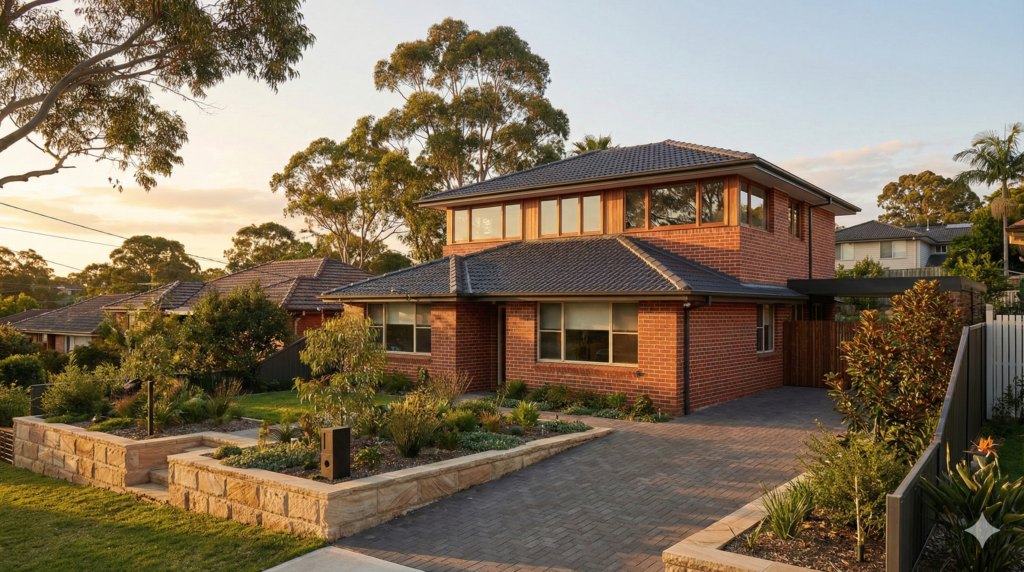
Real project examples illustrate how second storey additions work in practice. These case studies represent typical Sydney projects with their particular challenges and solutions.
Case Study 1 – Federation Home in Inner West
Property: 1910 Federation home in Marrickville, 180m² on 450m² block
Challenge: The owners needed additional bedrooms for their growing family but wanted to preserve the home’s heritage character. Council heritage controls required sympathetic design.
Solution: A partial second storey addition set back from the street facade, invisible from the front of the property. The addition provided a master suite with ensuite and walk-in robe, plus a fourth bedroom and bathroom.
Design approach: Contemporary materials and details clearly distinguished new from old while respecting the original home’s proportions and character. The existing hipped roof was extended to cover the addition.
Cost: $320,000 for 55m² addition (2023)
Timeline: 14 months from initial consultation to completion, including 5 months for heritage-sensitive DA approval
Outcome: The family gained the space they needed while preserving their beloved Federation home. Property value increased by an estimated $450,000.
Case Study 2 – 1960s Brick Home in Northern Beaches
Property: 1965 brick veneer home in Dee Why, 140m² on 600m² block
Challenge: The single-storey home had good bones but limited space for a family of five. The owners wanted to capture ocean glimpses available from an upper level.
Solution: A full second storey addition providing four bedrooms, two bathrooms, and a study nook. The upper level was designed to maximise views while meeting council setback and height requirements.
Design approach: The addition transformed the home’s appearance with a contemporary upper level featuring standing seam metal cladding contrasting with the retained brick ground floor. Large windows and a balcony captured ocean views.
Cost: $480,000 for 95m² addition (2024)
Timeline: 16 months total, with CDC approval achieved in 3 weeks due to full compliance with standards
Outcome: The family gained substantial space and ocean views they couldn’t have afforded by purchasing a larger home in the same area. The contemporary design updated the entire property’s presentation.
Case Study 3 – Californian Bungalow in Eastern Suburbs
Property: 1925 Californian Bungalow in Randwick, 160m² on 500m² block
Challenge: The owners loved their bungalow’s character but needed a home office and additional bedroom. The property was in a heritage conservation area with strict controls.
Solution: A modest partial second storey addition at the rear of the property, completely invisible from the street. The addition provided a large home office, guest bedroom, and bathroom.
Design approach: The addition was designed as a clearly contemporary element that deferred to the original bungalow. Roof forms and materials were carefully selected to complement without mimicking the original.
Cost: $280,000 for 45m² addition (2024)
Timeline: 18 months total, including 7 months for DA approval with heritage assessment
Outcome: The owners achieved their functional goals while fully preserving their bungalow’s street presentation and heritage value. The home office enabled both owners to work from home permanently.
Next Steps – Planning Your Second Storey Addition
If you’re considering a second storey addition for your Sydney home, taking the right first steps sets your project up for success.
Book a Feasibility Assessment
A professional feasibility assessment is the essential first step. This evaluation determines whether your home suits a second storey addition, identifies potential obstacles, and provides realistic cost guidance.
During a feasibility assessment, experienced professionals examine your existing structure, review planning controls, discuss your requirements, and outline likely costs and timeframes. This investment of $500 to $1,500 can save tens of thousands by identifying issues before you commit to detailed design.
Contact Sydney Home Renovation to arrange a feasibility assessment for your property. Our team brings extensive experience with Sydney second storey additions across diverse property types and council areas.
Request a Detailed Quote
Once feasibility is confirmed and design documentation is prepared, detailed quotes from qualified builders enable informed decision-making.
Quality quotes require comprehensive documentation. Rushing to get quotes before designs are complete leads to inaccurate pricing and difficult comparisons. Invest in thorough design development before seeking construction quotes.
Sydney Home Renovation provides detailed, transparent quotes based on your specific documentation. We explain what’s included, identify potential variables, and help you understand the true cost of your project.
Download Our Second Storey Addition Planning Checklist
Successful projects require systematic planning. A comprehensive checklist helps you track decisions, deadlines, and dependencies throughout your project journey.
Our Second Storey Addition Planning Checklist covers every stage from initial concept through to completion. Use it to ensure nothing falls through the cracks as your project progresses.
Conclusion
A second storey addition represents one of the most significant improvements you can make to your Sydney home. With costs typically ranging from $350,000 to $700,000 for full additions, this investment demands careful planning, realistic budgeting, and selection of qualified professionals.
The process involves multiple stages spanning 12 to 18 months: feasibility assessment, design development, council approval, structural engineering, and construction. Understanding each stage helps you navigate the journey with confidence and realistic expectations.
We’re ready to help you explore whether a second storey addition suits your home and goals. Contact Sydney Home Renovation today to book your feasibility assessment and take the first step toward transforming your single-storey home into the spacious two-storey dwelling your family deserves.
Frequently Asked Questions About Second Storey Additions
How much does a second storey addition cost in Sydney?
Second storey additions in Sydney typically cost between $2,800 and $5,000 per square metre. A full second storey of 100 square metres generally ranges from $350,000 to $550,000, while partial additions of 40-60 square metres cost $180,000 to $320,000. Final costs depend on structural requirements, finishes, and site conditions.
Do I need council approval for a second storey addition?
Yes, second storey additions require formal approval in Sydney. Most projects need either a Development Application (DA) assessed by your local council or a Complying Development Certificate (CDC) issued by a private certifier. The appropriate pathway depends on how well your project complies with planning controls.
How long does a second storey addition take to build?
Construction typically takes 4 to 8 months depending on project size and complexity. However, total project duration from initial consultation to completion usually spans 12 to 18 months when including design, approval, and builder selection phases. Weather, approval delays, and unforeseen issues can extend timelines.
Can my house support a second storey?
Most structurally sound homes can support a second storey with appropriate engineering. However, some properties require foundation strengthening, underpinning, or structural modifications to safely carry additional loads. A professional feasibility assessment and structural engineering evaluation determine what work your specific home needs.
Will I need to move out during construction?
Most families need to relocate for at least part of the construction period. The roof removal phase, typically lasting 2-4 weeks, makes occupation impractical. Many homeowners choose to relocate for the entire construction period to avoid living in a construction zone. Budget $8,000 to $15,000 for temporary accommodation costs.
Does a second storey addition add value to my home?
Well-executed second storey additions typically add 1.0 to 1.5 times their cost in property value. A $400,000 addition might increase your home’s value by $400,000 to $600,000 in strong Sydney markets. Value uplift depends on location, design quality, and how well the addition addresses market demand in your area.
How do I find a reputable builder for a second storey addition in Sydney?
Look for builders with specific second storey addition experience, appropriate licensing, and strong references. Request examples of completed projects, verify licence status through NSW Fair Trading, and speak with previous clients. Compare detailed quotes on a like-for-like basis, and be wary of quotes significantly below competitors.