
Most bathroom renovations in Sydney don’t blow out because of bad luck. They blow out because of avoidable mistakes made before a single tile gets removed. Whether it’s underestimating costs, skipping proper planning, or hiring the wrong contractor, these errors can add thousands to your final bill.
This guide breaks down the most common renovation mistakes homeowners, first-time renovators, and property investors make during bathroom projects. You’ll learn what drives cost overruns, how to budget realistically, and what to look for when choosing a contractor, so your renovation stays on track from start to finish.
Why Bathroom Renovations Go Over Budget in Sydney
Bathroom renovations are one of the most complex home improvement projects you can take on. They involve multiple licensed trades, strict waterproofing requirements, and a tight sequence of work that leaves very little room for error. When budgets blow out, it’s rarely because of one big mistake. It’s usually a combination of small oversights that compound quickly.
In Sydney specifically, renovation costs are influenced by factors many homeowners don’t account for until they’re already committed. Understanding why projects go over budget is the first step toward making sure yours doesn’t.
Underestimating the True Scope of Work
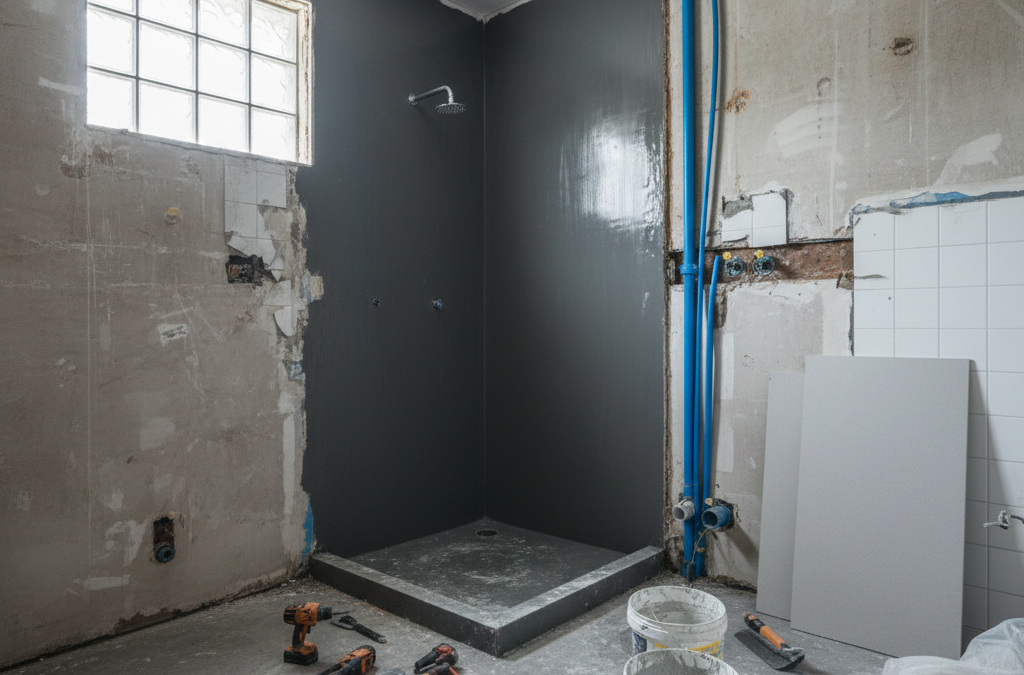
A bathroom renovation is never just “new tiles and a vanity.” Behind the visible finishes, there’s demolition, waste removal, plumbing rough-in, electrical work, waterproofing, substrate preparation, tiling, painting, and final fit-off. Each of these stages requires a different trade, and each trade has its own cost.
First-time renovators often price their project based on the finished look they want without accounting for the structural and compliance work required to get there. A standard bathroom strip-out and rebuild in Sydney typically involves six to eight different tradespeople. If you’ve only budgeted for tiles and a new shower screen, you’re already behind.
How Sydney Labour and Material Costs Catch Homeowners Off Guard
Sydney’s construction market carries a premium. Skilled tradespeople, particularly licensed plumbers and waterproofers, charge rates that reflect both demand and the cost of operating in the city. According to HiPages’ 2024 cost guide, a mid-range bathroom renovation in Sydney typically costs between $20,000 and $35,000, with high-end projects exceeding $50,000.
Material costs have also risen sharply. Supply chain pressures and increased demand for quality finishes mean that tiles, tapware, and vanities often cost more than homeowners expect. If you’re basing your budget on prices you saw online two years ago, you’re likely working with outdated numbers.
Planning Mistakes That Derail Your Bathroom Renovation
Poor planning is the single biggest contributor to renovation stress and budget blowouts. The decisions you make before construction starts have a far greater impact on your final cost than anything that happens on site. Rushing through the planning phase, or skipping it entirely, almost always leads to expensive changes later.
Skipping a Detailed Renovation Brief
A renovation brief is your project’s blueprint. It outlines exactly what you want, what you need, and what you’re willing to spend. Without one, you’re relying on assumptions, and assumptions cost money.
Your brief should include the layout you want, the fixtures and fittings you’ve selected (or at least a budget allowance for each), any structural changes, accessibility requirements, and your non-negotiables. When you hand a contractor a clear brief, they can give you an accurate quote. When you hand them a vague idea, they have to guess, and those guesses rarely land in your favour.
Not Getting Multiple Quotes or Comparing Inclusions
Getting only one quote is a common mistake, but getting three quotes and comparing them on price alone is just as dangerous. Two quotes might look similar in total cost but include completely different scopes of work.
One contractor might include waterproofing, tiling, and all fixtures in their price. Another might quote only for labour and expect you to supply every material. Always ask for an itemised breakdown. Compare what’s included, what’s excluded, and what’s listed as a provisional sum or allowance. This is where the real differences show up.
Ignoring Council Approvals and Compliance Requirements
In NSW, most standard bathroom renovations don’t require development approval. But if your project involves structural changes, alterations to external walls, or work in a heritage-listed property, you may need council consent or a complying development certificate.
Waterproofing must comply with Australian Standard AS 3740, and all plumbing and electrical work must be carried out by licensed professionals. Skipping compliance doesn’t just risk fines. It can void your home insurance and create serious problems when you sell.
Budgeting Mistakes That Lead to Cost Blowouts
Even homeowners who plan carefully can fall into budgeting traps. The issue is usually not a lack of effort but a lack of information. Renovation budgets fail when they’re built on incomplete data, unrealistic expectations, or a misunderstanding of how pricing works in the building industry.
Failing to Set a Realistic Contingency Fund
Every renovation budget needs a contingency. This is money set aside for unexpected costs that only become apparent once work begins. In older Sydney homes, common surprises include deteriorated framing behind tiles, outdated plumbing that doesn’t meet current code, and asbestos in wall sheeting or adhesives.
A realistic contingency for a bathroom renovation is 10 to 20 percent of your total budget. If your renovation budget is $25,000, you should have $2,500 to $5,000 in reserve. Skipping this step doesn’t save money. It just means you’ll be forced to make rushed, cost-driven decisions when problems arise.
Overlooking Hidden Costs Like Waterproofing and Asbestos Removal
Waterproofing is not optional. It’s a mandatory requirement under the Building Code of Australia for all wet areas. Depending on the size of your bathroom and the substrate condition, waterproofing alone can cost between $1,000 and $3,000.
Asbestos is another cost that catches homeowners off guard. Many Sydney homes built before 1990 contain asbestos in wall linings, floor tiles, or adhesive. If asbestos is found during demolition, it must be removed by a licensed asbestos removalist, which can add $1,500 to $5,000 or more to your project depending on the quantity and type. SafeWork NSW provides guidelines on identification and safe removal requirements.
Choosing the Cheapest Quote Without Checking What Is Included
A low quote is appealing, but it’s often low for a reason. Some contractors reduce their price by excluding essential items, using lower-grade materials, or underquoting to win the job and then charging variations once work is underway.
Before accepting any quote, check whether it includes demolition and waste removal, waterproofing, all tiling (floor and walls), supply and installation of fixtures, painting, and final clean. If any of these are missing, the “cheap” quote will end up costing more than a properly scoped one.
Design and Layout Mistakes to Avoid
Design decisions have a direct impact on your renovation cost. Some choices that seem minor on paper, like moving a toilet or adding a niche, can add significant expense once you factor in plumbing relocation, additional waterproofing, and structural modifications.
Changing the Plumbing Layout Without Understanding the Cost Impact
Keeping your existing plumbing layout is one of the most effective ways to control costs. Every time you move a toilet, shower, or basin to a new position, you’re adding plumbing rough-in work, potential floor modifications, and additional waterproofing.
Relocating a toilet, for example, can add $2,000 to $5,000 to your project depending on access to the subfloor and the distance from the existing waste line. If your current layout works functionally, think carefully before changing it purely for aesthetic reasons.
Prioritising Aesthetics Over Functionality
A bathroom needs to work well every day. It’s tempting to focus on the visual impact of a freestanding bath, a floating vanity, or floor-to-ceiling marble. But if those choices compromise storage, ventilation, or ease of cleaning, you’ll regret them quickly.
Consider how the space will be used daily. Do you need a bath, or would a larger shower be more practical? Is there enough storage for toiletries? Will the layout allow the door to open fully? Functional design doesn’t mean boring design. It means making choices that serve both form and purpose.
Selecting Fittings and Fixtures Before Setting a Budget
Walking into a showroom without a budget is one of the fastest ways to overspend. Tapware, vanities, toilets, and shower screens vary enormously in price. A basic mixer tap might cost $150, while a premium brand equivalent can exceed $800.
Set your fixture budget before you start shopping. Allocate a specific dollar amount for each item, and stick to it. If you fall in love with a tap that’s $400 over your allowance, that money has to come from somewhere else in the project. Know your limits before you browse.
Hiring the Wrong Contractor for Your Bathroom Renovation
Your contractor is the single most important decision you’ll make. A skilled, communicative contractor can guide you through the process, flag potential issues early, and deliver a quality result on budget. The wrong contractor can turn your renovation into a costly, stressful ordeal.
Not Verifying Licences, Insurance, and Past Work
In NSW, any building work valued over $5,000 must be carried out by a licensed contractor. You can verify a contractor’s licence through the NSW Fair Trading licence check tool.
Beyond licensing, confirm that your contractor holds current public liability insurance and workers’ compensation coverage. Ask to see recent completed projects, and speak to past clients if possible. These steps take less than an hour and can save you tens of thousands in rectification costs.
Hiring Based on Price Alone
Price matters, but it should never be the only factor. A contractor who quotes $15,000 for a job that three others have quoted at $22,000 to $25,000 is either cutting corners, underquoting to win the job, or missing items from their scope.
Evaluate contractors on their communication, their willingness to explain costs, the detail in their quote, their availability, and their track record. A slightly higher price from a contractor who delivers on time, communicates clearly, and stands behind their work is almost always the better investment.
Poor Communication and No Written Contract
Every bathroom renovation should be governed by a written contract. In NSW, a written contract is legally required for residential building work over $5,000. The contract should detail the scope of work, total price, payment schedule, start and completion dates, and the process for handling variations.
Poor communication during a renovation leads to misunderstandings, delays, and disputes. Before you sign, make sure your contractor is responsive, explains things clearly, and provides regular updates. If communication is difficult before the job starts, it won’t improve once demolition begins.
Material and Product Selection Mistakes
The materials you choose affect your renovation’s cost, durability, and long-term maintenance. Selecting the wrong products for a wet environment, or buying materials before your design is finalised, creates waste and unnecessary expense.
Choosing Tiles and Finishes That Do Not Suit Wet Areas
Not all tiles are suitable for bathrooms. Floor tiles need a slip-resistant rating appropriate for wet areas. Wall tiles in shower recesses need to withstand constant moisture exposure. Natural stone, while beautiful, often requires sealing and ongoing maintenance that many homeowners don’t anticipate.
Check the tile’s slip resistance rating (P rating for wet areas) and its porosity. Porcelain tiles are generally more durable and lower maintenance than ceramic or natural stone for bathroom applications. Your tiler or contractor should be able to advise on suitability for each area.
Buying Materials Before Confirming Measurements
Ordering tiles, vanities, or shower screens before your contractor has confirmed final measurements is a recipe for waste. Bathrooms are rarely perfectly square, and even small discrepancies can mean returns, reorders, and delays.
Wait until demolition is complete and your contractor has taken accurate site measurements before purchasing materials. This is especially important for custom items like frameless shower screens, which are cut to size and cannot be returned.
Ignoring Long-Term Durability for Short-Term Savings
Cheap tapware corrodes. Budget tiles chip. Low-grade grout discolours within months. The materials you choose need to withstand daily use in a high-moisture environment for years.
Spending a little more on quality fixtures and finishes almost always pays off over the life of the bathroom. A well-made mixer tap might cost $300 more upfront but last 15 years instead of three. Think in terms of cost per year, not just purchase price.
Project Management Mistakes During the Renovation
Once construction starts, the way your project is managed determines whether it stays on track or spirals. Even a well-planned renovation can go sideways if changes aren’t controlled, trades aren’t coordinated, and decisions aren’t made on time.
Making Changes Mid-Build Without a Variation Agreement
Changing your mind during construction is expensive. Every change, no matter how small, has a cost impact. Moving a power point, swapping a tile, or adding a recessed niche mid-build requires additional labour, materials, and sometimes rework of completed stages.
If you do need to make a change, insist on a written variation agreement before the work proceeds. This should detail the change, the additional cost, and any impact on the timeline. Never approve changes verbally. Verbal agreements lead to disputes.
Not Scheduling Trades in the Correct Order
Bathroom renovations follow a strict sequence. Demolition comes first, then plumbing and electrical rough-in, then waterproofing, then tiling, then fit-off. If trades are scheduled out of order, you end up with delays, rework, and additional costs.
A good contractor manages this sequence for you. If you’re owner-building or coordinating trades yourself, understand that each stage must be completed and inspected before the next can begin. Waterproofing, for example, must be inspected and certified before any tiling can start.
Leaving Decisions to the Last Minute
Indecision is one of the most underestimated causes of renovation delays. If your tiler is ready to start and you haven’t chosen your tiles, the project stops. If your plumber needs to know which mixer you’ve selected and you’re still browsing, you lose days.
Make all product selections before construction begins. Have your tiles, tapware, vanity, toilet, shower screen, and accessories confirmed and on site (or on order with confirmed delivery dates) before demolition day. Your contractor will thank you, and your timeline will stay intact.
How to Avoid These Renovation Mistakes and Stay on Budget
Avoiding renovation mistakes isn’t about being perfect. It’s about being prepared. The homeowners who have the smoothest renovations are the ones who invest time in planning, ask the right questions, and work with professionals who value transparency.
Create a Detailed Scope and Budget Before Starting
Write down everything you want from your renovation. Every fixture, every finish, every functional requirement. Then assign a realistic budget to each item based on current Sydney pricing. This document becomes your decision-making tool throughout the project.
If your wish list exceeds your budget, prioritise. Decide what’s essential, what’s nice to have, and what can wait. A clear scope prevents scope creep, and scope creep is the number one cause of budget blowouts.
Work With a Contractor Who Provides Transparent Pricing
A trustworthy contractor will give you a detailed, itemised quote that clearly shows what’s included and what’s not. They’ll explain where your money is going, flag potential risks, and give you honest advice about where to spend and where to save.
If a contractor can’t or won’t break down their pricing, that’s a red flag. Transparent pricing isn’t just about trust. It’s about giving you the information you need to make smart decisions about your renovation budget.
Build in a Contingency and Stick to Your Plan
Set your contingency at 10 to 20 percent and protect it. Don’t dip into it for upgrades or design changes. It exists for genuine surprises, like unexpected plumbing issues or structural repairs that only become visible once walls are opened up.
Once your plan is set, commit to it. The most expensive words in a renovation are “while we’re at it.” Every addition, no matter how small, adds cost and time. Stick to your scope, trust your planning, and save the extras for a future project.
Conclusion
Bathroom renovation mistakes are predictable, and that means they’re preventable. From budgeting errors and poor planning to hiring the wrong contractor and making changes mid-build, every common pitfall has a straightforward solution rooted in preparation and informed decision-making.
The difference between a stressful renovation and a successful one comes down to how well you plan before the first tile is removed. Clear budgets, realistic expectations, and transparent communication protect your investment and your peace of mind.
At Sydney Home Renovation, we help homeowners and investors renovate with confidence through honest pricing, detailed scoping, and expert project management. Contact us today to start planning a bathroom renovation that stays on budget and delivers lasting value.
Frequently Asked Questions
What is the most common renovation mistake homeowners make?
The most common mistake is starting without a detailed budget and scope. Homeowners who skip this step almost always face unexpected costs, scope creep, and decisions made under pressure that increase the final price.
How much contingency should I allow for a bathroom renovation in Sydney?
Allow 10 to 20 percent of your total renovation budget as contingency. For a $25,000 project, that means setting aside $2,500 to $5,000 for unexpected issues like hidden plumbing problems or asbestos removal.
Is it worth paying more for a licensed bathroom renovation contractor?
Yes. Licensed contractors in NSW are required to meet training, insurance, and compliance standards. Unlicensed work can void your insurance, fail inspections, and cost significantly more to rectify than the savings on the original quote.
What hidden costs should I expect during a bathroom renovation?
Common hidden costs include waterproofing, asbestos removal, plumbing upgrades to meet current code, electrical rewiring, and waste disposal. These items are often not visible until demolition begins and can add several thousand dollars to your project.
How do I avoid going over budget on a bathroom renovation?
Set a detailed budget with itemised allowances for every element. Get multiple quotes, compare inclusions carefully, build in a contingency fund, and make all product selections before construction starts. Avoid changes mid-build wherever possible.
Should I choose my tiles and fittings before or after setting a budget?
Always set your budget first. Allocate a specific dollar amount for tiles, tapware, vanity, and other fittings before you visit a showroom. Shopping without a budget leads to overspending on individual items that blow out the overall project cost.
What should a bathroom renovation quote include?
A comprehensive quote should include demolition and waste removal, plumbing and electrical work, waterproofing, tiling (floor and walls), supply and installation of all fixtures, painting, and final clean. Any exclusions or provisional sums should be clearly listed.