
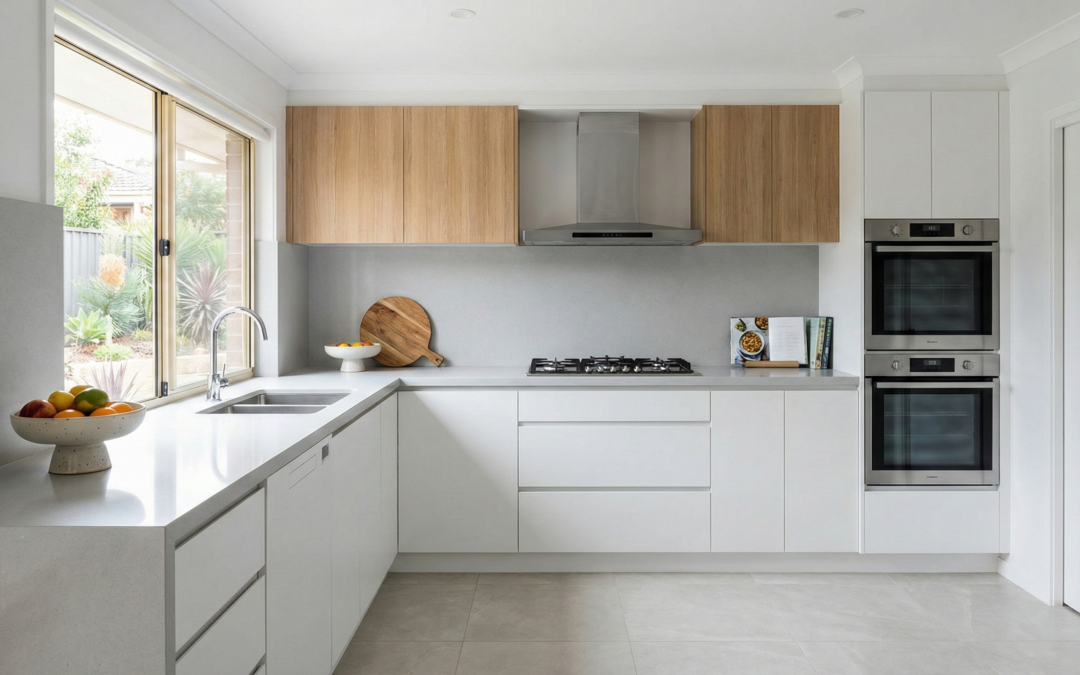
A new kitchen typically lasts between 15 and 30 years, depending on the quality of materials, installation standards, and how well you maintain it over time. For Sydney homeowners investing $25,000 to $80,000 or more in a kitchen renovation, understanding this lifespan helps you budget accurately, choose the right materials, and plan for future updates.
This guide breaks down exactly what determines your kitchen’s longevity, which components wear out first, and how to extend the life of your investment. Whether you’re renovating to sell, upgrading for your family, or planning a rental property refresh, you’ll learn how to maximise every dollar spent.
Understanding Kitchen Lifespan Basics
Your kitchen isn’t a single item with one expiration date. It’s a collection of components, each with different lifespans, working together as a functional space. Cabinetry might last 50 years while appliances need replacing after 10. Understanding this distinction helps you plan maintenance budgets and avoid unexpected costs.
The average Australian kitchen renovation occurs every 10 to 15 years, according to industry data. However, this doesn’t mean kitchens fail at that point. Many homeowners renovate for aesthetic updates or lifestyle changes rather than functional necessity. A well-built kitchen can serve you reliably for three decades with proper care.
What Determines a Kitchen’s Overall Lifespan
Three primary factors control how long your kitchen remains functional and attractive. First, material quality sets the baseline. Solid timber cabinets outlast particleboard by decades. Stone benchtops survive longer than laminate. Quality hardware resists wear better than budget alternatives.
Second, installation quality matters enormously. Poorly fitted cabinets develop alignment issues. Incorrectly sealed benchtops allow water damage. Rushed plumbing connections create leaks that destroy surrounding materials. Professional installation protects your investment from day one.
Third, daily use patterns and maintenance habits determine whether your kitchen reaches its potential lifespan. A family of six cooking daily puts more stress on surfaces than a couple who eats out frequently. Regular cleaning, prompt repairs, and appropriate use extend life significantly.
Average Lifespan by Kitchen Quality Level
Budget kitchens using laminate benchtops, melamine cabinets, and basic appliances typically last 10 to 15 years before requiring significant updates. These kitchens suit rental properties, first homes, or situations where you plan to renovate again within a decade.
Mid-range kitchens featuring engineered stone benchtops, quality cabinetry with soft-close hardware, and reliable appliances generally serve 15 to 25 years. This represents the sweet spot for most owner-occupiers balancing cost against longevity.
Premium kitchens with natural stone benchtops, custom solid timber cabinetry, and high-end appliances can last 25 to 30 years or longer. The initial investment is higher, but cost-per-year often proves competitive with cheaper alternatives that need earlier replacement.
Component-by-Component Lifespan Breakdown
Understanding individual component lifespans helps you budget for replacements and prioritise spending during initial renovation. Some items need replacing multiple times during your kitchen’s life, while others outlast the entire space.
Cabinet Lifespan and Durability Factors
Kitchen cabinets form the structural backbone of your space and typically last 15 to 50 years depending on construction quality. Solid timber cabinets with dovetail joints and quality hinges represent the longest-lasting option. Particleboard cabinets with basic hardware sit at the shorter end.
The cabinet box material matters most for longevity. Marine-grade plywood resists moisture damage in areas near sinks and dishwashers. Standard particleboard swells and deteriorates when exposed to water, often failing within 10 years in high-moisture zones.
Door and drawer fronts take the most visible wear. Painted surfaces chip and scratch over time. Laminate can peel at edges. Solid timber develops character with age but requires occasional refinishing. Budget for door replacements or refinishing around the 15-year mark even if cabinet boxes remain sound.
Benchtop Materials and Expected Longevity
Benchtops endure constant use, heat exposure, cutting, and cleaning. Material choice dramatically affects how long they last and how they age. Natural stone like granite and marble lasts 25 to 100 years with proper sealing and care. These materials can be refinished if damaged.
Engineered stone (quartz) offers 15 to 25 years of service with excellent stain and scratch resistance. Unlike natural stone, engineered options cannot be refinished, so significant damage requires replacement. However, their consistency and durability make them popular for busy family kitchens.
Laminate benchtops provide 10 to 15 years of service at a fraction of the cost. They’re susceptible to heat damage, scratching, and edge wear. Timber benchtops last 20 to 25 years but require regular oiling and careful use to prevent water damage and staining.
Appliance Replacement Cycles
Kitchen appliances have the shortest lifespans of any kitchen component, typically requiring replacement every 8 to 15 years. Planning for these replacements prevents budget surprises and helps you maintain a functional kitchen throughout its life.
Refrigerators average 10 to 15 years of service. Dishwashers typically last 8 to 12 years. Ovens and cooktops range from 10 to 15 years depending on usage intensity and brand quality. Range hoods often last 10 to 14 years before motors fail or efficiency drops.
Investing in quality appliances from reputable brands extends these timelines. Choice Australia’s appliance reliability data consistently shows that premium brands outlast budget options, often justifying higher upfront costs through longer service life and better energy efficiency.
Fixtures, Hardware, and Finishing Elements
Smaller components often fail before major elements, creating maintenance needs throughout your kitchen’s life. Tapware typically lasts 15 to 20 years, though washers and cartridges may need replacement every 5 to 10 years. Quality brands offer better longevity and easier parts availability.
Cabinet hardware including hinges, drawer runners, and handles lasts 10 to 20 years depending on quality. Soft-close mechanisms add convenience but introduce additional failure points. Budget for hardware replacement or upgrade around the 15-year mark.
Lighting fixtures, power points, and switches generally last 20 to 30 years. However, technology changes may prompt earlier updates. LED lighting has largely replaced older technologies, and smart home integration increasingly influences kitchen electrical planning.
Factors That Shorten Kitchen Lifespan
Certain conditions accelerate kitchen deterioration, potentially cutting years off your investment. Identifying and addressing these factors protects your renovation spending and maintains your kitchen’s functionality.
Moisture and Water Damage Risks
Water represents the greatest threat to kitchen longevity. Leaking taps, dishwasher connections, and sink seals allow moisture to penetrate cabinet materials, causing swelling, warping, and mould growth. A single undetected leak can destroy thousands of dollars worth of cabinetry within months.
Poor ventilation compounds moisture problems. Cooking generates significant steam that, without adequate extraction, condenses on surfaces and penetrates materials. Quality range hoods rated for your cooking style, properly ducted to outside, protect your kitchen from moisture damage.
Splashback areas around sinks and cooktops need appropriate waterproofing. Gaps in tile grout or poorly sealed benchtop edges allow water penetration. Regular inspection and prompt repair of these areas prevents costly damage to underlying structures.
Poor Installation and Workmanship Issues
Cutting corners during installation creates problems that compound over time. Cabinets not properly levelled develop door alignment issues and drawer problems. Benchtops without adequate support crack or separate from walls. Plumbing connections that aren’t properly sealed leak.
Unlicensed or inexperienced installers often miss critical details. Waterproofing behind splashbacks, adequate ventilation clearances, and proper appliance connections require specific knowledge. The cost difference between professional and amateur installation often proves insignificant compared to repair costs from poor workmanship.
Always verify installer credentials and check references. Licensed builders and tradespeople carry insurance that protects you if problems arise. Detailed contracts specifying materials, timelines, and warranty terms provide recourse if work doesn’t meet standards.
Daily Wear and Usage Intensity
How you use your kitchen directly impacts how long it lasts. Commercial-style cooking with high heat and heavy pots stresses surfaces more than occasional meal preparation. Large families generate more wear than couples or singles.
Cutting directly on benchtops, placing hot pans on surfaces, and using abrasive cleaners accelerate deterioration. These habits might save seconds daily but cost years of benchtop life. Using cutting boards, trivets, and appropriate cleaning products protects your investment.
Cabinet doors and drawers endure thousands of open-close cycles annually. Slamming rather than closing gently stresses hinges and runners. Teaching household members to treat kitchen components carefully extends their functional life significantly.
How to Extend Your Kitchen’s Lifespan
Proactive maintenance and careful use can add years to your kitchen’s functional life. These strategies cost little but deliver significant returns on your renovation investment.
Regular Maintenance and Care Routines
Establishing simple maintenance habits prevents small issues from becoming major problems. Weekly cleaning of cabinet surfaces removes grease buildup that damages finishes over time. Monthly inspection of under-sink areas catches leaks before they cause structural damage.
Benchtop care varies by material. Stone surfaces need resealing every one to two years. Timber requires regular oiling. Laminate benefits from avoiding harsh chemicals and excessive moisture. Following manufacturer care instructions maximises material lifespan.
Appliance maintenance extends service life and efficiency. Cleaning refrigerator coils annually improves performance. Descaling dishwashers and kettles prevents mineral buildup. Checking oven door seals ensures efficient operation. These simple tasks take minutes but add years to appliance life.
Timely Repairs and Component Replacement
Addressing problems promptly prevents cascading damage. A dripping tap wastes water and allows moisture to damage surrounding materials. A loose hinge stresses the cabinet door and adjacent hardware. Small repairs cost little; delayed repairs cost significantly more.
Keep spare parts for common failure points. Extra handles, hinge cups, and drawer runner components allow quick repairs without waiting for orders. Knowing your cabinet and hardware brands simplifies parts sourcing when needed.
Budget for periodic component replacement rather than waiting for complete failure. Replacing worn drawer runners before they damage cabinet boxes costs less than repairing both. Updating tapware before leaks develop protects surrounding cabinetry.
Strategic Upgrades and Refreshes
Partial updates can extend overall kitchen life without full renovation costs. Replacing doors and drawer fronts while keeping sound cabinet boxes refreshes appearance at a fraction of replacement cost. New benchtops transform a dated kitchen without touching cabinetry.
Hardware upgrades improve both function and appearance. Modern soft-close hinges retrofit to existing cabinets. Updated handles change the entire kitchen aesthetic. New tapware adds contemporary style and improved functionality.
Appliance replacement as units fail allows gradual modernisation. Matching new appliances to existing colour schemes maintains visual coherence. Planning for eventual full renovation helps you make upgrade decisions that align with longer-term goals.
Kitchen Lifespan and Property Value Considerations
Understanding how kitchen age affects property value helps you make informed renovation decisions. Whether you’re improving your home or preparing to sell, kitchen condition significantly influences buyer perception and sale price.
When Kitchen Age Affects Sale Price
Buyers assess kitchens critically during property inspections. Kitchens over 15 years old often trigger price negotiations or reduced offers as buyers factor in renovation costs. Dated kitchens can reduce sale prices by $20,000 to $50,000 or more in Sydney’s competitive market.
However, a well-maintained older kitchen in good condition may satisfy buyers who prioritise other features. Location, layout, and overall home condition influence how much kitchen age matters. A 20-year-old kitchen in a premium suburb might concern buyers less than a 10-year-old kitchen in poor condition.
Timing renovations strategically maximises return. Renovating immediately before sale captures full value but limits your enjoyment. Renovating years before sale provides personal benefit but may require updates before listing. Consider your timeline when planning kitchen investments.
Renovation Timing for Maximum Return
Kitchen renovations typically return 50% to 80% of their cost at sale, according to Australian property industry research. However, returns vary significantly based on renovation quality, local market conditions, and how well the kitchen suits buyer expectations.
Over-capitalising remains a risk, particularly in lower-priced suburbs. A $100,000 kitchen in a $600,000 home rarely returns its full cost. Matching renovation spending to property value and neighbourhood standards optimises returns.
For investment properties, functional kitchens that appeal to renters often provide better returns than premium finishes. Durable, easy-clean surfaces and reliable appliances minimise maintenance while attracting quality tenants. Balancing initial cost against ongoing maintenance optimises rental property kitchen decisions.
Planning Your Kitchen Investment Wisely
Smart planning ensures your kitchen renovation delivers maximum value over its entire lifespan. Considering long-term costs alongside initial spending helps you make decisions that serve you well for decades.
Calculating True Cost of Ownership
Initial renovation cost represents only part of your kitchen investment. Appliance replacements, maintenance, repairs, and eventual updates add significantly to lifetime costs. A $30,000 kitchen requiring $15,000 in appliance replacements and repairs over 20 years costs $45,000 total.
Higher-quality initial investments often reduce lifetime costs. Premium cabinets lasting 30 years cost less per year than budget cabinets replaced at 15 years. Quality appliances with longer lifespans and better energy efficiency offset higher purchase prices.
Consider your intended ownership timeline when making quality decisions. If you plan to sell within five years, mid-range finishes may provide optimal returns. If you’re creating your forever home, premium materials that last decades justify higher initial spending.
Balancing Budget and Longevity
Allocate renovation budgets strategically across components based on lifespan and importance. Spending more on long-lasting elements like cabinetry and benchtops while economising on shorter-lived items like appliances optimises overall value.
Prioritise quality in high-wear areas. Drawer runners, hinges, and sink areas endure constant use and benefit most from quality materials. Decorative elements and less-used storage areas can accommodate budget options without significantly affecting overall kitchen life.
Get multiple quotes and understand exactly what’s included. Price differences often reflect material quality, installation standards, and warranty coverage. The cheapest quote rarely represents the best value when lifetime costs are considered.
Conclusion
Your new kitchen’s lifespan depends on the choices you make during renovation and how you care for it afterward. Quality materials, professional installation, and regular maintenance can deliver 25 to 30 years of reliable service, while cutting corners may leave you renovating again within a decade.
At Sydney Home Renovation, we help homeowners make informed decisions that balance upfront costs against long-term value. Our transparent approach to materials, pricing, and installation standards ensures your kitchen investment delivers maximum return over its entire lifespan.
Ready to plan a kitchen renovation built to last? Contact our team for honest advice on materials, budgets, and timelines that match your goals and protect your investment for decades to come.
Frequently Asked Questions
How often should a kitchen be replaced?
Most kitchens need significant renovation or replacement every 15 to 25 years, though well-maintained premium kitchens can last 30 years or longer. Appliances typically need replacing every 10 to 15 years regardless of overall kitchen condition.
What kitchen components wear out first?
Appliances, tapware, and cabinet hardware typically fail before structural elements. Dishwashers and range hoods often need replacement within 10 to 12 years, while quality cabinetry can last 30 years or more with proper care.
Is it worth spending more on kitchen quality?
Higher-quality kitchens often cost less per year of service than budget alternatives. Premium cabinets lasting 30 years at $20,000 cost less annually than $10,000 cabinets requiring replacement at 12 years, plus you avoid renovation disruption.
How does kitchen condition affect home value?
Dated or worn kitchens can reduce sale prices by $20,000 to $50,000 or more as buyers factor in renovation costs. Well-maintained kitchens, even if not brand new, generally satisfy buyers and support asking prices.
Can I extend my kitchen’s lifespan without full renovation?
Yes. Replacing doors and drawer fronts, updating hardware, installing new benchtops, or refreshing with paint can add years of life at a fraction of full renovation cost. Address worn components before they damage surrounding elements.
What maintenance extends kitchen life most effectively?
Controlling moisture through prompt leak repairs, adequate ventilation, and proper cleaning delivers the greatest lifespan benefits. Regular inspection of under-sink areas, resealing stone benchtops, and maintaining appliances also significantly extend kitchen life.
How long do different benchtop materials last?
Natural stone like granite lasts 25 to 100 years with proper care. Engineered stone provides 15 to 25 years of service. Laminate typically lasts 10 to 15 years. Timber benchtops offer 20 to 25 years with regular maintenance and careful use.