
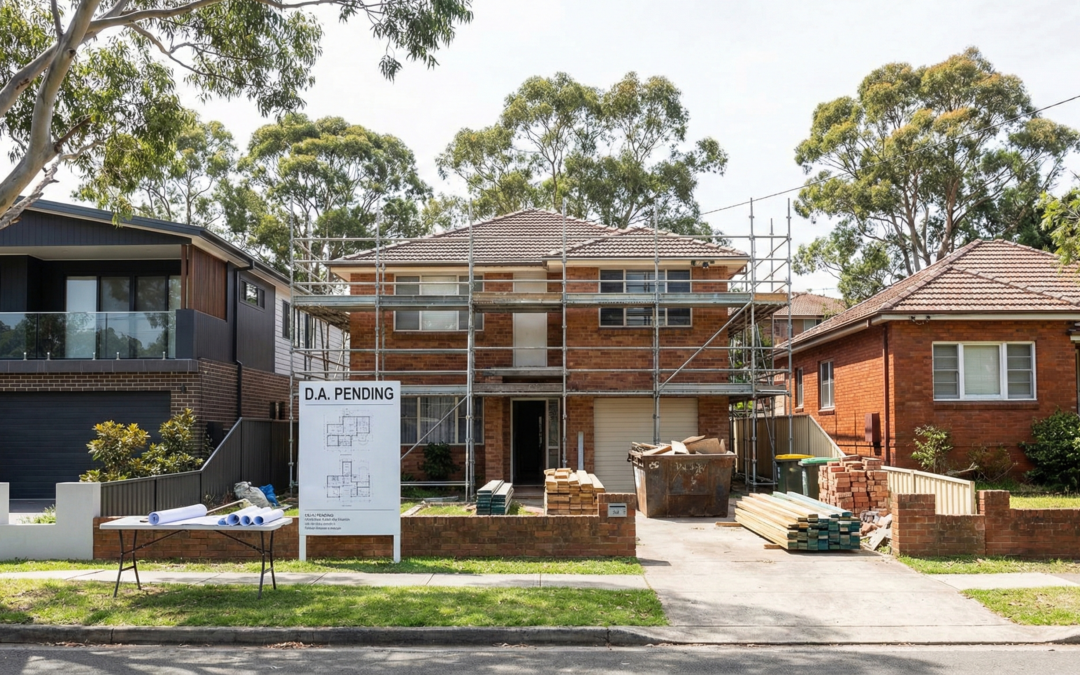
Yes, late 2026 presents a favourable window for Sydney renovations due to stabilising construction costs, recent interest rate cuts, and strong property equity growth. Many homeowners feel uncertain about timing their renovation projects. They worry about rising costs, builder availability, and market conditions.
Sydney Home Renovation helps homeowners navigate these complex decisions with confidence. Our team understands local market trends and council requirements across Sydney.
This guide covers everything you need to know. You will learn about current market conditions, costs, approvals, and how to decide if now suits your situation.
Key Considerations for Renovating Now
Two main factors determine the right renovation timing. These are market conditions and your personal situation. Both deserve careful analysis before committing to any project.
Market conditions in late 2025 show positive signs for Sydney homeowners. Construction costs have stabilised after years of volatility. Interest rates have dropped, making financing more accessible.
Your personal circumstances matter equally. Financial readiness, renovation goals, and timeline all influence your decision. A rushed project often costs more than a well-planned one.
Market Conditions (Late 2026, Australia)
The Australian construction sector has entered a more predictable phase. Supply chain disruptions have largely resolved. Material prices have flattened compared to 2022-2023 peaks.
Your Personal Situation
Personal readiness involves more than just finances. Homeowners must consider their living arrangements during construction. They should also assess their tolerance for disruption and stress.
Market Conditions (Late 2026, Australia)
Stabilising Construction Costs
Construction costs have plateaued in 2025 after significant increases. The Housing Industry Association reports material costs have stabilised. This creates more predictable budgeting for renovation projects.
Timber, steel, and concrete prices remain elevated but steady. Homeowners can now receive accurate quotes that hold their value. This stability reduces the risk of budget blowouts mid-project.
Ongoing Labour Shortages
Skilled trade shortages continue affecting the Sydney construction market. Electricians, plumbers, and carpenters remain in high demand. This impacts both project timelines and labour costs.
The shortage means longer lead times for quality builders. Homeowners should book reputable contractors well in advance. Planning 3-6 months ahead helps secure preferred tradespeople.
Impact of Recent Interest Rate Cuts
The Reserve Bank of Australia has reduced the cash rate in 2025. Lower rates mean cheaper borrowing for renovation financing. Home equity loans and construction loans have become more affordable.
These cuts improve renovation affordability for many Sydney households. Monthly repayments on renovation loans have decreased. This creates an opportunity for homeowners who delayed projects during high-rate periods.
Rising Property Values and Equity Growth
Sydney property values have continued growing through 2025. This growth increases available home equity for renovations. Many homeowners can now access more funds than previously possible.
Strong equity positions make renovation financing easier. Banks view renovations favourably when property values support the loan. This creates a positive environment for major home improvements.
Your Personal Situation
Renovating for Long-Term Living vs. Preparing to Sell
Your renovation goals should guide every decision. Long-term residents can prioritise personal preferences and lifestyle improvements. Those preparing to sell should focus on buyer appeal and ROI.
Renovations for living allow more customisation. Homeowners can invest in features they will enjoy for years. Selling-focused renovations require market research and strategic choices.
Budgeting and Allowing for Unexpected Costs
Realistic budgets include a contingency buffer of 15-20%. Unexpected issues arise in most renovation projects. Hidden structural problems or asbestos discovery can add significant costs.
Homeowners should secure financing before starting work. Pre-approval provides clarity on available funds. This prevents stressful financial decisions during construction.
Considering Alternatives to Major Renovations
Major renovations are not always necessary. Cosmetic updates can transform spaces at lower cost. Paint, fixtures, and flooring changes deliver significant impact.
Some homeowners benefit from staged renovations over time. This approach spreads costs and reduces disruption. It also allows adjustments based on changing needs.
Sydney-Specific Renovation Trends in 2026
Suburbs with Strong Renovation Activity
Inner West suburbs show high renovation activity in 2025. Areas like Marrickville, Dulwich Hill, and Leichhardt attract significant investment. The Northern Beaches and Eastern Suburbs also demonstrate strong renovation demand.
Knockdown-Rebuild vs. Extensions in Sydney
Knockdown-rebuilds suit older homes with poor layouts or structural issues. Extensions work better for homes with solid foundations and good bones. Cost comparisons vary significantly based on site conditions.
Popular Sydney Home Design Styles
Contemporary Australian designs dominate Sydney renovations. Open-plan living areas remain highly desirable. Indoor-outdoor flow suits Sydney’s climate perfectly.
Local Regulations and Approvals in Sydney
DA vs. CDC – Which Approval Path Is Right for You?
Development Applications (DAs) go through council assessment. Complying Development Certificates (CDCs) use private certifiers for faster approval. CDCs suit straightforward projects meeting specific criteria.
Heritage and Conservation Area Restrictions
Heritage-listed properties face additional approval requirements. Conservation areas restrict external changes visible from streets. Early consultation with council prevents costly redesigns.
Typical Approval Timeframes Across Sydney Councils
DA approvals typically take 40-90 days across Sydney councils. CDC approvals can complete within 10-20 days. Complex projects may require longer assessment periods.
Cost Considerations for Sydney Renovations
Average Renovation Costs by Project Type
Bathroom renovations in Sydney typically cost $25,000-$50,000. Kitchen renovations range from $30,000-$80,000. Full home renovations can exceed $200,000 depending on scope.
Cost Factors Unique to Sydney (Access, Labour, Materials)
Sydney’s dense urban environment creates unique cost factors. Difficult site access increases labour and equipment costs. Inner-city locations often require specialised logistics.
Creating a Realistic Budget + Contingency Buffer
Successful budgets account for all project phases. Design, approvals, construction, and finishing all require funding. A 15-20% contingency protects against unexpected expenses.
Builder Availability and Lead Times in Sydney
Quality Sydney builders currently have 3-6 month lead times. Popular contractors book even further in advance. Early engagement secures preferred builders and better pricing.
Homeowners should obtain multiple quotes for comparison. This process takes 4-8 weeks for detailed proposals. Rushing builder selection often leads to poor outcomes.
Renovation ROI in Sydney’s Property Market
Strategic renovations can add 1.5-2 times their cost in property value. Kitchens and bathrooms deliver the strongest returns. Poor-quality work can actually decrease property value.
Sustainability and Energy Efficiency Trends
Energy-efficient upgrades reduce ongoing costs significantly. Solar panels, insulation, and efficient appliances attract buyer interest. These improvements also qualify for various government rebates.
Next Steps
Consult Local Experts and Financial Advisors
Professional advice prevents costly mistakes. Financial advisors help structure renovation funding. Building consultants assess project feasibility accurately.
Obtain Quotes and Feasibility Assessments
Multiple quotes provide market rate understanding. Feasibility assessments identify potential issues early. This information supports confident decision-making.
Finalise Plans, Designs, and Approvals
Complete designs before construction begins. Approved plans prevent delays and variations. This preparation ensures smoother project execution.
How to Decide If Now Is the Right Time for You
The right timing depends on your unique circumstances. Market conditions in late 2025 favour renovation projects. Your financial position and personal goals complete the picture.
Sydney Home Renovation provides expert guidance for homeowners considering renovations. Our team delivers transparent pricing and quality workmanship. We help clients renovate with confidence and clarity.
Contact Sydney Home Renovation today for a detailed consultation. Our experts will assess your project and provide honest advice. Start your renovation journey with a trusted local partner.
Frequently Asked Questions
How much does a typical Sydney renovation cost in 2026? Sydney renovation costs vary by project type. Bathrooms cost $25,000-$50,000, while kitchens range from $30,000-$80,000. Full home renovations can exceed $200,000.
How long do council approvals take in Sydney? DA approvals typically take 40-90 days. CDC approvals complete within 10-20 days. Complex projects may require longer assessment periods.
Should I renovate or sell my Sydney home? This depends on your financial situation and goals. Renovating suits homeowners planning to stay long-term. Selling may suit those wanting a fresh start elsewhere.
What renovation adds the most value in Sydney? Kitchen and bathroom renovations deliver the strongest ROI. These spaces influence buyer decisions significantly. Quality finishes in these areas attract premium offers.
How far in advance should I book a Sydney builder? Quality builders require 3-6 months advance booking. Popular contractors book even further ahead. Early engagement secures better pricing and availability.
Do I need council approval for my renovation? Most structural changes require council approval. Minor cosmetic work typically does not need approval. Consult your local council or a building professional for guidance.
What contingency should I include in my renovation budget? Experts recommend a 15-20% contingency buffer. This covers unexpected issues like hidden damage or price increases. Adequate contingency prevents project delays and stress.