
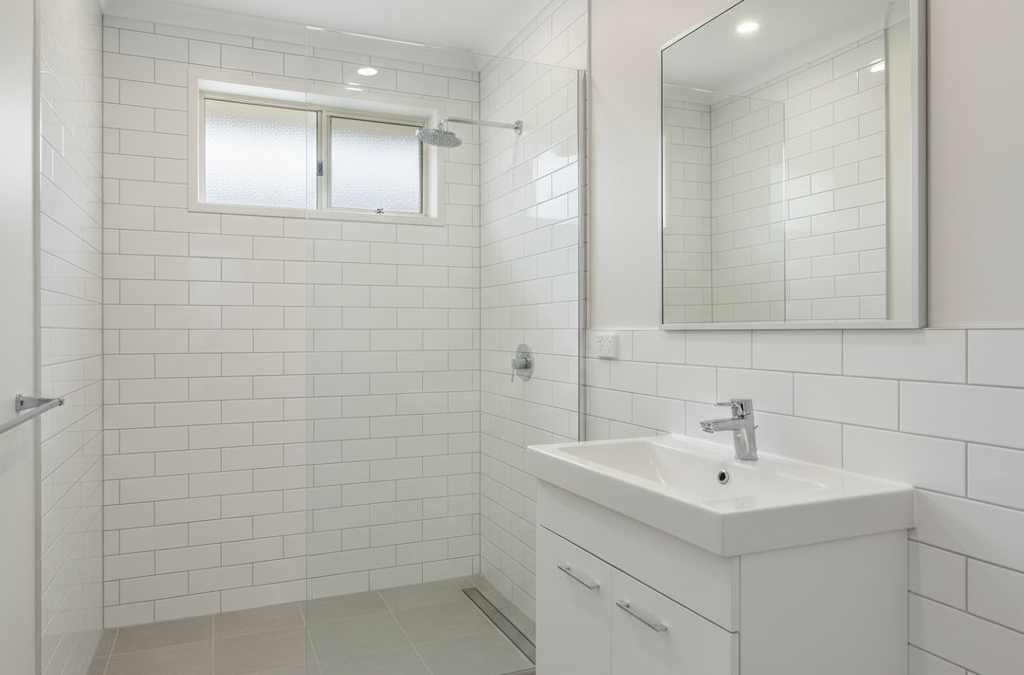
A budget bathroom renovation in Sydney typically costs between $15,000 and $25,000 for a standard-sized space, though strategic planning can bring costs closer to $10,000 without sacrificing quality. Labour accounts for roughly 40-50% of your total spend, making it the single largest expense to understand and manage.
Whether you’re updating a tired ensuite before selling or creating a functional family bathroom, knowing where your money goes prevents costly surprises. The difference between a renovation that stays on budget and one that spirals often comes down to planning, not luck.
This guide breaks down real Sydney renovation costs, reveals hidden expenses that catch homeowners off guard, and shares practical strategies to maximise your renovation dollar. You’ll learn exactly where to spend, where to save, and how to create a budget that actually works.
What Does a Budget Bathroom Renovation Actually Cost in Sydney?
Bathroom renovation costs in Sydney vary significantly based on size, scope, and finish quality. Understanding realistic price ranges helps you set expectations and avoid quotes that seem too good to be true.
The Sydney market presents unique cost factors. Higher labour rates compared to other Australian cities, strict waterproofing requirements, and potential asbestos in older homes all influence your final spend. A “budget” renovation here differs from regional areas.
Most homeowners underestimate costs by 20-30% when planning without professional guidance. Getting the numbers right from the start prevents the stress of mid-project budget blowouts.
Small Bathroom Renovation Costs (Under 5m²)
Small bathrooms and ensuites under 5 square metres typically cost between $12,000 and $18,000 for a complete renovation. This includes demolition, new waterproofing, tiling, a basic vanity, toilet, and shower.
The compact space reduces material costs but doesn’t proportionally reduce labour. Tradespeople still need similar time for plumbing rough-ins, waterproofing, and tiling preparation regardless of room size.
Budget-conscious renovators can achieve results closer to $10,000 by retaining existing plumbing positions and choosing mid-range fixtures.
Medium Bathroom Renovation Costs (5-8m²)
A medium-sized family bathroom between 5-8 square metres generally costs $18,000 to $28,000 for a full renovation. This size accommodates a separate bath and shower, larger vanity, and more tiling area.
Additional square metres increase material costs noticeably. More tiles, larger waterproofing area, and potentially more complex plumbing configurations add to the total.
This size range offers the best value for families. You get functional space without the premium costs associated with large master bathrooms.
Large or Master Bathroom Renovation Costs (8m²+)
Master bathrooms exceeding 8 square metres typically start at $28,000 and can reach $45,000+ depending on fixtures and finishes. Double vanities, freestanding baths, and walk-in showers significantly increase costs.
Larger spaces require more of everything: tiles, waterproofing membrane, labour hours, and fixtures. Premium finishes in bigger rooms multiply costs quickly.
Property investors should weigh whether a high-end master bathroom delivers proportional returns. In many Sydney suburbs, a well-executed mid-range renovation adds more relative value than an over-capitalised luxury fitout.
Breaking Down Bathroom Renovation Costs by Category
Understanding where your money goes empowers better decision-making. Each cost category offers opportunities to save or invest strategically.
A transparent cost breakdown also helps you evaluate quotes. When contractors itemise their pricing, you can compare apples to apples rather than guessing what’s included.
Labour Costs for Sydney Bathroom Renovations
Labour typically represents 40-50% of your total renovation cost in Sydney. This includes demolition, plumbing, electrical, waterproofing, tiling, and carpentry.
Sydney tradesperson rates reflect the city’s high cost of living. Expect to pay $70-$100+ per hour for licensed plumbers and electricians. Tilers charge $50-$80 per square metre depending on tile complexity.
Reducing labour costs requires careful planning. Keeping plumbing in existing positions eliminates expensive pipe relocations. Choosing standard tile sizes reduces cutting time and waste.
Material and Fixture Allowances
Materials and fixtures account for 30-40% of most bathroom budgets. This includes tiles, vanity, toilet, shower screen, tapware, and accessories.
Budget fixture packages start around $2,000-$3,500 for a complete bathroom. Mid-range selections run $4,000-$7,000. Premium fixtures can exceed $15,000 easily.
The quality gap between budget and mid-range fixtures has narrowed considerably. Many Australian suppliers offer stylish, durable options at accessible price points. Spending more often buys aesthetics rather than longevity.
Plumbing and Electrical Work
Plumbing and electrical work typically costs $3,000-$6,000 for a standard bathroom renovation. This covers removing old fixtures, installing new ones, and any necessary upgrades.
Moving plumbing positions dramatically increases costs. Relocating a toilet can add $1,500-$3,000 alone due to drainage requirements. Keeping fixtures in existing locations saves thousands.
Electrical work includes lighting, exhaust fans, heated towel rails, and power points. Upgrading to LED downlights and a quality exhaust fan improves functionality without major expense.
Tiling, Waterproofing, and Finishes
Tiling and waterproofing represent 15-25% of renovation costs. Waterproofing is non-negotiable in Australia and must meet Australian Standard AS 3740.
Waterproofing alone costs $1,000-$2,000 for a standard bathroom. This includes membrane application, drying time, and certification. Never skip or cut corners here.
Tile costs vary enormously. Budget tiles start at $25-$40 per square metre. Mid-range options run $50-$80. Premium imported tiles can exceed $150+ per square metre. Labour costs remain similar regardless of tile price.
Hidden Costs That Blow Bathroom Renovation Budgets
Hidden costs catch unprepared homeowners off guard. Building a contingency into your budget protects against these common surprises.
Experienced contractors anticipate many hidden costs during quoting. Unusually low quotes often exclude items that will inevitably appear as extras.
Structural and Asbestos Surprises
Sydney homes built before 1990 may contain asbestos in wall linings, flooring, or adhesives. Professional asbestos removal costs $1,500-$4,000 depending on extent.
Water damage behind tiles often only becomes visible during demolition. Rotted framing, damaged wall sheets, and compromised flooring require repair before new work begins.
Structural repairs can add $2,000-$5,000 to your budget. Older homes carry higher risk. A pre-renovation inspection helps identify potential issues before committing to a contractor.
Permit and Compliance Fees
Most bathroom renovations in Sydney don’t require council development approval. However, any work affecting the building’s structure or external appearance may need consent.
Waterproofing certification is mandatory and costs $200-$400. Your contractor should arrange this, but confirm it’s included in their quote.
Plumbing and electrical work requires licensed professionals who issue compliance certificates. These certificates protect you legally and are essential for insurance and future sale.
Scope Creep and Change Orders
Scope creep occurs when small additions accumulate into significant cost increases. “While we’re at it” thinking adds up quickly.
Each change order during construction typically costs 15-25% more than if included in the original scope. Contractors must stop, requote, source materials, and potentially reschedule trades.
Define your complete scope before signing contracts. Make all fixture selections upfront. Resist the temptation to upgrade mid-project unless absolutely necessary.
Smart Ways to Save Money on Your Bathroom Renovation
Strategic decisions during planning deliver the biggest savings. Cutting corners on execution rarely ends well.
The goal isn’t the cheapest renovation possible. It’s maximising value for your specific budget while avoiding false economies that cost more long-term.
Keep the Existing Layout
Maintaining your current plumbing layout saves $3,000-$8,000 on a typical renovation. Every moved drain, relocated tap, or shifted toilet adds significant plumbing labour.
Work with your existing floor plan. If the toilet sits in the corner, design around it. If the shower occupies a specific space, keep it there.
Layout changes only make sense when the current configuration is fundamentally dysfunctional. Cosmetic preferences rarely justify the expense of replumbing.
Choose Cost-Effective Materials That Look Premium
Large format tiles (600x600mm or bigger) cover more area with fewer grout lines, creating a premium look at similar cost to smaller tiles. They also require less labour to install.
Porcelain tiles offer durability comparable to natural stone at a fraction of the price. Many porcelain options convincingly replicate marble, concrete, or timber aesthetics.
Australian brands like Beaumont Tiles and National Tiles stock quality mid-range options. You don’t need imported Italian tiles for an impressive result.
Prioritise High-Impact Upgrades
Spend on elements you see and touch daily. Quality tapware, a solid vanity, and good lighting transform the bathroom experience more than hidden upgrades.
A $400 mixer tap feels noticeably better than a $150 option and typically lasts longer. This small upgrade delivers daily satisfaction.
Conversely, premium concealed cisterns or expensive drainage systems provide minimal experiential benefit. Functional mid-range options perform identically for most users.
DIY Tasks vs. Professional Work
Some tasks suit capable DIYers. Painting, installing accessories, removing old fixtures, and final cleaning can save $500-$1,500 in labour.
Never DIY plumbing, electrical, or waterproofing. These require licensed professionals by law. Unlicensed work voids insurance and creates liability issues.
Demolition sits in the middle. DIY demolition saves money but risks damaging pipes or wiring. If you proceed, turn off water and power first and work carefully around service locations.
Where to Spend and Where to Save
Not all bathroom components deserve equal budget allocation. Strategic spending maximises both daily enjoyment and long-term value.
Worth the Investment
Waterproofing: Never compromise here. Failed waterproofing causes structural damage costing tens of thousands to repair. Pay for quality membrane and proper application.
Ventilation: A quality exhaust fan prevents mould and moisture damage. Spend $300-$500 on a unit with adequate extraction capacity for your bathroom size.
Tapware: You touch taps multiple times daily. Quality mixers from brands like Caroma or Methven feel better and last longer than budget alternatives.
Shower screen: A frameless or semi-frameless screen elevates the entire bathroom aesthetic. The $800-$1,500 premium over a framed screen delivers significant visual impact.
Safe to Save On
Toilet: Modern budget toilets from reputable brands flush effectively and last for years. A $300-$500 toilet performs similarly to a $1,000 model for most users.
Accessories: Towel rails, toilet roll holders, and robe hooks function identically across price points. Save here and spend elsewhere.
Tiles in low-visibility areas: Use premium tiles on feature walls and floors. Budget tiles work fine inside shower niches or behind toilets where they’re less visible.
Vanity: Flat-pack vanities from Bunnings or Highgrove Bathrooms offer excellent value. Pair with quality stone or engineered stone tops for durability.
How to Create a Realistic Bathroom Renovation Budget
A structured budgeting process prevents financial stress and keeps your project on track. Follow these steps to build a budget that reflects reality.
Step 1: Define Your Renovation Scope
Clearly document what you want to achieve. Are you doing a cosmetic refresh or a complete gut renovation? Will you change the layout or keep existing plumbing positions?
List every element you want to include: new tiles, vanity, toilet, shower, bath, lighting, accessories. Be specific about quality expectations.
Your scope directly determines your budget. Expanding scope mid-project causes the most common budget blowouts.
Step 2: Get Multiple Detailed Quotes
Obtain at least three quotes from licensed contractors. Ensure each quote covers the same scope for accurate comparison.
Request itemised quotes showing labour, materials, fixtures, and any allowances. Lump-sum quotes hide important details.
Ask what’s included and excluded. Clarify who supplies fixtures, whether permits are included, and what happens if unexpected issues arise.
Step 3: Build in a Contingency Fund
Add 10-20% contingency to your total budget. This covers unexpected issues that only become apparent during demolition.
Older homes warrant higher contingencies. Properties built before 1990 carry asbestos risk. Pre-1970s homes may have outdated plumbing or wiring requiring upgrades.
Don’t spend your contingency on upgrades. It exists for genuine surprises, not scope expansion.
Step 4: Track Costs Throughout the Project
Monitor spending against your budget weekly. Request progress invoices that detail completed work.
Document any variations in writing before approving them. Verbal agreements about extras lead to disputes.
Keep a spreadsheet tracking quoted amounts, actual costs, and remaining budget. Early awareness of overruns allows course correction.
Budget Bathroom Renovation Mistakes to Avoid
Learning from others’ mistakes saves money and stress. These common errors derail bathroom renovation budgets.
Underestimating Labour Costs
Labour represents the largest cost component, yet homeowners consistently underestimate it. Sydney’s skilled trade shortage means competitive rates for quality tradespeople.
Don’t assume you can negotiate significant labour discounts. Contractors who dramatically undercut competitors often cut corners or abandon jobs.
Budget realistically for labour from the start. Accurate expectations prevent disappointment and mid-project financial stress.
Choosing the Cheapest Quote
The lowest quote rarely delivers the best value. Unusually cheap quotes often exclude items, use inferior materials, or come from inexperienced contractors.
Compare quotes on scope, not just price. A comprehensive quote at $22,000 often delivers better value than a vague quote at $18,000 that generates $6,000 in extras.
Check references, view previous work, and verify licenses. A slightly higher quote from a reputable contractor provides peace of mind and reliable results.
Skipping Waterproofing or Ventilation
Waterproofing isn’t optional. Failed waterproofing causes structural damage, mould growth, and costly repairs far exceeding any initial savings.
Proper ventilation prevents moisture damage and mould. A quality exhaust fan costs a few hundred dollars. Mould remediation costs thousands.
These elements protect your investment. Never let contractors convince you to skip or minimise them to reduce costs.
Timeline and Planning for a Budget-Friendly Renovation
Smart planning reduces costs and stress. Understanding typical timelines helps you prepare appropriately.
Typical Renovation Timeline in Sydney
A standard bathroom renovation takes 2-4 weeks from demolition to completion. Complex renovations or those requiring structural work may extend to 6 weeks.
The timeline typically breaks down as:
- Demolition: 1-2 days
- Plumbing and electrical rough-in: 2-3 days
- Waterproofing and drying: 3-4 days
- Tiling: 3-5 days
- Fixture installation: 2-3 days
- Final touches: 1-2 days
Weather, material availability, and trade scheduling affect actual timelines. Build flexibility into your expectations.
Planning Ahead to Avoid Rush Fees
Book contractors 4-8 weeks in advance. Last-minute bookings limit options and may incur premium pricing.
Order fixtures and tiles early. Supply chain delays can halt projects mid-construction, extending timelines and potentially increasing costs.
Make all selections before construction begins. Mid-project decisions cause delays while you shop, and rush shipping costs add up.
Conclusion
Renovating a bathroom on a budget requires informed planning, realistic expectations, and strategic decision-making. Understanding where costs come from empowers you to allocate your budget effectively, prioritising elements that deliver daily satisfaction and long-term value.
The difference between a successful budget renovation and a stressful cost blowout often comes down to preparation. Defining your scope clearly, getting detailed quotes, building contingency, and tracking costs throughout the project keeps you in control.
We help Sydney homeowners renovate bathrooms with confidence through transparent pricing and practical expertise. Contact Sydney Home Renovation to discuss your bathroom project and receive honest guidance on achieving your renovation goals within your budget.
Frequently Asked Questions
How much does a basic bathroom renovation cost in Sydney?
A basic bathroom renovation in Sydney typically costs $15,000 to $25,000 for a standard-sized space. This includes demolition, waterproofing, tiling, and mid-range fixtures. Smaller bathrooms or cosmetic-only updates can come in under $15,000 with careful planning.
Can I renovate a bathroom for under $10,000?
Renovating for under $10,000 is possible but requires significant compromises. You’ll need to keep existing plumbing positions, choose budget fixtures, and possibly retain some existing elements like the bathtub. Cosmetic refreshes focusing on paint, accessories, and minor updates work best at this budget level.
What is the most expensive part of a bathroom renovation?
Labour typically represents 40-50% of total renovation costs, making it the single largest expense. Tiling labour is particularly significant due to the skill and time required. After labour, fixtures and fittings represent the next largest cost category.
Should I renovate my bathroom before selling my house?
A well-executed bathroom renovation can increase property value and appeal to buyers. However, avoid over-capitalising. A mid-range renovation typically delivers better return on investment than a luxury fitout. Focus on modern, neutral finishes that appeal to broad buyer preferences.
How long does a budget bathroom renovation take?
Most bathroom renovations take 2-4 weeks from start to finish. This includes demolition, plumbing, waterproofing, tiling, and fixture installation. Waterproofing requires drying time that can’t be rushed, which accounts for several days of the timeline.
Is it cheaper to retile or replace a bathtub?
Retiling around an existing bathtub is generally cheaper than replacing it, saving $1,500-$3,000 in removal, disposal, and new tub costs. However, if your bathtub is damaged, outdated, or you want to convert to a shower, replacement may be worthwhile despite the higher cost.
Do I need council approval for a bathroom renovation in Sydney?
Most internal bathroom renovations don’t require council development approval. However, any work affecting the building’s structure, external appearance, or increasing floor area may need consent. Plumbing and electrical work must be completed by licensed professionals who provide compliance certificates.