
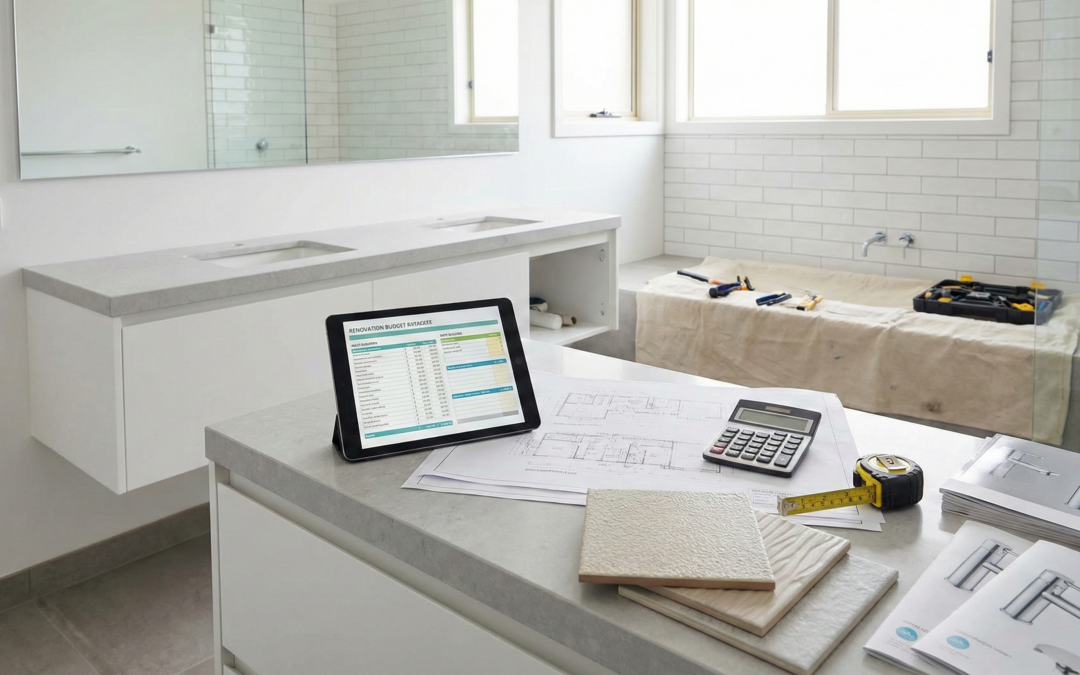
Smart renovation budget planning helps Sydney homeowners control costs and avoid expensive surprises. Many people start projects with excitement. They end up stressed about money. This problem affects thousands of families each year.
Sydney Home Renovation understands your concerns about renovation cost control. Our team has helped hundreds of local homeowners complete beautiful upgrades. We know the tricks that keep projects on track.
This guide shares proven strategies for home improvement budgeting. You will learn exactly how to plan, spend, and save wisely. Keep reading to protect your wallet and your dream renovation.
Do Your Research
Thorough research prevents costly mistakes during your renovation project. Homeowners who skip this step often face budget blowouts. They discover hidden costs too late.
Typical home renovation costs in Australia range from about $2,500 to $4,000 per square metre. This depends on scope and finish quality. Basic cosmetic renovations generally fall between $1,600 and $3,700 per square metre. These numbers help you set realistic renovation allowances.
The company recommends checking current prices for all materials. You should research labour cost management in your area. Kitchen renovations in 2025 commonly cost between $20,000 and $50,000. Bathroom upgrades typically range from $15,000 to $30,000. This knowledge builds your cost per square metre guide.
Compare Prices and Talk to Your Tradie
Multiple quote comparison saves thousands on renovation projects. Smart homeowners never accept the first price. They gather at least three detailed renovation quotes.
Customers struggle with understanding different pricing methods. Some builders offer fixed price building contracts. Others use cost plus renovation risks models. You need itemised cost breakdown documents from each tradesperson. This helps you compare apples to apples.
The best approach involves honest conversations with your tradie. Ask about provisional sum management and prime cost item control. These terms affect your final bill significantly. Good communication prevents misunderstandings later.
Before You Start
Careful preparation before construction begins protects your renovation budget. This phase determines your project’s success. Rushing leads to expensive problems.
Homeowners undertaking major renovations spend an average of approximately $63,000. Your planning now controls that number. Take time to do this right.
Wish List & Priorities
A renovation priorities list separates dreams from necessities. Write down everything you want. Then divide items into must have vs nice to have categories.
Customers find this exercise eye-opening. They realize some wishes cost too much. Kitchens and structural work represent the most expensive components. Focus your money on high-impact areas first.
Detailed Plan
Detailed plans prevent scope creep and budget overruns. Work with an architect or designer to document everything. Include exact specifications for flooring, tiles, cabinetry, and fixtures.
This plan becomes your project bible. It guides every decision. Changes become expensive once work starts.
Contingency Fund
A contingency budget of 10 percent handles unexpected problems. Experts recommend setting aside 10-15% of your total budget. This money covers surprises.
Rising material prices, labour shortages, and tightening compliance requirements cause budget blowouts. Old homes often hide issues behind walls. Water damage or electrical wiring problems appear during demolition. Your renovation contingency fund saves the day.
Multiple Quotes
Getting multiple quotes reveals fair market pricing. Request at least three written estimates. Each should include itemised cost breakdown details.
Tender evaluation strategies help you choose wisely. The cheapest quote isn’t always best. Look for value, experience, and clear communication. Check references carefully.
Research Materials
Material cost comparison shopping reduces expenses significantly. Prices vary widely between suppliers. The same benchtop or tapware costs different amounts at different stores.
Online price checking takes just minutes. You can find bulk purchase discounts on paint, light fittings, and power points. Supplier negotiation tactics work well for larger orders.
Choosing the Right Contractors for Your Project
Reputable contractors deliver quality work within agreed budgets. This choice affects everything. Bad contractors cause delays and cost overruns.
The company recommends checking licenses and insurance first. Ask about their experience with similar projects. Request references from recent Sydney clients. Visit completed work if possible.
Renovation contract clauses protect both parties. Your agreement should cover progress payment schedule details. It must include variation approval process rules. Clear change order control prevents disputes. A good builder welcomes these protections.
During the Renovation
Active management during construction keeps your project on budget. Your job doesn’t end when work begins. Stay involved every day.
Scope creep prevention requires constant attention. Small changes add up quickly. One upgraded shower leads to fancier tiles. Soon your budget disappears.
Track Everything
A renovation cost tracking spreadsheet monitors every dollar spent. Record all invoice and receipt tracking information. Compare actual costs against your plan weekly.
This system catches problems early. You spot overspending before it’s too late. Adjust quickly when needed.
Limit Structural Changes
Reducing structural changes saves significant money. Moving walls costs thousands. Limit plumbing relocation whenever possible. Limit electrical relocation too.
Keeping existing layout preserves your budget. The bathroom and kitchen work fine where they are. Focus on cosmetic improvements instead.
DIY Where Possible
DIY vs contractor work decisions affect your bottom line. Some tasks suit handy homeowners. Paint your own bedroom or hallway. Install simple fixtures yourself.
Customers save hundreds on basic work. Leave complex plumbing pipes and electrical wiring to licensed professionals. Safety matters more than savings.
Phased Approach
A staged renovation approach spreads costs over time. You don’t need everything at once. Complete the kitchen this year. Do the bathroom next year.
This method helps renovation cash flow planning. Your renovation savings plan grows between phases. Less financial stress means better decisions.
Be Flexible
Flexibility on non-critical items protects essential spending. Maybe the expensive splashback can wait. Perhaps cheaper carpet works fine.
Value engineering renovations finds smart alternatives. The designer suggests similar looks for less money. Stay open to these ideas.
Ask About Hidden Costs
Hidden costs surprise unprepared homeowners regularly. Ask your builder about potential extras. Building permit fees add up. Planning approval takes time and money.
Defect repair allowance covers fixing mistakes. Post renovation maintenance budget handles early wear. Include these in your planning.
Smart Spending
Strategic spending maximizes your renovation results. Every dollar should work hard. Waste nothing on unnecessary items.
The share of home renovations in residential construction has increased from about 34% to around 40%. More homeowners choose to renovate wisely. They focus on value, not just appearance.
Shop Around
Shopping around for materials delivers real savings. Compare prices at multiple stores. Check online retailers too.
Reuse and recycle materials when possible. Salvage and second hand fixtures look great. Vintage doors and windows add character cheaply.
Consider Cosmetics
Cosmetic updates transform spaces affordably. New paint changes everything. Updated tapware modernizes bathrooms instantly.
Standardized fittings selection costs less than custom options. Stock vanity units work perfectly. Standard appliances perform excellently.
Quality Over Quantity
Quality over quantity protects long-term value. Cheap materials fail quickly. You pay twice for replacements.
Kitchen renovations consistently produce the highest resale value return. Invest wisely in this spaced cabinetry and benchtops last decades. Skip the patio upgrade if money runs short.
Avoid the Most Expensive Mistakes
Common renovation mistakes destroy budgets completely. Learning from others saves you money. These errors happen frequently.
Structural defects, water damage, outdated layouts, and poor street appeal produce the greatest property value decline. Never cut corners on important work. Insulation, roof repairs, and retaining wall fixes matter most.
Avoid renovation cost overruns by controlling changes. Every modification costs money. The variation approval process should require written consent. Think carefully before approving extras.
Labour, kitchens, bathrooms, and structural modifications account for the highest renovation costs. Plan these areas carefully. Get detailed quotes. Understand exactly what you’re paying for. Interest cost on renovation loans adds up too. Pay cash when possible.
Conclusion
Renovation budget planning requires attention at every stage. You need research, preparation, and active management. These steps protect your investment and reduce stress.
Sydney Home Renovation serves as your trusted partner for home improvement budgeting. We deliver transparent pricing and honest advice. Our team helps Sydney homeowners achieve beautiful results within budget.
Contact us today for your detailed renovation quote. We offer fixed price building contracts with clear itemised cost breakdown documents. Let Sydney Home Renovation turn your dreams into affordable reality.
Add to Conversation