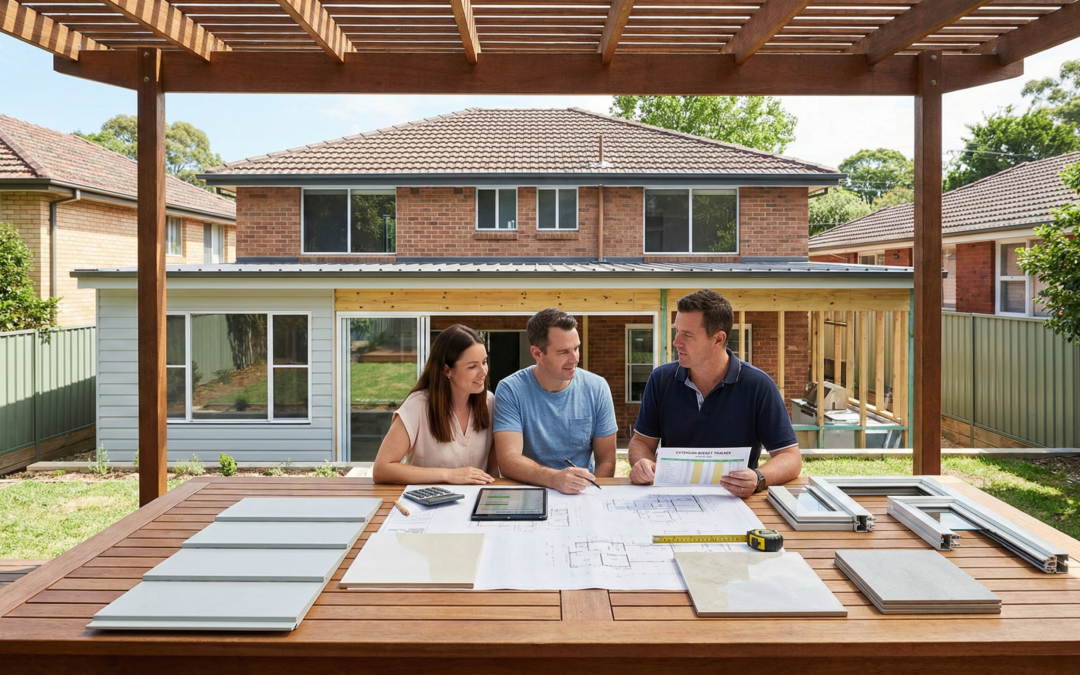
A clear plan, simple design, and smart material choices help you control your ground floor extension budget in Sydney. Many homeowners worry about costs spiraling out of control. This fear stops families from creating the extra space they need.
Sydney Home Renovation understands these budget concerns deeply. Our team has helped hundreds of local families build affordable extensions. We know the tricks that save money without cutting corners.
This guide shares proven strategies to manage your single storey extension costs effectively. You will learn exactly where to spend and where to save on your project.
Why Choose a House Extension?
A house extension adds valuable living space without the stress of moving. Sydney property prices make extensions a smart financial choice. Families gain room to grow while staying in their neighborhood.
Extensions also boost property value when done right. The 30% rule for extensions suggests spending no more than 30% of your home’s current value. This approach prevents overcapitalisation and protects your investment.
Many Sydney families need more space for growing children. Others want better kitchens or home offices. A ground floor addition solves these problems without the upheaval of relocating.
Signs Your Home May Need a Ground Floor Extension
Cramped living spaces signal the need for more room. Families often struggle with cluttered kitchens and tiny bathrooms. These daily frustrations affect quality of life.
Storage problems indicate your home has outgrown your needs. Clothes pile up in corners. Kids share bedrooms when they need privacy.
Working from home creates new space demands. Many Sydney residents now need dedicated office areas. A single storey extension provides this essential workspace.
What to Consider Before Your Ground Floor Extension
Extension cost per square metre varies widely in Sydney. Current data shows brick-veneer ground floor extensions averaging about $2,400 to $2,900 per square metre. Your total budget depends on size, finishes, and site conditions.
Ground floor home extensions in Australia typically cost between $2,000 and $4,000 per square metre. An 80 square metre project ranges from roughly $160,000 to $320,000. Sydney prices often sit at the higher end of this scale.
Extension budgets should include construction, design fees, approvals, services, and a 10–20% contingency allowance. Many homeowners forget these extra costs. Planning for everything prevents nasty surprises later.
Planning & Design
Smart planning saves thousands on your ground floor extension budget. Early decisions shape your final costs dramatically. The right approach prevents expensive changes during construction.
Scope creep prevention starts with clear goals from day one. Homeowners who plan carefully avoid costly mid-project changes. This discipline keeps budgets on track throughout the build.
Define Needs
Define must-haves versus nice-to-haves early to prevent scope creep and keep costs controlled. Write down everything your family needs from the extension. Then separate essential items from wishlist features.
This process helps you make tough choices later. When budgets get tight, you know what matters most. Customers who skip this step often overspend on unnecessary extras.
Simple Design
Use a simple box-shaped design with minimal rooflines to reduce construction complexity and expense. Complex shapes cost more to build. Every corner and angle adds labor and materials.
Extension design to budget means choosing practical over fancy. Straight walls and simple roofs save money. The savings can fund better finishes inside your new space.
Minimize Disruption
Reuse existing window and door openings and avoid cutting external walls to limit additional structural work. Structural change cost limits protect your budget from blowouts. Every new opening requires engineering and extra labor.
The company recommends working with your home’s existing layout. This approach reduces slab and footing costs significantly. Customers save thousands by keeping structural changes minimal.
Align Wet Areas
Align kitchens and bathrooms vertically or close together to significantly reduce plumbing costs. Plumbing extension costs drop when pipes run short distances. New wet areas near existing ones share drainage connections.
This strategy cuts bathroom addition costs and kitchen extension budgeting expenses. The savings often reach several thousand dollars. Smart placement makes a real difference to your bottom line.
Professional Help
Use professionals for early concept planning to identify cost-saving opportunities and avoid expensive changes later. A structural engineer spots problems before construction starts. A quantity surveyor provides accurate cost planning with builder estimates.
Architectural involvement increases upfront design costs but frequently reduces total project cost. Experts prevent construction errors and design changes. Survey and drafting costs pay for themselves through savings elsewhere.
Materials & Finishes
Material choices dramatically affect your ground floor extension budget. Smart selections balance quality with affordability. The right approach gives you great results without overspending.
Extension material cost choices require careful thought. Some areas deserve premium products. Others work perfectly with budget-friendly options.
Balance Quality
Spend on premium finishes only in high-use areas and choose mid-range finishes for the rest of the home. Your kitchen and main bathroom deserve quality materials. These spaces get daily use and heavy wear.
Interior fit out allowance should prioritize visible, high-traffic zones. Bedrooms and storage areas work fine with standard finishes. This balanced approach stretches your budget further.
Cost-Effective Choices
Select cost-effective materials such as weatherboard cladding and hollow-core doors instead of premium alternatives. Cladding and facade costs vary enormously between materials. Weatherboard offers great value with classic appeal.
Window and door allowance savings come from smart product selection. Standard sizes cost less than custom options. The company helps customers find attractive, affordable alternatives.
Off-the-Shelf
Use standard-sized off-the-shelf windows, doors, and fittings to avoid custom manufacturing costs. Custom items require special orders and longer material lead time planning. Standard products arrive faster and cost less.
Framing and roofing budget benefits from conventional sizing too. Standard materials reduce waste and labor time. Customers save money without sacrificing quality or appearance.
Construction & Trades
Construction phase decisions impact your final costs heavily. Variation management process controls keep budgets stable. Clear agreements prevent expensive surprises during the build.
Extension timeline planning affects costs through labor and site expenses. Longer projects cost more in temporary fencing costs and site establishment fees. Efficient scheduling saves money.
Get Multiple Quotes
Obtain multiple detailed quotes from builders and suppliers to ensure competitive pricing. A detailed extension quote shows exactly what you’re paying for. Tender comparison strategies help you spot the best value.
The company recommends getting at least three quotes. Compare provisional sum allowances and prime cost item allowances carefully. These items often cause budget blowouts when poorly estimated.
Clear Communication
Maintain clear communication with the builder to manage variations and avoid unforeseen expenses. Weekly site meetings keep everyone aligned. Problems get solved before they become expensive.
Progress payment schedule agreements protect both parties. Cash flow planning extension ensures funds are ready when needed. Clear contracts prevent disputes and delays.
Contingency Fund
Set aside a contingency fund of at least 10–20% for hidden issues, especially in older properties. Realistic extension contingency planning protects your budget. Older Sydney homes often hide surprises behind walls.
Contingency fund for overruns covers unexpected soil test and engineering fees. It handles surprise stormwater and drainage costs too. This buffer prevents project shutdowns when problems appear.
Site Access
Factor in site access and ground conditions early as slopes and limited access significantly increase costs. Site access cost impacts affect material delivery and equipment use. Difficult sites require more labor and time.
Slab and footing costs rise on sloping blocks. Poor soil conditions need extra engineering work. Early soil test and engineering fees reveal these issues before construction starts.
Beyond the Build
Smart strategies extend beyond construction decisions. Owner-supplied items strategy can reduce costs. Alternative approaches sometimes deliver better value than traditional extensions.
Cost tracking during build keeps your project on budget. An extension budget spreadsheet monitors every expense. Regular reviews catch problems early.
DIY Where Possible
Consider DIY tasks such as painting to reduce labor expenses where skill level allows. DIY vs contractor work decisions depend on your abilities. Simple tasks like painting save significant money.
Waste removal and skip bin fees drop when you handle cleanup yourself. Garden preparation is another DIY opportunity. Customers save hundreds through smart self-help choices.
Consider Alternatives
Evaluate alternatives like garage conversions which can be more cost-effective than full extensions. Garage conversions use existing foundations and roof structure. They avoid many council approval fees and planning permit costs.
Staged renovation planning spreads costs over time. You complete essential work first. Later stages happen when budgets allow.
Mistakes to Avoid
Skipping the building permit process creates serious problems. Building permit allowance and planning permit fees are mandatory costs. Unpermitted work causes legal issues and resale problems.
Ignoring energy efficiency requirements leads to failed inspections. Modern extensions need proper insulation and glazing budget allocations. Electrical extension costs must cover compliant wiring systems.
Cutting corners on foundations and structural work is dangerous. The most expensive part of an extension is structural work including foundations, steel, roofing, and major plumbing changes. Structural integrity, waterproofing, electrical systems, insulation, and foundations are never areas to cut costs.
Forgetting warranty and maintenance budgeting creates future expenses. Defect allowance covers minor issues after completion. Quality builders provide warranties that protect your investment.
Poor negotiating with trades wastes money unnecessarily. Fixed price building contract agreements lock in costs. They protect you from variation management process surprises.
Conclusion
Keeping your ground floor extension budget in check requires careful planning and smart decisions. Simple designs, standard materials, and clear communication prevent costly blowouts. A realistic extension contingency of 10–20% protects against surprises.
We are Sydney’s trusted home renovation contractors for single storey extension projects. Our team delivers quality results within agreed budgets. We guide you through every decision to maximize value.
Contact Sydney Home Renovation today for your free consultation. We will help you plan an affordable extension that transforms your home. Your dream space is closer than you think.
Add to Conversation