Over-capitalising on home renovation happens when you spend more than your property can recover at sale. Sydney homeowners risk losing money when renovation costs exceed their suburb’s price ceiling. This problem affects many families who want to improve their homes. They invest hard-earned savings into upgrades. Then they discover buyers won’t pay enough to cover those costs.
Expert Home Renovations Contractors understand this frustrating situation well. We help Sydney homeowners make smart renovation choices every day. Our team knows which upgrades deliver real value. We also know which ones waste your money.
This guide will show you proven ways to protect your investment. You will learn renovation budget planning strategies that work. We share tips from local real estate agents and property appraisers. Read on to make confident, budget-conscious upgrades for your Sydney home.
Research Before You Renovate
Property market research forms the foundation of every successful renovation project. Sydney homeowners must understand their local market before spending any money. This step prevents costly overcapitalization mistakes that hurt families financially.
The Australian home improvement market continues to grow rapidly. National renovation activity has surged in recent years. However, property prices in many Sydney suburbs have now stabilised. This creates real danger for homeowners who overspend.
Comparable sales research reveals what buyers actually pay in your area. You need this information before planning any upgrades. Professional valuation advice gives you clear spending limits. Smart homeowners gather this data first. They make decisions based on facts, not feelings.
Know Your Market
Market value alignment determines whether your renovation succeeds or fails. Sydney suburbs have different price ceilings that limit what buyers will pay. Your renovation must respect these limits.
Homeowners often dream of creating their perfect home. They forget that buyers have different tastes. Buyer preferences vary across Sydney neighbourhoods. What sells in Mosman differs from what sells in Parramatta.
Renovation ROI Australia data shows clear patterns. Kitchen upgrades and bathroom remodels recover 60-80% of costs. Cosmetic upgrades often outperform expensive structural repairs. Understanding these patterns saves you thousands of dollars.
Get a Valuation
Property valuation gives you a clear starting point for renovation planning. A property appraiser examines your home’s current worth. They also estimate its potential value after improvements.
This professional assessment reveals your suburb price ceiling. You learn the maximum price buyers will pay in your area. Valuation driven renovations stay within safe spending limits.
Sydney homeowners should get valuations before any major project. The cost is small compared to potential losses. This step provides realistic renovation expectations based on hard data.
Check Local Sales
Comparable sales show exactly what buyers pay nearby. These recent transactions reveal true market value in your suburb. Homeowners can research this information online or through agents.
Look at homes similar to yours that sold recently. Note their features, condition, and final prices. This research identifies your property value ceiling clearly.
Renovation competition analysis helps you understand your position. You see what other sellers offer buyers. This knowledge shapes your price point positioning strategy effectively.
Talk to Agents
Real estate agent consultation provides valuable local insights. Agents know what Sydney buyers want right now. They see which features attract offers and which ones don’t.
Local agents understand neighbourhood standards matching requirements. They advise on location-appropriate finishes for your area. Their experience prevents expensive over-improvement penalties.
Ask agents about buyer preferences renovation trends in your suburb. They share honest feedback about your plans. This conversation often saves homeowners from costly mistakes.
Plan & Budget Strategically
Renovation budget planning protects your investment from start to finish. Sydney homeowners need clear spending limits before work begins. Strategic planning prevents the financial stress of overspending.
Sydney renovation budgeting guidance suggests limiting spend to 5-15% of property value. In price-ceiling suburbs, aim for roughly 10% maximum. These percentages keep your project financially safe.
A significant portion of NSW sellers experience financial loss from unnecessary renovations. Many projects fail to recover full costs despite strong market conditions. Proper planning helps you avoid joining this unfortunate group.
Set a Realistic Budget
Renovation cost benchmarking establishes appropriate spending levels for your project. Your budget must include a contingency reserve for unexpected costs. Most experts recommend adding 10-20% extra for surprises.
The 2% rule recommends spending no more than 2% of property value annually. This guideline helps homeowners maintain financial balance. It prevents the common trap of continuous overspending.
Fixed-price contracts protect you from budget blowouts. They lock in costs before work starts. Continuous expense tracking keeps you aware of spending throughout the project.
Prioritize High-Impact Areas
High-impact improvements deliver the best renovation ROI Australia results. Kitchens, bathrooms, and outdoor spaces consistently add value. These areas influence buyer decisions most strongly.
Kitchen upgrades can increase property value by up to 15%. They are typically the most expensive renovation due to cabinetry and appliances. However, they also deliver the highest resale value optimization.
Bathroom remodels rank second for renovation cost recovery. Outdoor entertaining areas appeal strongly to Sydney buyers. Focus your budget on these value-add priorities first.
Choose Mid-Range Finishes
Cost-effective home upgrades use good-quality mid-range materials. Luxury finishes risks include poor cost recovery at sale. Budget extremes also disappoint buyers who expect quality.
Location-appropriate finishes match your suburb’s expectations. A Vaucluse home needs different finishes than a Blacktown property. Target market renovations consider who will buy your home.
Timeless renovation style appeals to more buyers over time.dy choices date quickly and limit your market. Neutral design choices create mass market appeal that sells faster.
Don’t Get Personal
Custom features risks include limited buyer appeal at resale. Your unique taste may not match what others want. Overcustomization dangers reduce your potential buyer pool significantly.
Resale appeal focus should guide every renovation decision. Ask yourself if most buyers would value each upgrade. Buyer preferences matter more than your personal wishes.
Exit strategy planning considers your eventual sale from the start. Even if you plan to stay, circumstances change. Renovation necessity evaluation separates wants from genuine needs.
Smart Spending & Execution
Low-cost high-return renovations maximize your investment efficiently. Sydney homeowners can achieve impressive results without overspending. Smart execution turns modest budgets into significant value gains.
Cosmetic vs structural spending decisions affect your bottom line dramatically. Cosmetic upgrades generally outperform structural overhauls for return on investment. A paint refresh can lift value by approximately 5%.
Staged renovation approach spreads costs over time wisely. You complete essential work first. Less urgent projects wait until funds are available.
Boost Curb Appeal
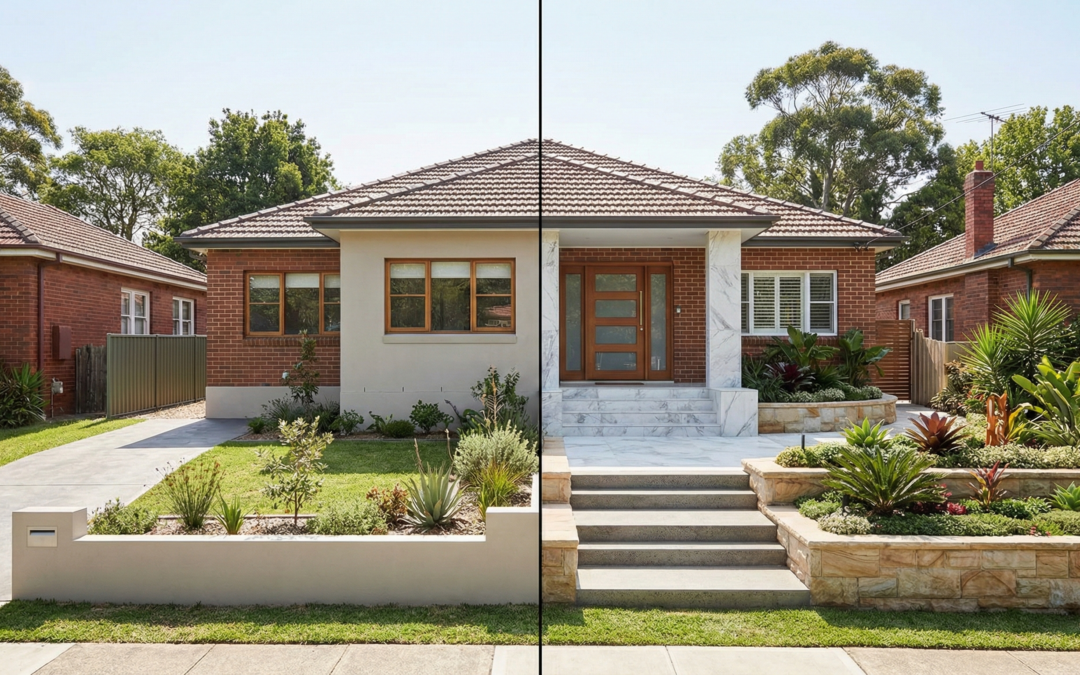
Landscaping improvement creates powerful first impressions for buyers. The front of your home sets expectations for everything inside. Curb appeal investments often deliver excellent returns.
Simple upgrades make big differences here. Fresh exterior paint transforms tired facades quickly. New fencing defines boundaries attractively. Clean gardens show pride of ownership.
Sydney buyers notice presentation immediately. They form opinions before entering your front door. Curb appeal work costs less than interior renovations. Yet it strongly influences buyer interest and offers.
DIY Wisely
DIY work saves money on simple tasks only. Painting walls and basic landscaping suit most homeowners. These projects require minimal skill and tools.
Complex work needs professional contractors always. Electrical, plumbing, and structural projects require licensed tradespeople. Mistakes in these areas cost more to fix than professional fees.
Renovation contracts with qualified professionals protect your investment. They ensure work meets Australian standards. Poor DIY attempts can actually reduce your property value.
Watch Low-Value Areas
Diminishing returns upgrades waste money on areas buyers ignore. Laundries and guest rooms rarely justify major spending. These spaces need functionality, not luxury.
Swimming pools often fail to recover their installation costs. Many Sydney buyers see pools as maintenance burdens. Consider your target market before adding this feature.
Garage conversions and unusual additions limit buyer appeal. They may suit your needs perfectly. However, they can reduce resale value for future sales.
Track Expenses
Continuous expense tracking keeps your renovation financially healthy. Record every purchase and payment immediately. This habit prevents budget surprises and overspending.
Renovation value assessment compares spending against your original plan. Regular reviews catch problems early. You can adjust before costs spiral out of control.
Capital gains calculation requires accurate expense records. Keep receipts organized for tax purposes. Good records also help when you eventually sell your property.
Long-Term View
Renovation payback period varies based on your plans for the property. Sydney homeowners must consider their timeline carefully. Short-term sellers need different strategies than long-term residents.
Market cycle timing affects renovation decisions significantly. Spending during market peaks increases overcapitalization warning signs. Patient homeowners wait for better conditions when possible.
Inflation adjusted costs change the value equation over time. Materials and labour prices continue rising. Early renovation can sometimes save money compared to waiting.
Consider Your Stay
Your planned stay length shapes appropriate renovation spending. Short-term residents should focus on resale value optimization strictly. They need quick renovation cost recovery at sale.
Long-term residents can invest more in personal comfort. They enjoy improvements for years before selling. However, they should still respect suburb price limits for protection.
PPOR overcapitalization affects owner-occupiers who overspend emotionally. Investment property renovations require stricter financial discipline. Both situations benefit from professional valuation advice before starting.
What Kind of Renovator Are You?
Different homeowners have different renovation goals and risk tolerances. Some prioritize comfort and lifestyle improvements. Others focus purely on financial returns.
PPOR owners often renovate for personal enjoyment. They want homes that suit their families perfectly. This emotional connection can lead to overspending without awareness.
Investment property owners typically maintain strict financial discipline. They calculate ROI on every decision carefully. Their approach offers lessons for all renovators.
Understanding your type helps you make better choices. Emotional renovators need extra budget controls. Financial renovators might miss valuable lifestyle improvements.
Investigate the Alternative
Selling without renovating deserves serious consideration sometimes. Your property might attract buyers in its current condition. Some purchasers prefer homes they can customize themselves.
Renovation breakeven analysis reveals whether upgrades make financial sense. Calculate your expected costs against likely value gains. The numbers sometimes favour selling as-is.
Real estate agent consultation provides honest market feedback. Agents know if your home will sell without improvements. They can estimate prices for both scenarios.
Moving to a different property offers another alternative. Sometimes buying a home that already suits you costs less. This option avoids renovation stress and uncertainty entirely.
Renovations That Add Value
Kitchen upgrades consistently deliver the strongest value impact in Sydney. Buyers prioritize kitchens when choosing homes. Modern, functional kitchens attract higher offers reliably.
Bathroom remodels rank second for renovation ROI Australia results. Clean, updated bathrooms impress buyers immediately. They signal that owners maintained the property well.
Energy-efficient upgrades like solar and insulation approach full cost recovery. Sydney buyers increasingly value sustainability features. These improvements also reduce ongoing living costs.
Outdoor entertaining areas appeal strongly to Australian lifestyles. Decks, patios, and landscaping extend living space affordably. They create emotional connections with potential buyers.
Paint refresh and flooring replacement offer excellent returns. These cosmetic upgrades transform spaces dramatically. They cost less than structural changes but create strong impressions.
Tips For How To Avoid Overcapitalisation On Property Renovations
Stay within neighbourhood value limits to protect your investment. Research your suburb price ceiling before planning any work. Never aim to create the most expensive home on your street.
Prioritize high-ROI upgrades that buyers actually want. Kitchens, bathrooms, and curb appeal deliver proven returns. Avoid luxury finishes risks that don’t recover costs.
Stick to a strict budget based on local market data. Include contingency reserves for unexpected expenses. Track every dollar spent throughout your project.
Get professional valuations before and during renovation planning. Property appraisers provide objective spending guidance. Their advice prevents emotional overspending.
Consult local real estate agents about buyer preferences. They know what sells in your specific suburb. Their insights shape target market renovations effectively.
Choose neutral, timeless designs with broad appeal. Avoid trendy or highly personal choices. Mass market appeal attracts more buyers at sale time.
Focus on essential repairs before cosmetic improvements. Structural issues and maintenance problems must come first. Buyers notice deferred maintenance and reduce offers accordingly.
Consider your timeline when planning renovation scope. Short stays require strict resale value optimization focus. Longer stays allow more personal customization within limits.
Conclusion
Avoiding over-capitalising requires research, planning, and discipline throughout your renovation journey. Sydney homeowners must understand their local market before spending money. Property valuation, comparable sales research, and real estate agent consultation provide essential guidance.
Smart renovation choices focus on high-impact improvements that buyers value. Kitchens, bathrooms, and curb appeal deliver the best returns consistently. Mid-range finishes and neutral design choices appeal to the broadest buyer pool.
Sydney Home Renovation delivers trusted solutions for homes across Sydney. We help families make budget-conscious upgrades that protect their investments. Contact us today to discuss your renovation plans with experienced professionals who understand local markets.