
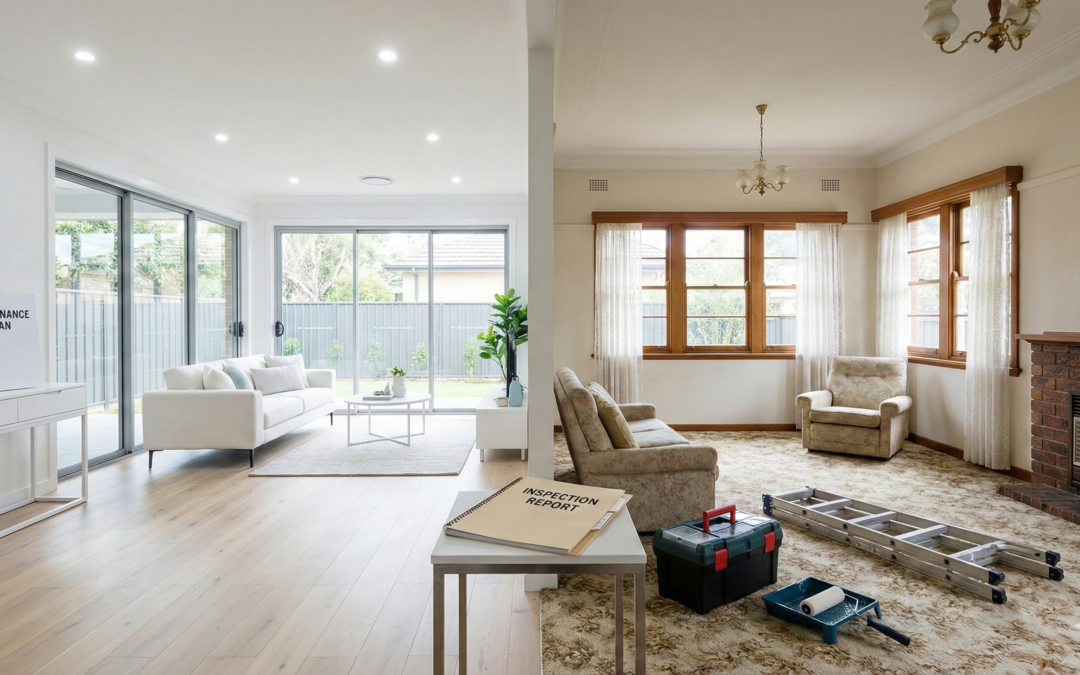
Sydney homeowners should save between 1% and 4% of their home’s value each year for repairs. This annual maintenance reserve depends on your home’s age, condition, and location. The old 1% rule often falls short for older Sydney properties.
Many Sydney families face surprise repair bills. They struggle to cover costs for roof fixes or HVAC system failures. Expert Home Renovations Contractors understand these challenges. We help Sydney homeowners plan smart home upkeep budget increase strategies.
This guide reveals proven methods to build your replacement reserve fund. You will learn three powerful budgeting systems. Sydney homeowners can protect their investment with the right savings plan.
The 1%–4% Sliding Scale Rule for Sydney, Australia — How Much Should I Save Each Year for Home Repairs?
The sliding scale rule adjusts your savings based on your home’s age. Newer homes need less money set aside. Older homes require a bigger property repair contingency fund.
Sydney property values remain high in 2024–2025. A $1.5 million home needs $15,000 to $60,000 saved yearly. This range seems wide. Your home’s specific age narrows it down.
The home age factor budget approach works well for Sydney families. It matches your savings to actual repair needs. This method beats the outdated one percent rule.
For Homes Less Than 10 Years Old
Newer Sydney homes typically need just 1% of property value saved annually. These properties have fresh plumbing pipes and modern electrical panels. The appliances still work well.
Homeowners face fewer surprise costs. The roof remains strong. The HVAC system runs smoothly. A $1.2 million home needs about $12,000 yearly.
This baseline savings covers routine painting and minor fixes. Customers can focus on preventive upkeep savings. The inspection report usually shows few problems.
For Homes 10 to 20 Years Old
Mid-age Sydney homes require 2%–3% of property value for annual repairs. The water heater may need replacement soon. The flooring shows wear.
This period brings more major system replacement costs. The windows might leak. The doors stick or squeak. Homeowners notice insulation problems.
A $1 million property needs $20,000 to $30,000 saved yearly. The appliance lifecycle savings become important now. Smart owners build their long-term repair fund.
For Homes Over 30 Years Old
Older Sydney homes may need up to 4% of property value saved each year. These properties face roof replacement savings needs. The foundation requires attention.
The electrical panel reserve becomes critical. Old plumbing pipes fail more often. The siding deteriorates faster. Customers struggle with mounting costs.
A $900,000 older home needs $36,000 yearly. This covers structural repair allowance needs. The extended home maintenance budget protects your investment.
The Square Footage (Square Metre) Rule for Sydney, Australia
The square metre rule suggests budgeting $10 per square metre annually for routine repairs. This square foot repair rule offers a simple calculation method. Sydney homeowners find it easy to use.
A 200-square-metre home needs $2,000 saved yearly. This covers basic gutter system reserve and painting cycle budget needs. The method works for average-condition homes.
Customers combine this with other methods. The tailored home budget plan uses multiple approaches. Sydney’s climate specific reserves may require adjustments. Coastal areas face coastal corrosion reserve needs.
The Component-Based Budgeting Method for Sydney Homeowners
The component-based method calculates savings by estimating replacement costs for each major system. This approach creates a precise lifecycle cost planning strategy. Sydney homeowners gain clear targets.
This method requires some homework. You list every major item. You estimate costs and lifespans. The result guides your capital expenditure savings.
Conducting a Home Audit
A thorough home audit identifies all major components needing future replacement. Homeowners walk through each room. They note the roof, HVAC system, and water heater condition.
The inspection report helps guide this process. Customers check windows, doors, and flooring. They examine gutters, fences, and the driveway.
Outside areas need attention too. The pool maintenance reserve applies to pool owners. The solar panel upkeep budget matters for solar homes. The septic system savings help rural properties.
Estimating Lifespans and Replacement Costs
Each component has an expected lifespan and replacement cost. A Sydney roof lasts about 30 years. Replacement costs around $30,000 in 2024–2025.
The HVAC upgrade budget covers systems lasting 15–20 years. Replacement runs $8,000 to $15,000. The plumbing overhaul fund addresses pipes lasting 40–50 years.
Homeowners research current Sydney prices. They note each item’s age. This creates their multi-year repair forecast. The repair schedule becomes clear.
Calculating Pro-Rated Annual Savings
Divide each replacement cost by remaining lifespan to find yearly savings needs. A $30,000 roof with 15 years left needs $2,000 yearly. This builds your roof replacement savings.
The HVAC system costing $12,000 with 10 years left needs $1,200 yearly. The window replacement reserve follows the same math. Each item gets its own target.
Customers add all amounts together. This total becomes the annual percentage guidelines target. The spreadsheet tracking reserve method keeps everything organised.
Combine and Buffer
Add a 10–20% contingency buffer to cover unexpected failures. Surprise problems happen. The emergency fund supplement handles them.
This buffer addresses termite damage budget surprises. It covers flood mitigation savings needs. Sydney’s weather creates bushfire preparation fund requirements.
The final number becomes your complete home repair savings beyond 1% target. This proactive upkeep savings approach protects Sydney families.
Factors Influencing Maintenance Costs
Multiple factors affect how much Sydney homeowners should save annually. Each property differs. Your tailored home budget plan reflects these differences.
Understanding these factors helps you budget accurately. Customers avoid under-saving. They also avoid locking up too much money.
Age and Condition
Older homes and poorly maintained properties require significantly higher annual savings. A well-kept 20-year-old home costs less than a neglected 15-year-old one. Prior maintenance habits matter greatly.
The depreciation adjustment savings increase with age. Systems wear out. Materials break down. The value preservation budget grows accordingly.
Customers who skip maintenance pay more later. Regular inspection driven savings catch problems early. Small fixes prevent big bills.
Location and Climate
Sydney’s coastal areas face higher maintenance costs from salt air and humidity. The coastal corrosion reserve addresses metal rust. Gutters and fences deteriorate faster.
Western Sydney homes face extreme heat. The HVAC system works harder. The insulation upgrade savings become important. Painting fades quicker.
Northern beaches properties need extra exterior siding budget funds. The climate specific reserves vary across Sydney regions. Location shapes your budget.
DIY Skills
Homeowners with DIY abilities can reduce their yearly maintenance budgets. Basic painting saves labour costs. Simple gutter cleaning costs nothing.
Customers who hire everything pay more. The debt free repair strategy benefits handy owners. They stretch their maintenance account further.
However, complex jobs need professionals. Electrical panel work requires licensed tradies. Plumbing pipes need expert attention. Safety comes first.
Property Type
Standalone houses require more maintenance savings than apartments with strata management. Houses cover everything themselves. The garage structure fund and driveway resurfacing reserve apply.
Apartment owners pay strata fees instead. These cover strata repair contributions for shared areas. The roof and foundation fall under strata.
Townhouses sit in between. Some costs are shared. Others remain personal. The landscaping overhaul fund may be strata-managed.
The Bottom Line for Sydney Home Repair Savings
Sydney homeowners should budget 1%–4% of property value annually based on home age and condition. This beyond one percent rule approach works better. It matches real repair needs.
Newer homes stick closer to 1%. Older homes push toward 4%. Theinflation adjusted maintenance costs rise each year. Sydney prices keep climbing.
A balanced approach combines methods. Use the sliding scale for guidance. Apply component-based planning for precision. Add buffers for safety.
How Much Should You Budget Each Year for Home Repairs?
Most Sydney homeowners should budget 2%–3% of their home’s value annually for repairs. This middle-ground approach suits average homes. It covers most major system replacement costs.
A $1 million Sydney home needs $20,000 to $30,000 yearly. This builds a solid replacement reserve fund. The money covers expected and surprise repairs.
Customers can start smaller. They build up over time. The contingency fund grows each year. Eventually, it handles any problem.
Factors That Influence How Much You Should Save Each Year
Your specific situation determines the right savings amount. Generic rules miss important details. Sydney homeowners need personalised targets.
Age and Condition of the Home
Home age directly impacts annual savings requirements. A 5-year-old home needs minimal reserves. A 40-year-old home needs maximum savings.
Condition matters equally. A renovated older home costs less. A neglected newer home costs more. The inspection report reveals the truth.
Size, Layout, and Number of High-Maintenance Features
Larger homes with more features require bigger maintenance budgets. More windows mean more potential leaks. More appliances mean more replacements.
Pool maintenance reserve adds thousands yearly. Solar panel upkeep budget costs extra. Septic tank systems need regular pumping.
Complex layouts increase costs. Multiple bathrooms mean more plumbing pipes. Large gardens need landscaping overhaul fund money.
Impact of Sydney Climate and Coastal Exposure
Sydney’s climate creates specific maintenance challenges for homeowners. Summer storms damage roofs and gutters. Humidity affects insulation and flooring.
Coastal properties face salt damage. The coastal corrosion reserve covers metal fixtures. Fences and garage doors rust faster.
Bushfire preparation fund matters in western areas. Termite barriers need regular inspection. Pest control costs add up.
Your Maintenance Habits and Risk Tolerance
Regular maintenance reduces long-term repair costs significantly. Proactive owners catch problems early. They spend less overall.
Risk tolerance affects buffer size. Cautious owners save more. They sleep better. Confident owners save less. They accept some risk.
The debt free repair strategy appeals to many. No emergency loans needed. The maintenance account handles everything.
Practical Savings Strategies
Smart strategies help Sydney homeowners build adequate repair reserves. These methods work for any budget. Customers start where they can.
Creating a 2% Annual Savings Baseline
Start by saving 2% of your home’s value each year as a baseline. This amount suits most Sydney homes. It covers routine painting, gutter cleaning, and minor fixes.
Automate the savings. Set up monthly transfers. A $1 million home needs $1,667 monthly. This builds the annual maintenance reserve steadily.
Track spending carefully. Use a spreadsheet tracking reserve system. Note every repair cost. Adjust your target as needed.
Building a Long-Term 4% Emergency Repair Buffer
Build toward a 4% emergency buffer for major unexpected repairs. This emergency fund supplement handles big surprises. Roof damage or foundation problems get covered.
Save extra when possible. Bonuses and tax returns help. The buffer grows over time. Eventually, it reaches the 4% target.
Keep this money accessible. Use a high-interest savings account. The contingency fund earns while it waits.
How Often to Reassess Your Annual Savings Amount
Reassess your savings target every year or after major repairs. Home conditions change. Prices rise. Your inflation adjusted maintenance target shifts.
After big repairs, recalculate. The roof replacement savings target drops after a new roof. Other items move up the priority list.
Annual reviews keep you on track. Check your repair schedule yearly. Update your multi-year repair forecast regularly.
Conclusion
Sydney homeowners face real challenges with home repair costs. The old 1% rule rarely covers actual needs. A flexible 1%–4% approach based on home age works much better. Component-based budgeting and climate specific reserves create accurate targets.
Sydney Home Renovation serves as your trusted partner for all repair and renovation needs. We understand Sydney’s unique climate challenges. Our team helps homeowners protect their property investment. We deliver quality work at fair prices.
Contact Sydney Home Renovation today for a free consultation. We assess your home’s condition honestly. Our experts create realistic maintenance plans. Let us help you protect your Sydney home for years to come.