
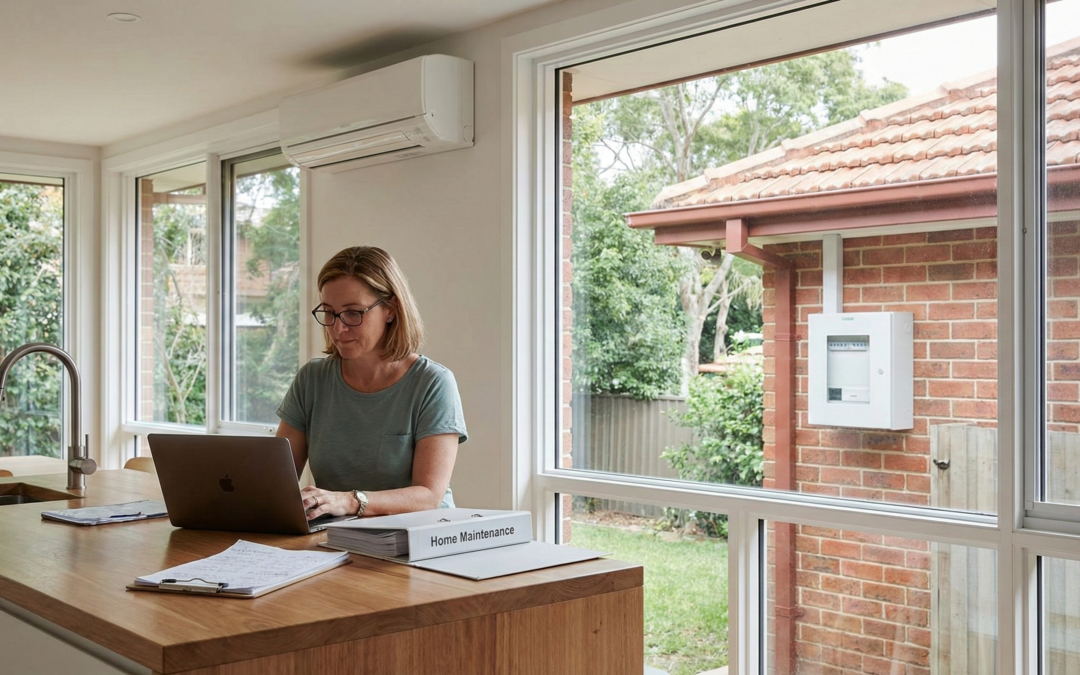
Most financial experts recommend setting aside 1-3% of your home’s value annually for repairs and maintenance. For a Sydney property valued at $1.2 million, that translates to $12,000-$36,000 per year—a figure that catches many homeowners off guard but reflects the true cost of property ownership.
Understanding your home repair budget isn’t just about avoiding financial stress when your hot water system fails at midnight. It’s about protecting your investment, maintaining property value, and ensuring you’re never forced into costly emergency financing or deferred maintenance that compounds into major structural issues.
This guide breaks down exactly how much you should save, what factors influence your specific budget, common repair costs in Sydney, and practical strategies to build your home maintenance fund without straining your household finances.
Understanding the Home Repair Budget Rule
The foundation of home repair budgeting starts with understanding industry-standard guidelines that have proven reliable across decades of property ownership data.
The 1% Rule Explained
The 1% rule suggests homeowners should budget approximately 1% of their property’s purchase price or current market value annually for maintenance and repairs. This baseline calculation provides a starting framework, though Sydney’s property market often demands adjustments.
For a home valued at $1.5 million, the 1% rule indicates a $15,000 annual repair fund. This covers routine maintenance like gutter cleaning, minor plumbing fixes, and appliance servicing, while building reserves for larger inevitable expenses.
When to Apply the 2-3% Rule
Older properties, homes with complex systems, or houses in harsh environmental conditions typically require the higher 2-3% allocation. Properties built before 1980 often have ageing electrical systems, original plumbing, and roofing approaching end-of-life—all demanding larger financial reserves.
Heritage homes, properties with pools, or houses featuring extensive landscaping and irrigation systems fall into this higher category. The additional percentage accounts for specialised maintenance requirements and the premium costs associated with period-appropriate repairs.
Square Metre Calculation Method
An alternative approach calculates repair budgets based on floor area rather than property value. Australian property maintenance typically costs $10-$30 per square metre annually, depending on home age and condition.
A 200-square-metre home would require $2,000-$6,000 annually using this method. This calculation often proves more accurate for properties where land value significantly inflates the overall price, as land doesn’t require the same maintenance investment as built structures.
Factors That Influence Your Home Repair Budget
Your specific repair budget depends on multiple variables unique to your property and circumstances. Understanding these factors helps you calibrate expectations accurately.
Property Age and Construction Quality
Homes under 10 years old typically require minimal repairs, often staying well under the 1% threshold. Builder warranties may still cover structural elements, and modern materials require less frequent attention.
Properties aged 10-25 years enter the replacement cycle for major components. Hot water systems, air conditioning units, and roofing materials begin requiring attention. Budget allocations should increase to 1.5-2% during this period.
Homes exceeding 25 years demand the full 2-3% allocation. Original fixtures, wiring, and plumbing approach or exceed their expected lifespan, creating compounding maintenance requirements.
Sydney Climate Considerations
Sydney’s coastal humidity accelerates deterioration of timber elements, metal fixtures, and exterior paintwork. Properties within 5 kilometres of the ocean face salt air corrosion, requiring more frequent maintenance of gutters, window frames, and outdoor fixtures.
Western Sydney’s temperature extremes—hot summers and cold winters—stress building materials differently. Expansion and contraction cycles affect roofing, concrete, and sealants, while intense UV exposure degrades exterior surfaces faster than in temperate climates.
Previous Maintenance History
Properties with documented, consistent maintenance histories typically require lower ongoing budgets. Regular servicing extends component lifespans and identifies issues before they escalate.
Homes with deferred maintenance or unknown service histories demand larger initial reserves. Catch-up repairs often reveal interconnected issues—a leaking roof may have caused ceiling damage, mould growth, and electrical concerns requiring simultaneous attention
Common Home Repair Costs in Sydney
Understanding typical repair costs helps you anticipate expenses and recognise fair pricing when obtaining quotes.
Plumbing Repairs
| Repair Type | Typical Cost Range |
| Blocked drain clearing | $150-$400 |
| Tap replacement | $180-$350 |
| Toilet repair/replacement | $250-$800 |
| Hot water system replacement | $1,500-$3,500 |
| Pipe leak repair | $200-$600 |
| Full bathroom re-plumb | $5,000-$15,000 |
Emergency plumbing callouts attract premiums of 50-100% above standard rates. Building relationships with reliable tradespeople and addressing issues promptly during business hours significantly reduces lifetime plumbing costs.
Electrical Work
Licensed electricians in Sydney typically charge $80-$120 per hour, with minimum callout fees of $150-$250. Common electrical repairs include:
Switchboard upgrades range from $1,500-$4,000, often becoming necessary when adding air conditioning or electric vehicle charging. Safety switch installation costs $200-$400 per circuit—a worthwhile investment given the life-saving protection provided.
Rewiring older homes represents a major expense, typically $10,000-$30,000 depending on property size and accessibility. This work often coincides with renovation projects where walls are already opened.
Roofing and Gutters
Roof repairs vary dramatically based on material and damage extent. Tile replacement costs $50-$150 per tile including labour, while metal roof repairs range from $300-$1,500 for patch work.
Complete roof replacement represents one of homeownership’s largest expenses:
- Colorbond roofing: $15,000-$35,000
- Tile roofing: $20,000-$50,000
- Slate roofing: $40,000-$80,000
Gutter cleaning costs $200-$500 annually for most Sydney homes. Gutter guard installation ($2,000-$5,000) reduces ongoing cleaning requirements, particularly valuable for properties surrounded by trees.
HVAC Systems
Air conditioning servicing costs $150-$300 annually and extends system lifespan significantly. Refrigerant top-ups, filter replacements, and coil cleaning maintain efficiency and prevent costly breakdowns.
Split system replacement ranges from $2,500-$6,000 per unit installed. Ducted system replacement or major repairs typically cost $8,000-$20,000, making regular servicing particularly cost-effective for these systems.
Building Your Home Repair Emergency Fund
Strategic fund-building ensures you’re prepared for inevitable repairs without financial strain.
Setting Your Target Amount
Calculate your annual budget using the appropriate percentage rule, then aim to accumulate 2-3 years’ worth as your emergency reserve. This buffer accounts for years when multiple major systems require attention simultaneously.
For a $1.2 million Sydney home using the 1.5% rule ($18,000 annually), target a $36,000-$54,000 emergency fund. This amount covers most major single repairs and provides breathing room for unexpected combinations.
Practical Saving Strategies
Automate monthly transfers to a dedicated high-interest savings account. Treating repair savings as a non-negotiable expense—like rates or insurance—ensures consistent fund growth.
Direct windfalls strategically: tax refunds, work bonuses, or inheritance portions can accelerate fund building without impacting regular cash flow. Even allocating 50% of unexpected income to repairs creates meaningful progress.
Consider the timing of major purchases. Replacing a functioning but ageing hot water system during a planned renovation often costs less than emergency replacement, while allowing you to budget and shop for better pricing.
Separate Account Benefits
Maintaining a dedicated repair fund separate from general savings provides psychological and practical advantages. The earmarked money feels less available for discretionary spending, while clear balances help you make informed decisions about repair timing.
High-interest savings accounts or offset accounts linked to your mortgage maximise the value of these funds while maintaining accessibility for genuine emergencies.
Prioritising Home Repairs
Not all repairs demand immediate attention. Understanding priority levels helps you allocate limited funds effectively.
Urgent Safety Repairs
Electrical hazards, gas leaks, structural damage, and water ingress affecting electrical systems require immediate professional attention regardless of budget constraints. These issues pose direct safety risks and often worsen rapidly.
Roof leaks during wet weather, non-functioning smoke detectors, and compromised balustrades fall into this category. Delaying these repairs risks personal injury, insurance complications, and exponentially increasing repair costs.
Important Maintenance Items
Water damage from slow leaks, deteriorating weatherproofing, and failing appliances warrant prompt attention within days or weeks. While not immediately dangerous, these issues compound quickly.
A small roof leak causing $500 in repairs becomes a $15,000 ceiling replacement and mould remediation project within months. Addressing important maintenance promptly represents sound financial management.
Scheduled Replacements
Major components with predictable lifespans allow planned replacement before failure. Hot water systems (10-15 years), air conditioners (15-20 years), and roofing (25-50 years depending on material) can be budgeted and scheduled.
Proactive replacement during sales periods, combined with the ability to obtain multiple quotes, typically saves 20-30% compared to emergency replacement pricing.
Reducing Long-Term Repair Costs
Strategic decisions and consistent maintenance significantly reduce lifetime repair expenses.
Preventive Maintenance Schedule
Establishing and following a maintenance calendar prevents small issues from becoming major repairs. Key annual tasks include:
Quarterly: Test smoke detectors, check for visible leaks, clean range hood filters Bi-annually: Service air conditioning, inspect roof from ground level, clean gutters Annually: Professional pest inspection, hot water system service, exterior paint inspection
This proactive approach typically costs $1,000-$2,000 annually but prevents $5,000-$15,000 in reactive repairs over a five-year period.
Quality Over Economy
Choosing quality materials and reputable tradespeople for repairs reduces frequency of repeat work. A premium tap fitting lasting 15 years costs less over time than budget hardware requiring replacement every 3-4 years.
Licensed, insured tradespeople provide warranty coverage and accountability. The cheapest quote often reflects corners cut on materials, workmanship, or compliance—false economies that create larger future expenses.
Home Warranty and Insurance Considerations
Review your home insurance policy annually to understand coverage limits and exclusions. Many policies exclude gradual deterioration, maintenance-related issues, and pre-existing conditions.
Some homeowners benefit from home warranty products covering appliance and system breakdowns. Evaluate these products carefully—the cost-benefit analysis depends on your property’s age, your emergency fund status, and the specific coverage terms.
When to DIY vs. Hire Professionals
Understanding the boundary between appropriate DIY tasks and professional work protects both your safety and your budget.
Safe DIY Projects
Painting, basic landscaping, gutter cleaning (single-storey homes), tap washer replacement, and minor timber repairs suit capable homeowners. These tasks require minimal specialised tools and pose limited safety risks.
YouTube tutorials and hardware store advice support successful DIY outcomes for these projects. The key is honest self-assessment—attempting work beyond your skill level often creates larger problems requiring professional correction.
Always Hire Licensed Professionals
Australian law requires licensed professionals for electrical work, gas fitting, plumbing (beyond basic maintenance), and structural modifications. Beyond legal requirements, these trades involve genuine safety risks and complex compliance requirements.
Waterproofing, asbestos handling, and work affecting load-bearing elements demand professional expertise. The cost of professional work includes insurance coverage, warranty protection, and compliance certification—value that DIY approaches cannot replicate.
The Hidden Cost of DIY Mistakes
Failed DIY repairs often cost more to correct than professional work would have initially. Incorrectly installed fixtures, inadequate waterproofing, and non-compliant modifications create compounding problems.
Insurance claims may be denied for damage resulting from unlicensed work. Resale complications arise when building inspections reveal non-compliant modifications requiring rectification before settlement.
Creating Your Personalised Repair Budget
Developing a budget specific to your property and circumstances provides the most accurate planning foundation.
Property Assessment Checklist
Walk through your property systematically, noting:
- Age and condition of major systems (roof, plumbing, electrical)
- Recent repairs and their quality
- Visible maintenance issues requiring attention
- Components approaching end-of-life
This assessment, ideally supplemented by a professional building inspection, identifies your property’s specific vulnerabilities and likely near-term expenses.
Budget Calculation Worksheet
Step 1: Determine property value: $__________
Step 2: Select appropriate percentage based on age/condition:
- Under 10 years: 1%
- 10-25 years: 1.5%
- Over 25 years: 2-3%
Step 3: Calculate annual budget: $__________
Step 4: Identify known upcoming expenses: $__________
Step 5: Set emergency fund target (2-3x annual): $__________
Adjusting for Your Circumstances
Your personal risk tolerance, access to credit, and income stability influence appropriate fund levels. Homeowners with stable employment and available credit lines might maintain smaller cash reserves, while self-employed individuals or those approaching retirement benefit from larger buffers.
Consider your property’s role in your financial plan. Investment properties generating rental income can often fund repairs from that income stream, while your primary residence requires dedicated savings allocation.
Conclusion
Building an adequate home repair fund requires understanding your property’s specific needs, typical repair costs in Sydney, and strategic saving approaches. The 1-3% rule provides a reliable starting framework, adjusted for your home’s age, condition, and complexity.
At Sydney Home Renovation, we help homeowners understand realistic repair and renovation costs through transparent quoting and honest assessments. Our experience across hundreds of Sydney properties informs practical budgeting advice grounded in actual market pricing.
Contact our team for a comprehensive property assessment or detailed quote on planned repairs. We’ll help you prioritise work, understand true costs, and make informed decisions about maintaining and improving your home.
Frequently Asked Questions
How much should I save each month for home repairs?
Divide your annual repair budget by 12 for your monthly savings target. For a home requiring $15,000 annually, save $1,250 monthly. Automating this transfer ensures consistent fund growth regardless of competing spending priorities.
Is the 1% rule enough for older Sydney homes?
Generally, no. Homes over 25 years old typically require 2-3% of property value annually. Older properties have more components approaching replacement age, and Sydney’s climate accelerates deterioration of roofing, timber, and exterior finishes.
Should I use my emergency fund or home equity for major repairs?
Use dedicated repair savings first, preserving general emergency funds for income disruption or medical expenses. Home equity access suits major renovations adding value, but routine repairs shouldn’t increase your debt burden when avoidable.
What home repairs should I prioritise with limited funds?
Address safety issues first—electrical hazards, structural concerns, and water ingress affecting electrical systems. Next, tackle water damage and weatherproofing to prevent escalation. Cosmetic repairs and upgrades can wait until funds allow.
How do I know if a repair quote is fair?
Obtain three quotes from licensed tradespeople for comparison. Significant variation suggests either scope differences or pricing outliers. Check licenses, insurance, and reviews before selecting based on price alone.
Can I claim home repairs on tax?
Owner-occupiers generally cannot claim repair costs. Investment property owners can claim repairs as deductions in the year incurred, while improvements must be depreciated over time. Consult your accountant for specific guidance.
What’s the difference between repairs and maintenance for budgeting?
Maintenance includes routine servicing preventing deterioration—gutter cleaning, air conditioning servicing, and pest treatments. Repairs fix existing damage or failure. Both require budget allocation, but maintenance reduces long-term repair frequency and cost.