
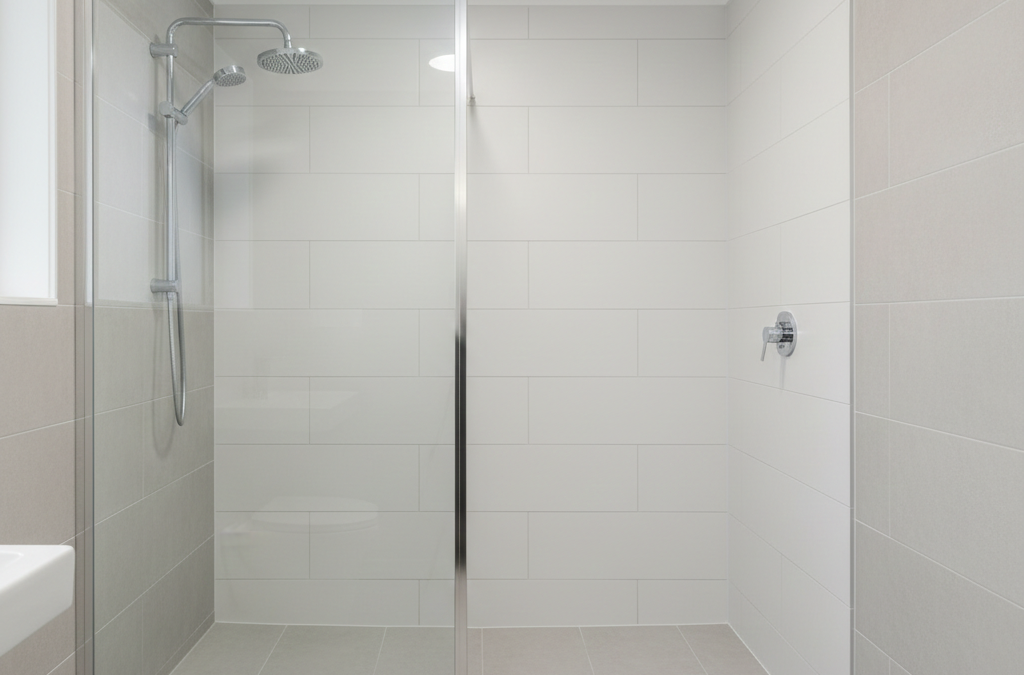
In Sydney, plumbers typically charge between $1,500 and $4,500 to fit a standard shower, with labour costs ranging from $80 to $150 per hour depending on complexity, fixture quality, and existing plumbing conditions. Premium installations with custom tilework, frameless screens, and high-end mixers can exceed $8,000, while basic replacements in straightforward layouts may cost as little as $1,200.
Understanding these costs upfront helps you budget realistically, avoid unexpected expenses, and make informed decisions about fixture selection, waterproofing standards, and project scope. Whether you’re replacing an old shower or installing one from scratch, knowing what drives pricing gives you control over your renovation spend.
This guide breaks down labour rates, material allowances, hidden costs, and practical strategies to help you plan, prioritise, and complete your shower installation on budget while ensuring quality workmanship and long-term value.
Average Cost to Install a Shower in Sydney
Shower installation costs in Sydney vary significantly based on project scope, fixture selection, and site conditions. Understanding typical price ranges helps you set realistic budgets and identify quotes that align with market standards.
Standard Shower Installation Costs
A standard shower installation in Sydney—including a basic acrylic or fibreglass shower base, semi-frameless screen, chrome mixer tap, and standard showerhead—typically costs $2,000 to $3,500. This assumes existing plumbing is in good condition, minimal wall preparation is required, and waterproofing meets current Australian Standards.
Labour accounts for approximately 40-50% of total costs, with plumbers charging $80 to $120 per hour for straightforward installations. A standard job usually takes 8 to 12 hours, including rough-in work, fixture installation, waterproofing, and final connections. Materials and fixtures make up the remaining cost, with mid-range shower bases starting at $300, screens from $400, and mixer sets from $200.
Most quotes include basic waterproofing membrane application, waste connection, and pressure testing. However, tiling, electrical work for exhaust fans, and structural modifications are typically quoted separately.
Premium and Custom Shower Installations
Premium shower installations featuring frameless glass screens, stone or tiled shower bases, thermostatic mixers, rain showerheads, and body jets range from $5,000 to $12,000. Custom designs with floor-to-ceiling tiles, niche shelving, linear drains, and designer fixtures can exceed $15,000 when including high-end materials and specialised labour.
Labour costs increase for premium installations due to precision requirements, longer installation times, and specialised skills. Expect $100 to $150 per hour for experienced plumbers handling complex valve systems, multiple water outlets, and custom configurations. Installation time extends to 15 to 25 hours for intricate setups.
Frameless glass screens alone cost $1,200 to $3,000 depending on size and glass thickness. Thermostatic mixers with multiple outlets start at $800, while high-end European brands can exceed $2,500. Stone shower bases range from $600 to $2,000, and custom tiled bases require additional waterproofing and tiling labour.
Budget vs Mid-Range vs High-End Breakdown
Budget installations ($1,200 to $2,000) suit basic replacements where existing plumbing is sound and minimal changes are needed. These typically include acrylic shower bases, framed screens, basic chrome fixtures, and standard showerheads. Labour is minimised by using existing plumbing locations and straightforward configurations.
Mid-range installations ($2,500 to $5,000) offer better fixture quality, semi-frameless screens, dual-function showerheads, and improved waterproofing standards. This range allows for minor plumbing modifications, better material selections, and more durable finishes that balance cost with longevity.
High-end installations ($6,000 to $15,000+) deliver premium materials, custom designs, advanced water delivery systems, and superior finishes. These projects justify higher costs through enhanced functionality, aesthetic appeal, and long-term property value. They typically include extensive tiling, multiple water outlets, designer fixtures, and meticulous attention to detail.
What’s Included in a Plumber’s Shower Installation Quote
Understanding what plumbers include in their quotes helps you compare estimates accurately and identify potential gaps that could lead to cost overruns. Comprehensive quotes break down labour, materials, and specific tasks to provide transparency.
Labour Costs and Hourly Rates
Plumber labour rates in Sydney range from $80 to $150 per hour depending on experience, licensing, and job complexity. Licensed plumbers with extensive bathroom renovation experience typically charge $100 to $130 per hour, while master plumbers or specialists in custom installations may charge $130 to $150 per hour.
Standard shower installations require 8 to 12 hours of plumbing labour, covering rough-in work, fixture installation, waterproofing, pressure testing, and final adjustments. Complex installations with multiple outlets, thermostatic valves, or significant plumbing modifications can extend to 15 to 25 hours.
Most plumbers quote fixed prices for standard installations rather than hourly rates, providing cost certainty. Fixed-price quotes typically range from $1,500 to $2,500 for labour alone on straightforward jobs. However, hourly rates apply when unexpected issues arise, such as corroded pipes, non-compliant plumbing, or structural problems requiring additional work.
Materials and Fixtures Supply
Plumbers typically offer two pricing approaches: supply and install (plumber sources all materials) or labour-only (you supply fixtures). Supply and install quotes include 10-20% markup on materials, covering procurement, warranty management, and compatibility assurance.
Standard material packages include shower bases ($300 to $800), mixer taps ($200 to $600), showerheads ($80 to $300), shower screens ($400 to $1,500), and waste assemblies ($50 to $150). Mid-range fixtures from reputable brands like Caroma, Methven, or Dorf balance quality and cost.
Premium material packages feature frameless screens ($1,200 to $3,000), thermostatic mixers ($800 to $2,500), rain showerheads ($300 to $800), and stone or custom bases ($600 to $2,000). High-end European brands like Grohe, Hansgrohe, or Axor command premium prices but offer superior performance and longevity.
Supplying your own fixtures can reduce costs by 10-15% but transfers compatibility risk and warranty responsibility to you. Plumbers may charge additional labour if supplied fixtures require modifications or create installation complications.
Plumbing Modifications and Rough-In Work
Rough-in work involves installing or modifying water supply lines, drainage pipes, and valve assemblies before final fixture installation. Standard rough-in costs are typically included in base quotes when existing plumbing is accessible and compliant.
Relocating shower positions requires new supply lines and drainage, adding $500 to $1,500 depending on distance and accessibility. Moving plumbing within the same wall cavity costs less than routing pipes across rooms or through concrete slabs.
Upgrading old galvanised or copper pipes to modern PEX or copper systems adds $300 to $800 for a typical shower installation. This work prevents future leaks and ensures compatibility with modern fixtures. Pressure balancing or thermostatic valve installations require additional rough-in work, adding $200 to $500 to standard quotes.
Concrete slab penetrations for new drainage cost $400 to $1,000 depending on slab thickness and access. This includes core drilling, pipe installation, and proper sealing to prevent water ingress.
Waterproofing and Compliance Requirements
Waterproofing is mandatory under Australian Standards AS 3740 and must be performed by licensed waterproofers or plumbers with waterproofing certification. Standard waterproofing for shower areas costs $400 to $800, covering membrane application to walls (minimum 1,800mm height) and floors, with proper detailing around penetrations.
Comprehensive quotes specify waterproofing scope, including membrane type (sheet or liquid), coverage area, and compliance certification. Reputable plumbers provide waterproofing certificates upon completion, essential for insurance and future sale.
Hob or step-down showers require additional waterproofing to the hob structure, adding $150 to $300. Floor waste surrounds need proper grading and membrane detailing to prevent water pooling and ensure effective drainage.
Compliance costs include building permits ($150 to $300 where required), plumbing compliance certificates ($100 to $200), and final inspections. These ensure work meets Building Code of Australia requirements and protects your investment.
Factors That Affect Shower Installation Costs
Multiple variables influence final shower installation costs. Understanding these factors helps you anticipate expenses and make informed decisions about design, materials, and project scope.
Shower Type and Configuration
Over-bath showers are the most economical option, costing $800 to $1,500 for basic installations since they use existing bath plumbing and require only screen installation and mixer upgrades. However, they limit design flexibility and may not suit all bathroom layouts.
Corner showers with neo-angle or quadrant configurations cost $2,000 to $4,000, requiring custom screens and careful waterproofing at multiple wall junctions. These maximise space efficiency in smaller bathrooms but involve more complex installation.
Walk-in or frameless showers range from $3,500 to $8,000, featuring open designs with minimal enclosure and premium glass panels. These require precise floor grading, linear drains, and extensive waterproofing to prevent water escape.
Steam showers with enclosed ceilings, steam generators, and sealed enclosures cost $6,000 to $15,000, requiring specialised waterproofing, electrical work, and ventilation systems. These deliver spa-like experiences but significantly increase complexity and cost.
Existing Plumbing and Bathroom Layout
Bathrooms with accessible plumbing in stud walls allow straightforward installations with minimal cost impact. Plumbing concealed in concrete walls or slabs requires cutting, core drilling, and patching, adding $500 to $1,500 to standard quotes.
Replacing showers in the same location with compatible plumbing minimises costs. Relocating showers to different walls or corners requires new supply lines and drainage, increasing costs by $800 to $2,500 depending on distance and obstacles.
Older homes with outdated plumbing systems may need pipe upgrades to meet current standards and support modern fixtures. Replacing corroded galvanised pipes or undersized supply lines adds $400 to $1,200 but prevents future failures.
Multi-storey homes with showers on upper floors may incur additional costs for accessing plumbing through ceilings or walls below, adding $300 to $800 for access, repair, and finishing.
Wall and Floor Preparation Requirements
Smooth, sound walls ready for tiling or screen installation keep costs low. Damaged plasterboard, uneven surfaces, or moisture-affected walls require repair or replacement, adding $300 to $1,000 depending on extent.
Concrete or brick walls need proper preparation, including waterproof render or cement sheeting installation, adding $400 to $1,200. Timber-framed walls may require additional bracing or moisture-resistant lining to support heavy screens or tiles.
Floor preparation includes ensuring proper falls (minimum 1:100 gradient) toward drains. Uneven floors require levelling compounds or screed, adding $300 to $800. Timber floors need reinforcement and waterproof membranes, increasing costs by $500 to $1,500.
Removing old tiles, adhesive, and waterproofing membranes adds $200 to $600 in labour. Asbestos-containing materials require licensed removal, significantly increasing costs by $1,000 to $3,000 depending on extent.
Fixture Quality and Brand Selection
Entry-level fixtures from budget brands cost $500 to $1,000 for complete shower packages (base, screen, mixer, showerhead). These suit rental properties or tight budgets but may lack durability and warranty support.
Mid-range fixtures from established Australian brands like Caroma, Methven, or Dorf cost $1,200 to $2,500, offering better build quality, longer warranties (5-10 years), and reliable performance. These represent the best value for most homeowners.
Premium European brands like Grohe, Hansgrohe, Axor, or Vola cost $3,000 to $8,000, delivering superior design, advanced features (thermostatic control, water-saving technology), and exceptional longevity. These suit high-end renovations focused on luxury and long-term value.
Custom or designer fixtures can exceed $10,000, featuring unique finishes (brushed brass, matte black, rose gold), bespoke designs, and exclusive features. These appeal to design-focused renovators seeking statement pieces.
Access and Site Conditions
Ground-floor bathrooms with easy access keep costs standard. Upper-floor or difficult-access locations may incur additional charges for material handling, equipment transport, and extended work time, adding $200 to $500.
Tight spaces or small bathrooms limit working room, potentially extending installation time and increasing labour costs by 10-20%. Plumbers may need specialised tools or modified techniques to work in confined areas.
Heritage or character homes with unique construction, irregular wall angles, or non-standard dimensions require custom solutions and careful workmanship, adding $500 to $1,500 to standard quotes.
Occupied homes where work must occur around residents’ schedules may incur premium rates for after-hours or weekend work, increasing labour costs by 20-30%.
Breakdown of Shower Installation Components
Understanding individual component costs helps you prioritise spending and identify where budget adjustments can be made without compromising quality or functionality.
Shower Base or Tray Installation
Acrylic or fibreglass shower bases cost $300 to $800 and offer lightweight, economical solutions suitable for most installations. These come in standard sizes (900mm, 1000mm, 1200mm square or rectangular) and install quickly on properly prepared floors.
Stone resin or composite bases cost $600 to $1,500, providing superior durability, modern aesthetics, and low-profile designs. These require precise levelling and support but deliver premium appearance and longevity.
Custom tiled shower bases cost $800 to $2,500 including waterproofing, screed, tiling, and grout. These allow complete design flexibility, seamless integration with floor tiles, and personalised sizing but require skilled labour and extended installation time.
Installation labour for pre-formed bases costs $300 to $600, covering levelling, waste connection, waterproofing integration, and sealing. Custom tiled bases require $800 to $1,500 in additional labour for screed work, membrane application, and tiling.
Shower Screen and Enclosure Fitting
Framed screens with aluminium frames and standard glass cost $400 to $800, offering economical enclosure with adequate water containment. These suit budget renovations but have a more dated appearance.
Semi-frameless screens with minimal framing and thicker glass (6mm) cost $600 to $1,200, balancing modern aesthetics with affordability. These provide cleaner lines while maintaining structural support.
Frameless screens with 10mm toughened glass and minimal hardware cost $1,200 to $3,000, delivering premium appearance, easier cleaning, and enhanced bathroom aesthetics. These require precise measurement and professional installation.
Installation labour for screens costs $300 to $600 for standard sizes and configurations. Custom screens, curved glass, or complex layouts increase labour to $600 to $1,200 due to precision requirements and extended fitting time.
Mixer Tap and Valve Installation
Standard single-lever mixers cost $200 to $400 and provide basic temperature and flow control. These suit budget installations and offer reliable performance with straightforward installation.
Dual-control mixers with separate hot and cold handles cost $250 to $500, offering traditional styling and precise temperature adjustment. These require slightly more installation time due to dual valve configuration.
Thermostatic mixers with temperature limiting and pressure balancing cost $800 to $2,500, preventing scalding and maintaining consistent temperature despite pressure fluctuations. These suit families with children or elderly residents and comply with safety standards.
Installation labour for standard mixers costs $200 to $400, including valve installation, wall penetration, waterproofing integration, and final fitting. Thermostatic systems require $400 to $800 due to complex valve installation and calibration requirements.
Showerhead and Rail System Setup
Basic fixed showerheads cost $80 to $200 and provide straightforward functionality with minimal installation requirements. These suit budget renovations or rental properties.
Dual-function rail showers with adjustable handsets and overhead roses cost $200 to $500, offering flexibility and enhanced showering experience. These require additional plumbing for dual outlets.
Rain showerheads with large diameter (250mm to 400mm) and ceiling or wall mounting cost $300 to $800, delivering luxurious water coverage and modern aesthetics. These may require ceiling reinforcement and extended supply lines.
Multi-function systems with body jets, handsets, and overhead roses cost $800 to $2,500, providing spa-like experiences with multiple water delivery points. These require complex plumbing, additional valves, and increased water pressure.
Installation labour for basic showerheads costs $100 to $200. Multi-function systems require $400 to $800 for additional plumbing, valve installation, and system balancing.
Drainage and Waste Connection
Standard centre drains with chrome grates cost $50 to $150 and provide reliable drainage for most shower configurations. Installation labour costs $150 to $300, including waste pipe connection, trap installation, and sealing.
Linear drains with stainless steel grates cost $200 to $600 and enable low-profile shower bases and walk-in designs. These require precise floor grading and extended waterproofing, adding $300 to $600 in installation labour.
Tile-insert drains that accept floor tiles for seamless appearance cost $150 to $400, offering aesthetic integration with tiled floors. Installation requires careful tile cutting and grout detailing, adding $200 to $400 in labour.
Drainage modifications to relocate waste positions cost $400 to $1,200 depending on distance and floor construction. Concrete slab penetrations require core drilling and proper sealing, while timber floors need joist modifications and support.
Additional Costs to Consider
Beyond base installation costs, several additional expenses commonly arise during shower installations. Anticipating these helps prevent budget overruns and ensures comprehensive project planning.
Removal of Existing Shower or Bath
Removing old showers costs $200 to $500, including demolition, waste disposal, and site cleanup. Fibreglass or acrylic units remove quickly, while tiled showers require more labour for tile removal and substrate preparation.
Bath removal costs $300 to $700, particularly for cast iron or steel baths requiring careful extraction to prevent floor damage. Disposal fees for heavy baths add $100 to $200.
Asbestos-containing materials in older bathrooms require licensed removal, costing $1,000 to $3,000 depending on extent. This includes testing, containment, removal, and certified disposal. Never attempt DIY removal of suspected asbestos materials.
Wall and floor repairs after removal add $300 to $1,000 depending on damage extent. Removing tiled showers often damages plasterboard or cement sheeting, requiring replacement before new installation.
Tiling and Waterproofing
Full shower tiling costs $80 to $150 per square metre for standard ceramic tiles, including waterproofing, adhesive, tiles, grout, and labour. A typical shower enclosure (2.1m high, 1.2m wide, three walls) requires approximately 7-8 square metres, totaling $560 to $1,200.
Premium tiles (porcelain, natural stone, large format) cost $120 to $250 per square metre, increasing total tiling costs to $840 to $2,000 for standard shower enclosures.
Feature walls with mosaic tiles, decorative borders, or contrasting materials add $200 to $800 depending on complexity and tile cost. Niche shelving requires additional waterproofing and tiling, adding $150 to $400 per niche.
Floor tiling costs $60 to $120 per square metre, with shower floors requiring precise grading and slip-resistant tiles. A 1.2m x 1.2m shower floor costs $85 to $170 for tiling alone.
Electrical Work for Heated Towel Rails or Lighting
Installing heated towel rails requires electrical connections, costing $200 to $400 for standard installations. Hardwired models need dedicated circuits and may require switchboard upgrades, adding $300 to $600.
Exhaust fan installation or upgrades cost $250 to $600, including fan unit, ducting, electrical connection, and wall or ceiling penetration. Adequate ventilation prevents moisture damage and mould growth.
Recessed shower lighting requires waterproof-rated fixtures (IP65 or higher), costing $150 to $400 per light including installation. Transformer installation for low-voltage lighting adds $150 to $300.
Electrical work must be performed by licensed electricians, with typical rates of $80 to $120 per hour. Simple installations take 2-3 hours, while complex lighting or multiple fixtures extend to 4-6 hours.
Building Permits and Compliance Certificates
Building permits for bathroom renovations cost $150 to $300 depending on local council requirements and project scope. Minor renovations replacing existing fixtures may not require permits, while structural changes or new installations typically do.
Plumbing compliance certificates cost $100 to $200 and confirm work meets Australian Standards and Building Code requirements. Licensed plumbers issue these upon completion, essential for insurance and property sales.
Waterproofing certificates cost $100 to $150 and verify membrane installation meets AS 3740 standards. These provide legal protection and peace of mind regarding water damage prevention.
Electrical compliance certificates for new circuits or lighting cost $80 to $150, confirming safe installation and code compliance.
Unexpected Plumbing Repairs
Corroded or damaged pipes discovered during installation require replacement, costing $300 to $1,000 depending on extent and accessibility. Older homes commonly have deteriorated galvanised pipes needing upgrade.
Non-compliant plumbing requiring rectification adds $400 to $1,500. This includes undersized pipes, improper venting, or inadequate pressure balancing that must be corrected to meet current standards.
Water pressure issues requiring pressure-limiting valves or booster pumps cost $400 to $1,200. Modern thermostatic mixers require minimum pressure (typically 150kPa) to function correctly.
Structural repairs for water-damaged timber framing, rotted floor joists, or compromised wall studs cost $500 to $2,000 depending on extent. These issues commonly emerge when removing old showers in poorly maintained bathrooms.
How to Get Accurate Quotes from Plumbers
Obtaining detailed, comparable quotes ensures you understand true project costs and select qualified professionals who deliver value and quality workmanship.
What Information to Provide
Provide plumbers with comprehensive project details including shower type (corner, walk-in, over-bath), desired fixtures (mixer type, showerhead style, screen preference), and any specific requirements (thermostatic control, multiple outlets, custom sizing).
Share bathroom dimensions, photos of existing conditions, and information about current plumbing configuration. This helps plumbers assess complexity and identify potential challenges before quoting.
Specify your budget range honestly. This allows plumbers to recommend solutions that align with your financial parameters and avoid proposing options beyond your means.
Indicate your timeline and any constraints (occupied home, specific completion date, staged work). This helps plumbers schedule appropriately and factor in any premium charges for expedited work.
Clarify what you’ll supply versus what you expect the plumber to source. This prevents confusion about material costs and ensures quotes reflect actual scope.
Comparing Multiple Quotes Effectively
Obtain at least three quotes from licensed plumbers with bathroom renovation experience. This provides market rate context and reveals pricing variations.
Compare quotes line-by-line, ensuring each includes the same scope: labour hours, materials, waterproofing, compliance certificates, and warranty terms. Quotes with missing elements may appear cheaper but cost more once gaps are addressed.
Evaluate what’s included versus excluded. Some quotes include removal, disposal, and repairs while others charge these separately. Ensure you’re comparing equivalent scope.
Assess fixture quality and brands specified. Lower quotes may include budget fixtures while higher quotes feature premium brands. Ensure you’re comparing equivalent quality levels.
Consider payment terms and schedules. Reputable plumbers typically request deposits (10-30%), progress payments, and final payment upon completion. Avoid plumbers demanding large upfront payments or full payment before work begins.
Red Flags in Low-Ball Estimates
Quotes significantly below market rates (30%+ lower than others) often indicate missing scope, inferior materials, or unlicensed work. These create risks of cost blowouts, poor workmanship, and compliance issues.
Vague quotes lacking detailed breakdowns prevent you from understanding what’s included and make it difficult to hold plumbers accountable for agreed scope.
Plumbers unable to provide licensing details, insurance certificates, or references should be avoided. Licensed plumbers carry public liability insurance and provide compliance documentation.
Pressure tactics or urgency to sign immediately suggest unprofessional practices. Reputable plumbers allow time for consideration and comparison.
Quotes excluding waterproofing, compliance certificates, or warranty terms indicate incomplete scope that will cost more once work begins.
Questions to Ask Before Hiring
Are you licensed and insured? Verify plumbing licenses through state regulatory bodies and confirm public liability insurance coverage (minimum $10 million recommended).
What’s included in your quote? Clarify labour, materials, waterproofing, compliance certificates, removal, disposal, and any exclusions.
What fixtures and brands are specified? Understand quality levels and ensure they align with your expectations and budget.
How long will the installation take? Realistic timelines for standard installations are 2-4 days including preparation, installation, and finishing. Complex projects extend to 5-10 days.
What warranty do you provide? Reputable plumbers offer workmanship warranties (1-2 years minimum) and pass through manufacturer warranties on fixtures (5-10 years typical).
Will you provide compliance certificates? Confirm plumbing and waterproofing certificates will be issued upon completion.
What happens if unexpected issues arise? Understand how additional costs are communicated and approved before proceeding.
Can you provide references or examples of similar work? Request contact details for recent bathroom renovation clients and photos of completed projects.
Ways to Manage and Reduce Shower Installation Costs
Strategic planning and informed decision-making help control costs without compromising quality, safety, or long-term value.
Choosing Cost-Effective Shower Solutions
Over-bath showers minimise costs by using existing plumbing and requiring only screen installation and mixer upgrades. These suit tight budgets and small bathrooms where space is limited.
Pre-formed acrylic or fibreglass shower bases cost significantly less than custom tiled bases while providing reliable waterproofing and quick installation. These suit most residential applications and offer good durability.
Semi-frameless screens balance modern aesthetics with affordability, costing 30-40% less than frameless options while delivering cleaner appearance than fully framed screens.
Mid-range fixtures from established Australian brands offer the best value, providing reliable performance, decent warranties, and proven durability at reasonable prices. These avoid the premium costs of European brands while exceeding budget fixture quality.
Standard shower sizes (900mm, 1000mm, 1200mm) use readily available components and reduce custom fabrication costs. Custom sizing increases screen costs by 20-40% and may require bespoke bases.
Timing Your Renovation Strategically
Schedule renovations during plumbers’ quieter periods (winter months, mid-year) when demand is lower and tradespeople may offer better rates or availability.
Combine multiple bathroom projects (ensuite and main bathroom) to negotiate package pricing and reduce mobilisation costs. Plumbers often discount labour rates for larger projects.
Plan renovations well in advance to avoid rush charges and allow time for competitive quoting. Last-minute projects often incur premium rates due to scheduling constraints.
Coordinate trades efficiently to minimise delays and reduce overall project duration. Extended timelines increase costs through additional site visits and disrupted workflows.
Separating DIY Tasks from Professional Work
Handle demolition, tile removal, and disposal yourself to save $300 to $800 in labour costs. Ensure you understand proper techniques and safety requirements, particularly regarding asbestos.
Complete painting, minor repairs, and finishing touches after plumbing work is complete. This reduces plumber waiting time and allows you to work at your own pace.
Source fixtures yourself if you have access to trade discounts or clearance sales, potentially saving 10-20% on materials. Ensure fixtures are compatible and meet Australian Standards before purchasing.
Never attempt plumbing, waterproofing, or electrical work yourself unless appropriately licensed. DIY work on these elements creates compliance issues, voids insurance, and often costs more to rectify than professional installation.
Prioritising Value Over Price
Invest in quality waterproofing and proper installation rather than cutting costs on these critical elements. Poor waterproofing leads to expensive water damage repairs far exceeding initial savings.
Choose durable fixtures with good warranties over cheapest options. Mid-range fixtures last 10-15 years while budget fixtures may fail within 3-5 years, requiring costly replacement.
Prioritise functionality and longevity over trendy designs that may date quickly. Classic styles and finishes maintain appeal and avoid costly updates to keep pace with trends.
Invest in thermostatic mixers if you have children or elderly residents. The safety benefits and consistent performance justify the additional $400 to $800 cost.
Consider future maintenance and replacement costs when selecting fixtures. Proprietary or uncommon brands may have expensive or unavailable spare parts, while mainstream brands offer readily available components.
Common Mistakes That Increase Costs
Avoiding common pitfalls prevents budget overruns and ensures successful shower installations that deliver long-term value.
Underestimating Waterproofing Requirements
Skimping on waterproofing to save $200 to $400 creates significant risks of water damage costing $5,000 to $20,000 to rectify. Proper waterproofing is non-negotiable and must meet AS 3740 standards.
Failing to waterproof adequate wall height (minimum 1,800mm in shower areas, full height recommended) allows water penetration and structural damage. Extending waterproofing to full ceiling height adds minimal cost but provides maximum protection.
Neglecting proper detailing around penetrations (mixer outlets, showerhead connections, screen fixings) creates leak pathways. Experienced waterproofers carefully seal all penetrations with appropriate membranes and reinforcement.
Using inappropriate waterproofing products or DIY application often fails compliance and creates liability issues. Always use licensed waterproofers or plumbers with waterproofing certification.
Choosing Incompatible Fixtures
Selecting fixtures without considering water pressure requirements leads to poor performance or non-function. Thermostatic mixers require minimum 150kPa pressure, while some rain showerheads need 250kPa for optimal flow.
Mixing fixture brands or ranges may create aesthetic inconsistencies and compatibility issues. Stick to single brands or compatible ranges for cohesive appearance and reliable performance.
Choosing fixtures incompatible with existing plumbing (different connection sizes, mounting requirements) increases installation costs through additional adaptors, modifications, or pipe replacements.
Selecting fixtures without considering maintenance and spare parts availability creates future headaches. Obscure brands may have expensive or unavailable components when repairs are needed.
Ignoring Compliance and Certification
Proceeding without required building permits risks council enforcement, fines, and requirements to remove non-compliant work. Always check permit requirements before commencing.
Hiring unlicensed plumbers to save money voids insurance, creates compliance issues, and often results in poor workmanship requiring expensive rectification. Always verify licensing before engaging tradespeople.
Failing to obtain compliance certificates prevents legal property sales and creates insurance claim complications. Ensure plumbers provide all required documentation upon completion.
Ignoring Australian Standards for waterproofing, plumbing, and electrical work creates safety risks and legal liability. Compliant work protects your investment and ensures safe operation.
Making Changes Mid-Project
Changing fixture selections, shower configuration, or design elements after work commences increases costs through wasted materials, additional labour, and project delays. Variations typically cost 20-40% more than if included in original scope.
Indecision about tile layouts, screen configurations, or fixture positions extends project timelines and increases labour costs. Finalise all decisions before work begins.
Adding scope mid-project (additional niches, upgraded fixtures, extended tiling) disrupts workflows and requires rescheduling, increasing overall costs. Plan comprehensively upfront to avoid expensive variations.
Requesting changes to completed work (different grout colour, relocated fixtures) requires demolition and reinstallation, often costing more than original installation. Ensure you’re satisfied with selections before installation proceeds.
Conclusion
Shower installation costs in Sydney range from $1,500 for basic replacements to $8,000+ for premium custom installations, with labour, fixtures, waterproofing, and site conditions all influencing final pricing. Understanding these variables helps you budget accurately and make informed decisions that balance cost with quality and long-term value.
Transparent pricing, detailed quotes, and realistic expectations prevent cost overruns and ensure successful renovations. Prioritising proper waterproofing, quality fixtures, and licensed tradespeople protects your investment and delivers reliable performance for years to come.
Sydney Home Renovation combines transparent cost planning with skilled workmanship to deliver bathroom renovations that stay on budget and exceed expectations. Contact us today for a detailed quote and expert guidance on your shower installation project.
Frequently Asked Questions
How much does a plumber charge per hour to install a shower in Sydney?
Plumbers in Sydney charge $80 to $150 per hour for shower installations, with rates varying based on experience, job complexity, and fixture quality. Most plumbers quote fixed prices for standard installations rather than hourly rates, providing cost certainty.
Is it cheaper to install a shower over a bath?
Yes, over-bath showers are the most economical option, costing $800 to $1,500 since they use existing plumbing and require only screen installation and mixer upgrades. However, they limit design flexibility compared to dedicated shower enclosures.
Do I need a licensed plumber to install a shower?
Yes, shower installations must be performed by licensed plumbers to ensure compliance with Australian Standards, building codes, and waterproofing requirements. Licensed plumbers provide compliance certificates essential for insurance and property sales.
How long does it take to install a new shower?
Standard shower installations take 2 to 4 days including preparation, plumbing, waterproofing, fixture installation, and finishing. Complex installations with custom tiling, multiple outlets, or significant plumbing modifications extend to 5 to 10 days.
What’s the difference between a shower installation and a full bathroom renovation?
Shower installation focuses specifically on replacing or installing shower components (base, screen, mixer, showerhead) and typically costs $1,500 to $4,500. Full bathroom renovations include vanities, toilets, flooring, lighting, and complete redesigns, costing $15,000 to $35,000+.
Can I supply my own shower fixtures to reduce costs?
Yes, supplying your own fixtures can save 10-15% by avoiding plumber markups. However, this transfers compatibility risk and warranty responsibility to you, and plumbers may charge additional labour if supplied fixtures create installation complications.
Are there hidden costs in shower installation quotes?
Common additional costs include removal of existing fixtures ($200 to $500), tiling ($560 to $2,000), electrical work ($250 to $600), unexpected plumbing repairs ($300 to $1,500), and building permits ($150 to $300). Request detailed quotes specifying inclusions and exclusions.
Do plumbers include waterproofing in their quotes?
Reputable plumbers include waterproofing in shower installation quotes, typically costing $400 to $800 for standard applications. Ensure quotes specify waterproofing scope, membrane type, and compliance certification to avoid gaps in coverage.
What’s the most cost-effective type of shower to install?
Over-bath showers with basic acrylic bases, framed screens, and standard mixers are most economical, costing $800 to $1,500. For dedicated shower enclosures, corner showers with semi-frameless screens and mid-range fixtures offer the best value at $2,000 to $3,500.
How can I ensure my shower installation stays on budget?
Obtain detailed quotes from multiple licensed plumbers, finalise all design decisions before work begins, avoid mid-project changes, prioritise quality waterproofing and fixtures over cheapest options, and maintain clear communication with your plumber about budget constraints and expectations.