Swimming pools, luxury landscaping, and highly personalised renovations consistently rank among the home improvements least likely to increase your property’s value. While these upgrades might enhance your lifestyle, they rarely deliver a positive return when it’s time to sell—and in some cases, they can actually reduce buyer interest.
Understanding which renovations destroy value is just as important as knowing which ones build it. For homeowners and property investors planning their next project, this knowledge protects your budget from costly mistakes that won’t pay off at resale.
This guide breaks down the specific home improvements that fail to add value, explains why they underperform, and shows you where to redirect your renovation dollars for genuine returns.
Why Some Home Improvements Don’t Add Value
Not every renovation dollar translates into property value. The disconnect between what homeowners spend and what buyers will pay comes down to three fundamental factors: market perception, functional utility, and buyer demographics.
Market perception plays a decisive role. What feels like an upgrade to you might feel like a liability to potential buyers. A swimming pool in Sydney’s Inner West, for example, reads differently than one in the Northern Beaches—context matters enormously.
Functional utility determines whether an improvement serves broad needs or narrow preferences. A fourth bedroom appeals to most families. A home recording studio appeals to musicians. The narrower the appeal, the lower the value contribution.
Buyer demographics in your specific suburb dictate what improvements resonate. Young professionals in Surry Hills value different features than families in Castle Hill. Renovating without understanding your buyer pool is renovating blind.
The Australian property market consistently shows that improvements delivering the worst returns share common characteristics: high installation costs, ongoing maintenance requirements, limited buyer appeal, and personal taste dependencies.
Swimming Pools: The Classic Value Trap
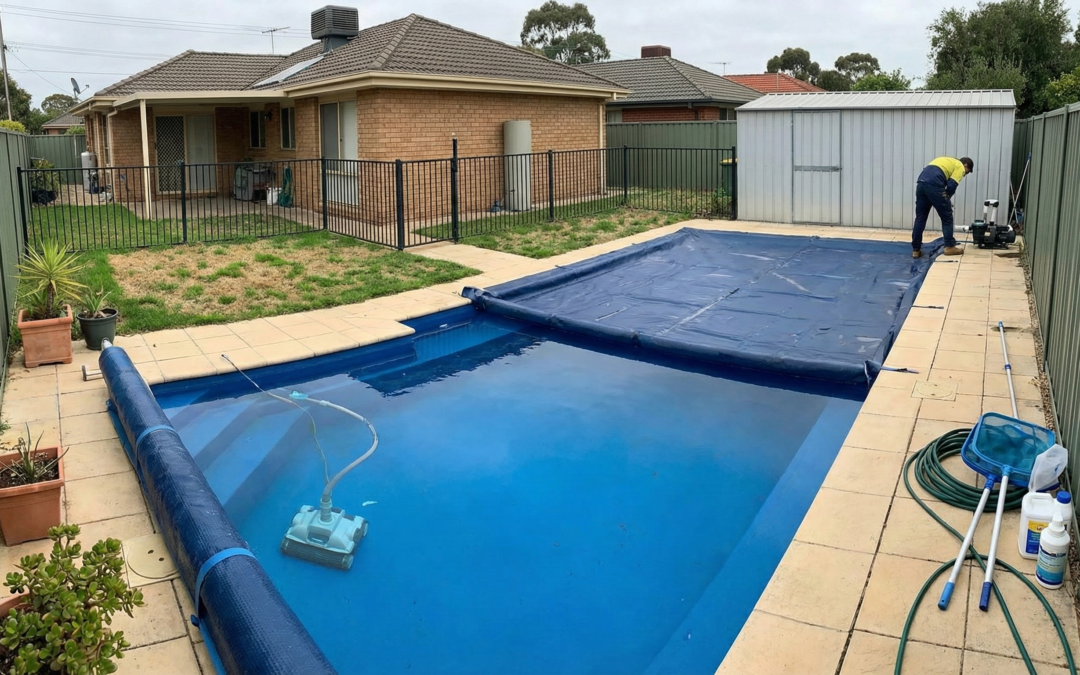
Swimming pools represent perhaps the most misunderstood home improvement in Australian real estate. Despite our climate and outdoor lifestyle, pools frequently fail to deliver positive returns—and often reduce a property’s marketability.
The Real Cost of Pool Ownership
Installation costs for an in-ground pool in Sydney typically range from $50,000 to $100,000 for a standard concrete pool, with fibreglass options starting around $35,000. These figures exclude landscaping, fencing compliance, and the inevitable extras that push budgets higher.
But installation is just the beginning. Annual maintenance costs run between $3,000 and $6,000, covering chemicals, cleaning, equipment servicing, and energy for pumps and heating. Over a decade, you’re looking at $30,000 to $60,000 in maintenance alone.
Why Buyers Discount Pools
Many buyers view pools as liabilities rather than assets. Families with young children see safety concerns and supervision requirements. Older buyers see maintenance burdens. Time-poor professionals see weekend chores instead of relaxation.
The pool also consumes backyard space that buyers might prefer for other uses—children’s play areas, entertaining spaces, or simply low-maintenance gardens. In suburbs where land is at a premium, this trade-off weighs heavily.
Real estate agents consistently report that pools add $10,000 to $30,000 to sale prices in favourable circumstances—far below installation costs. In less pool-friendly suburbs or for properties targeting families with toddlers, pools can actually extend time on market.
When Pools Make Sense
Pools can hold value in specific contexts: prestige properties where they’re expected, beachside suburbs where outdoor living is paramount, or homes specifically marketed to empty nesters seeking resort-style living. Outside these niches, proceed with extreme caution.
Over-Personalised Renovations That Alienate Buyers
Personalisation is the enemy of resale value. Every design choice that reflects your unique taste is a choice that might clash with a buyer’s vision for the home.
Bold Colour Schemes and Statement Walls
That deep burgundy feature wall or the bright yellow kitchen might energise your mornings, but it creates immediate mental renovation costs for buyers. They’re not seeing your bold design choice—they’re calculating repainting expenses and wondering what else reflects unconventional taste.
Neutral palettes aren’t boring; they’re strategic. They allow buyers to project their own vision onto the space, which is precisely what drives emotional purchasing decisions.
Highly Specific Room Conversions
Converting a bedroom into a home cinema, craft room, or gym might serve your lifestyle perfectly. But you’ve just reduced your bedroom count—one of the most searched criteria in property listings.
A four-bedroom home with a dedicated cinema room is a three-bedroom home to most buyers. That distinction can shift your property into a different price bracket entirely, costing far more than the conversion added.
Custom Built-Ins That Limit Flexibility
Floor-to-ceiling built-in wardrobes, custom entertainment units, and bespoke shelving systems seem like premium additions. However, they lock rooms into specific configurations that may not suit buyer needs.
The trend toward flexible, multi-use spaces means built-ins can actually date a property. Buyers increasingly prefer rooms they can configure themselves rather than inheriting someone else’s storage solutions.
Luxury Upgrades in Mid-Range Properties
One of the most common renovation mistakes is installing premium finishes in properties that don’t support premium pricing. This mismatch creates what valuers call “over-capitalisation”—spending more than you can ever recover.
High-End Appliances in Standard Kitchens
A $15,000 commercial-grade range in a kitchen with laminate benchtops and builder-grade cabinetry doesn’t elevate the space—it highlights the disparity. Buyers notice the inconsistency and question the renovation logic.
Worse, they may assume the appliance will need replacing soon (commercial equipment has different service requirements) or that it signals other questionable decisions throughout the property.
Premium Fixtures in Basic Bathrooms
Installing a $3,000 freestanding bath in a bathroom with dated tiles and standard vanities creates visual confusion. The premium piece draws attention to everything around it that doesn’t match.
Cohesive mid-range renovations consistently outperform scattered luxury touches. A bathroom where every element sits at the same quality level photographs better, presents better, and values better.
Imported Materials in Suburban Homes
Italian marble, French oak flooring, and German tapware carry premium price tags. In a prestige property, these materials meet buyer expectations. In a suburban family home, they represent costs that won’t translate to proportional value increases.
Local alternatives often deliver 80% of the aesthetic at 40% of the cost—and buyers in most market segments can’t distinguish between them anyway.
Landscaping That Costs More Than It Returns
Outdoor spaces matter to Australian buyers, but the relationship between landscaping expenditure and value creation is weaker than most homeowners assume.
Elaborate Garden Designs
Professional landscape design with mature plantings, water features, and architectural elements can easily exceed $50,000. Yet these installations rarely add more than $10,000 to $20,000 to property values.
The problem is maintenance perception. Buyers see elaborate gardens and calculate ongoing costs: gardener visits, water bills, seasonal replanting, and the time investment required to prevent deterioration.
Outdoor Kitchens and Entertainment Areas
Built-in barbecues, pizza ovens, and outdoor kitchen setups have surged in popularity. However, the return on these installations typically sits between 30% and 50% of cost—meaning you lose money on every dollar spent.
The exception is properties specifically positioned for entertaining, where outdoor kitchens align with buyer expectations and lifestyle positioning. For standard family homes, a quality portable barbecue serves the same function without the capital outlay.
Extensive Paving and Hardscaping
Large paved areas, retaining walls, and structural landscaping elements carry significant costs but limited value contribution. Buyers appreciate functional outdoor spaces but rarely pay premiums for elaborate hardscaping.
Simple, well-maintained lawns with established trees often test better with buyers than complex landscape designs. The perception of low maintenance trumps the reality of premium installation.
Garage Conversions: Losing More Than You Gain
Converting garages to living spaces seems logical—you’re adding usable square metres to your home. In practice, these conversions frequently destroy more value than they create.
The Parking Premium
In Sydney, secure parking carries genuine value. A single garage space in inner suburbs can add $50,000 to $100,000 to property values. Converting that space to a bedroom or rumpus room eliminates this value entirely.
Street parking availability, council restrictions, and suburb demographics all influence how heavily buyers weight garage access. In areas with limited street parking, losing garage space can be a deal-breaker.
Quality and Compliance Issues
Garage conversions often suffer from compromised ceiling heights, inadequate natural light, ventilation challenges, and questionable compliance status. Buyers and their building inspectors notice these issues.
Even well-executed conversions carry stigma. The knowledge that a room was “originally a garage” affects buyer perception regardless of current presentation quality.
The Flexibility Factor
Garages serve multiple functions beyond car storage: workshops, storage, home gyms, hobby spaces. Converting to a single-purpose room eliminates this flexibility, which many buyers value highly.
Solar Panels and Sustainability Upgrades: The Complicated Truth
Sustainability improvements occupy an unusual position in the value equation. While environmentally beneficial and operationally cost-effective, their impact on property values remains inconsistent.
Solar Panel Value Recovery
Solar panel systems typically cost between $5,000 and $15,000 depending on capacity and quality. Studies suggest they add approximately $5,000 to $10,000 to property values—meaning break-even is possible but profit is unlikely.
The challenge is that solar technology evolves rapidly. A system installed five years ago may be approaching the end of its optimal performance period, and buyers factor replacement costs into their calculations.
Battery Storage Systems
Home battery systems like Tesla Powerwall add $10,000 to $15,000 to installation costs. Current evidence suggests minimal value recovery at sale, as buyers remain uncertain about battery lifespan and replacement costs.
The operational savings are real, but they accrue to you during ownership rather than translating to sale price premiums.
When Green Upgrades Add Value
Sustainability features perform best in suburbs with environmentally conscious buyer demographics and in premium properties where comprehensive sustainability packages (solar, batteries, water tanks, efficient appliances) create a cohesive story.
Isolated green upgrades in standard properties rarely move the value needle significantly.
Home Office Conversions: Post-Pandemic Reality Check
The work-from-home surge created intense demand for home office spaces. However, the market has matured, and dedicated office conversions no longer command the premiums they briefly enjoyed.
The Flexibility Problem
A purpose-built home office with built-in desks, cable management, and dedicated lighting serves one function. As hybrid work patterns stabilise, buyers increasingly prefer flexible spaces they can configure as offices, guest rooms, or children’s study areas.
Permanent office conversions, particularly those that sacrifice bedroom count, often test poorly with buyers who want options rather than prescriptions.
Technology Obsolescence
Built-in technology solutions—integrated screens, hardwired networking, custom cable runs—date quickly. What seems cutting-edge today may feel obsolete within five years, leaving buyers facing removal costs.
Simple, well-lit rooms with adequate power points offer more lasting appeal than technology-forward office builds.
Spa Bathrooms and Luxury Ensuites: Diminishing Returns
Bathroom renovations generally deliver solid returns, but there’s a ceiling beyond which additional spending yields minimal value increases.
The Spa Bathroom Trap
Steam showers, spa baths, heated floors, and towel warmers push bathroom renovation costs toward $40,000 to $60,000. Yet buyer willingness to pay premiums for these features plateaus well below this investment level.
A clean, modern bathroom with quality fixtures typically captures 90% of the value a luxury spa bathroom achieves—at half the cost.
Multiple Bathroom Syndrome
Adding a third or fourth bathroom to a family home rarely delivers proportional returns. The value jump from one to two bathrooms is significant. From two to three, the increment shrinks. Beyond three, you’re spending money that won’t come back.
The exception is properties targeting multi-generational living or those with genuine bedroom counts that justify additional bathrooms.
What Actually Adds Value: Redirecting Your Renovation Budget
Understanding what doesn’t work clarifies where your money should go. The renovations that consistently deliver returns share common characteristics: broad appeal, functional improvement, and proportional investment.
Kitchen Updates Within Reason
Kitchen renovations return 60% to 80% of costs when executed appropriately. The key is matching renovation level to property positioning—mid-range kitchens for mid-range homes, premium for premium.
Focus on layout efficiency, storage capacity, and appliance quality appropriate to your market segment. Avoid over-specification that creates the mismatch problems discussed earlier.
Bathroom Refreshes Over Rebuilds
Often, bathrooms need updating rather than complete renovation. New tapware, modern lighting, fresh paint, and updated mirrors can transform a dated bathroom for $5,000 to $10,000—with strong value recovery.
Reserve full bathroom renovations for spaces with genuine functional problems: poor layouts, water damage, or compliance issues.
Street Appeal Investments
First impressions drive buyer interest. Fresh exterior paint, updated front fencing, new house numbers, and maintained gardens create immediate positive responses that translate to stronger offers.
These improvements typically cost $5,000 to $15,000 and consistently deliver returns exceeding investment—one of the few renovation categories where this holds true.
Functional Repairs and Maintenance
Addressing deferred maintenance—roof repairs, electrical updates, plumbing fixes—doesn’t feel exciting but protects value effectively. Buyers discount heavily for visible maintenance issues, often by more than repair costs.
A well-maintained home with dated finishes often sells better than a renovated home with underlying issues.
Making Smart Renovation Decisions
Every renovation decision should pass a simple test: Will a broad range of buyers in my target market pay more for this improvement than it costs me to install?
If the answer requires qualifications—”buyers who love pools,” “buyers who appreciate bold design,” “buyers who work from home full-time”—you’re narrowing your market and risking your investment.
The safest renovation strategy focuses on removing negatives rather than adding positives. Fix what’s broken, update what’s dated, and maintain what’s working. Save the personalisation for furniture and décor that leaves with you.
Conclusion
The home improvements least likely to increase value share a common thread: they prioritise personal preference over market appeal. Swimming pools, over-personalised designs, luxury upgrades in mid-range properties, and elaborate landscaping all represent spending that satisfies the current owner while alienating future buyers.
At Sydney Home Renovation, we guide homeowners through these decisions daily. Our approach balances your lifestyle needs with resale realities, ensuring renovation dollars work hard both during your ownership and at eventual sale.
Ready to plan a renovation that builds genuine value? Contact Sydney Home Renovation for a consultation that starts with your goals and ends with a strategy that protects your investment.
Frequently Asked Questions
Does a swimming pool add value to a house in Australia?
Swimming pools rarely add value proportional to their cost in Australia. Installation typically runs $50,000 to $100,000, while value contribution usually sits between $10,000 and $30,000. In some markets, pools can actually reduce buyer interest due to maintenance concerns and safety considerations.
What home renovations have the worst return on investment?
Swimming pools, highly personalised room conversions, luxury upgrades in mid-range homes, and elaborate landscaping consistently deliver the worst returns. These improvements typically recover less than 50% of their cost at sale, with some actually reducing property appeal.
Should I renovate before selling my house?
Focus on repairs, maintenance, and cosmetic updates rather than major renovations before selling. Fresh paint, clean carpets, and addressed maintenance issues deliver better returns than expensive upgrades that may not align with buyer preferences.
Do solar panels increase home value in Australia?
Solar panels typically add $5,000 to $10,000 to property values, roughly matching installation costs for standard systems. They’re unlikely to generate profit at sale but may break even while providing operational savings during ownership.
Is converting a garage to a bedroom a good idea?
Garage conversions usually destroy more value than they create. Secure parking adds significant value in most Sydney suburbs, and conversions often suffer from quality issues that buyers notice. The lost flexibility and parking utility rarely justify the additional living space.
What adds the most value to a home?
Kitchen and bathroom updates, street appeal improvements, and addressing deferred maintenance consistently deliver the strongest returns. Focus on broad-appeal improvements that remove negatives rather than adding highly personal positives.
How do I avoid over-capitalising on renovations?
Research comparable sales in your suburb to understand your property’s value ceiling. Ensure renovation quality matches property positioning—mid-range finishes for mid-range homes. Avoid improvements that narrow your buyer pool or reflect highly personal taste.