
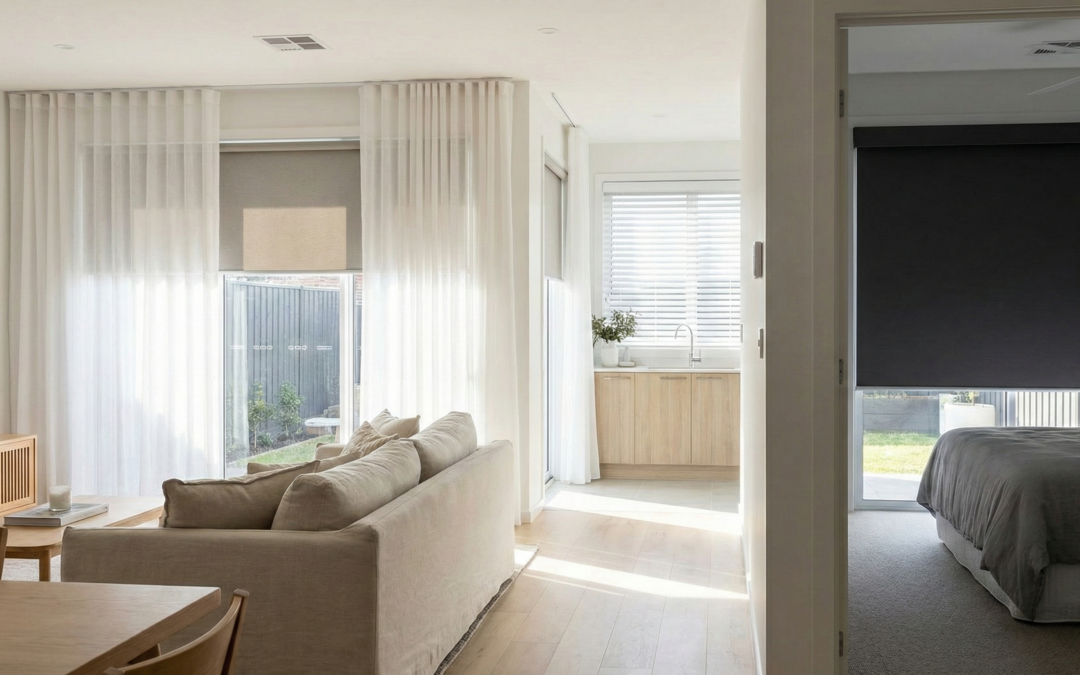
Choosing the right blinds requires careful thought about functionality, materials, climate, and budget. Many Sydney homeowners feel overwhelmed by endless options. They struggle to match blinds with their specific room needs and local weather conditions.
At Sydney Home Renovation, we help clients navigate these decisions daily. Our team understands what works best for Sydney’s unique coastal climate and bright sunlight.
This guide covers every factor you need to make a confident choice. You will learn about materials, energy savings, safety standards, and current trends.
Functionality and Room Type
The right blinds serve different purposes in different rooms. Bedrooms need complete darkness for sleep. Living areas require flexible light control. Bathrooms demand moisture resistance.
Homeowners should match blind types to each room’s main function. This approach ensures long-term satisfaction with the investment.
Light Control & Privacy
Light control determines how much sunlight enters your space. Blockout blinds stop all light from passing through. Sheer blinds filter harsh rays while keeping rooms bright. Dual roller systems offer both options in one unit.
Privacy levels vary between blind types. Venetian blinds let you angle slats for partial views. Roller blinds provide complete coverage when closed. Sydney homes near busy streets often need higher privacy ratings.
Energy Efficiency & Insulation
Energy-efficient blinds can reduce cooling costs by up to 25% in Australian homes. Cellular blinds trap air in honeycomb pockets. This design creates natural insulation against heat and cold.
Reflective backing on roller blinds bounces sunlight away. This feature keeps rooms cooler during Sydney’s hot summers. Proper insulation also reduces heating needs in winter months.
Material and Durability
Blind materials affect lifespan, maintenance, and appearance. Each material suits different environments and budgets.
Aluminium or PVC
Aluminium and PVC blinds resist moisture and humidity well. These materials work perfectly in bathrooms and kitchens. They clean easily with a damp cloth.
Aluminium venetians offer a sleek, modern look. PVC options cost less while providing similar durability. Both materials withstand Sydney’s coastal salt air better than natural alternatives.
Fabric
Fabric blinds add softness and warmth to living spaces. They come in countless colours and textures. Sunscreen fabrics reduce glare while maintaining outside views.
Fabric requires more careful cleaning than hard materials. Some fabrics fade faster in direct sunlight. Quality UV-resistant fabrics last longer in bright Sydney homes.
Wood/Faux Wood
Timber blinds create a natural, elegant aesthetic. Real wood suits dry, climate-controlled rooms. Faux wood handles humidity without warping or cracking.
Plantation shutters made from these materials add property value. They provide excellent insulation and light control. Faux wood costs less and requires minimal maintenance.
Aesthetics and Style
Blinds significantly impact your home’s interior design. The right choice enhances existing décor and creates visual harmony.
Colour and Pattern
Neutral colours remain the most popular choice for Sydney homes. White and grey blinds match most interior styles. Bold colours create statement features in modern spaces.
Patterns work well in children’s rooms or casual areas. Solid colours suit formal living spaces and bedrooms.
Style
Different blind styles suit different architectural designs. Roman blinds add elegance to traditional homes. Roller blinds complement contemporary interiors. Vertical blinds work best on sliding doors and large windows.
Mounting
Inside mounts create a clean, built-in appearance. Outside mounts cover window frames and make windows look larger. The choice depends on window depth and personal preference.
Safety and Operation
Safety
Australian safety standards require cordless options for homes with young children. Corded blinds pose strangulation risks. Spring-loaded and motorised systems eliminate these dangers.
The ACCC recommends checking all blinds meet current safety regulations. Older blinds may need retrofitting with cord safety devices.
Operation
Manual blinds use chains, cords, or wands for adjustment. Motorised blinds operate via remote control or smartphone apps. Battery-powered motors suit homes without nearby power outlets.
Climate Considerations for Sydney
Managing Heat and Sun Exposure in Summer
Sydney summers bring intense UV radiation and high temperatures. External blinds block heat before it enters windows. Reflective internal blinds reduce indoor temperatures significantly.
Coastal Humidity and Salt-Resistant Materials
Coastal Sydney homes face constant humidity and salt exposure. Aluminium, PVC, and faux wood resist these conditions best. Natural timber requires protective coatings in beachside locations.
Balancing Natural Light in Bright Sydney Homes
Sydney receives abundant natural light year-round. Sheer blinds soften harsh sunlight without darkening rooms. Adjustable blinds let homeowners control brightness throughout the day.
Window Orientation and Home Layout
North-Facing Windows (High Heat Gain)
North-facing windows receive the most sun exposure in Australia. These windows need blinds with high solar reflectance. External awnings combined with internal blinds provide maximum protection.
South-Facing Windows (Lower Light Levels)
South-facing windows get minimal direct sunlight. Light-coloured blinds help brighten these spaces. Sheer fabrics maximise available natural light.
East/West-Facing Windows (Morning/Evening Glare)
East and west windows experience intense glare at sunrise and sunset. Vertical blinds allow angle adjustment for glare control. Blockout options prevent screen glare in home offices.
Custom vs Ready-Made Blinds
Benefits of Custom-Made Blinds for Different Window Shapes
Custom blinds fit unusual window shapes perfectly. Arched, triangular, and bay windows need tailored solutions. Custom options ensure complete coverage without gaps.
Budget-Friendly Ready-Made Options
Ready-made blinds suit standard window sizes at lower costs. They work well for rental properties and tight budgets. Installation takes less time than custom alternatives.
Installation Considerations
Professional installation ensures blinds function correctly and safely. Incorrect mounting causes operational problems and damage. Experts measure precisely and secure brackets properly.
DIY installation suits simple roller blinds on standard windows. Complex systems and large windows benefit from professional fitting.
Maintenance and Cleaning
Regular dusting prevents dirt buildup on all blind types. Aluminium and PVC wipe clean with mild soap solutions. Fabric blinds may need professional cleaning for stubborn stains.
Wooden blinds require occasional polishing to maintain their finish. Motorised systems need battery replacement or electrical checks annually.
Cost and Budget Planning
Price Differences Between Blind Types
Blind prices range from $50 to $800 per window in Australia. Basic roller blinds cost the least. Motorised plantation shutters sit at the premium endLong-Term Savings Through Energy-Efficient Blinds
Quality energy-efficient blinds pay for themselves over time. Lower electricity bills offset higher upfront costs. Durable materials reduce replacement frequency.
Smart Home Integration
Smart blinds connect to home automation systems like Google Home and Alexa. They adjust automatically based on time, temperature, or sunlight levels. This technology improves energy efficiency and convenience.
Local Regulations & Safety Standards (Australia)
Australian Consumer Law requires blinds to meet safety standards. Products must include warning labels about cord hazards. Retailers must offer cord-free alternatives for child safety.
Popular Blind Trends in Sydney
Natural textures and sustainable materials dominate Sydney’s 2025 blind trends. Motorisation continues growing in popularity. Dual roller systems offer flexibility for modern lifestyles.
Conclusion
Choosing blinds involves balancing many factors for your specific situation. Material selection, climate considerations, and safety standards all matter. Sydney’s unique conditions require thoughtful planning.
Sydney Home Renovation brings expertise to every window treatment decision. We guide homeowners through options that match their needs and budgets. Our team ensures quality results that last for years.
Contact Sydney Home Renovation today for personalised blind recommendations. We help you create comfortable, stylish, and energy-efficient spaces.
FAQs
What type of blinds are best for Sydney’s climate? Aluminium, PVC, and faux wood blinds handle Sydney’s humidity and salt air best. Reflective roller blinds reduce heat during hot summers.
How much do blinds cost in Sydney? Prices range from $50 to $800 per window. Basic rollers cost less than motorised plantation shutters.
Are cordless blinds safer for children? Cordless blinds eliminate strangulation risks for young children. Australian safety standards recommend them for all homes with kids.
Can blinds help reduce energy bills? Energy-efficient blinds can cut cooling costs by up to 25%. Cellular and reflective blinds provide the best insulation.
Should I choose custom or ready-made blinds? Custom blinds suit unusual window shapes and sizes. Ready-made options work well for standard windows on tighter budgets.
How often should I clean my blinds? Dust blinds weekly to prevent buildup. Deep clean fabric blinds every six months.
Do motorised blinds need professional installation? Professional installation ensures proper wiring and programming. Battery-powered options offer easier DIY setup.
Add to Conversation