
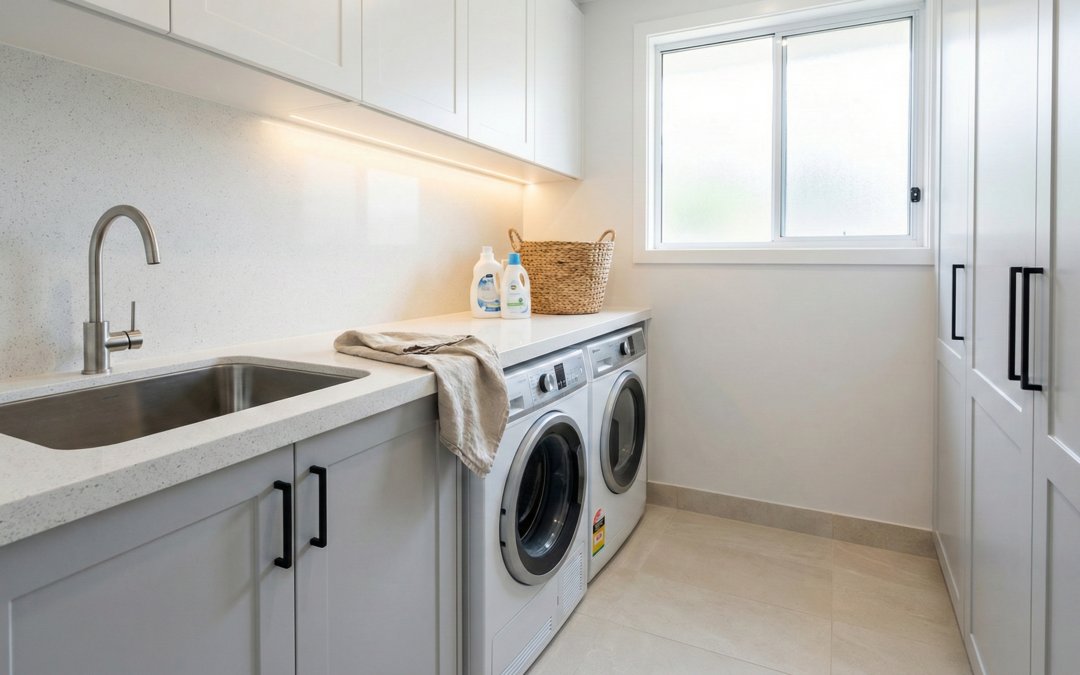
A Sydney laundry renovation typically costs between $5,000 and $35,000+, depending on scope, materials, and whether you’re doing a cosmetic refresh or complete transformation. Most homeowners spend around $12,000 to $18,000 for a mid-range renovation that includes new cabinetry, benchtops, tiling, and updated plumbing fixtures.
Whether you’re dealing with an outdated laundry that’s become an eyesore, struggling with poor storage and layout, or preparing your property for sale, understanding the full renovation process helps you budget accurately and avoid costly surprises. Sydney’s unique housing mix of heritage homes, modern apartments, and strata properties each present different challenges and opportunities.
This comprehensive guide covers everything you need to know about laundry renovations in Sydney. You’ll find detailed cost breakdowns by component, step-by-step renovation processes, material comparisons, compliance requirements, and practical tips to maximise your investment while staying on budget.
What Is a Laundry Renovation?
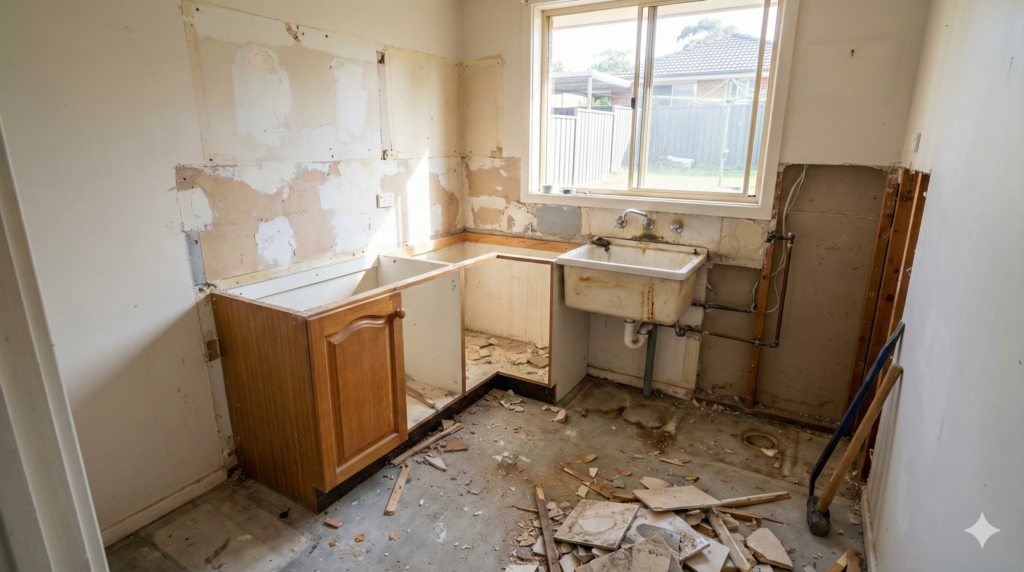
A laundry renovation involves upgrading, repairing, or completely transforming your laundry space to improve functionality, aesthetics, and property value. The scope can range from simple cosmetic updates like painting and new tapware through to full structural changes including plumbing relocation, new cabinetry, waterproofing, and flooring replacement.
Unlike a quick refresh, a proper renovation addresses the underlying infrastructure. This means ensuring plumbing meets current standards, electrical work is compliant, waterproofing protects your home from moisture damage, and the layout actually works for how you use the space daily.
For Sydney homeowners, laundry renovations have become increasingly popular as property values rise and buyers expect functional, well-designed utility spaces. A dated laundry with peeling laminate, a stained trough, and inadequate storage can detract significantly from your home’s appeal and resale potential.
Types of Laundry Renovations in Sydney
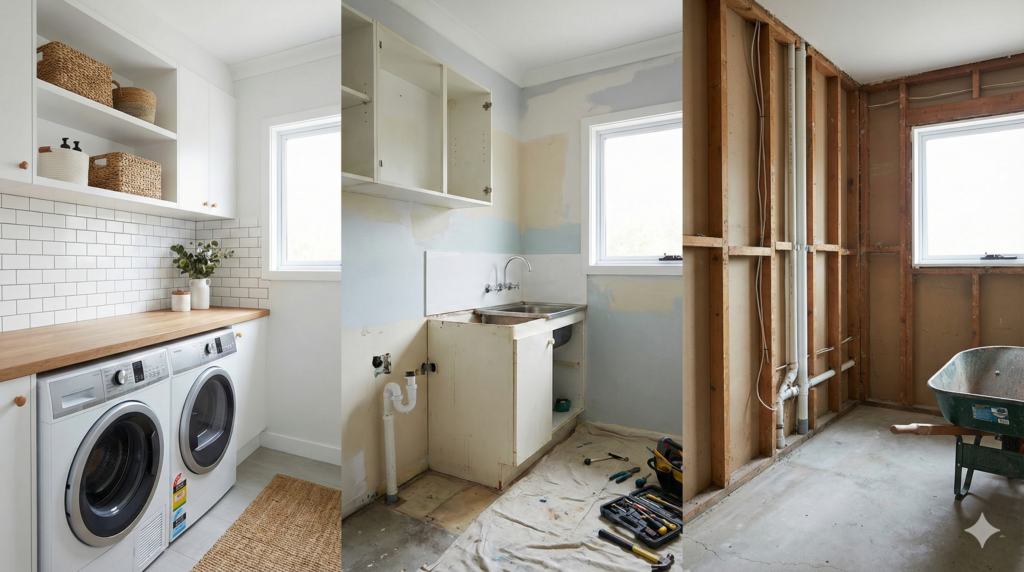
Understanding the different renovation types helps you set realistic expectations and budget accordingly. Each approach suits different situations, timeframes, and financial constraints.
Cosmetic Refresh
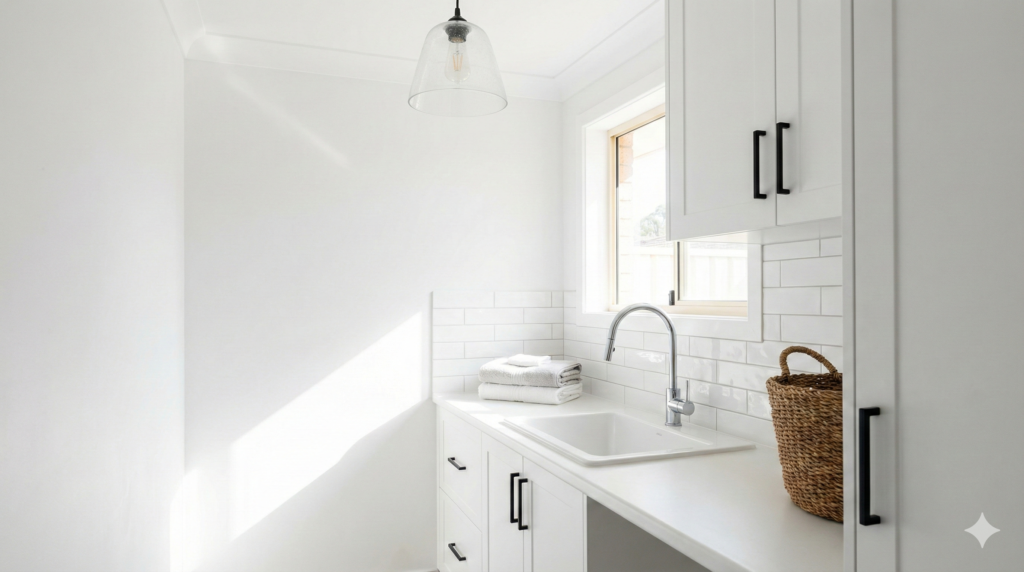
A cosmetic refresh focuses on surface-level improvements without touching plumbing, electrical, or structural elements. This typically includes repainting walls and ceilings, replacing tapware and handles, installing new lighting fixtures, adding splashbacks, and updating accessories like baskets and shelving.
Budget range sits between $1,500 and $5,000 for most Sydney laundries. You can often complete a cosmetic refresh over a weekend with minimal disruption. This approach works well when your existing layout functions properly and cabinetry remains structurally sound but simply looks dated.
The limitation is that cosmetic changes won’t fix fundamental problems. If your plumbing leaks, storage is inadequate, or the layout wastes space, a refresh only masks these issues temporarily.
Partial Renovation
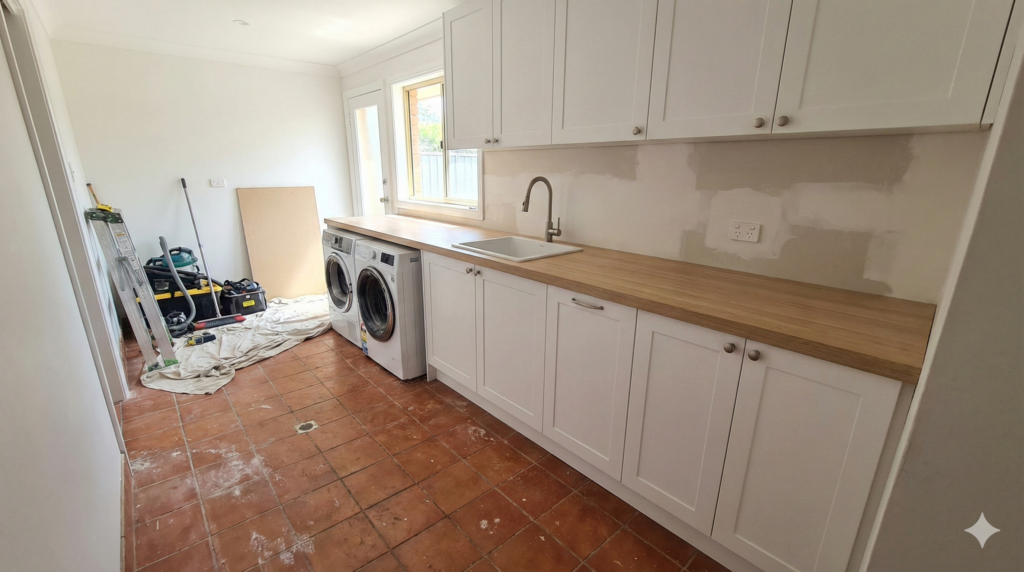
Partial renovations address specific problem areas while retaining elements that still function well. You might replace cabinetry and benchtops while keeping existing flooring, or install new tiling and waterproofing while retaining serviceable cabinets.
Expect to spend between $5,000 and $15,000 depending on which components you’re updating. Partial renovations typically take one to two weeks and require coordination between multiple trades including plumbers, electricians, and cabinetmakers.
This approach makes sense when some elements of your laundry remain in good condition. For example, if your floor tiles are modern and undamaged but the cabinetry is falling apart, there’s no need to replace everything.
Full Laundry Renovation
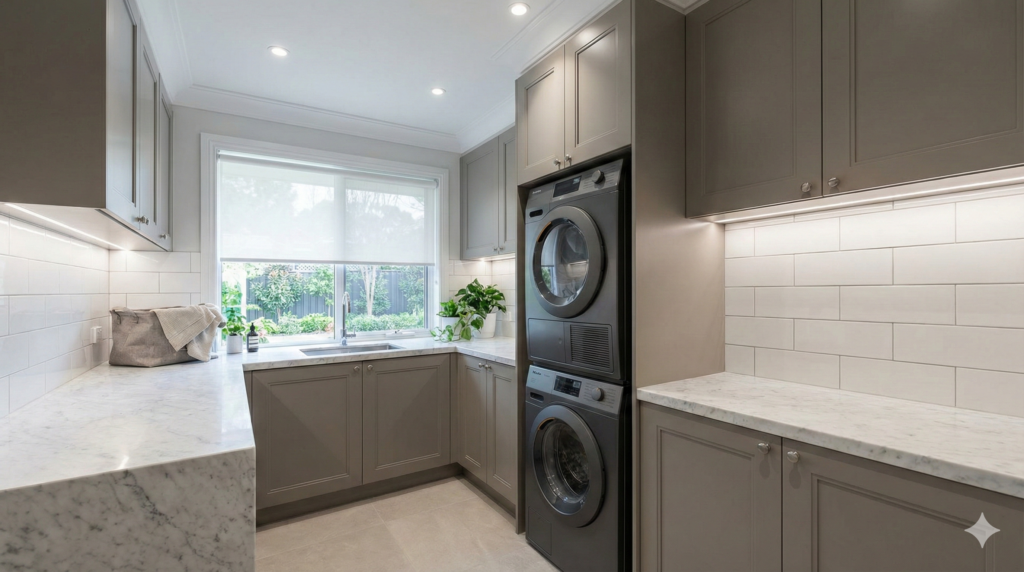
A full renovation involves stripping the space back to bare walls and starting fresh. Everything gets replaced: flooring, wall finishes, cabinetry, benchtops, sink, tapware, lighting, and potentially the ceiling. Plumbing and electrical are upgraded to current standards, and proper waterproofing is installed.
Full renovations in Sydney typically cost between $15,000 and $35,000+ and take two to four weeks to complete. This approach delivers the best results when your laundry has multiple issues, the layout needs reconfiguring, or you’re renovating an older home where infrastructure hasn’t been updated in decades.
The advantage of a full renovation is starting with a clean slate. You can optimise the layout, choose cohesive finishes, and ensure all work meets current building codes. The investment also tends to deliver the strongest return when selling.
When to Renovate Your Laundry
Several indicators suggest it’s time to renovate rather than continue patching problems. Persistent moisture issues, mould growth, or water damage indicate waterproofing failures that require professional attention. Continuing to ignore these problems risks structural damage and health concerns.
Functional problems also warrant renovation. If you’re constantly frustrated by lack of storage, poor layout, or appliances that don’t fit properly, these daily annoyances compound over time. A well-designed laundry saves time and reduces stress with every load of washing.
Age matters too. Laundries older than 15 to 20 years often have outdated plumbing, insufficient electrical capacity for modern appliances, and materials that have reached the end of their lifespan. Renovating proactively prevents emergency repairs that typically cost more and cause greater disruption.
If you’re planning to sell within the next few years, a laundry renovation can improve buyer perception and potentially increase your sale price. Buyers notice dated laundries and factor renovation costs into their offers.
How Much Does a Laundry Renovation Cost in Sydney?
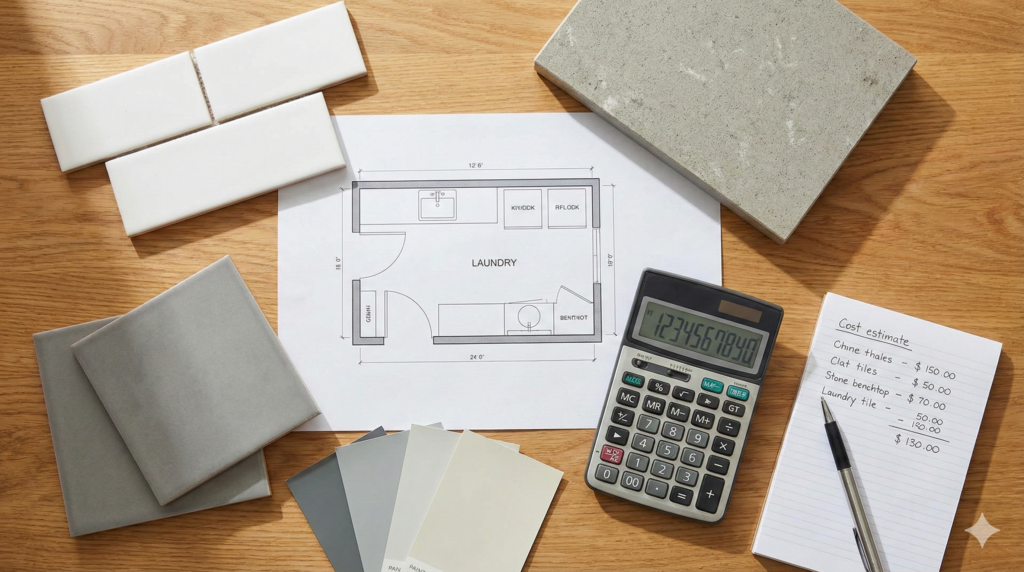
Understanding realistic costs helps you plan effectively and avoid budget blowouts. Sydney renovation costs tend to run higher than regional areas due to labour rates, parking and access challenges, and the complexity of working in established suburbs.
Average Laundry Renovation Costs in Sydney (2024)
Current market rates for Sydney laundry renovations vary significantly based on scope, materials, and contractor selection. These figures represent typical ranges for standard-sized laundries of approximately 4 to 8 square metres.
Budget Laundry Renovation ($5,000–$10,000)
A budget renovation delivers meaningful improvements while keeping costs contained. At this price point, expect basic flat-pack or semi-custom cabinetry, laminate benchtops, ceramic floor tiles, a standard stainless steel or ceramic sink, and functional tapware.
Labour costs consume roughly 40% to 50% of a budget renovation. You’ll typically work with a single contractor who coordinates necessary trades rather than engaging specialists directly. Material selections focus on durability and value rather than premium aesthetics.
Budget renovations suit investment properties, rental preparations, or situations where the existing layout works well and you’re primarily updating worn finishes. The key is prioritising where you spend. Invest in quality waterproofing and plumbing even if you economise on visible finishes.
Mid-Range Laundry Renovation ($10,000–$20,000)
Mid-range renovations represent the sweet spot for most Sydney homeowners. This budget allows for custom or semi-custom cabinetry with soft-close hardware, stone or quality laminate benchtops, porcelain floor and wall tiles, a quality undermount or inset sink, and stylish tapware.
You’ll have more flexibility with layout changes, though major plumbing relocations may push costs toward the higher end. Expect better quality materials that look good and last longer, plus more attention to design details like integrated lighting, pull-out storage solutions, and coordinated finishes.
Most mid-range renovations include proper waterproofing, updated electrical with additional power points, and improved ventilation. The result is a laundry that functions efficiently and adds genuine value to your home.
High-End Laundry Renovation ($20,000–$35,000+)
High-end renovations deliver premium results with top-quality materials and meticulous attention to detail. Expect fully custom cabinetry with premium hardware, natural stone benchtops, large-format porcelain tiles, designer tapware and fixtures, and integrated appliance solutions.
At this level, you’re often making significant layout changes, potentially relocating plumbing and electrical, and incorporating features like built-in ironing stations, dedicated drying cabinets, or concealed European laundry setups. Finishes match the quality found in high-end kitchens and bathrooms.
High-end renovations suit prestige properties, homes where the laundry is visible from living areas, or homeowners who simply want the best. The investment makes sense when you’re planning to stay long-term or when your property’s value justifies premium finishes.
Cost Breakdown by Component
Understanding where your money goes helps you make informed decisions about where to invest and where to economise.
Labour Costs
Labour typically represents 35% to 50% of total renovation costs in Sydney. This includes project management, demolition, carpentry, plumbing, electrical work, tiling, and painting. Hourly rates for licensed tradespeople in Sydney range from $80 to $150+ depending on the trade and experience level.
Complex projects requiring multiple trades working in sequence cost more than straightforward renovations. Inner-city locations with parking difficulties and access restrictions also attract premium labour rates.
Plumbing Costs
Plumbing work for a laundry renovation typically costs between $1,500 and $4,000 depending on scope. Basic work includes disconnecting and reconnecting existing fixtures in the same locations. More extensive work involving pipe relocation, new drainage, or hot water system modifications increases costs significantly.
Sydney plumbers charge between $90 and $130 per hour for standard work. Always use licensed plumbers for any work involving water supply or drainage to ensure compliance and protect your home warranty.
Electrical Costs
Electrical costs range from $800 to $2,500 for most laundry renovations. This covers new power points, lighting installation, exhaust fan wiring, and any switchboard upgrades required to handle modern appliance loads.
Many older Sydney homes have insufficient electrical capacity for today’s high-powered washing machines and dryers. Upgrading your switchboard or adding dedicated circuits adds to costs but prevents future problems.
Cabinetry and Storage Costs
Cabinetry represents a significant portion of most laundry budgets, ranging from $1,500 to $8,000+ depending on quality and configuration. Flat-pack options from major retailers start around $500 to $1,500 for basic setups, while custom cabinetry from specialist manufacturers costs $3,000 to $8,000+.
The price difference reflects material quality, construction methods, hardware, and customisation options. Custom cabinetry maximises storage in awkward spaces and allows for features like pull-out hampers, integrated ironing boards, and appliance housing.
Benchtop Costs
Benchtop costs vary dramatically based on material selection. Laminate benchtops cost $200 to $600 for a typical laundry, while engineered stone ranges from $800 to $2,000. Natural stone and premium materials can exceed $2,500.
For laundries, durability and water resistance matter more than the prestige associated with certain materials. Quality laminate performs excellently in laundry environments and costs a fraction of stone alternatives.
Tiling and Flooring Costs
Floor and wall tiling typically costs $1,500 to $4,000 including materials and labour. Ceramic tiles start around $30 to $50 per square metre, while porcelain ranges from $50 to $150+. Large-format tiles cost more to install due to handling requirements.
Tiling labour in Sydney runs $60 to $90 per square metre depending on tile size, pattern complexity, and substrate preparation required. Waterproofing beneath tiles adds $500 to $1,000 but is essential for protecting your home.
Sink and Tapware Costs
Laundry sinks range from $150 to $800 depending on material and style. Basic stainless steel tubs start around $150, while ceramic butler sinks or premium stainless options cost $400 to $800.
Tapware costs between $150 and $600 for quality options. Laundry-specific mixers with extended spouts and pull-out sprays offer practical advantages over standard taps. Budget an additional $200 to $400 for installation.
Appliance Allowances
While appliances aren’t strictly renovation costs, budgeting for them makes sense if you’re upgrading. Front-loading washing machines range from $600 to $2,500, heat pump dryers cost $1,000 to $3,000, and washer-dryer combos run $1,200 to $3,500.
Consider appliance dimensions during planning. Nothing’s more frustrating than completing a renovation only to discover your preferred washing machine doesn’t fit the allocated space.
Sydney-Specific Pricing Factors
Location within Sydney significantly impacts renovation costs. Understanding these factors helps you budget accurately.
Inner City vs Suburban Pricing
Inner-city renovations typically cost 10% to 20% more than equivalent projects in outer suburbs. Contributing factors include higher parking costs for tradespeople, more difficult access for material deliveries, stricter council requirements, and generally higher labour rates in premium postcodes.
Terrace houses and older inner-city properties often present additional challenges like narrow doorways, limited storage space for materials, and heritage considerations that restrict certain modifications.
Suburban renovations benefit from easier access, more competitive contractor availability, and simpler logistics. However, travel time for tradespeople can add costs if you’re located far from major trade supply centres.
Strata and Apartment Considerations
Apartment laundry renovations involve additional complexity and cost. Strata approval is typically required for any work affecting common property, waterproofing, or building services. Application fees range from $200 to $500, and approval processes can take several weeks.
Working hours are usually restricted in strata buildings, limiting when noisy work can occur. This extends project timelines and can increase labour costs. Lift access for material delivery may require booking and additional fees.
Waterproofing requirements in apartments are particularly stringent because failures affect neighbouring units. Expect to pay premium rates for certified waterproofing that meets strata requirements and provides appropriate warranties.
What Affects Laundry Renovation Costs?
Multiple factors influence your final renovation cost. Understanding these helps you make informed decisions and avoid surprises.
Size and Layout of Your Laundry
Larger laundries require more materials and labour, directly increasing costs. A compact 3-square-metre laundry costs significantly less to renovate than a spacious 10-square-metre utility room.
Layout complexity also matters. Simple rectangular spaces with standard dimensions are straightforward to work with. Irregular shapes, alcoves, and awkward corners require custom solutions that add time and cost.
Scope of Work and Structural Changes
The extent of work dramatically impacts costs. Cosmetic updates cost a fraction of full renovations. Adding structural changes like removing walls, relocating doorways, or modifying window openings pushes costs higher still.
Clearly defining your scope before obtaining quotes ensures accurate pricing. Scope creep during renovations is a primary cause of budget blowouts.
Quality of Materials and Finishes
Material quality directly correlates with cost. Budget materials serve their purpose but may not last as long or look as refined. Premium materials cost more upfront but often deliver better long-term value through durability and timeless aesthetics.
The key is matching material quality to your goals. Investment properties don’t need the same finishes as your forever home. Prioritise quality where it matters most and economise where appropriate.
Plumbing and Electrical Relocation
Moving plumbing or electrical services significantly increases costs. Relocating a sink requires extending water supply and drainage, potentially involving floor or wall modifications. Moving power points or adding circuits requires cable runs and potentially switchboard upgrades.
Where possible, keeping services in existing locations reduces costs. However, don’t compromise on functionality to save money. A poorly positioned sink or insufficient power points will frustrate you for years.
Access and Site Conditions
Difficult access increases costs through longer labour times and delivery challenges. Upper-floor apartments without lift access, properties with narrow side passages, or homes with limited street parking all present logistical challenges.
Site conditions also matter. Discovering asbestos, structural issues, or concealed water damage during demolition adds unplanned costs. Older Sydney homes are particularly prone to hidden surprises.
Compliance and Council Approvals
Most standard laundry renovations don’t require council approval in NSW, but exceptions exist. Work affecting structural elements, changing the building footprint, or modifying heritage-listed properties may require development approval.
Compliance costs include application fees, potentially architect or draftsperson fees for drawings, and longer project timelines while awaiting approval. Your contractor should advise whether your project requires approval.
Laundry Renovation Cost Breakdown: Where Your Money Goes
Understanding the detailed breakdown helps you evaluate quotes and identify where to adjust spending.
Labour Costs Explained
Labour represents the largest single cost category for most renovations. Here’s what each trade typically charges.
Demolition and Removal
Demolition costs range from $500 to $1,500 depending on the extent of strip-out required. This includes removing existing cabinetry, fixtures, tiles, and finishes, plus disposing of waste materials.
Some contractors include demolition in their overall quote while others charge separately. Clarify this when comparing quotes to ensure accurate comparisons.
Plumber Costs
Licensed plumbers charge $90 to $130 per hour in Sydney. A typical laundry renovation requires 8 to 16 hours of plumbing work across two visits: rough-in during construction and fit-off once finishes are complete.
Complex work involving pipe relocation, new drainage, or hot water modifications requires additional time. Always obtain fixed quotes for plumbing work rather than hourly rates to avoid surprises.
Electrician Costs
Electricians charge $80 to $120 per hour for standard work. Most laundry renovations require 4 to 8 hours of electrical work including new circuits, power points, lighting, and exhaust fan installation.
Switchboard upgrades, if required, add $500 to $1,500 depending on the extent of work needed. Older homes with outdated wiring may require more extensive electrical work.
Tiler Costs
Tiling labour costs $60 to $90 per square metre in Sydney. A typical laundry with 15 to 20 square metres of tiling (floor and splashback) costs $900 to $1,800 for labour alone.
Complex patterns, large-format tiles, and intricate cuts around fixtures increase labour costs. Simple layouts with standard tile sizes are most economical.
Carpenter/Cabinetmaker Costs
Carpentry costs depend heavily on whether you’re using flat-pack, semi-custom, or fully custom cabinetry. Flat-pack installation costs $300 to $800, while custom cabinetry installation runs $500 to $1,500.
Custom cabinetry manufacturing is priced separately and varies based on complexity, materials, and features. Expect $2,000 to $6,000 for custom laundry cabinetry.
Painter Costs
Painting costs $300 to $800 for a typical laundry including walls, ceiling, and trim. Rates depend on surface preparation required, number of coats, and paint quality.
Some renovation contractors include painting in their overall quote while others treat it as an optional extra. Clarify inclusions when comparing quotes.
Material Costs Explained
Materials typically represent 40% to 50% of total renovation costs. Here’s what to expect for each component.
Cabinetry and Joinery
Flat-pack cabinetry costs $500 to $1,500 for a basic laundry setup. Semi-custom options from kitchen manufacturers range from $1,500 to $4,000. Fully custom cabinetry costs $3,000 to $8,000+.
Quality indicators include board thickness, edge finishing, hardware quality, and drawer construction. Soft-close hinges and drawer runners are standard on quality cabinetry.
Benchtops
Laminate benchtops cost $200 to $600 for typical laundry sizes. Engineered stone ranges from $800 to $2,000. Solid surface materials like Corian cost $600 to $1,500.
For laundries, laminate offers excellent value. Modern laminates are highly durable, water-resistant, and available in finishes that convincingly mimic stone and timber.
Tiles and Flooring
Ceramic floor tiles cost $30 to $50 per square metre. Porcelain tiles range from $50 to $150+. Wall tiles for splashbacks typically cost $40 to $100 per square metre.
Budget $500 to $1,500 for tiles in a typical laundry. Add $200 to $500 for adhesive, grout, and waterproofing membrane.
Laundry Sink and Tub
Basic stainless steel laundry tubs cost $150 to $300. Ceramic butler sinks range from $300 to $600. Premium stainless steel or composite options cost $400 to $800.
Consider practicality when selecting sinks. Deep tubs suit hand-washing and soaking. Shallower sinks work better for general tasks and look more refined.
Tapware and Fixtures
Laundry mixer taps cost $150 to $400 for quality options. Pull-out spray mixers cost $250 to $600. Budget an additional $100 to $200 for accessories like soap dispensers and towel rails.
Choose tapware rated for laundry use. Kitchen taps work well in laundries, while bathroom taps may lack the durability needed for heavy use.
Splashbacks
Tiled splashbacks cost $300 to $800 including materials and labour. Acrylic splashbacks range from $200 to $500. Glass splashbacks cost $400 to $1,000.
Splashbacks protect walls from water damage and are much easier to clean than painted surfaces. They’re a worthwhile investment in any laundry renovation.
Appliance Costs and Allowances
While not strictly renovation costs, appliance selection affects cabinetry design and should be considered during planning.
Washing Machine Considerations
Front-loading washing machines range from $600 to $2,500. Top-loaders cost $400 to $1,500. Front-loaders offer better water and energy efficiency but require bending to load and unload.
Measure your space carefully and select appliances before finalising cabinetry design. Standard washing machine widths are 600mm, but depths vary significantly.
Dryer Options
Vented dryers cost $300 to $800 but require external venting. Condenser dryers range from $600 to $1,500 and don’t need venting. Heat pump dryers cost $1,000 to $3,000 but use significantly less energy.
Heat pump dryers make sense for frequent use despite higher upfront costs. Energy savings typically recover the price difference within a few years.
Washer-Dryer Combos
Combination units cost $1,200 to $3,500 and suit small laundries where space is limited. They’re convenient but typically have smaller capacities and longer cycle times than separate appliances.
Consider your laundry volume when deciding between combo units and separate appliances. Families with heavy laundry loads usually prefer separate machines.
Hidden Costs in Laundry Renovations
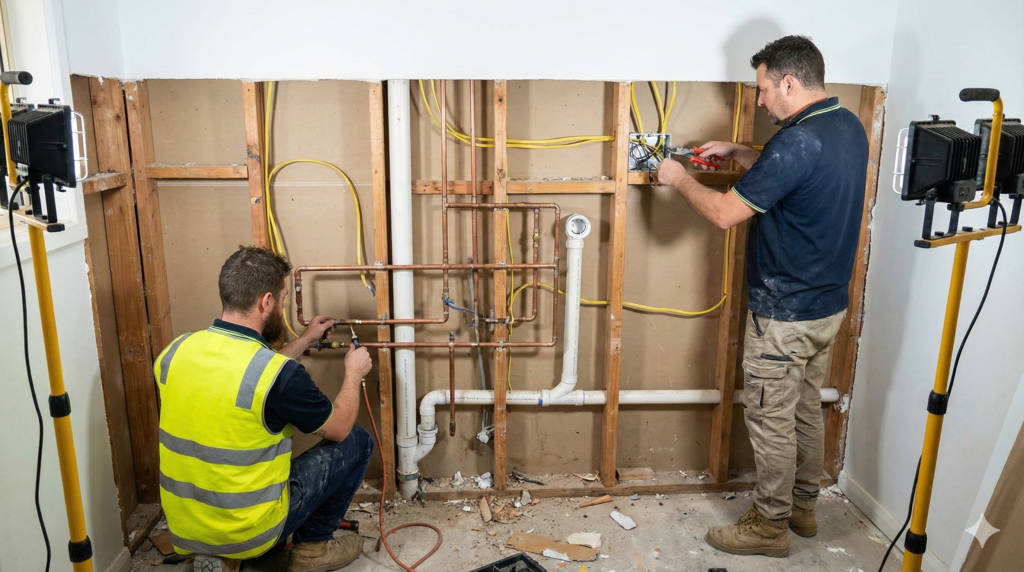
Unexpected costs derail budgets more than any other factor. Knowing what might arise helps you plan appropriately.
Asbestos Testing and Removal
Homes built before 1990 may contain asbestos in wall linings, floor tiles, or insulation. Testing costs $50 to $150 per sample. If asbestos is found, licensed removal costs $1,500 to $5,000+ depending on extent and material type.
Never disturb suspected asbestos materials yourself. The health risks are severe, and improper removal is illegal. Budget for testing in any pre-1990 home.
Waterproofing Requirements
Waterproofing is mandatory in wet areas under Australian standards. Costs range from $500 to $1,500 depending on the area covered and system used.
Proper waterproofing protects your home from moisture damage that can cost tens of thousands to repair. Never skip or economise on waterproofing.
Unexpected Plumbing Issues
Older homes frequently reveal plumbing problems during renovation. Corroded pipes, inadequate drainage, or non-compliant installations may require rectification.
Budget $500 to $2,000 for potential plumbing surprises in older properties. Newer homes rarely present significant issues.
Electrical Upgrades and Switchboard Work
Older switchboards may lack capacity for modern appliances or not meet current safety standards. Upgrades cost $500 to $1,500 for basic work, more for extensive rewiring.
Safety switches are mandatory in renovated areas. If your switchboard lacks them, installation is required regardless of other electrical work.
Waste Removal and Skip Bins
Demolition generates significant waste. Skip bin hire costs $300 to $600 for sizes suitable for laundry renovations. Some contractors include waste removal in their quotes while others charge separately.
Clarify waste removal arrangements when obtaining quotes. Unexpected skip bin costs add up quickly.
Strata Approval Fees
Apartment renovations require strata approval, with fees ranging from $200 to $500. Some strata schemes also require bonds or insurance certificates.
Factor in approval timeframes when planning. Applications can take two to six weeks to process, delaying your project start.
Contingency Budget Recommendations
Industry best practice recommends a contingency of 10% to 15% of your total budget. For a $15,000 renovation, set aside $1,500 to $2,250 for unexpected costs.
Contingency funds cover genuine surprises, not scope changes or upgrades you decide on during the project. Maintain discipline about what qualifies as contingency spending.
How to Budget for a Laundry Renovation
Effective budgeting prevents financial stress and ensures you can complete your renovation to the standard you want.
Setting a Realistic Budget
Start by researching typical costs for your desired scope. This guide provides ranges, but obtaining actual quotes gives you precise figures for your specific situation.
Consider your financial position honestly. Stretching beyond comfortable limits creates stress and may force compromises you’ll regret. It’s better to do a smaller renovation well than overextend on a larger project.
Factor in all costs, not just the renovation itself. You may need temporary laundry arrangements, storage for displaced items, or time off work to manage the project.
Prioritising Must-Haves vs Nice-to-Haves
Create two lists: essential items and desirable extras. Essentials might include functional cabinetry, adequate storage, proper waterproofing, and compliant plumbing. Nice-to-haves might include premium tapware, stone benchtops, or custom storage solutions.
If budget constraints arise, cut from the nice-to-have list first. Never compromise on structural elements, waterproofing, or compliance to fund aesthetic upgrades.
Getting Accurate Quotes in Sydney
Obtain at least three quotes from reputable contractors. Provide identical briefs to each to ensure comparable pricing. Be specific about what you want included.
Beware of quotes significantly lower than others. Unrealistically low prices often indicate inexperience, corner-cutting, or incomplete scope understanding. The cheapest quote rarely delivers the best outcome.
Understanding Quote Inclusions and Exclusions
Scrutinise what each quote includes and excludes. Common exclusions include demolition, waste removal, painting, appliances, and council fees. These can add thousands to your final cost if not budgeted.
Ask contractors to clarify anything unclear. A detailed quote protects both parties and prevents disputes during the project.
Building in a Contingency Fund
As mentioned, budget 10% to 15% contingency for unexpected costs. Keep this money genuinely available, not theoretically accessible through credit.
If you complete the renovation without using contingency funds, you have options: upgrade finishes, add features you initially cut, or simply bank the savings.
Laundry Renovation Planning Process
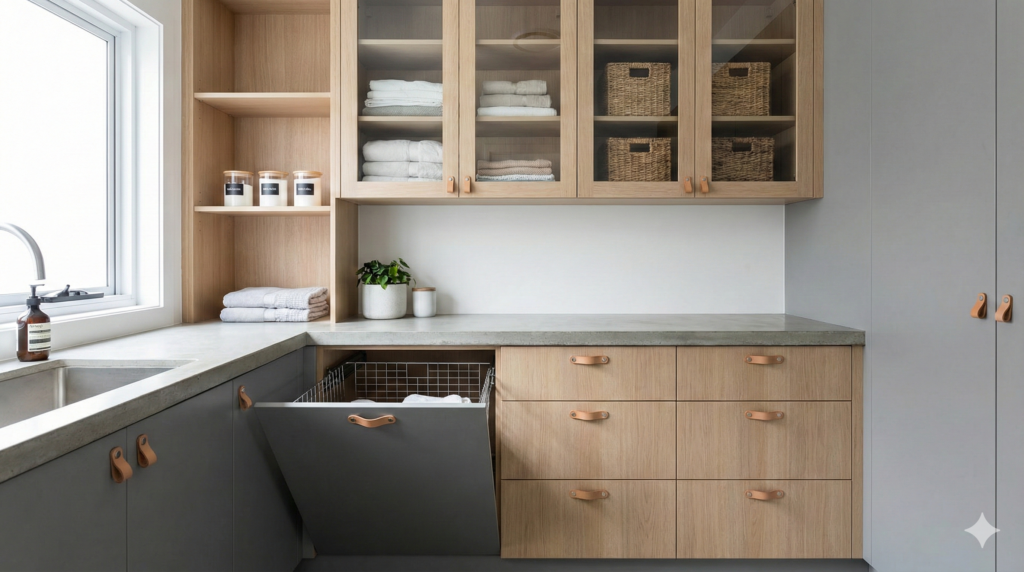
Thorough planning prevents problems and ensures your renovation delivers the results you want.
Assessing Your Current Laundry
Document everything about your existing laundry. Measure dimensions accurately, note what works and what doesn’t, photograph problem areas, and list everything you want to change.
Consider how you actually use the space. Where do you sort washing? Where do you fold? Where do cleaning supplies live? Understanding your habits informs better design.
Defining Your Renovation Goals
Clarify what you want to achieve. Are you primarily improving functionality, updating aesthetics, increasing storage, or preparing for sale? Different goals suggest different approaches.
Write down your goals and refer to them throughout planning. It’s easy to get distracted by attractive options that don’t actually serve your objectives.
Measuring and Space Planning
Accurate measurements are essential for planning. Measure the room dimensions, door and window positions, existing service locations, and ceiling height.
Create a simple floor plan showing these elements. This helps you and your contractor visualise options and identify constraints.
Design Considerations for Sydney Homes
Sydney’s housing stock presents specific design challenges and opportunities.
Small Laundry Solutions
Many Sydney homes have compact laundries where space efficiency is paramount. Stacking appliances saves floor space. Wall-mounted cabinetry maximises storage without consuming floor area. Sliding doors eliminate swing space requirements.
Consider every centimetre carefully in small spaces. Custom cabinetry often delivers better results than standard sizes in tight laundries.
Combined Bathroom-Laundry Layouts
Combined bathroom-laundries are common in Sydney apartments and smaller homes. These require careful planning to serve both functions effectively.
Concealing laundry appliances behind cabinetry creates a cleaner bathroom aesthetic. Ensure adequate ventilation to manage moisture from both uses. Waterproofing requirements are more extensive in combined spaces.
European Laundry Conversions
European laundries conceal appliances and workspace behind cupboard doors, typically in hallways or kitchen areas. They’re popular in apartments and homes where dedicated laundry rooms aren’t feasible.
Successful European laundries require careful ventilation planning, appropriate appliance selection, and clever storage solutions. They work best with front-loading appliances and compact configurations.
Creating a Renovation Timeline
Develop a realistic timeline working backward from your desired completion date. Factor in design and planning time, quote comparison, contractor availability, material lead times, and the renovation itself.
Most laundry renovations take 2 to 4 weeks once work begins, but planning and preparation can add several weeks or months. Custom cabinetry typically requires 4 to 8 weeks lead time.
Choosing Materials and Finishes for Your Laundry
Material selection significantly impacts both cost and outcome. Understanding your options helps you make informed choices.
Cabinetry Options and Price Points
Cabinetry is often the most visible element of your laundry renovation. Choose wisely.
Flat-Pack vs Custom Cabinetry
Flat-pack cabinetry offers significant cost savings, typically 50% to 70% less than custom options. Quality has improved dramatically, and many flat-pack ranges now include soft-close hardware and durable finishes.
Custom cabinetry costs more but offers unlimited configuration options, superior materials, and perfect fit in non-standard spaces. For awkward laundries or specific requirements, custom often delivers better value despite higher cost.
Cabinet Materials Comparison
Melamine-faced particleboard is the standard for budget and mid-range cabinetry. It’s durable, easy to clean, and available in numerous finishes. Quality varies significantly between manufacturers.
Plywood construction costs more but offers superior durability and moisture resistance. It’s worth considering for laundries where humidity is a concern.
Solid timber cabinetry is rare in laundries due to moisture concerns but can work with appropriate sealing and ventilation.
Benchtop Materials Comparison
Your benchtop choice affects both aesthetics and functionality.
Laminate Benchtops
Modern laminate offers excellent durability, water resistance, and value. Prices range from $200 to $600 for typical laundry sizes. Finishes convincingly replicate stone, timber, and concrete at a fraction of the cost.
Laminate’s main limitation is edge vulnerability. Chips and water damage can occur at edges if not properly sealed. Quality installation minimises these risks.
Stone Benchtops
Engineered stone (like Caesarstone or Essastone) costs $800 to $2,000 for laundry applications. It’s extremely durable, heat-resistant, and available in numerous colours and patterns.
Natural stone costs more and requires sealing to prevent staining. For laundries, engineered stone typically offers better practicality than natural alternatives.
Timber Benchtops
Solid timber benchtops cost $600 to $1,500 and add warmth to laundry spaces. However, they require regular sealing and careful maintenance to prevent water damage.
Timber works best in laundries with good ventilation and where the benchtop won’t be constantly exposed to water. Consider timber-look laminate for the aesthetic without the maintenance.
Flooring Options for Laundries
Laundry floors must handle moisture, heavy appliances, and frequent cleaning.
Tiles
Ceramic and porcelain tiles are the most popular laundry flooring choice. They’re durable, water-resistant, and easy to clean. Porcelain offers superior density and water resistance compared to ceramic.
Costs range from $30 to $150 per square metre for materials, plus $60 to $90 per square metre for installation. Choose tiles with appropriate slip resistance for wet areas.
Vinyl
Luxury vinyl tiles (LVT) and vinyl planks offer excellent water resistance at lower cost than tiles. Prices range from $30 to $80 per square metre installed.
Modern vinyl convincingly replicates timber, stone, and concrete. It’s softer underfoot than tiles and easier to install. Quality vinyl lasts 15 to 20 years with proper care.
Polished Concrete
Polished concrete suits industrial and contemporary aesthetics. Costs range from $50 to $150 per square metre depending on finish level.
Existing concrete slabs can be polished, potentially saving on new flooring materials. However, concrete requires sealing to prevent staining and can be cold underfoot.
Splashback Materials
Splashbacks protect walls and add visual interest.
Tiled splashbacks offer unlimited design options and integrate seamlessly with floor tiles. Subway tiles remain popular for their timeless appeal and reasonable cost.
Glass splashbacks create a seamless, easy-clean surface. They’re available in virtually any colour and can incorporate printed designs.
Acrylic splashbacks offer similar benefits to glass at lower cost, though they’re less heat-resistant and can scratch more easily.
Sink and Tapware Selection
Practical considerations should guide sink and tapware choices.
Deep laundry tubs suit hand-washing and soaking but can look utilitarian. Shallower sinks appear more refined but may be less practical for some tasks.
Undermount sinks create clean lines and make benchtop cleaning easier. Drop-in sinks are simpler to install and replace.
Choose tapware with extended spouts that clear the sink edge easily. Pull-out spray mixers add versatility for filling buckets and rinsing items.
Laundry Renovation Step-by-Step Process

Understanding the renovation sequence helps you prepare and know what to expect.
Step 1: Initial Consultation and Quote
The process begins with meeting potential contractors to discuss your project. Prepare by knowing your budget range, must-have features, and timeline requirements.
Good contractors ask questions about how you use your laundry, what frustrates you about the current setup, and what outcomes matter most. They should inspect the existing space and identify potential issues.
Expect detailed written quotes within one to two weeks of consultation. Compare quotes carefully, considering both price and inclusions.
Step 2: Design and Material Selection
Once you’ve selected a contractor, detailed design begins. This includes finalising layout, selecting all materials and finishes, and confirming appliance specifications.
Visit showrooms to see materials in person. Samples look different under showroom lighting than in your home. Take samples home if possible.
Confirm all selections in writing before work begins. Changes after this point typically incur additional costs and delays.
Step 3: Demolition and Strip-Out
Work begins with removing existing fixtures, cabinetry, and finishes. This is noisy, dusty work that typically takes one to two days.
Protect adjacent areas from dust migration. Remove or cover items in nearby rooms. Establish where tradespeople will access water and power during construction.
Step 4: Rough-In Plumbing and Electrical
With the space stripped, plumbers and electricians install services in their new positions. This includes water supply pipes, drainage, electrical cables, and any ventilation ducting.
This work must be inspected before being concealed. Your contractor coordinates necessary inspections with relevant authorities.
Step 5: Waterproofing
Waterproofing is applied to floor and wall areas that will be tiled. The membrane must cure completely before tiling can begin, typically 24 to 48 hours.
Waterproofing must comply with AS 3740 standards. Your contractor should provide a waterproofing certificate upon completion.
Step 6: Tiling and Flooring Installation
Tilers install floor tiles first, then wall tiles or splashbacks. This typically takes two to four days depending on area and complexity.
Grouting follows tile installation after adhesive has cured. The space should remain undisturbed during this phase to prevent tile movement.
Step 7: Cabinetry and Benchtop Installation
Cabinetry installation typically takes one to two days. Cabinets are levelled, secured, and adjusted for perfect alignment.
Benchtops are templated after cabinetry installation to ensure precise fit. Stone benchtops require an additional visit for installation after fabrication.
Step 8: Final Plumbing and Electrical Fit-Off
Plumbers return to install sinks, taps, and appliance connections. Electricians install power points, light fittings, and switches.
This phase connects all the infrastructure installed during rough-in to the visible fixtures you’ll use daily.
Step 9: Painting and Finishing
Walls and ceilings are painted, typically requiring two coats. Touch-ups address any marks from installation work.
Silicone sealing around sinks, benchtops, and splashbacks completes the waterproofing system. Quality silicone application prevents water ingress at joints.
Step 10: Final Inspection and Handover
Your contractor conducts a final inspection, checking all elements function correctly and finishes meet standards. You should inspect alongside them, noting any concerns.
Handover includes demonstrating appliance operation, providing warranty information, and explaining maintenance requirements. Obtain copies of all compliance certificates.
How Long Does a Laundry Renovation Take?
Timeline expectations help you plan around the disruption.
Typical Timeline for Sydney Laundry Renovations
Most laundry renovations take 2 to 4 weeks from demolition to completion. Simple cosmetic updates may take just one week, while complex renovations with custom cabinetry can extend to six weeks or more.
Add planning time before work begins. Design, quoting, and material selection typically require 4 to 8 weeks. Custom cabinetry adds another 4 to 8 weeks for manufacturing.
Factors That Affect Renovation Duration
Several factors extend timelines. Custom cabinetry requires manufacturing time. Strata approvals add weeks before work can begin. Material supply delays, particularly for imported items, can pause projects.
Scope changes during construction extend timelines and increase costs. Finalise all decisions before work begins to maintain schedule.
Weather rarely affects indoor laundry renovations, but it can delay deliveries and affect tradesperson availability during extreme conditions.
How to Avoid Delays
Finalise all design decisions before construction begins. Ensure materials are ordered and confirmed available. Maintain clear communication with your contractor throughout.
Be available to make decisions promptly if questions arise. Delayed responses from homeowners are a common cause of project delays.
Have contingency plans for laundry needs during renovation. Laundromats, friends’ houses, or temporary appliance setups prevent the renovation from disrupting your household excessively.
DIY vs Professional Laundry Renovation
Understanding what you can and can’t do yourself helps you make informed decisions.
What You Can DIY
Painting walls and ceilings is straightforward for competent DIYers. Assembling and installing flat-pack cabinetry is achievable with basic tools and patience. Replacing tapware on existing plumbing is simple.
Cosmetic updates like new handles, accessories, and styling require no special skills. These small changes can significantly refresh a dated laundry.
What Requires Licensed Tradespeople
Plumbing work must be performed by licensed plumbers in NSW. This includes any work on water supply, drainage, or gas connections. Unlicensed plumbing work is illegal and voids insurance.
Electrical work requires licensed electricians. This includes installing power points, light fittings, and any work on circuits or switchboards.
Waterproofing should be performed by licensed waterproofers to ensure compliance and warranty coverage. DIY waterproofing may not meet standards and can void building insurance.
Cost Comparison: DIY vs Professional
DIY cosmetic renovations can save 50% to 70% compared to professional equivalents. However, the savings diminish for more complex work where professional efficiency and expertise deliver better value.
A professional completes in days what might take a DIYer weeks. Factor in the value of your time when calculating savings.
Risks of DIY Laundry Renovations
Poor quality work may need redoing, ultimately costing more than professional work initially. Compliance issues can affect insurance coverage and create problems when selling.
Injuries during DIY work aren’t covered by workers’ compensation. Damage to your property during DIY work may not be covered by home insurance.
For most homeowners, professional renovation delivers better outcomes with less stress. DIY makes sense for simple cosmetic updates but rarely for comprehensive renovations.
Does a Laundry Renovation Add Value to Your Home?
Understanding return on investment helps justify renovation spending.
ROI on Laundry Renovations in Sydney
Laundry renovations typically return 50% to 80% of their cost in added property value. A $15,000 renovation might add $7,500 to $12,000 to your sale price.
However, the real value often lies in faster sales and stronger buyer interest rather than direct price increases. Properties with updated laundries spend less time on market and attract more competitive offers.
What Buyers Look for in a Laundry
Sydney buyers prioritise functionality and storage. Adequate bench space for folding, sufficient cabinetry for supplies, and room for full-sized appliances matter more than luxury finishes.
Modern, clean aesthetics appeal broadly. Neutral colours, quality fixtures, and good lighting create positive impressions without polarising taste-specific choices.
Renovation Features That Add Most Value
Storage solutions deliver strong returns. Pull-out hampers, overhead cabinetry, and organised systems appeal to buyers managing busy households.
Quality benchtops and cabinetry signal overall home quality. Buyers extrapolate from visible finishes to assumptions about unseen elements.
Proper ventilation and lighting demonstrate attention to functionality. Dark, poorly ventilated laundries concern buyers about moisture and mould issues.
Combining Laundry and Bathroom Renovations
Renovating multiple spaces together offers potential advantages.
Benefits of Renovating Together
Single mobilisation reduces costs. Tradespeople visit once rather than twice, saving travel time and setup costs.
Coordinated design creates cohesive aesthetics. Matching or complementary finishes throughout wet areas enhance overall home presentation.
Single disruption period minimises household impact. One extended renovation is often easier to manage than two separate projects.
Cost Savings When Bundling Projects
Combined renovations typically save 10% to 20% compared to separate projects. Savings come from reduced mobilisation costs, bulk material purchasing, and efficient scheduling.
Shared elements like waterproofing, tiling, and plumbing benefit most from combination. These trades can work efficiently across both spaces.
Planning a Combined Renovation
Combined projects require more extensive planning. Both spaces are unavailable simultaneously, requiring alternative arrangements for longer periods.
Ensure your contractor has capacity for larger projects. Some specialists focus on single-room renovations and may not suit combined scopes.
Budget appropriately for the larger project. Combined renovations require more capital upfront, even if total cost is lower than separate projects.
Laundry Renovation Ideas and Inspiration
Design inspiration helps you envision possibilities for your space.
Modern Laundry Design Trends
Current trends favour clean, minimalist aesthetics. Handleless cabinetry, integrated appliances, and concealed storage create streamlined appearances.
Natural materials and textures add warmth to functional spaces. Timber-look finishes, textured tiles, and organic accessories soften utilitarian rooms.
Bold feature tiles create focal points in otherwise neutral spaces. Patterned splashbacks or statement floor tiles add personality without overwhelming.
Small Laundry Maximisation Ideas
Vertical storage maximises limited floor space. Wall-mounted cabinetry, overhead shelving, and stacked appliances utilise height effectively.
Multi-functional elements serve double duty. Fold-down ironing boards, pull-out benches, and concealed drying racks appear when needed and disappear when not.
Light colours and good lighting make small spaces feel larger. Mirrors can enhance this effect while serving practical purposes.
Storage Solutions and Organisation
Dedicated zones for different functions improve efficiency. Separate areas for dirty laundry, cleaning supplies, and ironing equipment streamline workflows.
Pull-out hampers sort laundry at source. Multiple compartments for whites, darks, and delicates eliminate sorting time on wash day.
Clear containers and labels maintain organisation long-term. Systems that are easy to maintain get used consistently.
Laundry Styling Tips
Plants thrive in laundry humidity and add life to functional spaces. Choose varieties that tolerate low light if your laundry lacks windows.
Coordinated accessories create polished appearances. Matching baskets, containers, and textiles unify the space visually.
Art and decorative elements personalise utility spaces. Laundries don’t need to be purely functional; they can reflect your style too.
Hiring a Laundry Renovation Contractor in Sydney
Choosing the right contractor significantly impacts your renovation outcome.
What to Look for in a Renovation Contractor
Verify licensing and insurance. NSW contractors performing work over $5,000 must hold appropriate licenses. Request certificate of currency for public liability and workers’ compensation insurance.
Review previous work through portfolios and references. Quality contractors happily share examples and connect you with past clients.
Assess communication style during initial interactions. Contractors who communicate clearly before hiring typically continue doing so throughout projects.
Questions to Ask Before Hiring
Ask about their experience with laundry renovations specifically. General renovation experience doesn’t guarantee laundry-specific knowledge.
Clarify who will perform the work. Some contractors subcontract everything while others employ tradespeople directly. Neither approach is inherently better, but you should know what to expect.
Understand their process for handling variations and unexpected issues. Clear procedures prevent disputes when surprises arise.
Understanding Contracts and Warranties
Written contracts protect both parties. Ensure contracts specify scope, price, timeline, payment schedule, and variation procedures.
Warranties should cover both workmanship and materials. Understand what’s covered, for how long, and how to make claims.
Statutory warranties apply to residential building work in NSW regardless of contract terms. These provide minimum protections you cannot waive.
Red Flags to Avoid
Unusually low quotes often indicate inexperience, corner-cutting, or incomplete understanding of scope. Investigate why prices differ significantly from competitors.
Requests for large upfront payments suggest cash flow problems. Standard practice is a modest deposit with progress payments tied to milestones.
Reluctance to provide written quotes, contracts, or references indicates unprofessional operations. Professional contractors document everything.
Pressure to decide immediately suggests desperation for work. Quality contractors have steady demand and don’t need high-pressure tactics.
Laundry Renovation Compliance in NSW
Understanding compliance requirements protects you legally and practically.
Building Code Requirements
The National Construction Code (NCC) sets minimum standards for building work including laundry renovations. Requirements cover structural adequacy, fire safety, health and amenity, and accessibility.
Most standard laundry renovations comply with existing approvals and don’t require separate building approval. However, work affecting structure, changing room use, or modifying building envelope may require approval.
Waterproofing Standards (AS 3740)
Australian Standard AS 3740 specifies waterproofing requirements for wet areas. Laundries with floor wastes or where water may accumulate require waterproofing to floors and walls.
Waterproofing must be performed by appropriately licensed practitioners. Certificates of compliance should be obtained and retained for future reference.
Plumbing and Electrical Compliance
All plumbing work must comply with the Plumbing Code of Australia and be performed by licensed plumbers. Certificates of compliance are required for most plumbing work.
Electrical work must comply with AS/NZS 3000 (Wiring Rules) and be performed by licensed electricians. Certificates of compliance are required for all electrical work.
Strata By-Laws for Apartments
Strata properties have additional requirements beyond general building codes. By-laws typically require approval for renovations affecting common property, waterproofing, or building services.
Review your strata by-laws before planning renovations. Requirements vary between schemes, and non-compliance can result in orders to undo work.
Engage with your strata committee early. Building relationships and understanding concerns helps smooth the approval process.
Financing Your Laundry Renovation
Understanding payment options helps you fund your renovation appropriately.
Payment Options and Structures
Cash payment from savings is simplest and avoids interest costs. However, depleting emergency funds for renovations carries risk.
Credit cards suit smaller renovations but carry high interest rates if not paid promptly. Some cards offer interest-free periods that can be useful for managing cash flow.
Personal loans offer fixed interest rates and structured repayment. Rates are typically lower than credit cards but higher than secured lending.
Renovation Loans and Finance
Home equity loans or lines of credit use your property as security, offering lower interest rates. They suit larger renovations where lower rates significantly reduce total cost.
Some lenders offer specific renovation loans with features like progress payments aligned with construction milestones.
Compare total costs including fees and interest, not just headline rates. Lower rates with high fees may cost more overall.
Staged Payment Schedules
Standard payment structures for renovations include a deposit (typically 10% to 20%), progress payments at defined milestones, and final payment on completion.
Never pay the full amount upfront. Staged payments protect you if problems arise and ensure contractor motivation to complete work.
Retain a meaningful final payment (at least 10%) until you’re satisfied with completion. This provides leverage to address any defects or incomplete items.
Laundry Renovation Mistakes to Avoid
Learning from others’ mistakes saves you money and frustration.
Common Planning Mistakes
Underestimating timeline is common. Allow more time than you think necessary, particularly for planning and material selection phases.
Failing to measure appliances before finalising cabinetry creates problems. Confirm exact dimensions of your intended appliances early.
Ignoring ventilation leads to moisture problems. Ensure adequate exhaust capacity for your laundry’s size and usage.
Budgeting Errors
Setting unrealistic budgets based on wishful thinking rather than research causes problems. Base budgets on actual quotes and realistic material costs.
Forgetting to include all costs leads to shortfalls. Remember waste removal, temporary arrangements, and contingency in your budget.
Choosing the cheapest quote without understanding why it’s cheapest often backfires. Investigate significant price differences before deciding.
Design and Layout Mistakes
Prioritising aesthetics over functionality creates beautiful but impractical spaces. Ensure your design actually works for how you do laundry.
Insufficient storage is a common regret. Plan for more storage than you think you need; you’ll use it.
Poor lighting makes tasks difficult and spaces feel unwelcoming. Include adequate task lighting and ambient lighting in your design.
Contractor Selection Mistakes
Hiring based on price alone ignores quality, reliability, and communication factors that significantly impact your experience.
Not checking references allows you to miss warning signs that past clients could reveal.
Proceeding without written contracts leaves you unprotected if disputes arise. Always document agreements in writing.
Laundry Renovation Checklist
Use these checklists to stay organised throughout your renovation.
Pre-Renovation Checklist
- Define renovation goals and priorities
- Set realistic budget including contingency
- Research and shortlist potential contractors
- Obtain and compare detailed quotes
- Check contractor licenses and insurance
- Review and sign contract
- Finalise all design decisions and material selections
- Confirm material availability and lead times
- Arrange alternative laundry facilities during renovation
- Notify strata committee if applicable
- Clear laundry of all items and prepare access
During Renovation Checklist
- Maintain regular communication with contractor
- Document progress with photos
- Address questions and decisions promptly
- Monitor work against agreed scope
- Raise concerns immediately rather than waiting
- Keep records of any variations agreed
- Ensure compliance certificates are obtained for plumbing and electrical
Post-Renovation Checklist
- Conduct thorough final inspection
- Document any defects or incomplete items
- Obtain all compliance certificates and warranties
- Understand maintenance requirements for materials and fixtures
- Make final payment only when satisfied
- Provide feedback and reviews for contractor
- Enjoy your new laundry
Conclusion
A well-planned laundry renovation transforms one of your home’s hardest-working spaces into an efficient, attractive area that adds genuine value to your property. Understanding costs, processes, and potential pitfalls puts you in control of your project from start to finish.
Whether you’re planning a budget refresh or a comprehensive transformation, the principles remain the same: plan thoroughly, budget realistically, choose quality contractors, and never compromise on compliance. Sydney’s renovation market offers options for every budget and style preference.
We’re here to help you navigate your laundry renovation with confidence. Contact Sydney Home Renovation today for a detailed quote tailored to your space, goals, and budget. Our experienced team delivers transparent pricing, quality workmanship, and the clear communication that makes renovation projects successful.
Frequently Asked Questions About Laundry Renovations
How much does a small laundry renovation cost in Sydney?
A small laundry renovation in Sydney typically costs between $5,000 and $12,000 depending on scope and material choices. Basic cosmetic updates start around $2,000 to $3,000, while complete renovations with new cabinetry, tiling, and fixtures fall in the higher range.
Do I need council approval for a laundry renovation?
Most standard laundry renovations don’t require council approval in NSW. However, work involving structural changes, altering the building footprint, or modifying heritage-listed properties may require development approval. Your contractor can advise on your specific situation.
How long does a laundry renovation take?
Typical laundry renovations take 2 to 4 weeks from demolition to completion. Add 4 to 8 weeks for planning and material selection beforehand. Custom cabinetry extends timelines by an additional 4 to 8 weeks for manufacturing.
Can I use my laundry during renovation?
No, your laundry will be unusable during active renovation work. Plan alternative arrangements such as laundromats, friends’ facilities, or temporary setups elsewhere in your home. Most renovations require 2 to 4 weeks without laundry access.
What is the cheapest way to renovate a laundry?
The most economical approach focuses on cosmetic updates: painting, new tapware, replacing handles, and adding accessories. Using flat-pack cabinetry, laminate benchtops, and ceramic tiles keeps material costs low while still achieving significant improvements.
Do I need waterproofing in my laundry?
Waterproofing is required in laundries with floor wastes or where water may accumulate on floors. Even where not strictly required, waterproofing provides valuable protection against moisture damage. It’s a worthwhile investment in any laundry renovation.
What adds the most value in a laundry renovation?
Storage solutions, quality cabinetry, and functional layouts deliver the strongest returns. Buyers prioritise practical features over luxury finishes. Good lighting, adequate bench space, and room for full-sized appliances appeal to the broadest range of buyers.