Bathroom renovations in Sydney typically cost between $15,000 and $35,000, yet budget blowouts of 20-30% are common when homeowners make preventable mistakes. These errors range from underestimating waterproofing costs to choosing contractors based solely on price.
Whether you’re a first-time renovator or property investor, understanding these pitfalls before you start saves thousands. Poor planning leads to structural issues, compliance failures, and finishes that don’t last.
This guide covers the most common bathroom renovation mistakes Sydney homeowners make. You’ll learn exactly what goes wrong with budgeting, design, hiring, and materials—plus how to avoid each issue.
What Are the Most Common Bathroom Renovation Mistakes?
Bathroom renovations fail for predictable reasons. Most mistakes fall into three categories: financial miscalculation, poor technical decisions, and inadequate planning. Understanding these patterns helps you avoid them entirely.
Underestimating the Total Project Budget
The most frequent mistake is budgeting only for visible costs. Homeowners calculate tiles, vanities, and tapware but forget demolition, waste removal, plumbing relocation, and electrical upgrades.
A standard Sydney bathroom renovation includes labour costs representing 40-50% of the total budget. When you budget $20,000 for materials alone, you’re missing half the picture. Plumbers, electricians, tilers, waterproofers, and carpenters all require separate allowances.
Hidden costs compound quickly. Asbestos testing in pre-1990 homes, unexpected pipe repairs, and council compliance requirements add thousands without warning.
Skipping Professional Waterproofing
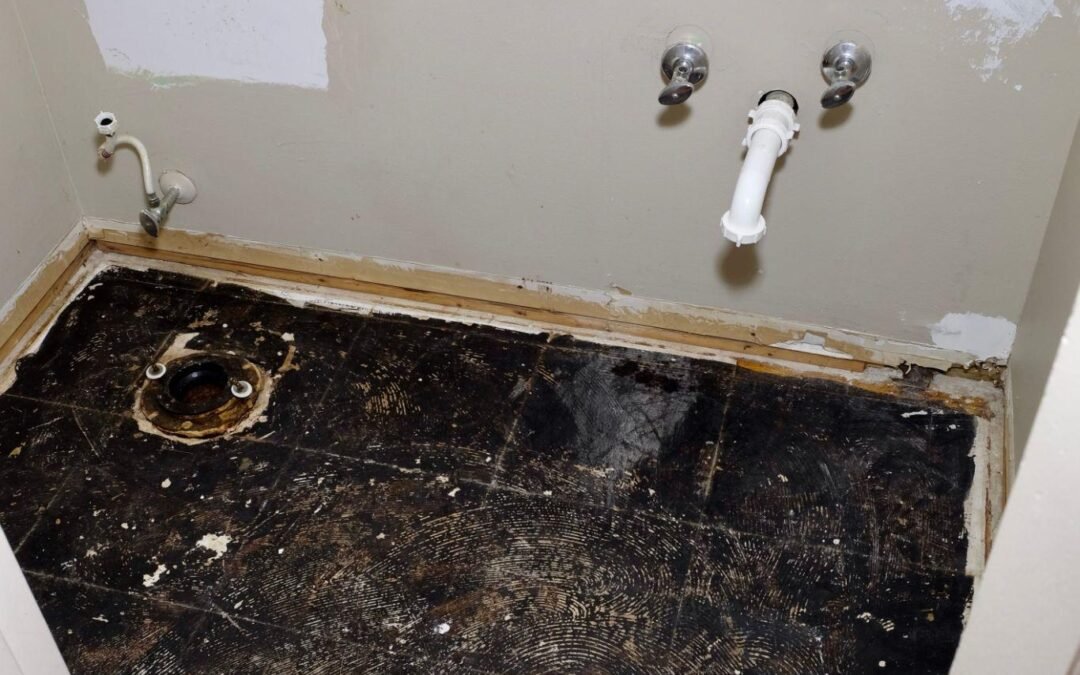
Waterproofing failures cause the most expensive long-term damage. Water penetration into wall cavities and subfloors leads to structural rot, mould growth, and damage to adjacent rooms.
NSW building regulations require licensed waterproofers for bathroom wet areas. Australian Standards AS 3740 mandate specific membrane applications, and certificates of compliance are essential for insurance and resale.
Cutting costs here creates liability. Remediation for water damage typically costs three to five times more than proper initial waterproofing.
Choosing Aesthetics Over Functionality
Instagram-worthy bathrooms often sacrifice practicality. Freestanding baths in small spaces, wall-hung vanities without adequate storage, and statement tiles that show every water mark create daily frustration.
Functionality must drive design decisions. Consider how many people use the bathroom, morning routines, cleaning requirements, and storage needs before selecting finishes.
Beautiful bathrooms that don’t work properly lose their appeal quickly. Balance visual impact with practical performance.
Budget and Financial Planning Mistakes
Financial errors derail more renovations than any other factor. Proper budgeting requires understanding the full cost structure before work begins.
Not Including a Contingency Fund
Every bathroom renovation encounters unexpected issues. Old plumbing that needs replacement, water damage behind tiles, or electrical wiring that doesn’t meet current codes—these discoveries happen regularly.
Industry standard recommends a 15-20% contingency on top of your quoted price. For a $25,000 renovation, set aside an additional $3,750 to $5,000 for unknowns.
Without contingency, unexpected costs force difficult choices: compromise on finishes, pause the project, or go into debt. None of these outcomes serves your interests.
Ignoring Hidden Costs and Allowances
Quotes often exclude items homeowners assume are included. Temporary bathroom facilities, skip bin hire, building permits, and final cleaning frequently sit outside standard pricing.
Material allowances in quotes deserve scrutiny. A “$500 tile allowance” covers basic options only. Upgrading to quality porcelain or natural stone adds $50-150 per square metre.
Request itemised quotes that specify exactly what’s included. Compare like-for-like, not just bottom-line figures.
Focusing Only on Upfront Material Costs
Cheap materials cost more over time. Budget tapware fails within years, requiring replacement. Low-grade tiles chip and stain. Thin vanity tops scratch and discolour.
Quality fittings from established brands carry warranties and spare parts availability. A $400 mixer tap lasting 15 years costs less than three $150 taps replaced every five years.
Consider total cost of ownership, not just purchase price. Bathrooms should last 15-20 years before requiring another renovation.
Design and Layout Errors
Poor design creates bathrooms that frustrate daily use. Layout mistakes are expensive to fix once construction begins.
Poor Space Planning and Traffic Flow
Bathrooms require clear movement paths. Door swings that hit vanities, toilets positioned directly opposite entries, and showers too narrow for comfortable use indicate poor planning.
Minimum clearances matter. Toilets need 400mm side clearance. Showers require 900mm x 900mm minimum internal dimensions. Vanity areas need 700mm standing space.
Professional designers consider these standards automatically. DIY layouts often violate them, creating bathrooms that feel cramped regardless of actual size.
Inadequate Storage Solutions
Storage disappears in poorly planned bathrooms. Wall-hung vanities look sleek but eliminate under-sink storage. Frameless showers remove shelf space. Minimalist designs leave toiletries homeless.
Assess your actual storage needs. Towels, cleaning supplies, toiletries, medications, and spare items all require designated space. Built-in niches, mirrored cabinets, and vanity drawers provide solutions without cluttering the room.
Retrofitting storage after completion is difficult and expensive. Plan it from the start.
Incorrect Fixture Placement
Fixture placement affects both function and compliance. Shower heads positioned too low, toilets too close to walls, and vanities blocking natural light create permanent problems.
Plumbing rough-in happens early in construction. Moving fixtures after this stage requires opening walls and floors, adding significant cost and delay.
Finalise your layout completely before demolition begins. Changes during construction multiply expenses.
Hiring and Contractor Mistakes
Contractor selection determines project success more than any other single factor. Poor hiring decisions lead to substandard work, budget overruns, and legal disputes.
Choosing the Cheapest Quote Without Comparison
The lowest quote often excludes essential items or indicates corner-cutting. Significantly cheaper prices than competitors should raise questions, not celebration.
Compare quotes on scope, not just price. Does each quote include the same waterproofing standard? The same tile preparation? The same fixture quality? Differences in specification explain price variations.
Value matters more than price. A slightly higher quote from a reputable contractor with clear inclusions beats a cheap quote with hidden extras.
Not Verifying Licences and Insurance
NSW requires specific licences for bathroom renovation work. Plumbers, electricians, and waterproofers must hold current trade licences. General contractors need appropriate builder’s licences for work over certain values.
NSW Fair Trading provides free licence verification. Check every tradesperson before signing contracts.
Insurance verification is equally important. Public liability and workers’ compensation protect you from claims if accidents occur on your property. Request certificates, not just verbal assurances.
Poor Communication and Unclear Scope
Misunderstandings cause most renovation disputes. Verbal agreements about inclusions, finish levels, and timelines create different expectations between homeowners and contractors.
Written contracts should specify every detail: exact products, colours, quantities, timelines, payment schedules, and variation procedures. If it’s not written, it’s not agreed.
Regular communication during construction prevents small issues becoming major problems. Establish check-in schedules and preferred contact methods before work begins.
Waterproofing and Structural Mistakes
Technical errors in waterproofing and structure create the most serious long-term problems. These mistakes often remain hidden until significant damage occurs.
Cutting Corners on Waterproofing Membrane
Waterproofing membranes must cover all wet areas completely, with proper overlap at joints and adequate height on walls. Minimum requirements under AS 3740 specify 1800mm height in shower areas and 150mm on all other wet area walls.
Membrane quality varies significantly. Premium products offer better flexibility, adhesion, and longevity. Budget membranes may meet minimum standards but provide less protection margin.
Waterproofing certificates from licensed applicators are mandatory. These documents prove compliance and support insurance claims if failures occur.
Ignoring Ventilation Requirements
Bathrooms generate significant moisture. Without adequate ventilation, this moisture damages paint, promotes mould growth, and degrades building materials.
Mechanical ventilation is essential in bathrooms without windows. Extract fans should move a minimum of 25 litres per second and vent directly outside, not into roof cavities.
Even bathrooms with windows benefit from extract fans. Sydney’s humid climate means natural ventilation often proves insufficient, particularly during winter when windows stay closed.
Overlooking Structural Assessments
Older Sydney homes may have structural issues affecting bathroom renovations. Sagging floors, deteriorated bearers, and inadequate framing require attention before new finishes are applied.
Heavy items like freestanding baths need structural support verification. A full cast iron bath with water and occupant can weigh over 400kg—more than standard floor framing handles safely.
Structural problems discovered mid-renovation cause major delays and cost increases. Pre-renovation inspections identify issues when they’re cheapest to address.
Material and Fitting Selection Mistakes
Material choices affect both immediate appearance and long-term performance. Poor selections create maintenance headaches and premature replacement needs.
Selecting Non-Rated Tiles for Wet Areas
Floor tiles in wet areas require slip resistance ratings. AS 4586 specifies minimum ratings: R10 for bathroom floors, R11 for shower floors. Decorative tiles without ratings create dangerous slip hazards.
Porosity ratings matter for wet areas. Tiles with high water absorption stain easily and may crack in freeze-thaw conditions. Look for tiles rated below 3% absorption for bathroom applications.
Wall tiles have different requirements. Rectified edges allow tighter grout joints, reducing maintenance. Larger formats mean fewer grout lines but require flatter substrates.
Underestimating Fitting Quality Impact
Tapware, shower mixers, and accessories receive daily use. Budget fittings with plastic internals fail faster than quality brass-bodied alternatives.
Australian WaterMark certification is mandatory for all plumbing products. This certification confirms products meet performance and safety standards. Uncertified products are illegal to install and void insurance.
Brand reputation indicates likely quality and warranty support. Established manufacturers maintain spare parts availability and honour warranty claims. Unknown brands may disappear, leaving you without support.
Mismatching Material Grades
Mixing premium and budget materials creates visual inconsistency. High-end tiles paired with cheap tapware, or quality vanities with budget basins, look unbalanced.
Establish a consistent quality tier for your renovation. Mid-range throughout typically delivers better results than premium in some areas and budget in others.
Material grades should match expected lifespan. There’s no point installing 20-year tiles with 5-year tapware—the fittings will need replacement long before the tiles.
Timeline and Project Management Mistakes
Poor project management extends timelines, increases costs, and creates unnecessary stress. Realistic planning prevents most management failures.
Unrealistic Renovation Timelines
Standard bathroom renovations in Sydney take 3-6 weeks depending on scope. This timeline accounts for demolition, waterproofing cure times, tiling, and fitting installation.
Waterproofing alone requires minimum cure times before tiling can proceed. Rushing this stage risks membrane failure. Quality contractors won’t compromise these timelines regardless of pressure.
Lead times for materials add to schedules. Custom vanities may take 4-6 weeks. Imported tiles can take longer. Order materials early to prevent delays.
Making Changes Mid-Project
Variations during construction cost significantly more than changes during planning. Moving a drain point after waterproofing means removing and reapplying the membrane. Changing tile selections after ordering incurs restocking fees and delivery delays.
Finalise all decisions before construction begins. Tile selections, fixture choices, colours, and layouts should be confirmed and documented in your contract.
If changes become necessary, understand the cost implications before proceeding. Get variation quotes in writing and approve them formally.
Not Planning for Living Arrangements
Bathroom renovations eliminate essential facilities. If you have only one bathroom, you need alternative arrangements for the renovation duration.
Options include temporary portable facilities, arrangements with neighbours, or gym memberships for shower access. Factor these costs into your budget.
Families with young children or elderly residents face additional challenges. Consider whether staying elsewhere during critical phases makes sense for your situation.
How to Avoid Bathroom Renovation Mistakes in Sydney
Sydney’s specific conditions require local knowledge. Climate, building regulations, and market conditions all affect renovation success.
Work With Licensed Sydney Contractors
Local contractors understand Sydney’s building requirements, council processes, and supplier networks. They know which products perform well in Sydney’s humid coastal climate and which cause problems.
NSW Fair Trading maintains contractor licence records. Verify licences before engaging any tradesperson. Check for complaints or disciplinary actions.
Local references provide valuable insight. Ask contractors for recent Sydney project contacts and follow up with those homeowners about their experience.
Get Detailed Written Quotes
Comprehensive quotes protect both parties. They should specify exact products by brand and model, not generic descriptions. “Quality tapware” means nothing—”Caroma Luna basin mixer in chrome” leaves no ambiguity.
Payment schedules should align with work stages. Avoid large upfront payments. Standard structures include deposit (10-20%), progress payments at milestones, and final payment on completion.
Quote validity periods matter. Material prices fluctuate. Ensure quotes remain valid long enough for your decision timeline.
Prioritise Compliance With NSW Building Codes
NSW building codes specify requirements for waterproofing, ventilation, electrical safety, and accessibility. Non-compliant work creates legal liability and affects property value.
Some bathroom renovations require council approval, particularly those involving structural changes or heritage properties. Check requirements before commencing work.
Compliance certificates from licensed tradespeople document that work meets standards. These certificates support insurance claims and property sales. Retain them permanently.
Conclusion
Bathroom renovation mistakes cost Sydney homeowners thousands in repairs, replacements, and remediation. Most errors stem from inadequate planning, poor contractor selection, or budget miscalculation. Understanding these common pitfalls before starting your project puts you in control.
The difference between a successful renovation and a costly failure often comes down to preparation. Detailed budgets with contingency, verified licensed contractors, quality materials, and realistic timelines create the foundation for projects that finish on budget and on schedule.
We help Sydney homeowners renovate with confidence through transparent pricing, clear communication, and quality workmanship. Contact Sydney Home Renovation today for an obligation-free consultation and detailed quote for your bathroom project.
Frequently Asked Questions
What is the biggest mistake people make when renovating a bathroom?
Underestimating the total budget is the most common and costly mistake. Homeowners typically budget for materials and fixtures but forget labour costs, which represent 40-50% of total project cost. Hidden expenses like demolition, waste removal, and compliance requirements add further.
How much contingency should I budget for a bathroom renovation?
Budget 15-20% contingency on top of your quoted price. For a $25,000 renovation, this means setting aside $3,750 to $5,000 for unexpected issues. Older homes may require higher contingency due to increased likelihood of discovering problems behind walls.
Why is waterproofing so important in bathroom renovations?
Waterproofing prevents water penetration into wall cavities and subfloors, which causes structural damage, mould growth, and damage to adjacent rooms. Remediation costs typically run three to five times higher than proper initial waterproofing. NSW regulations require licensed waterproofers and compliance certificates.
Should I get multiple quotes for my bathroom renovation?
Yes, obtain at least three detailed quotes from licensed contractors. Compare quotes on scope and inclusions, not just price. The cheapest quote often excludes essential items or indicates corner-cutting. Ensure each quote specifies the same products and standards for accurate comparison.
What hidden costs should I expect in a bathroom renovation?
Common hidden costs include asbestos testing and removal in pre-1990 homes, plumbing and electrical upgrades to meet current codes, structural repairs discovered during demolition, skip bin hire, temporary facilities, and council permits. Material allowance upgrades also add unexpected costs.
How long does a typical bathroom renovation take in Sydney?
Standard bathroom renovations take 3-6 weeks depending on scope. This includes demolition, waterproofing with required cure times, tiling, and fitting installation. Custom vanities and imported materials may extend timelines due to manufacturing and shipping lead times.
Can I live in my home during a bathroom renovation?
Yes, but you need alternative bathroom arrangements if renovating your only bathroom. Options include portable facilities, neighbour arrangements, or gym memberships for shower access. Families with young children or elderly residents should consider whether temporary relocation makes sense during critical phases.