
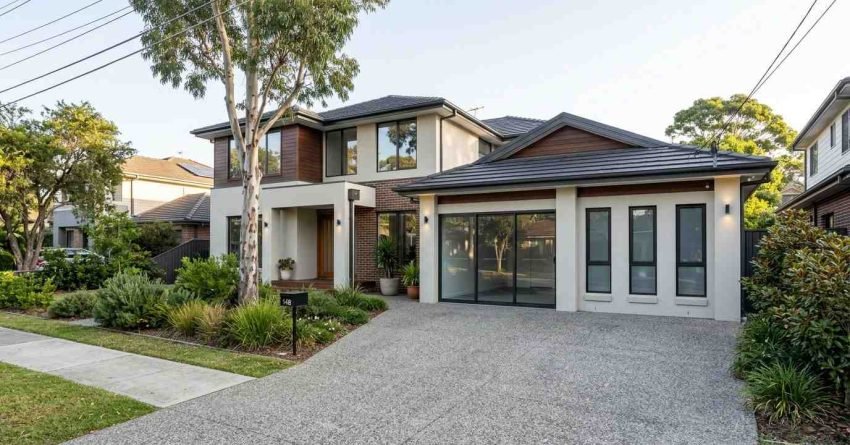
The 10-year rule is a planning enforcement immunity principle that prevents councils from taking action against an unauthorised garage conversion once it has existed continuously for 10 or more years. It originates from UK planning law and is widely referenced in renovation and property circles, but it does not apply in New South Wales or anywhere else in Australia.
Understanding what this rule actually means, where it applies, and what protections exist in NSW is essential before converting a garage, purchasing a property with an existing conversion, or making any renovation decisions based on assumptions about enforcement timelines.
What the 10 Year Rule Actually Means for Garage Conversions
The 10-year rule states that if a building or change of use has been in place continuously for 10 years without council enforcement action, the owner can apply for a Lawful Development Certificate, effectively legalising the structure retrospectively.
This rule applies specifically under the UK Town and Country Planning Act 1990. It gives homeowners a legal pathway to regularise unauthorised works, including garage conversions that have existed long enough to demonstrate no enforcement intent from the local authority.
How the 10 Year Period Is Calculated
The 10-year clock starts from the date the unauthorised change of use or building work was substantially completed, not from when it was discovered or reported. The period must be continuous, meaning the conversion must have been in use throughout without interruption. Owners seeking a Lawful Development Certificate must provide evidence such as photographs, utility records, statutory declarations, or planning correspondence to demonstrate the timeline.
What “Immune from Enforcement” Actually Means in Practice
Immunity from enforcement does not mean the conversion is automatically approved or fully compliant with building regulations. It means the council can no longer issue an enforcement notice requiring the work to be undone. The structure may still have outstanding building regulation requirements, particularly around fire safety, insulation, ventilation, and structural integrity. Buyers, lenders, and insurers may still raise concerns even after a Lawful Development Certificate is issued.
Understanding the rule’s definition is only part of the picture. Council approval requirements for a garage conversion follow an entirely different framework in NSW, one built around development applications, complying development certificates, and exempt development criteria rather than enforcement timelines.

Does the 10 Year Rule Apply in New South Wales?
No. The 10-year rule is a UK planning concept and has no equivalent in NSW or any other Australian state or territory. In NSW, unauthorised building work does not become immune from enforcement simply because time has passed. The Environmental Planning and Assessment Act 1979 governs development approvals in NSW, and councils retain the authority to investigate and act on unapproved structures regardless of their age.
What NSW Homeowners Should Do Instead of Relying on the Rule
NSW homeowners planning a garage conversion have three legitimate pathways: a Development Application (DA) through their local council, a Complying Development Certificate (CDC) through a private certifier if the project meets specific standards, or confirmation that the work qualifies as exempt development under the State Environmental Planning Policy (Exempt and Complying Development Codes) 2008. The right pathway depends on the property’s zoning, the scope of the conversion, and the intended use of the new space. Knowing what a compliant garage conversion costs in Sydney helps homeowners budget accurately for both the construction work and the approval process from the outset.

Why the 10 Year Rule Matters When Buying or Selling Property
Even though the 10-year rule does not apply in Australia, it circulates widely in property and renovation conversations, which creates real risk for buyers and sellers who act on it. A garage conversion completed without council approval in NSW remains unapproved regardless of how long it has been in place. This can affect mortgage eligibility, building insurance coverage, and the ability to obtain an occupation certificate. How an unapproved conversion affects property value is a critical consideration for investors and owner-occupiers alike, particularly when preparing a property for sale or refinancing. Buyers conducting due diligence should always verify council records, not rely on the age of the structure as a proxy for compliance.
Conclusion
The 10-year rule is a UK planning enforcement concept that grants immunity to long-standing unauthorised works; it has no legal standing in NSW or anywhere in Australia.
For Sydney homeowners and investors, the only reliable path to a compliant garage conversion is through the correct approval process, not through waiting out an enforcement clock that does not exist here.
Sydney Home Renovation guides clients through every stage of the approval and construction process. Contact us to plan your garage conversion the right way.
Frequently Asked Questions
Does the 10 year rule apply to all garage conversions in Australia?
No. The 10-year rule is a UK planning law concept. No Australian state or territory has an equivalent enforcement immunity rule based on the age of unauthorised building work.
Can I sell a property with an unapproved garage conversion in NSW?
You can, but it creates risk. Buyers may request rectification, lenders may refuse finance, and insurers may limit coverage. Disclosing unapproved works is strongly recommended.
What happens if I convert a garage without council approval in NSW?
The council can issue a building notice or enforcement order requiring rectification or demolition. Penalties can apply, and the work may need to be brought into compliance at the owner’s expense.
How do I check if a garage conversion has council approval in NSW?
Request a Section 10.7 Planning Certificate and building records from your local council. A licensed conveyancer or building inspector can also review approval history during a property transaction.
Is a garage conversion worth it even if approval is required in Sydney?
Yes, for most properties. A properly approved garage conversion adds usable living space, increases rental yield potential, and supports resale value, provided the work meets council requirements and building standards.


