Bathroom design mistakes cost Sydney homeowners thousands in rectification work. Layout errors alone can add $5,000 to $15,000 to a renovation budget. These aren’t cosmetic issues you can live with; they’re functional failures that affect daily use, property value, and long-term maintenance costs.
The difference between a bathroom that works beautifully for decades and one that frustrates you daily comes down to decisions made before a single tile is laid. Poor ventilation creates mould problems within months. Wrong drain positioning means water pools where it shouldn’t.
We’ve put together this guide covering the most common bathroom design mistakes we see across Sydney renovations, from spatial planning errors to budget miscalculations. You’ll learn exactly what goes wrong, why it matters, and how to avoid each mistake in your own project.
Why Bathroom Design Mistakes Are Costly for Sydney Homeowners
Bathroom renovations represent one of the largest investments Sydney homeowners make in their properties, with the average project running into the tens of thousands of dollars. This makes design errors particularly expensive to correct once work is underway.
Unlike a paint colour you can change or furniture you can move, bathroom design decisions become permanent once installation begins. Tiles are set in adhesive. Plumbing is concealed behind walls, and waterproofing membranes are buried under flooring. Changing your mind after this point means demolition, disposal, and starting again.
The Real Cost of Fixing Design Errors After Installation
Rectifying a poorly positioned drain requires removing floor tiles, cutting through the waterproofing membrane, adjusting pipework, re-waterproofing, and re-tiling. A change that might cost a few hundred dollars during the planning phase can run into thousands once construction has started.
Moving a toilet position after installation involves similar demolition work plus potential structural modifications to accommodate new waste pipe routing. Electrical repositioning in wet areas requires licensed electricians, potential rewiring through wall cavities, and compliance re-certification costs that would have been nothing had the position been specified correctly upfront.
How Poor Planning Affects Resale Value
Buyers notice bathroom design failures immediately. A vanity that blocks the door from opening fully. A shower screen that drips water onto the floor. A toilet positioned so close to the wall that cleaning becomes impossible.
These issues signal poor workmanship to potential buyers, even when the fixtures themselves are high quality. Properties with well-designed bathrooms consistently achieve stronger buyer interest than those with functional compromises, and bathroom quality is widely regarded by real estate professionals as one of the more influential factors in Sydney property valuations, alongside kitchens and outdoor living spaces.
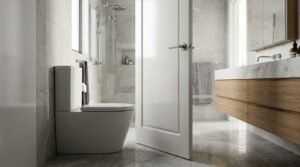
Layout and Space Planning Mistakes
Spatial planning errors create bathrooms that look acceptable in renders but function poorly in daily use. These mistakes affect every interaction you have with the space.
Ignoring the Bathroom Work Triangle
The bathroom work triangle connects your three primary use points: toilet, vanity, and shower or bath. Efficient movement between these points determines how comfortable your bathroom feels during morning routines.
Placing the toilet directly opposite the vanity mirror creates awkward sightlines. Positioning the shower entry so you must walk past the toilet while wet leaves water trails across the floor. Locating the vanity too far from the shower means dripping water across tiles to reach your towel.
Optimal bathroom layouts maintain clear pathways between these three zones while keeping each function visually and physically separated where possible.
Choosing the Wrong Bathroom Layout for Your Space
Small bathrooms require different layouts than large ones. Forcing a freestanding bath into a compact bathroom eliminates functional floor space, while installing a double vanity in a narrow room creates a corridor effect that makes the space feel cramped.
Sydney’s older homes often feature awkward bathroom footprints with alcoves, angled walls, or unusual dimensions. Standard layouts rarely work in these spaces; custom solutions that respond to the actual room geometry consistently outperform template designs.
Consider traffic flow patterns too. A bathroom accessed from a hallway needs different entry positioning than an ensuite accessed from a bedroom, and the relationship between the door swing and the nearest fixture determines whether entry feels natural or obstructed.
Failing to Account for Door Swing and Clearances
Australian Standard AS 1428.1 specifies minimum clearances for accessible bathrooms, but even standard bathrooms benefit from adequate circulation space. A toilet requires 450mm clearance from the centre line to any side wall or obstruction, and shower entries need a minimum 600mm clear width.
Door swings consume floor space that many homeowners forget to account for. An inward-opening door in a small bathroom may collide with the vanity, toilet, or shower screen, whereas outward-opening doors or sliding pocket doors solve this problem with early planning.
Measure your existing bathroom with the door fully open and note where conflicts occur. Your new design should eliminate these conflicts, not replicate them.
Ignoring Future Accessibility Needs
Many homeowners design purely for their current stage of life and overlook how their needs might change. A step-up shower base, narrow doorway, or awkwardly placed grab-rail blocking creates barriers that become expensive to retrofit later.
We recommend specifying step-free shower bases, reinforced wall blocking for future grab rails, and wider doorway clearances even if you don’t need them immediately. This costs very little extra during construction but avoids major rework if mobility needs change, and it’s a feature increasingly valued by buyers when you eventually sell.
Storage and Functionality Oversights
Beautiful bathrooms without adequate storage become cluttered within weeks of completion. Functionality must drive design decisions, not follow them.
Underestimating Storage Needs
List every item currently stored in your bathroom: toiletries, medications, cleaning supplies, towels, toilet paper reserves, hair styling tools, cosmetics, and first aid supplies. Most homeowners significantly underestimate this inventory when planning storage space.
Now consider items you wish you could store in your bathroom but currently keep elsewhere. A well-designed bathroom accommodates both current needs and reasonable future requirements.
Vanity storage provides the most accessible space for daily-use items. Wall-mounted cabinets add capacity without consuming floor space, and recessed niches in shower walls eliminate the need for corner caddies that collect soap scum and mould.
Prioritising Aesthetics Over Practicality
Floating vanities create a modern aesthetic but eliminate under-sink storage that traditional vanities provide. Open shelving looks beautiful in magazine photos but requires constant tidying to maintain appearance.
Vessel basins sitting atop vanity counters reduce usable bench space and create splash zones that require frequent wiping. Wall-mounted tapware looks sleek but complicates future maintenance access.
Every aesthetic choice has functional implications. Understanding these trade-offs before committing allows you to make informed decisions rather than discovering limitations after installation.
Forgetting About Daily Use Patterns
Consider who uses the bathroom and when. A family bathroom serving multiple children needs different storage solutions than a master ensuite used by two adults, and a powder room for guests requires minimal storage but maximum impact.
Morning routines often involve multiple family members accessing the bathroom simultaneously or in quick succession. Double vanities, separate toilet compartments, or shower-over-bath configurations can address these patterns.
Think about maintenance routines too. Designs that make it hard to clean behind the toilet, reach the exhaust fan filter, or access plumbing for future repairs create ongoing frustration.
Plumbing and Drainage Errors
Plumbing mistakes are among the most expensive to rectify because pipes and drains are concealed within floor and wall structures. Getting these decisions right during planning is essential.
Moving Wet Areas Without Proper Assessment
Relocating toilets, showers, or basins from their original positions requires careful assessment of existing drainage infrastructure. Floor joists, concrete slab thickness, and fall gradients to sewer connections all constrain what’s possible.
Sydney homes built on concrete slabs present particular challenges. Cutting channels through slabs for new drain runs is expensive and structurally significant, and some positions simply cannot accommodate toilet waste pipes without raising floor levels or creating stepped platforms.
Timber-floored homes offer more flexibility but still require adequate fall to existing drain connections. Moving a shower to the opposite end of the bathroom may require pipe runs that cannot achieve minimum fall gradients within available floor depth.
Incorrect Drain Positioning and Fall Gradients
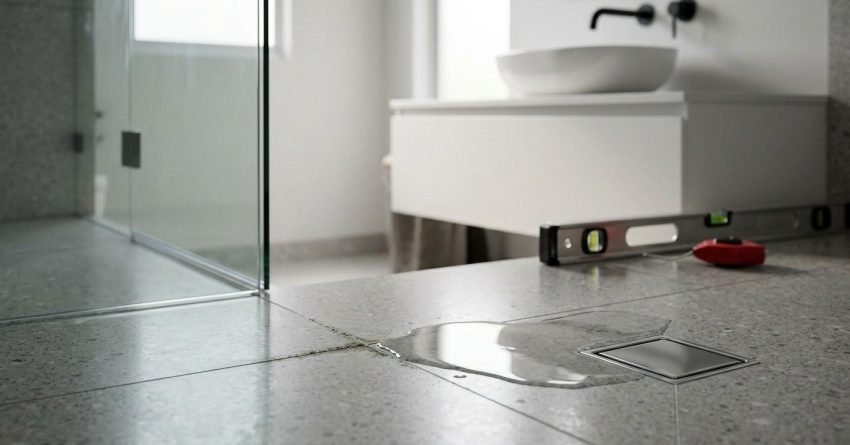
Australian Standard AS 3500.2 requires a minimum 1:100 fall gradient for shower drains and 1:60 for floor wastes. Insufficient fall causes water to pool rather than drain, creating slip hazards and hygiene issues.
Drain positioning affects how water flows across the shower floor. Centre drains require falls from all four directions, which can create uncomfortable standing surfaces, while linear drains along one wall allow single-direction falls that feel more natural underfoot.
Floor waste positioning matters too. These drains capture overflow from basins, leaking taps, or cleaning water, so positioning them in corners or behind toilets where water naturally collects makes sense.
Undersizing Water Supply Lines
Older Sydney homes often have narrow copper supply lines that struggle to deliver adequate pressure when multiple outlets operate simultaneously. Running a shower while someone flushes the toilet shouldn’t cause temperature spikes or pressure drops.
Modern bathrooms with rain showerheads, body jets, and multiple basins require larger supply lines to maintain consistent pressure. Upgrading mains supply during renovation prevents disappointing performance from premium fixtures.
Hot water system capacity also matters. Instantaneous systems may struggle to supply large rain showerheads at comfortable temperatures, while storage systems need adequate capacity for expected simultaneous use patterns.
Ventilation and Waterproofing Failures
Sydney’s humid climate makes ventilation and waterproofing particularly critical. Failures in either area lead to mould growth, structural damage, and costly remediation.
Inadequate Exhaust Fan Sizing and Placement
Exhaust fans are rated by air extraction capacity measured in litres per second, and undersized fans cannot remove moisture quickly enough to prevent condensation. A small powder room needs less extraction capacity than a large bathroom with a spa bath.
Fan placement affects extraction efficiency. Positioning directly above the shower captures steam at its source, and ceiling-mounted fans generally outperform wall-mounted units. Ducting to external atmosphere rather than roof cavities prevents moisture accumulation in ceiling spaces.
Timer functions or humidity sensors ensure fans run long enough to clear moisture after showering. Manual switches that get forgotten allow humidity to linger and condense on cooler surfaces.
Skimping on Waterproofing Membrane Quality
Waterproofing represents a small percentage of total bathroom renovation cost but protects against catastrophic water damage. Membrane failures cause structural timber rot, mould contamination, and damage to adjacent rooms.
Australian Standard AS 3740 specifies waterproofing requirements for wet areas. Shower floors and walls to 1800mm height require membrane application, and bathroom floors outside showers require waterproofing to 150mm up walls at minimum.
Quality membranes from reputable manufacturers applied by licensed waterproofers provide the best protection. Budget membranes or DIY application may pass initial inspection but fail prematurely under daily use conditions.
Ignoring Sydney’s Humidity and Climate Factors
Sydney’s subtropical climate produces high humidity levels year-round, with summer months regularly bringing sustained high relative humidity. Bathrooms in Sydney homes face greater moisture challenges than those in drier climates.
Material selections should account for this environment. Timber vanities require sealed finishes that resist moisture penetration, metal fixtures need corrosion-resistant coatings, and grout should be epoxy-based rather than cement-based for superior water resistance.
Natural ventilation through windows helps but rarely suffices alone. Most Sydney bathrooms require mechanical exhaust systems operating daily to maintain acceptable humidity levels.
Lighting Design Mistakes
Bathroom lighting affects both functionality and ambiance. Poor lighting design creates shadows that make grooming difficult and atmospheres that feel clinical or gloomy.
Relying on a Single Light Source
A single ceiling-mounted light fixture cannot adequately illuminate a bathroom. It creates shadows under brows and chins that make shaving and makeup application difficult.
Effective bathroom lighting combines multiple sources: general overhead lighting for overall illumination, task lighting for grooming activities, and accent lighting for atmosphere. Each serves a different purpose and should be independently controllable.
Dimmer switches allow adjustment for different activities and times of day. Bright task lighting for morning routines can soften to ambient levels for evening relaxation.
Poor Placement Around Mirrors and Vanities
Overhead lighting above mirrors casts shadows on faces that make grooming difficult. Side-mounted sconces or vertical LED strips flanking mirrors provide even illumination across facial features.
Backlit mirrors create attractive visual effects but may not provide sufficient task lighting alone. Combining backlit mirrors with additional vanity lighting ensures both aesthetic appeal and functional performance.
Consider mirror size and vanity width when positioning lights. A wide double vanity needs lighting that covers both stations adequately.
Forgetting Task Lighting in Key Zones
Shower recesses benefit from dedicated waterproof downlights that illuminate the space without relying on light from outside the enclosure. Dark showers feel cramped and make it difficult to read product labels.
Toilet areas in separate compartments need independent lighting. Relying on light spill from the main bathroom leaves these spaces dim and unwelcoming.
Niche lighting within recessed shelving highlights stored items and adds visual interest. LED strip lighting under floating vanities provides subtle floor-level illumination for night-time visits.
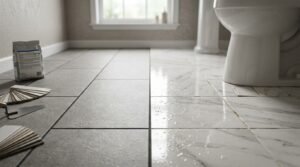
Tile and Material Selection Errors
Tile choices affect safety, maintenance, and long-term appearance. Selections made purely on visual appeal often create practical problems.
Choosing Slippery Floor Tiles
Tile slip resistance is measured by the P rating system in Australia. Bathroom floors should use tiles rated P3 or higher for barefoot wet areas, yet many visually appealing tiles rate P1 or P2 and become dangerously slippery when wet.
Polished porcelain and glazed ceramic tiles often have poor slip resistance despite their popularity. Matte finishes, textured surfaces, and smaller format tiles with more grout lines generally provide better grip.
Testing tiles by wetting a sample and walking on it barefoot reveals the truth quickly. No amount of bath mats compensates for fundamentally unsafe flooring.
Mismatched Tile Sizes for Small Spaces
Large format tiles create fewer grout lines, which can make spaces appear larger. Large tiles in small bathrooms require more cuts, create more waste, and may result in awkward partial tiles along edges.
Small bathrooms often work better with medium format tiles that allow full tiles or balanced cuts across most surfaces. The visual benefit of fewer grout lines diminishes once tiles must be cut into narrow slivers to fit.
Ignoring Grout Colour and Maintenance Requirements
White grout between floor tiles shows dirt and staining within months of installation. Dark grout hides soil better but may fade or discolour over time.
Epoxy grout resists staining and moisture penetration better than cement-based grout but costs more and requires skilled application. For shower floors and high-moisture areas, the additional cost often proves worthwhile.
Fixture and Fitting Mistakes
Fixtures and fittings are the elements you interact with daily. Wrong selections create ongoing frustration that no amount of beautiful tiling can overcome.
Selecting the Wrong Size Vanity or Toilet
Vanity depth affects both storage capacity and floor space. Standard vanities measure 450mm to 600mm deep, while compact vanities suit tight spaces but sacrifice storage and bench area.
Toilet projection from the wall varies significantly between models. In small bathrooms, this difference meaningfully affects circulation space, so measure your available space carefully and check fixture dimensions against your floor plan before purchasing.
Overlooking Tapware Quality and Water Pressure Compatibility
Premium tapware from quality manufacturers provides smoother operation, better sealing, and longer service life than budget alternatives. The price difference between cheap and quality tapware is modest compared to total renovation cost.
Some tapware requires minimum water pressure to operate correctly, and thermostatic shower mixers in particular can be sensitive to low-pressure supply. Sydney water pressure varies significantly by suburb and elevation, so homes on hills or at the end of supply lines should check pressure before selecting tapware.
Installing Fixtures at Incorrect Heights
Standard mounting heights exist for good reasons. Vanity basins around 850mm to 900mm suit most adults comfortably, and deviating from standard heights without reason creates awkward use experiences.
Vanities mounted too high strain shoulders during hand washing, and toilets too low make standing difficult for older users. Consider who will use the bathroom when setting heights; children’s bathrooms might use lower fixtures, while accessible bathrooms require specific heights for wheelchair users.
Overlooking WELS Ratings and Water Efficiency
Every tap, showerhead, and toilet sold in Australia carries a Water Efficiency Labelling Scheme (WELS) star rating, yet many homeowners choose fixtures on looks alone without checking this. A low-rated showerhead can use substantially more water per minute than a high-efficiency alternative, adding real cost to your water bill over the life of the fixture.
Choosing WELS-rated fixtures with 4 stars or higher where possible reduces ongoing water costs without sacrificing performance. It’s a simple check at the showroom that pays off for years afterward.
Electrical and Safety Compliance Issues
Bathroom electrical work must comply with Australian Standards and requires licensed electricians. Non-compliant installations create safety hazards and may void insurance coverage.
Insufficient Power Points in Safe Zones
Australian Standard AS/NZS 3000 defines zones within bathrooms where electrical installations are restricted. Zone 0 is inside baths and showers, Zone 1 is directly above them, and Zone 2 extends 600mm horizontally from Zone 1.
Power points cannot be installed in Zones 0 or 1, though Zone 2 allows power points with appropriate protection. Plan power point locations for hair dryers, electric shavers, and styling tools to avoid extension cords and powerboards creating hazards in wet environments.
Non-Compliant Electrical Work in Wet Areas
All bathroom electrical work requires completion by licensed electricians. DIY electrical work is illegal in Australia and creates serious safety risks.
Light fittings in wet areas must have appropriate IP ratings for moisture exposure. Fittings directly above showers need IP65 or higher ratings, since standard fittings in these locations may short-circuit or corrode.
Forgetting Heated Towel Rail and Underfloor Heating Planning
Heated towel rails require electrical connections or hot water plumbing depending on type. Electric rails need power points or hardwired connections in appropriate locations, while hydronic rails need hot water pipe runs from your heating system.
Underfloor heating must be installed before floor tiling. If you might want it, include it in initial planning even when you defer the actual installation, because adding it later requires complete floor removal.
Budget and Timeline Planning Mistakes
Financial and scheduling errors derail more bathroom renovations than design failures. Realistic planning prevents the stress of cost overruns and extended timelines.
Not Allowing Contingency for Hidden Problems
Every bathroom renovation uncovers unexpected issues once demolition begins: rotted timber framing behind tiles, corroded pipes within walls, asbestos materials requiring specialist removal, or inadequate structural support for new fixtures.
We recommend building a contingency allowance of 10 to 20 percent of the total budget, with older homes and bathrooms showing visible water damage budgeting toward the higher end. This contingency should be genuinely available, not theoretical; plan your renovation to leave real buffer room rather than spending to your absolute ceiling.
Choosing Cheap Materials That Cost More Long-Term
Budget tapware that fails within two years costs more than quality tapware that lasts fifteen years. Cheap tiles that chip and crack require earlier replacement than durable alternatives, and false economy in material selection increases lifetime costs.
Considering cost per year of service rather than purchase price alone changes the calculation. Quality materials typically deliver better value despite higher upfront costs, though this doesn’t mean choosing the most expensive option in every category.
Getting the Trade Sequence Wrong
Renovation trades need to happen in a specific order, and getting this sequence wrong causes expensive rework. Tiling before rough-in electrical and plumbing is finalised, for example, often means cutting into finished surfaces later.
We sequence waterproofing, plumbing rough-in, and electrical rough-in before tiling begins, then finish with fixture installation once surfaces are complete. Skipping ahead to “get something done” almost always costs more time and money than following the correct order.
Rushing the Design Phase to Start Demolition
Pressure to begin work quickly leads to inadequate design development. Decisions made hastily during construction cost more to change than decisions made carefully during planning.
Allowing a minimum of two to four weeks for design development before commencing work provides time for proper measurement, fixture selection, material sampling, and quote comparison. A few extra weeks of planning prevents years of regret over avoidable mistakes.

How to Avoid These Mistakes with Professional Guidance
Professional guidance during planning prevents the mistakes outlined throughout this guide. The cost of expert input is minor compared to rectification costs from poor decisions.
The Value of a Detailed Design and Scope Document
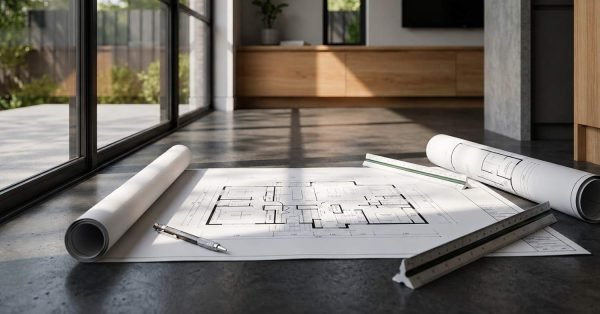
A comprehensive design and scope document specifies every element of your bathroom renovation before work begins: fixture models and positions, tile selections and layouts, electrical and plumbing locations, and finish specifications and colours.
This document becomes the reference point for all work. It prevents misunderstandings between you and your contractor, allows accurate quoting without allowances for undefined items, and provides a benchmark for assessing completed work.
Working with Experienced Sydney Bathroom Renovators
Experienced bathroom renovators have encountered the problems described in this guide many times. They know which layouts work in Sydney homes, understand local plumbing and electrical requirements, and can identify potential issues before they become expensive problems.
Look for renovators who ask detailed questions about your needs and preferences, provide comprehensive quotes with clear specifications, and explain their recommendations. Avoid renovators who promise unrealistic timelines or budgets, who are vague about inclusions, or who pressure you to commit quickly without adequate planning time.
Conclusion
Bathroom design mistakes create lasting problems that affect daily comfort, property value, and long-term maintenance costs. The errors covered in this guide, from layout planning and plumbing positioning to material selection and budget management, are preventable with proper planning and professional guidance.
Understanding these common pitfalls puts you in a stronger position to make informed decisions about your own bathroom renovation. The principles remain consistent whether you’re a first-time renovator or an experienced property investor: invest time in planning, choose quality over false economy, and work with professionals who understand Sydney’s specific requirements.
We help Sydney homeowners and property investors avoid these mistakes through transparent planning, detailed documentation, and experienced project delivery. Contact Sydney Home Renovation today to discuss your bathroom renovation and learn how proper design prevents costly errors before they happen.
Frequently Asked Questions
What is the most common bathroom design mistake?
Inadequate storage ranks as the most common bathroom design mistake. Homeowners consistently underestimate how much storage they need, resulting in cluttered countertops and items stored outside the bathroom.
How much does it cost to fix bathroom design errors?
Fixing bathroom design errors typically costs thousands of dollars depending on the issue. Repositioning drains or toilets after installation requires demolition, waterproofing repairs, and re-tiling.
Should I hire a designer for a small bathroom renovation?
Professional design input benefits bathrooms of all sizes. Small bathrooms actually present greater design challenges because every centimetre matters, and a designer helps maximise functionality within limited space.
What bathroom layout works best for Australian homes?
The best bathroom layout depends on your specific room dimensions and household needs. Generally, keeping wet areas grouped together simplifies plumbing and waterproofing, and entry doors should never obstruct fixture access.
How do I avoid waterproofing failures in my bathroom?
Use quality waterproofing membranes applied by licensed waterproofers who provide certificates of compliance. Ensure membranes extend to required heights and allow adequate curing time before tiling.
What tile size is best for a small bathroom?
Medium format tiles often work best in small bathrooms. They balance fewer grout lines with practical installation, avoiding the awkward cuts that large format tiles can require.
How long should I spend on the design phase?
Allow a minimum of two to four weeks for bathroom design development. This provides time for measurements, fixture research, material selection, and quote comparison before committing.