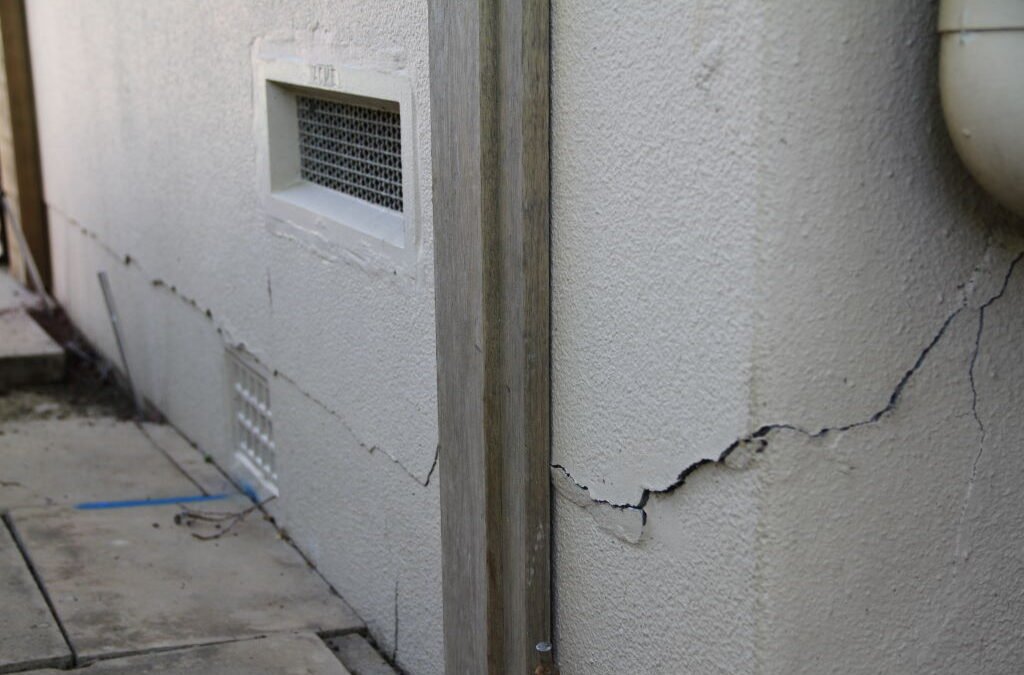
Structural damage is the biggest red flag in a home inspection. Foundation cracks, uneven floors, and wall separation signal problems that can cost Sydney homeowners $15,000 to $100,000 or more to repair. These issues threaten both safety and property value.
For homeowners planning renovations or investors assessing properties, understanding inspection red flags prevents costly surprises. A single structural defect can derail your renovation budget entirely. It can also eliminate any return on your investment.
This guide explains what constitutes the biggest red flag, how to identify warning signs, and what steps to take when problems appear. You’ll learn to protect your investment before signing contracts.
Understanding Home Inspection Red Flags
A building inspection reveals the true condition of a property. It exposes problems hidden behind fresh paint and staged furniture. For buyers in Sydney’s competitive market, this information determines whether a property represents opportunity or financial disaster.
Red flags range from minor maintenance issues to major structural defects. Knowing the difference saves you from purchasing problems you cannot afford to fix.
What Qualifies as a Red Flag in a Home Inspection
A red flag is any issue that poses significant safety, structural, or financial risk. Minor cosmetic problems don’t qualify. Peeling paint or worn carpet are negotiating points, not deal-breakers.
True red flags include:
- Structural defects affecting the building’s integrity
- Active water intrusion causing ongoing damage
- Electrical hazards creating fire or shock risks
- Major system failures requiring immediate replacement
- Evidence of concealed damage suggesting undisclosed problems
Building inspectors in NSW classify issues by severity. Major defects require immediate attention. Minor defects need monitoring. Understanding this classification helps you prioritise concerns.
Why Red Flags Matter for Sydney Property Buyers
Sydney’s median house price exceeded $1.6 million in early 2025. At these prices, inspection findings carry enormous financial weight. A structural issue representing 5% of property value could cost $80,000 to address.
Many Sydney homes were built during periods with less stringent building codes. Properties from the 1950s through 1980s often contain asbestos, outdated wiring, and foundation systems vulnerable to Sydney’s reactive clay soils.
First-time buyers face particular risk. Emotional attachment to a property can override rational assessment of inspection findings. Investors must calculate repair costs against rental yields and capital growth projections.
The Biggest Red Flag: Structural Damage and Foundation Issues
Structural damage tops every inspector’s list of critical concerns. It affects the building’s fundamental integrity. Unlike cosmetic issues or even major system replacements, structural problems can render a property unsafe or economically unviable to repair.
Foundation issues are especially concerning in Sydney. The region’s reactive clay soils expand and contract with moisture changes. This movement stresses foundations, causing cracks, settlement, and structural distortion over time.
Signs of Foundation Problems During Inspection
Foundation problems reveal themselves through multiple warning signs. Inspectors look for patterns indicating active movement or historical damage.
Exterior warning signs:
- Cracks in brickwork wider than 5mm
- Stair-step cracking following mortar joints
- Gaps between walls and window or door frames
- Visible foundation cracks or crumbling concrete
- Uneven or sloping external ground levels against the building
Interior warning signs:
- Doors and windows that stick or won’t close properly
- Cracks radiating from door and window corners
- Uneven or bouncy floors
- Gaps between walls and ceilings
- Cracks in internal plaster, especially diagonal patterns
Structural indicators:
- Bowing or leaning walls
- Sagging rooflines
- Separated or cracked support beams
- Evidence of previous repairs or underpinning
A single crack doesn’t necessarily indicate serious problems. Inspectors assess crack patterns, widths, and whether movement appears active or historical. Multiple signs appearing together warrant serious concern.
How Structural Damage Affects Property Value
Structural issues impact property value in three ways: immediate repair costs, ongoing maintenance requirements, and reduced buyer appeal when you eventually sell.
Immediate value reduction: Properties with known structural defects typically sell for 10-25% below comparable homes without issues. Buyers factor in repair costs plus a risk premium for unknown complications.
Financing complications: Many lenders require structural certification before approving mortgages. Properties with significant defects may not qualify for standard financing, limiting your buyer pool.
Insurance implications: Home insurance policies often exclude pre-existing structural damage. You may face higher premiums or coverage limitations.
Renovation constraints: Planning bathroom renovations or other improvements becomes complicated when structural integrity is questionable. Load-bearing wall modifications require engineering assessment. Wet area waterproofing may be compromised by ongoing movement.
Cost Implications of Foundation Repairs in Sydney
Foundation repair costs in Sydney vary dramatically based on damage extent and chosen remediation method.
Minor crack repair: $500-$2,000 for cosmetic repairs to stable, non-structural cracks.
Resin injection: $2,000-$8,000 for stabilising minor foundation movement using expanding resin.
Underpinning: $15,000-$50,000 for traditional concrete underpinning of affected sections.
Full foundation replacement: $50,000-$150,000+ for severe cases requiring complete foundation reconstruction.
These figures don’t include consequential repairs. Once foundations are stabilised, you’ll likely need:
- Crack repairs throughout the building
- Door and window realignment
- Potential replastering of affected walls
- Possible retiling in wet areas
According to the Housing Industry Association, foundation-related repairs represent one of the most expensive categories of residential construction work. Sydney’s soil conditions make these repairs more common than in other Australian capitals.
Other Critical Red Flags to Watch For
While structural damage ranks as the biggest concern, several other issues warrant serious attention. Each can cost tens of thousands to address and may indicate broader property problems.
Water Damage and Moisture Problems
Water causes more property damage than any other single factor. It destroys materials, promotes mould growth, and can compromise structural elements over time.
Signs of water damage:
- Staining on ceilings or walls
- Bubbling or peeling paint
- Musty odours indicating mould
- Warped flooring or skirting boards
- Efflorescence (white salt deposits) on masonry
Common sources:
- Roof leaks from damaged tiles or flashing
- Failed waterproofing in bathrooms and wet areas
- Rising damp from inadequate damp-proof courses
- Poor drainage directing water toward foundations
- Leaking pipes within wall cavities
Water damage in bathrooms particularly concerns renovation planners. Failed waterproofing membranes require complete wet area reconstruction. You cannot simply tile over existing problems.
Electrical System Deficiencies
Electrical issues create fire and electrocution hazards. Older Sydney homes often contain outdated wiring that doesn’t meet current safety standards.
Red flag indicators:
- Knob-and-tube or cloth-wrapped wiring
- Aluminium wiring (common in 1960s-70s homes)
- Insufficient circuit breaker capacity
- Missing safety switches (RCDs)
- Evidence of DIY electrical work
- Burning smells or discoloured outlets
Rewiring a typical Sydney home costs $8,000-$20,000 depending on size and accessibility. This expense should factor into your purchase calculations.
NSW regulations require safety switches on power circuits. Properties without them need immediate upgrades.
Roofing Issues and Deterioration
Roof problems allow water entry and can indicate broader maintenance neglect. Sydney’s weather cycles stress roofing materials significantly.
Warning signs:
- Missing, cracked, or displaced tiles
- Sagging rooflines suggesting structural issues
- Deteriorated flashing around penetrations
- Blocked or damaged gutters
- Evidence of previous patch repairs
Roof replacement costs $15,000-$40,000 for a typical Sydney home. Partial repairs may extend roof life but often indicate approaching full replacement.
Terracotta tiles common on older Sydney homes last 50-70 years with proper maintenance. Concrete tiles typically last 30-50 years. Metal roofing varies widely based on material quality.
Plumbing Concerns and Hidden Leaks
Plumbing problems range from minor fixture issues to major pipe failures requiring extensive excavation.
Inspection red flags:
- Low water pressure throughout the property
- Slow drains in multiple locations
- Discoloured water indicating pipe corrosion
- Evidence of previous leak repairs
- Outdated pipe materials (galvanised steel, lead)
High-cost concerns:
- Sewer line damage or tree root intrusion
- Failed hot water systems
- Polybutylene pipes (prone to failure)
- Inadequate pipe sizing for modern fixtures
Replacing main sewer lines costs $5,000-$15,000 in Sydney. Full replumbing of an older home runs $10,000-$25,000.
For bathroom renovation planning, existing plumbing condition determines whether you can simply update fixtures or need complete pipe replacement.
Pest Infestations and Termite Damage
Termites cause more damage to Australian homes than fires, floods, and storms combined. Sydney’s climate provides ideal termite conditions.
Warning signs:
- Mud tubes on foundations or walls
- Hollow-sounding timber when tapped
- Sagging floors or ceilings
- Visible termite damage to exposed timber
- Discarded wings near windows or doors
According to CSIRO research, approximately one in three Australian homes will experience termite activity during their lifetime. Sydney’s northern and western suburbs face particularly high risk.
Termite damage repair costs depend entirely on extent. Minor damage might cost $2,000-$5,000 to address. Extensive structural damage can exceed $50,000.
Annual termite inspections cost $250-$400. Barrier treatments cost $2,000-$5,000. These ongoing costs should factor into ownership calculations.
How to Respond When Red Flags Appear
Discovering red flags doesn’t automatically mean walking away. Your response depends on issue severity, repair costs, and your negotiating position.
Questions to Ask Your Building Inspector
Your inspector’s expertise extends beyond identifying problems. They can help you understand implications and options.
Essential questions:
- “Is this issue structural or cosmetic?”
- “Is the damage active or historical?”
- “What’s the likely cause of this problem?”
- “What repairs would you recommend?”
- “What’s the approximate cost range for remediation?”
- “Should I get a specialist assessment?”
- “Have you seen similar issues in this area?”
Request clarification on anything unclear in the written report. Inspectors use technical terminology that may not translate directly to practical understanding.
Ask about urgency. Some issues need immediate attention. Others can wait months or years with monitoring.
Negotiating After Discovering Issues
Inspection findings provide legitimate grounds for price negotiation or requesting repairs before settlement.
Negotiation approaches:
Price reduction: Request a reduction equal to estimated repair costs plus a contingency margin. Sellers often accept 70-80% of quoted repair costs as reasonable.
Repair credits: Ask for a credit at settlement rather than completed repairs. This gives you control over contractor selection and work quality.
Seller-completed repairs: Request repairs before settlement with evidence of completion. This approach carries risk if work quality is poor.
Extended settlement: Negotiate additional time to obtain specialist assessments or detailed repair quotes.
Document everything in writing. Verbal agreements don’t survive settlement disputes.
When to Walk Away from a Property
Some findings justify abandoning a purchase regardless of price adjustments.
Walk away indicators:
- Structural damage requiring engineering assessment shows extensive foundation failure
- Multiple major systems need simultaneous replacement
- Evidence of concealed damage suggests seller dishonesty
- Repair costs exceed your financial capacity
- Issues would prevent planned renovations or improvements
- Specialist reports reveal problems beyond initial inspection findings
Walking away costs you inspection fees and possibly legal expenses. These pale against purchasing a property with $100,000+ in hidden problems.
Trust your instincts. If inspection findings create ongoing anxiety about the purchase, that emotional cost matters too.
Protecting Your Investment Before Purchase
Prevention costs less than remediation. Proper due diligence before purchase protects your investment and renovation plans.
Choosing a Qualified Building Inspector in Sydney
Inspector quality varies significantly. Qualifications, experience, and thoroughness all affect report value.
Selection criteria:
- Licensing: NSW requires building inspectors to hold appropriate licenses. Verify credentials through NSW Fair Trading.
- Insurance: Professional indemnity insurance protects you if inspectors miss significant defects.
- Experience: Inspectors familiar with Sydney’s building stock recognise area-specific issues.
- Report quality: Request sample reports before booking. Detailed reports with photos provide more value.
- Specialisations: Some inspectors offer additional expertise in areas like heritage buildings or specific construction types.
Questions for potential inspectors:
- “How long have you been inspecting in Sydney?”
- “What’s included in your standard inspection?”
- “Do you provide thermal imaging or moisture testing?”
- “Can I attend the inspection?”
- “How quickly will I receive the report?”
Expect to pay $400-$700 for a comprehensive building inspection in Sydney. Cheaper options often deliver superficial assessments.
Understanding Inspection Report Terminology
Inspection reports use standardised terminology that may confuse first-time buyers.
Common classifications:
- Major defect: Significant issue affecting safety, structural integrity, or requiring substantial repair. Requires immediate attention.
- Minor defect: Issue requiring maintenance but not posing immediate risk. Should be addressed within reasonable timeframe.
- Maintenance item: Normal wear requiring routine attention. Not typically negotiation points.
- Safety hazard: Immediate risk to occupants. May require rectification before occupation.
- Further investigation recommended: Inspector identified potential issues beyond their expertise. Specialist assessment needed.
Report sections to prioritise:
- Executive summary highlighting major concerns
- Structural assessment findings
- Moisture and water damage sections
- Safety hazard listings
- Recommendations for specialist reports
Don’t skip the detailed sections. Summary pages may omit context that changes your understanding of findings.
Conclusion
Structural damage remains the biggest red flag in any home inspection. Foundation issues, wall cracks, and uneven floors signal problems that can cost Sydney homeowners tens of thousands to repair. These defects affect safety, property value, and your ability to complete planned renovations.
Understanding inspection findings empowers better decisions. Whether you’re purchasing your first home, investing in property, or planning renovations, knowing what red flags mean helps you negotiate effectively and avoid costly mistakes.
We help Sydney homeowners navigate renovation projects with confidence. At Sydney Home Renovation, our transparent approach to cost planning and construction expertise ensures your renovation stays on budget and delivers lasting value. Contact us to discuss how inspection findings might affect your renovation plans.
Frequently Asked Questions
What is considered a major defect in a home inspection?
A major defect is any issue affecting structural integrity, safety, or requiring significant repair expenditure. Examples include foundation cracks, roof structural damage, major water intrusion, and electrical hazards. These findings typically warrant price negotiation or further specialist assessment.
Can you negotiate price after a bad home inspection?
Yes. Inspection findings provide legitimate grounds for renegotiation. Request price reductions equal to repair costs, ask for repair credits at settlement, or require seller-completed repairs before purchase. Document all agreements in writing through your conveyancer.
How much do foundation repairs cost in Sydney?
Foundation repair costs range from $2,000 for minor resin injection to $50,000+ for extensive underpinning. Full foundation replacement can exceed $100,000. Sydney’s reactive clay soils make foundation issues more common than other Australian cities.
Should I buy a house with structural issues?
It depends on severity and repair costs. Minor historical cracking may be acceptable with appropriate price adjustment. Active structural movement or extensive damage typically warrants walking away unless you’re prepared for significant remediation investment.
What do home inspectors miss most often?
Inspectors cannot see inside walls, under floors, or within roof spaces without access. Concealed plumbing leaks, hidden termite damage, and electrical issues within cavities often escape detection. Thermal imaging and moisture meters help but don’t guarantee complete assessment.
How long does a building inspection take in NSW?
A thorough building inspection takes 2-3 hours for a standard Sydney home. Larger properties or those with identified issues may require longer. Rushed inspections often miss important details. Allow adequate time for comprehensive assessment.
Is a pre-purchase inspection worth it in Sydney?
Absolutely. At Sydney property prices, inspection costs of $400-$700 represent minimal investment against potential repair bills of $50,000+. Inspections also provide negotiating leverage and peace of mind about your purchase decision.