Australian bathrooms are transforming in 2026, with wellness-focused design, sustainable materials, and smart technology leading the charge. Whether you’re planning a complete renovation or a strategic refresh, understanding these trends helps you make decisions that balance style with long-term value.
Sydney homeowners and property investors face unique considerations. Water restrictions, compact urban spaces, and rising material costs all influence which trends make practical sense for your project. The good news? Many 2026 trends actually support better budgeting through water efficiency and durable materials.
This guide breaks down the design aesthetics, materials, fixtures, and technology shaping Australian bathrooms right now. You’ll learn what’s worth investing in, what to approach cautiously, and how to incorporate these trends without blowing your renovation budget.
What’s Driving Bathroom Design in Australia for 2026?
Understanding the forces behind current trends helps you distinguish between fleeting fads and lasting design shifts. Three major factors are reshaping how Australians approach bathroom renovations.
Post-Pandemic Lifestyle Shifts and Wellness Focus
The bathroom has evolved from a purely functional space into a personal retreat. Australians now spend more time at home, and the bathroom has become a sanctuary for stress relief and self-care.
This shift explains the surge in spa-like features: rainfall showerheads, freestanding baths, and ambient lighting. Homeowners want spaces that support mental wellbeing, not just hygiene. For renovators, this means considering how design choices affect daily experience, not just visual appeal.
Sustainability and Water Conservation Priorities
Australia’s ongoing water challenges have pushed sustainability from a nice-to-have to a must-have. Sydney’s water restrictions and increasing awareness of environmental impact drive demand for water-efficient fixtures and sustainable materials.
The Water Efficiency Labelling and Standards (WELS) scheme now influences purchasing decisions significantly. Homeowners actively seek high-rated tapware, dual-flush toilets, and water-saving showerheads. Beyond compliance, sustainable choices often reduce long-term running costs, making them financially sensible for budget-conscious renovators.
Technology Integration in Australian Homes
Smart home technology has matured beyond novelty. Australians increasingly expect their bathrooms to integrate with broader home automation systems. Digital shower controls, smart mirrors, and leak detection systems offer genuine convenience and potential cost savings.
However, technology integration requires careful planning during renovation. Electrical requirements, waterproofing considerations, and future maintenance all factor into whether smart features make sense for your specific project and budget.
Top Bathroom Trends Australia 2026: Design and Aesthetics
Design trends for 2026 emphasise warmth, organic forms, and intentional contrast. The sterile, all-white bathroom is giving way to spaces with personality and texture.
Warm Minimalism and Organic Textures
Clean lines remain popular, but 2026’s minimalism feels warmer and more inviting. Think natural timber tones, textured stone, and soft neutrals rather than stark white and chrome.
This aesthetic works particularly well in Australian homes, connecting indoor spaces with our natural environment. Practically speaking, warm minimalism also proves forgiving for maintenance. Textured surfaces hide water marks better than high-gloss finishes, reducing cleaning demands.
For budget-conscious renovators, this trend offers flexibility. You can achieve the look through paint colours, timber-look tiles, and strategic accessorising without premium material costs.
Curved Lines and Soft Geometry
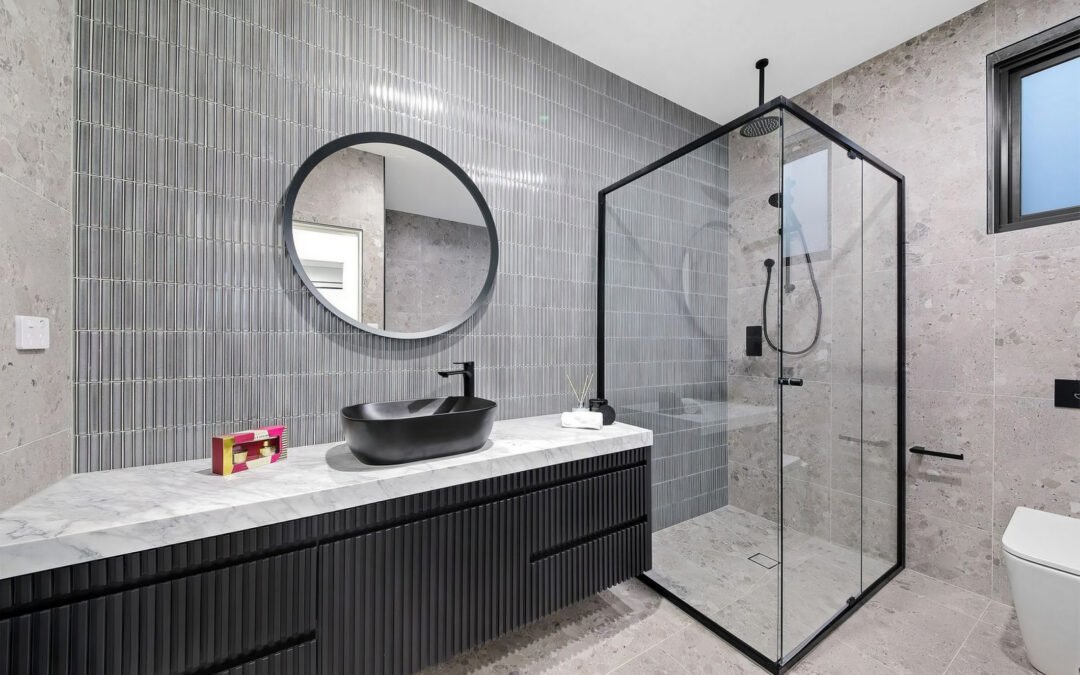
Sharp angles are softening across bathroom design. Curved vanity edges, oval mirrors, and rounded tapware create visual flow and a sense of calm.
Curved elements do carry cost implications. Custom curved cabinetry costs more than standard rectangular pieces. However, you can incorporate this trend affordably through mirrors, accessories, and fixture selections rather than structural changes.
Freestanding baths with organic shapes exemplify this trend, though they require adequate floor space and appropriate waterproofing, adding to installation complexity and cost.
Bold Colour Palettes and Statement Tiles
While neutrals dominate, 2026 sees confident use of colour in Australian bathrooms. Deep greens, warm terracottas, and rich blues appear in feature walls, vanities, and tile selections.
Statement tiles, particularly in shower niches or feature walls, allow personality without overwhelming smaller spaces. This approach lets you incorporate trends in contained areas, making future updates easier and more affordable.
Consider colour longevity when making selections. Bold choices in permanent fixtures like tiles carry more risk than in easily changed elements like paint or accessories.
Japanese-Inspired Wet Room Designs
Japanese bathroom philosophy, emphasising ritual and relaxation, influences Australian design. Wet room configurations, soaking tubs, and natural material palettes reflect this influence.
True wet room designs require comprehensive waterproofing and appropriate drainage, increasing renovation costs. However, elements of this aesthetic, such as timber accents, natural stone, and minimalist fixtures, can be incorporated into conventional bathroom layouts at lower cost.
Material Trends Shaping Australian Bathrooms in 2026
Material selections significantly impact both renovation budgets and long-term maintenance. Understanding 2026’s material trends helps you balance aesthetic goals with practical considerations.
Natural Stone and Terrazzo Resurgence
Natural stone, particularly marble and travertine, continues commanding attention in high-end renovations. Terrazzo has also returned, offering a distinctive aesthetic with excellent durability.
These materials carry premium price tags. Natural marble typically costs $150-$400 per square metre for supply alone, with installation adding significantly. Terrazzo, whether poured or tile format, sits in similar price ranges.
For budget-conscious projects, porcelain tiles convincingly replicate these looks at $40-$100 per square metre. Modern manufacturing produces remarkably authentic stone-look tiles that offer easier maintenance and lower costs.
Sustainable and Recycled Materials
Recycled glass surfaces, reclaimed timber, and sustainably sourced stone appeal to environmentally conscious homeowners. These materials often carry stories and unique characteristics that mass-produced alternatives lack.
Availability can challenge Sydney renovators. Sourcing specific recycled materials may extend project timelines and limit design options. Work with your contractor early to identify sustainable options that fit your budget and schedule.
Timber Accents and Warm Metallics
Timber brings warmth to bathroom spaces, appearing in vanities, shelving, and decorative elements. Proper sealing is essential in wet environments, adding to material and labour costs.
Warm metallic finishes, including brushed brass, aged copper, and champagne gold, complement timber tones. These finishes typically cost 15-30% more than standard chrome alternatives but create significant visual impact.
Large-Format Porcelain and Microcement Finishes
Large-format tiles, some exceeding 1200mm x 2400mm, create seamless surfaces with minimal grout lines. This aesthetic suits contemporary designs and simplifies cleaning.
However, large tiles require perfectly flat substrates and skilled installation. Handling and cutting large formats demands specialised equipment and expertise, potentially increasing labour costs. Wastage rates also increase, as offcuts from large tiles often can’t be reused.
Microcement offers an alternative seamless finish, applied directly over existing surfaces in some cases. This technique requires specialist applicators and careful preparation but can reduce demolition and disposal costs in certain renovation scenarios.
Fixture and Fitting Trends for 2026
Fixtures and fittings represent significant budget allocations and define your bathroom’s daily functionality. Current trends balance aesthetics with practical performance.
Matte Black and Brushed Brass Tapware
Matte black tapware has dominated recent years and remains popular, though brushed brass and warm metallics are gaining ground. These finishes create focal points and complement current colour palettes.
Quality matters significantly with coloured tapware. Budget options may show wear, fingerprints, or coating degradation within years. Investing in reputable brands with solid warranties protects your renovation investment.
Expect to pay $300-$800 for quality basin mixers in these finishes, compared to $150-$400 for standard chrome equivalents.
Freestanding Baths and Walk-In Showers
Freestanding baths make dramatic statements and suit the wellness-focused bathroom trend. However, they require adequate space, appropriate floor reinforcement, and careful positioning for plumbing access.
Walk-in showers, particularly frameless designs, continue trending. They suit accessibility needs, create spacious aesthetics, and simplify cleaning. Frameless glass panels typically cost $1,500-$3,500 depending on size and configuration.
Consider your household’s actual bathing habits before committing to either. A beautiful freestanding bath adds little value if your family exclusively showers.
Wall-Hung Vanities and Floating Storage
Wall-hung vanities create floor space and visual lightness, making bathrooms appear larger. They also simplify floor cleaning and suit contemporary aesthetics.
Installation requires solid wall mounting, potentially adding costs if wall reinforcement is needed. Floating storage continues this aesthetic while providing practical organisation solutions.
Smart Toilets and Touchless Technology
Smart toilets with integrated bidets, heated seats, and automatic lids have moved from luxury to mainstream consideration. Japanese-style toilet technology offers hygiene benefits and appeals to wellness-focused homeowners.
Entry-level smart toilet seats retrofit to existing toilets at $500-$1,500, while integrated smart toilets range from $2,000 to $8,000 or more. Electrical requirements near water sources demand careful planning and compliance with Australian standards.
Touchless tapware and flush mechanisms, accelerated by hygiene awareness, reduce contact points and suit accessibility needs. Sensor reliability and battery or power requirements warrant consideration during selection.
Smart Bathroom Technology Trends Australia 2026
Technology integration offers genuine benefits when thoughtfully implemented. Understanding available options helps you invest wisely rather than chasing novelty.
Digital Shower Systems and Temperature Control
Digital shower systems allow precise temperature control, user presets, and remote activation. You can start your shower from bed, ensuring perfect temperature when you step in.
These systems require electrical connections within shower spaces, demanding careful waterproofing and compliance. Installation complexity adds to costs, with quality digital systems ranging from $1,500 to $5,000 before installation.
Consider whether the convenience justifies the investment for your household. Families with varying temperature preferences may find presets genuinely useful, while single occupants might see limited benefit.
LED Mirror Technology and Ambient Lighting
Backlit mirrors and integrated LED lighting have become standard in contemporary bathroom design. They provide even, flattering illumination for grooming while contributing to ambient atmosphere.
Quality LED mirrors range from $400 to $2,000 depending on size and features. Some include demister pads, Bluetooth speakers, and colour temperature adjustment. Assess which features you’ll actually use before paying premiums for extensive functionality.
Ambient lighting, including LED strip lighting and dimmable fixtures, supports the wellness bathroom trend. Planning lighting circuits during renovation allows flexibility for different moods and tasks.
Voice-Activated Controls and Home Integration
Voice control through systems like Google Home or Amazon Alexa can manage lighting, music, and even some water fixtures. Integration with broader smart home systems creates seamless experiences.
Privacy considerations and technology reliability warrant thought. Bathroom environments challenge electronics through humidity and temperature variation. Choose products designed for bathroom conditions and consider whether voice control genuinely improves your daily routine.
Water Monitoring and Leak Detection Systems
Smart water monitors track consumption and detect leaks early, potentially preventing costly water damage. Given Sydney’s water costs and the expense of water damage repairs, these systems offer practical value beyond novelty.
Installation typically integrates with main water supply lines, best addressed during renovation when walls are open. Systems range from $200 to $800 for the monitoring equipment, plus installation.
Sustainable Bathroom Trends for Australian Homes
Sustainability in bathroom design extends beyond environmental responsibility to practical benefits including reduced running costs and improved indoor air quality.
Water-Efficient Fixtures and WELS Ratings
The WELS rating system provides clear guidance on water efficiency. Higher-rated fixtures use less water without compromising performance, reducing both environmental impact and water bills.
A 4-star WELS rated showerhead uses approximately 7.5 litres per minute compared to 15-25 litres for older, unrated models. Over a year, this difference translates to thousands of litres saved and meaningful cost reductions.
When selecting fixtures, balance WELS ratings with performance reviews. Some highly efficient fixtures compromise user experience. Quality brands achieve high ratings while maintaining satisfying water pressure and flow.
Greywater Systems and Rainwater Integration
Greywater recycling captures water from showers and basins for toilet flushing or garden irrigation. These systems suit environmentally committed homeowners and can reduce water consumption by 30-40%.
Installation complexity and ongoing maintenance requirements make greywater systems significant investments. Regulations vary by council area, requiring approval and compliance verification. Discuss feasibility with your contractor early in planning.
Rainwater tank integration offers simpler implementation in many cases, particularly for toilet flushing and laundry use.
Energy-Efficient Heating and Ventilation
Bathroom heating and ventilation significantly impact energy consumption. Heat pump hot water systems, efficient exhaust fans, and appropriate insulation reduce running costs while improving comfort.
Underfloor heating, increasingly popular in Australian bathrooms, provides comfortable warmth efficiently when properly installed. Electric systems suit smaller areas, while hydronic systems may prove more economical for larger spaces or whole-home integration.
Quality ventilation prevents moisture damage and mould growth, protecting your renovation investment. Ensure adequate extraction capacity for your bathroom size and usage patterns.
Low-VOC Materials and Indoor Air Quality
Volatile Organic Compounds (VOCs) from paints, sealants, and adhesives affect indoor air quality. Low-VOC alternatives have become widely available without significant cost premiums.
Specifying low-VOC products protects household health, particularly important in enclosed bathroom spaces. Most quality paint brands now offer low-VOC options as standard, and many adhesives and sealants provide similar alternatives.
Bathroom Layout Trends for Sydney Homes in 2026
Sydney’s property market creates unique layout challenges. Current trends address both aesthetic preferences and practical space constraints.
Open-Plan Ensuite Configurations
Open-plan ensuites, connecting directly to bedrooms without full separation, create spacious, hotel-like experiences. This configuration suits master bedroom renovations where space permits.
Privacy considerations, moisture management, and resale implications all warrant thought. Not all buyers appreciate open bathroom configurations, potentially affecting property value. Discuss layout options with your contractor, considering both current preferences and future flexibility.
Compact Bathroom Solutions for Urban Living
Sydney’s apartment living and smaller lot sizes demand clever compact bathroom design. Current trends maximise functionality in limited footprints through smart storage, multi-functional fixtures, and space-efficient layouts.
Wall-hung fixtures, sliding doors, and corner installations all help. Large-format tiles with minimal grout lines can make small spaces feel larger. Mirrors strategically placed enhance spatial perception.
Compact doesn’t mean compromising on trend. Many 2026 design elements, including warm minimalism, quality fixtures, and smart technology, suit smaller spaces as effectively as large ones.
Accessible and Universal Design Features
Universal design principles, creating spaces usable by people of all abilities, increasingly influence mainstream bathroom design. Features like curbless showers, grab rails, and wider doorways benefit everyone while future-proofing homes for ageing in place.
These features often align with current aesthetic trends. Walk-in showers, floating vanities at accessible heights, and lever-style tapware suit contemporary design while improving functionality.
Consider universal design during renovation planning. Incorporating structural provisions now, even if not immediately installing all features, costs far less than retrofitting later.
Multi-Functional Spaces and Laundry Integration
Combined bathroom-laundry spaces maximise utility in compact homes. Thoughtful design can integrate laundry functions without compromising bathroom aesthetics or functionality.
Concealed laundry cabinets, stacked washer-dryers, and clever storage solutions enable this integration. Ventilation requirements increase with combined functions, requiring appropriate extraction capacity.
Budgeting for 2026 Bathroom Trends in Sydney
Incorporating current trends requires balancing aesthetic aspirations with financial reality. Understanding cost implications helps you prioritise effectively.
Cost Implications of Trending Materials
Material choices significantly impact renovation budgets. Here’s how current trends affect costs:
Higher Cost Trends:
- Natural stone surfaces: $150-$400/sqm supply
- Large-format tiles: 15-25% premium over standard sizes
- Brushed brass/gold tapware: 20-40% above chrome equivalents
- Smart toilets: $2,000-$8,000 vs $300-$800 for standard
Budget-Friendly Trend Options:
- Stone-look porcelain: $40-$100/sqm
- Warm paint colours: minimal cost difference
- Timber-look tiles: $35-$80/sqm
- LED mirror upgrades: $400-$1,200
Where to Invest vs Where to Save
Strategic allocation maximises impact within budget constraints.
Worth Investing In:
- Quality waterproofing (non-negotiable)
- Durable tapware from reputable brands
- Efficient ventilation systems
- Timeless tile selections in large areas
Opportunities to Save:
- Accessories and styling elements (easily updated)
- Feature tiles in contained areas only
- Standard configurations vs custom solutions
- Phased technology additions
Labour Costs for Trend-Forward Renovations
Trending features often require specialist skills, affecting labour costs. Large-format tile installation, microcement application, and smart system integration all demand experienced tradespeople.
Sydney labour rates for bathroom renovations typically range from $70-$120 per hour depending on trade and expertise level. Complex installations extend project duration, compounding labour costs.
Discuss skill requirements with your contractor during quoting. Ensure quoted rates reflect the actual expertise needed for your selected finishes and features.
Timeline Considerations for Popular Features
Popular materials and fixtures may face supply constraints. Custom items, imported products, and trending finishes sometimes require extended lead times.
Plan selections early in your renovation process. Confirm availability and delivery timeframes before finalising designs. Building flexibility into timelines prevents costly delays and rushed substitutions.
How to Incorporate 2026 Trends Into Your Bathroom Renovation
Translating trend awareness into practical renovation decisions requires strategic thinking. These approaches help you achieve contemporary results within realistic constraints.
Prioritising Trends That Add Long-Term Value
Not all trends deliver equal value. Prioritise features that improve daily functionality, reduce running costs, or enhance property appeal.
High-Value Trend Investments:
- Water-efficient fixtures (ongoing savings)
- Quality ventilation (protects structure)
- Accessible design features (future-proofing)
- Durable, timeless materials (longevity)
Lower-Value Trend Investments:
- Highly specific colour trends (date quickly)
- Complex technology with limited practical benefit
- Ultra-custom features with niche appeal
Balancing Timeless Design with Current Styles
The most successful renovations blend enduring design principles with contemporary touches. Use trend elements as accents rather than foundations.
Keep large, permanent surfaces relatively neutral. Introduce trends through fixtures, accessories, and contained feature areas. This approach allows refreshing your bathroom’s look over time without major renovation.
Working with Contractors on Trend Implementation
Clear communication with your renovation contractor ensures trend elements are executed properly. Discuss your inspirations, share reference images, and confirm technical feasibility early.
Experienced contractors can suggest practical alternatives that achieve similar aesthetics at lower cost or complexity. They can also identify where trending features might create maintenance challenges or installation complications.
Phased Renovation Approaches for Budget Control
If budget constraints limit immediate trend implementation, consider phased approaches. Complete structural and waterproofing work to high standards, then upgrade fixtures and finishes over time.
Ensure infrastructure supports future additions. Running electrical provisions for potential smart features costs little during initial renovation but significantly more to retrofit later.
Conclusion
Bathroom trends Australia 2026 reflect broader shifts toward wellness, sustainability, and thoughtful technology integration. From warm minimalist aesthetics to water-efficient fixtures and smart systems, current trends offer genuine improvements to daily living when implemented strategically.
The key lies in distinguishing trends that add lasting value from those that may date quickly. Prioritise quality waterproofing, durable materials, and efficient fixtures. Layer trending elements through changeable features like tapware, mirrors, and accessories.
At Sydney Home Renovation, we help homeowners navigate these decisions with practical expertise and transparent guidance. Our team understands both the aesthetic aspirations and budget realities of Sydney bathroom renovations. Contact us to discuss how we can bring 2026’s best bathroom trends to your home while keeping your project on budget and on schedule.
Frequently Asked Questions
What are the biggest bathroom trends in Australia for 2026?
The dominant trends include warm minimalism with organic textures, sustainable materials and water-efficient fixtures, smart technology integration, and curved design elements. Japanese-inspired wet room aesthetics and bold colour accents in contained areas also feature prominently in contemporary Australian bathroom design.
How much does a trend-forward bathroom renovation cost in Sydney?
Sydney bathroom renovations incorporating current trends typically range from $25,000 to $50,000 for standard-sized spaces, depending on material selections and feature complexity. Premium materials like natural stone and extensive smart technology can push costs higher, while strategic use of quality alternatives keeps budgets manageable.
Are smart bathroom features worth the investment?
Smart features deliver value when they genuinely improve daily routines or reduce running costs. Water monitoring systems and efficient digital controls often justify their cost through savings and convenience. Evaluate each technology against your household’s actual usage patterns rather than novelty appeal.
What bathroom colours are trending in 2026?
Warm neutrals dominate, including greige, warm whites, and soft beiges. Bold accents in deep green, terracotta, and rich blue appear in feature walls and contained areas. The overall palette emphasises warmth and connection to natural environments rather than stark, cool tones.
How can I make my bathroom renovation more sustainable?
Prioritise WELS-rated fixtures with high efficiency ratings, specify low-VOC paints and sealants, and consider recycled or sustainably sourced materials. Quality ventilation and appropriate insulation reduce energy consumption. Greywater systems suit committed households, while simpler measures like efficient showerheads deliver immediate impact.
What materials are popular for bathrooms in 2026?
Natural stone and terrazzo lead premium selections, while stone-look porcelain offers budget-friendly alternatives. Timber accents, large-format tiles, and microcement finishes feature in contemporary designs. Sustainable and recycled materials appeal to environmentally conscious homeowners, though availability may vary.
Should I choose trendy or timeless bathroom designs?
The most successful approach combines both. Use timeless, neutral selections for large permanent surfaces like floor tiles and wall finishes. Introduce current trends through changeable elements including tapware, mirrors, accessories, and contained feature areas. This strategy allows refreshing your bathroom’s look over time without major renovation.