A complete home renovation in Sydney costs between $20,000 for minor updates and $150,000 or more for whole-house projects, with most homeowners spending $50,000 to $80,000 on mid-range work. Your final cost depends on project scope, material choices, labour rates, and how much you tackle yourself. Understanding these factors helps you budget accurately and avoid costly surprises.
Planning your first renovation feels overwhelming. You face decisions about permits, contractors, timelines, and budgets — and many beginners underestimate costs by 20% to 30%, leading to stalled projects and financial stress. This guide covers everything from initial planning through final walkthrough, so you can move forward with a clear picture of what your project actually involves.
What Is Home Renovation? (Understanding the Basics)
Home renovation means updating, repairing, or improving your existing property. It restores functionality and refreshes appearance without changing the basic structure. Renovations range from simple cosmetic updates to major system overhauls.
The goal is making your home more comfortable, functional, and valuable. Good renovations address current problems while preparing for future needs. They balance immediate improvements with long-term investment returns.
Renovation vs. Remodelling: Key Differences
Renovation restores or updates existing features, refinishing floors, replacing fixtures, or repainting walls. The basic layout and structure stay the same.
Remodelling changes the structure or layout entirely, including removing walls, adding rooms, or changing floor plans. Remodelling costs more and requires more permits.
According to the Housing Industry Association, renovation projects in Australia grew by 12% in 2024 as homeowners chose updates over moving. Understanding this difference helps you communicate clearly with contractors and plan appropriate budgets.
Types of Home Renovation Projects
Cosmetic renovations include painting, new flooring, and fixture updates. These cost less and deliver quick visual impact. Most homeowners handle some cosmetic work themselves.
Functional renovations improve how spaces work; kitchen and bathroom updates fall here. They typically require professional help for plumbing and electrical work.
Structural renovations involve load-bearing walls, foundations, or rooflines. These always need engineers and licensed builders, and permits are mandatory.
System renovations upgrade electrical, plumbing, or HVAC infrastructure. Older Sydney homes often need these updates to meet current codes, and licensed tradespeople must complete this work.
Knockdown Rebuild vs. Renovation: How to Decide
A knockdown rebuild makes sense when your home has significant structural problems, an inefficient layout that renovation cannot fix, or when land value far exceeds the building’s worth. Rebuilding typically costs $300,000 to $600,000 for a standard Sydney home but delivers a fully modern result.
Renovation suits homes with sound structure, good bones, and layouts worth preserving. It costs less, disrupts less, and completes faster. If your home is structurally sound and the layout works for your family, renovation almost always delivers better value per dollar spent.
Signs Your Home Needs Renovation
Your home tells you when it needs attention. Watch for these warning signs:
- Outdated electrical systems with two-prong outlets or frequent breaker trips
- Plumbing problems like low water pressure, discoloured water, or slow drains
- Visible damage including cracks, water stains, or peeling paint
- Poor energy efficiency shown in high utility bills or drafty rooms
- Functional issues where spaces no longer meet your family’s needs
Homes built before 1990 often need electrical upgrades to handle modern appliances. NSW Fair Trading recommends safety inspections for homes over 25 years old.
Planning Your First Home Renovation
Good planning prevents budget blowouts and timeline disasters. Spend adequate time in this phase before touching any tools. Most renovation problems trace back to poor planning.
Assessing Your Home’s Current Condition
Start with a thorough inspection of your property. Walk through every room and note problems, checking both visible issues and hidden systems.
Hire a building inspector for older homes. They identify structural problems, pest damage, and code violations; this costs $400 to $800 but prevents expensive surprises later.
Document everything with photos and notes. Create a priority list ranking issues by urgency: safety problems first, then functional issues, then cosmetic updates.
Asbestos and Hazardous Materials in Older Sydney Homes
Homes built before 1987 in Sydney have a high likelihood of containing asbestos in roofing, wall sheeting, floor tiles, or insulation. Disturbing asbestos without proper testing and removal is illegal and dangerous.
We always recommend a licensed asbestos assessor before any demolition work on pre-1987 properties. Testing costs $200 to $500, and professional removal ranges from $1,500 to $5,000 depending on the extent and material type. This is a non-negotiable step — skipping it creates serious health and legal liability.
Setting Clear Renovation Goals
Define what you want to achieve before starting. Ask yourself:
- Are you renovating to sell or to stay long-term?
- Which problems must you fix versus which improvements do you want?
- What is your absolute maximum budget?
- When do you need the project completed?
Write down your goals and share them with everyone involved. Clear goals help contractors provide accurate quotes and prevent scope creep during the project.
Creating a Realistic Timeline
Renovation timelines depend on project scope and complexity. Here are typical timeframes for Sydney projects:
- Bathroom renovation: 2 to 4 weeks
- Kitchen renovation: 4 to 8 weeks
- Single room update: 1 to 2 weeks
- Whole house renovation: 3 to 6 months
Add buffer time for permit approvals, material delays, and unexpected problems. The Master Builders Association reports that 65% of renovations experience some delay. Plan around your life events and avoid starting major work before holidays or important occasions.
Using Technology for Renovation Planning
Modern apps and software simplify renovation planning and help you visualise changes before committing. Design apps like Houzz, Planner 5D, and RoomSketcher let you create floor plans and experiment with layouts, colours, and furniture placement.
Budget tracking apps help monitor spending in real time. Project management tools keep communication organised — share timelines, documents, and updates with contractors to create accountability and reduce misunderstandings.
Virtual reality tools offered by some designers show realistic previews, letting you “walk through” your renovated space before construction starts. This catches design problems early.
Budgeting and Financing Your Renovation
Money management makes or breaks renovation projects. Accurate budgeting prevents the stress of running out of funds mid-project. Start with realistic cost expectations.
How Much Does Home Renovation Really Cost?
Renovation costs vary widely based on scope, materials, and location. Sydney labour rates run higher than regional areas, and material choices create the biggest cost differences.
According to Hipages, the average Sydney bathroom renovation costs $25,000 to $35,000 for a standard update. High-end finishes push this to $50,000 or more.
How Much Does Renovation Cost Per Square Metre in Sydney?
Cost per square metre gives you a reliable baseline for budgeting before detailed quotes arrive. Sydney rates in 2025 run approximately:
- Bathroom renovation: $8,000–$15,000 per m² (full strip-out and refit)
- Kitchen renovation: $3,000–$8,000 per m² depending on cabinetry and appliance grade
- Living area update (flooring, paint, lighting): $500–$1,500 per m²
- Extension or addition: $3,500–$5,500 per m² for a standard build
- Whole-house renovation: $1,500–$3,500 per m² depending on scope
These figures reflect Sydney metro labour rates and mid-range materials. Heritage homes, difficult site access, and structural complexity push costs toward the upper end.
Cost Breakdown by Room
Kitchen renovations typically cost $20,000 to $50,000 for mid-range updates. Cabinetry takes 30% to 40% of the budget, and appliances add another 15% to 20%.
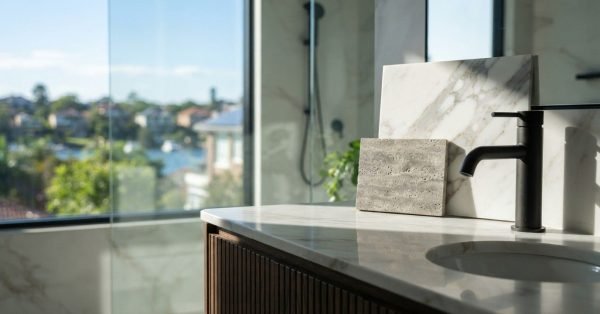
Bathroom renovations range from $15,000 to $40,000 depending on size and finishes. Waterproofing and tiling represent major cost components, and fixture quality significantly impacts the final price.
Living areas cost $5,000 to $20,000 for flooring, painting, and lighting updates. Structural changes like removing walls add $10,000 to $30,000.
Bedrooms require $3,000 to $10,000 for cosmetic updates. Built-in wardrobes add $5,000 to $15,000 depending on size and materials.
Which Renovations Add the Most Value in Sydney?
Kitchen and bathroom renovations consistently deliver the strongest returns. The Real Estate Institute of Australia reports these projects return 70% to 80% of costs at sale in Sydney’s current market.
Curb appeal improvements, landscaping, exterior painting, and driveway work — deliver strong returns at lower investment, often recouping 80% to 100% of spend because first impressions drive buyer perception. Open-plan conversions remain popular in Sydney’s older housing stock, where walls between kitchen, dining, and living areas can be removed to create the spacious layouts buyers expect. Structural assessment is essential before any wall removal.
Hidden Costs Most Beginners Miss
These expenses catch first-time renovators off guard:
- Permit fees: $200 to $2,000 depending on project scope
- Asbestos testing and removal: $500 to $5,000 for older homes
- Temporary accommodation: $150 to $300 per night if you cannot live on-site
- Storage costs: $200 to $400 monthly for furniture during major work
- Waste removal: $300 to $1,000 for skip bins and disposal
- Utility reconnection fees: $100 to $500 for service changes
- Council inspection fees: $150 to $500 per inspection
Budget an additional 15% to 20% for these hidden costs. They add up quickly on larger projects.
Creating a Renovation Budget That Works
Build your budget from detailed quotes, not rough estimates. Get at least three quotes for every major component and compare like-for-like specifications.
Break your budget into categories:
- Labour: 35% to 45% of total budget
- Materials: 30% to 40% of total budget
- Fixtures and fittings: 10% to 20% of total budget
- Contingency: 15% to 20% of total budget
Track spending weekly during the project. Address overruns immediately before they compound, and make trade-offs early rather than cutting corners at the end.
Financing Options Explained
Most homeowners need financing for major renovations. Several options suit different situations.
Home Equity Loans and HELOCs
Home equity loans provide lump sums at fixed rates. You borrow against your property’s value minus your mortgage balance, with interest rates typically running 6% to 8% as of early 2025.
Home equity lines of credit (HELOCs) work like credit cards — you draw funds as needed during renovation. This flexibility suits projects with uncertain final costs. Both options use your home as security, so only borrow what you can comfortably repay.
Personal Loans
Personal loans offer faster approval without using home equity. Interest rates run higher at 8% to 15% depending on your credit score, with loan terms typically spanning 2 to 7 years.
These suit smaller renovations under $50,000. Application processes take days rather than weeks, and no property valuation is required.
Government Programs
The Clean Energy Finance Corporation offers low-interest loans for energy-efficient upgrades. Some state programs support accessibility renovations, check with your local council for available grants or subsidised loans. First-home buyers may access additional assistance.
Cash-Out Refinancing
Cash-out refinancing replaces your mortgage with a larger one, and you receive the difference as cash for renovations. This works when interest rates have dropped since your original loan. Consider total interest costs over the loan life before proceeding, and consult a mortgage broker to compare options.
The 20% Contingency Rule
Always set aside 20% of your budget for unexpected costs. This is not optional for beginners, surprises happen on every renovation project.
Common contingency triggers include hidden water damage behind walls, outdated wiring requiring replacement, structural problems discovered during demolition, and material price increases during the project. If you do not use the contingency, you have bonus funds for upgrades. If you do need it, you avoid project delays and stress.
DIY vs. Hiring Professionals
Choosing between DIY and professional help affects your budget, timeline, and results. Be honest about your skills and available time.
Honest Assessment: What Can You Really DIY?
DIY saves money only when done correctly. Poor DIY work costs more to fix than hiring professionals initially, so assess your abilities realistically.
Consider your actual skill level with tools and techniques, time available for learning and completing work, physical capability for demanding tasks, and risk tolerance for potential mistakes. Watch tutorial videos for projects you are considering — if the process seems confusing, hire a professional. Some tasks look easier than they are.
Beginner-Friendly DIY Projects
These projects suit most beginners with basic tools and patience.
Painting and Wall Treatments
Painting delivers high impact for low cost. Proper preparation makes the difference between amateur and professional results.
Key steps: clean walls thoroughly and repair holes, apply painter’s tape carefully along edges, use quality brushes and rollers, apply primer before colour coats, and work in sections with wet edges. Budget $30 to $50 per litre for quality paint, one litre covers approximately 12 square metres, and two coats provide the best finish.
Flooring Installation
Floating floors suit DIY installation. Laminate and vinyl plank products click together without glue or nails, and most rooms take a weekend to complete.
Prepare subfloors properly before starting and level any uneven areas with compound. Allow materials to acclimatise for 48 hours before installation. Tile installation requires more skill — mistakes are permanent and expensive to fix, so consider professional installation for tile projects.
Fixture and Hardware Updates
Swapping fixtures transforms spaces quickly. Replace cabinet handles, door knobs, light fixtures, and tapware with minimal tools.
Turn off power before touching electrical fixtures and turn off water before changing taps. Budget $50 to $200 per fixture depending on quality, coordinated hardware throughout a room creates a polished look.
Basic Landscaping
Outdoor improvements boost curb appeal significantly. Planting, mulching, and garden bed creation suit beginners and require physical effort but limited technical skill.
Plan plantings for your climate and sun exposure. Native plants require less maintenance and water, and grouping plants with similar needs together reduces ongoing care.
Projects That Always Need Professionals
Never attempt these projects yourself:
- Electrical work beyond changing light bulbs or switches
- Plumbing involving pipes, drains, or gas lines
- Structural changes to walls, floors, or rooflines
- Roofing repairs or replacement
- Asbestos removal in pre-1987 homes
- Waterproofing in wet areas
Australian law requires licensed tradespeople for most building work. Unlicensed work voids insurance and creates liability, and permits require licensed contractor signatures.
Owner-Builder Licence in NSW: What You Need to Know
In NSW, an owner-builder permit allows you to act as your own builder for work valued over $10,000 on your primary residence. You apply through NSW Fair Trading, and the permit is valid for one project at a time.
Owner-builder work carries significant responsibility. You are legally accountable for ensuring all work meets the Building Code of Australia, managing subcontractors, and obtaining all required inspections. When you sell the property within 6 years of completing owner-builder work, you must provide a statutory warranty and, for work over $20,000, a Home Building Compensation Fund certificate. We recommend owner-builder permits only for experienced renovators with strong trade knowledge — the liability exposure is real.
Building Your DIY Skills Over Time
Start with small projects and build confidence gradually. Each completed project teaches new skills, so document your work for future reference.
Take courses at local hardware stores or community colleges — many offer free weekend workshops. Invest in quality tools as your skills grow, starting with essentials and adding specialised tools as needed.
Finding and Working with Contractors
Good contractors make renovations successful. Bad contractors create nightmares. Invest time in finding and vetting the right professionals.
How to Find Reliable Contractors
Start your search through multiple channels:
- Personal referrals from friends, family, and neighbours
- Online platforms like Hipages, ServiceSeeking, and Houzz
- Industry associations including Master Builders and HIA
- Local hardware stores that often know reputable tradespeople
- Social media groups for your suburb or renovation type
Check contractor licences through NSW Fair Trading. All builders must hold current licences, and you should verify insurance certificates directly with insurers.
Vetting Process: Questions to Ask
Interview at least three contractors before deciding. Ask:
- How long have you been in business?
- Can you provide references from similar projects?
- What licences and insurance do you hold?
- Who will supervise work daily?
- How do you handle changes and unexpected issues?
- What is your payment schedule?
- What warranty do you provide?
Visit completed projects if possible and speak with past clients about their experience. Check online reviews but verify authenticity.
Red Flags and Scam Prevention
Protect yourself from dodgy operators. Watch for these warning signs:
- Demands for large upfront payments exceeding 10% to 20%
- No written contract or vague contract terms
- Pressure to decide immediately without time to consider
- Significantly lower quotes than other contractors
- No physical business address or only mobile contact
- Reluctance to provide references or licence numbers
- Cash-only payment requests avoiding paper trails
The Australian Competition and Consumer Commission reports renovation scams cost Australians $8.7 million in 2024. Verify everything before signing contracts or paying deposits. Never pay the full amount upfront — structure payments around completed milestones and hold final payment until all work passes inspection.
Understanding Contracts and Agreements
Written contracts protect both parties. Every renovation over $5,000 requires a written contract under NSW law, and smaller projects benefit from written agreements too.
Contracts should include: detailed scope of work with specifications, total price and payment schedule, start date and estimated completion date, materials and products to be used, permit responsibilities, variation process and pricing, warranty terms and duration, and dispute resolution process. Read every word before signing and get changes in writing before work proceeds.
Home and Builder’s Insurance During Renovation
Your standard home insurance policy may not cover damage or liability during active renovation work. Before any project starts, contact your insurer to confirm your coverage remains valid and what exclusions apply during construction.
For projects over $20,000, NSW law requires your builder to hold Home Building Compensation Fund (HBCF) insurance, formerly known as Home Warranty Insurance. This protects you if the builder dies, disappears, or becomes insolvent before completing the work. Ask for the HBCF certificate before signing any contract. We also recommend a construction-specific policy for major renovations to cover theft of materials, accidental damage, and public liability during the build period.
Communication Best Practices
Clear communication prevents most contractor disputes. Schedule regular progress meetings, weekly check-ins work for most projects, and daily communication suits complex or fast-moving work.
Document everything in writing and follow verbal discussions with email summaries. Address concerns immediately, because small problems become big problems when ignored. Professional contractors welcome feedback and questions.
Permits, Codes, and Regulations
Permits protect you, your neighbours, and future owners. Skipping permits creates legal and financial problems. Understanding requirements prevents costly mistakes.
When Do You Need a Building Permit?
NSW requires permits for most structural and significant work. You need permits for:
- Structural changes including wall removal
- Additions or extensions
- New bathrooms or kitchens with plumbing changes
- Electrical work beyond minor repairs
- Plumbing and drainage modifications
- Decks over 600mm above ground
- Swimming pools and spas
- Carports and garages
Cosmetic work typically does not need permits. Painting, flooring, and fixture replacements proceed without approval. When uncertain, check with your local council.
How to Apply for Permits
The permit process involves several steps:
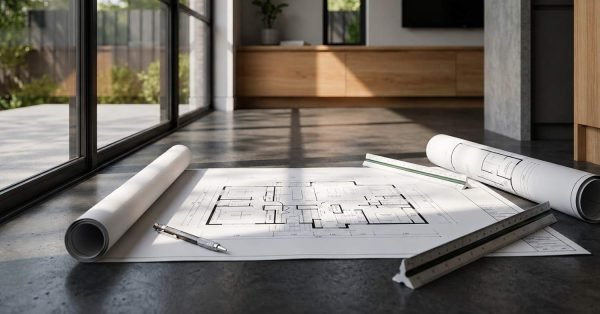
- Prepare documentation including plans, specifications, and site surveys
- Submit application to your local council or private certifier
- Pay fees ranging from $200 to $2,000 depending on project value
- Wait for assessment — typically 10 to 40 business days
- Receive approval with any conditions noted
- Display permit on-site during construction
Private certifiers often process applications faster than councils. Compare fees and timeframes before choosing — both options provide legally valid approvals.
BASIX Compliance and Energy Efficiency Requirements
BASIX (Building Sustainability Index) is a NSW government tool that sets minimum energy and water efficiency standards for residential building work. It applies to most renovations valued over $50,000 and all new additions.
Your BASIX certificate must be submitted with your development application. It specifies commitments around insulation, glazing, hot water systems, and water efficiency fixtures that your renovation must meet. Failing to comply with your BASIX commitments is a breach of your development consent, inspectors check compliance at final inspection. We factor BASIX requirements into every project plan from the start, because retrofitting compliance after construction is expensive.
Understanding Building Codes
Building codes set minimum standards for safety and quality. The National Construction Code applies across Australia, and NSW adds local requirements through BASIX and other regulations.
Key code areas include structural integrity, fire safety including smoke alarms and escape routes, waterproofing in wet areas, energy efficiency through insulation and glazing, and accessibility for people with disabilities. Your contractor should understand all applicable codes — ask how they ensure compliance and request documentation of code-compliant work.
The Inspection Process
Inspections verify work meets code requirements. Multiple inspections occur during larger projects:
- Foundation inspection before pouring concrete
- Frame inspection before covering walls
- Pre-lining inspection checking services before plasterboard
- Final inspection confirming completed work
Schedule inspections through your certifier or council. Work cannot proceed until inspections pass, and failed inspections require corrections and re-inspection. Keep all inspection certificates, you need these for insurance claims and future sales.
Essential Tools and Materials for Beginners
The right tools make DIY work safer and easier. Build your collection gradually based on projects you tackle.
Must-Have Hand Tools
Start with these essentials:
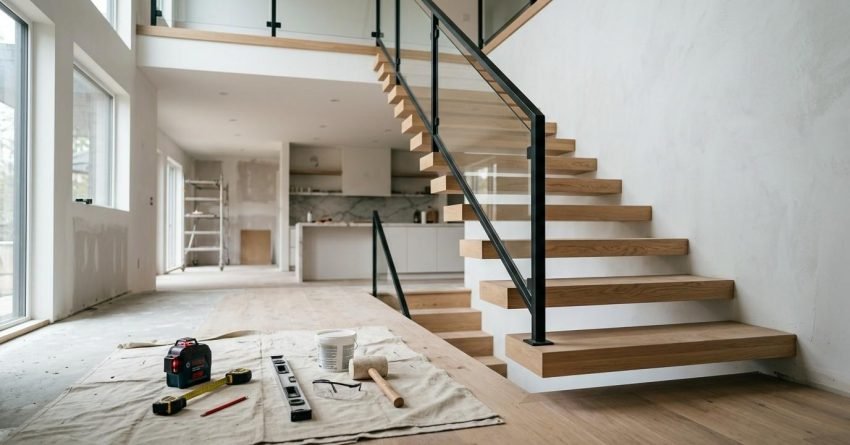
- Tape measure (at least 5 metres)
- Spirit level (600mm and 1200mm lengths)
- Hammer (450g claw hammer)
- Screwdriver set (Phillips and flathead in multiple sizes)
- Adjustable wrench (250mm)
- Utility knife with spare blades
- Pliers (combination and needle-nose)
- Pry bar for demolition work
- Handsaw for cutting timber
- Square for marking accurate angles
Budget $200 to $400 for quality hand tools. Cheap tools break and produce poor results — mid-range brands offer good value for beginners.
Power Tools Worth Investing In
These power tools handle most DIY projects:
- Cordless drill/driver (18V minimum)
- Circular saw for straight cuts in timber and sheet materials
- Jigsaw for curved and intricate cuts
- Random orbital sander for surface preparation
- Angle grinder for cutting and grinding
Budget $500 to $1,000 for a basic power tool kit. Battery platforms from major brands allow sharing batteries across tools, which reduces long-term costs.
Safety Equipment Essentials
Never compromise on safety equipment:
- Safety glasses protecting eyes from debris
- Hearing protection for power tool use
- Dust masks (P2 rated minimum)
- Work gloves for handling materials
- Steel-cap boots protecting feet
- First aid kit for minor injuries
Replace safety equipment when damaged or worn. Dust masks have limited lifespans — check expiry dates on filters and cartridges.
Renting vs. Buying: Smart Decisions
Rent tools you use rarely and buy tools you use frequently. This simple rule saves money and storage space.
Rent: demolition hammers, tile cutters, floor sanders, scaffolding, and specialised equipment. Buy: drills and drivers, saws you use regularly, measuring and marking tools, and safety equipment. Rental costs run $50 to $200 daily for most equipment — three or more uses often justify buying.
Room-by-Room Renovation Guide
Different rooms present unique challenges and opportunities. Understanding the specifics before starting each space prevents costly mistakes.
Kitchen Renovation Basics
Kitchens deliver strong returns but cost the most. The Real Estate Institute of Australia reports kitchen renovations return 70% to 80% of costs at sale in Sydney.
Focus on these high-impact areas: cabinetry (the largest visual element), benchtops (affecting both appearance and function), appliances, task and ambient lighting, and storage. Keep plumbing and electrical in existing locations when possible — moving services adds $5,000 to $15,000 to project costs. Work within the existing footprint for budget renovations.
Bathroom Remodel Essentials
Bathrooms require careful waterproofing and ventilation. Mistakes cause expensive long-term damage, and professional help is essential for wet area work.
Prioritise: waterproofing meeting Australian Standard AS 3740, ventilation preventing mould and moisture damage, plumbing ensuring adequate water pressure and drainage, tiling with appropriate slip ratings, and accessible storage. Budget $25,000 to $35,000 for a standard Sydney bathroom renovation — luxury finishes push costs to $50,000 or more, and waterproofing alone costs $1,000 to $3,000.
Living Space Updates
Living areas benefit from cosmetic updates. These spaces see heavy use and show wear quickly.
Consider: flooring replacement or refinishing, paint in modern neutral colours, lighting upgrades including dimmers, built-in storage reducing clutter, and window treatments improving light control. Open-plan conversions remain popular in Sydney — removing walls between kitchen, dining, and living areas creates the spacious feel buyers expect, but structural assessment is essential before any wall removal.
Bedroom Improvements
Bedrooms need comfort and storage. Focus on creating restful, organised spaces.
Effective updates include built-in wardrobes maximising storage, quality flooring (carpet or timber), lighting with bedside and overhead options, window treatments for light control and privacy, and paint in calming colours. Master bedroom ensuites add significant value — budget $20,000 to $40,000 for ensuite additions, and plumbing access affects feasibility and cost.
Outdoor and Curb Appeal Projects
First impressions matter for property value. Outdoor improvements deliver strong returns with lower costs.
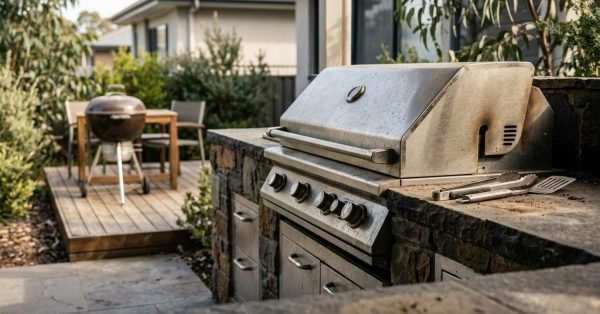
High-impact outdoor projects: front landscaping creating a welcoming entrance, a deck or patio extending living space, fencing improving privacy and security, driveway repair or replacement, and exterior painting refreshing appearance. Landscaping, painting, and minor repairs suit DIY completion — decks and structures need professional help for safety.
Surviving the Renovation Process
Living through renovations tests patience and relationships. Prepare mentally and practically for disruption.
Living Through a Renovation
Decide early whether to stay or move out. Major renovations affecting kitchens or bathrooms make staying difficult, while minor work in isolated areas allows normal living.
If staying, create: a temporary kitchen with microwave, kettle, and small fridge; a clean zone sealed from dust and debris; alternative bathroom access if yours is unavailable; and storage for displaced furniture and belongings. Communicate boundaries with contractors — establish work hours and access areas, and protect valuables and personal items from damage.
Managing Stress and Expectations
Renovations strain even strong relationships. Prepare for emotional challenges alongside practical ones.
Stress management strategies: accept imperfection in the process (not the result), maintain routines where possible, take breaks from renovation decisions and discussions, celebrate milestones as work progresses, and communicate openly with partners about concerns. Set realistic expectations from the start; magazine-perfect results require magazine-level budgets.
Dealing with Delays and Setbacks
Delays happen for many reasons: weather affecting outdoor work, material supply chain issues, permit approval delays, unexpected problems discovered during work, and contractor scheduling conflicts.
Build buffer time into your timeline — two weeks of contingency suits most projects, and major renovations need a month or more. Address delays immediately with your contractor, understand causes and revised timelines, and document everything for potential dispute resolution.
Handling Budget Overruns
Cost increases require quick decisions. Your contingency fund handles reasonable overruns, and larger increases need strategy changes.
Options for managing overruns: reduce scope by eliminating non-essential elements, change materials to more affordable alternatives, phase the project completing essentials now and extras later, increase financing if additional funds are available, or negotiate with contractors on pricing or payment terms. Never sacrifice safety or code compliance to save money — cut cosmetic elements before structural or functional ones.
Smart Home Integration During Renovation
Renovation provides the perfect opportunity for smart home upgrades. Installing infrastructure during construction costs far less than retrofitting later.
Planning for Smart Technology
Decide which smart features you want before construction starts. Common options include smart lighting with dimmers and automation, climate control with smart thermostats, security systems including cameras and sensors, whole-home audio and video, and appliance control for convenience and energy savings.
Research compatibility between systems, some platforms work together seamlessly while others create frustrating conflicts. Choose an ecosystem and stick with it.
Wiring and Infrastructure Considerations
Smart homes need proper infrastructure. Install during renovation: Ethernet cabling to key locations for reliable connectivity, dedicated circuits for high-power devices, neutral wires at switch locations for smart switches, conduit allowing future cable additions, and a central hub location with power and network access.
Wired connections remain more reliable than wireless for critical systems. Plan for both wired and wireless options.
Future-Proofing Your Home
Technology changes rapidly, so design for flexibility rather than specific current products. Install conduit even without current cables, use standard protocols rather than proprietary systems, plan for power at locations that might need devices later, and choose upgradeable systems rather than closed platforms.
Budget $2,000 to $10,000 for basic smart home infrastructure. Complex whole-home automation costs $20,000 or more; start with essentials and expand over time.
Common Renovation Mistakes to Avoid
Learning from others’ mistakes saves money and stress. These errors appear repeatedly in renovation projects.
Planning and Budget Mistakes
Underestimating costs tops the list of beginner errors. Add 20% to your initial estimate — then add another 10% for good measure.
Skipping professional advice costs more long-term. Architects and designers prevent expensive mistakes, and their fees typically save multiples in avoided problems. Changing plans mid-project creates chaos and cost blowouts — finalise designs before construction starts.
Ignoring resale value matters even if you plan to stay. Life circumstances change, and renovations should appeal to future buyers too.
DIY Disasters
Overestimating skills leads to poor results and safety risks. Be honest about your abilities and hire professionals for work beyond your competence.
Skipping preparation ruins otherwise good work — surface preparation matters more than application technique. Using wrong materials creates problems later, and cheap materials often cost more through early replacement. Never rush dangerous tasks.
Contractor Communication Failures
Unclear expectations cause disputes. Document everything in writing and confirm understanding before work proceeds.
Avoiding difficult conversations allows problems to grow — address concerns immediately. Structure payments around completed milestones and hold final payment until fully satisfied. Inspect work at each stage and question anything that seems wrong.
Permit and Code Violations
Skipping permits creates legal and financial problems. Unpermitted work complicates insurance claims and property sales, and councils can require removal of non-compliant work.
Ignoring codes risks safety and liability. Failing inspections delays projects and adds costs — understand requirements before work starts and build to code from the beginning.
Post-Renovation: What Comes Next
Completing construction is not the end. Proper closeout protects your investment and prepares for the future.
Final Walkthrough Checklist
Conduct a thorough inspection before final payment. Check every element against your contract specifications.
Walkthrough checklist: all work completed as specified, finishes free from defects and damage, fixtures and appliances functioning correctly, doors and windows operating smoothly, paint and surfaces clean and undamaged, site cleaned and debris removed, and all systems tested and working. Document any deficiencies in writing, set deadlines for corrections, and withhold appropriate payment until issues resolve.
Documentation and Warranties
Collect all documentation from your contractor: certificates of compliance for all regulated work, warranties for materials, appliances, and workmanship, manuals for installed equipment, paint colours and product details for future touch-ups, as-built drawings showing final configurations, and permit sign-offs and inspection certificates.
Store documents safely for future reference. Digital copies provide backup — you need these for insurance, maintenance, and eventual sale.
Maintenance Schedule for New Installations
New installations need ongoing care. Create a maintenance schedule covering:
Monthly: clean range hood filters, check smoke alarm batteries, inspect for water leaks.
Quarterly: clean air conditioning filters, check grout and caulking condition, test safety switches.
Annual: service air conditioning systems, inspect roof and gutters, check waterproofing in wet areas, review and update home insurance.
Regular maintenance extends the life of your renovation. Small problems caught early cost less to fix — schedule reminders for recurring tasks.
Planning Future Phases
Most homeowners renovate in stages. Plan future phases while completing current work, considering budget recovery time before the next major project, logical sequencing of connected spaces, infrastructure needs for future work, and market conditions affecting timing decisions.
Document ideas and priorities for future reference. Costs and preferences change over time, so revisit plans annually and adjust as needed.
Who This Service Is For
Sydney Home Renovation serves homeowners ready to transform their properties with confidence. We work with first-time renovators who need guidance through every step, and our expertise helps property investors maximise returns on renovation spending.
We suit homeowners who value transparent pricing, quality workmanship, and clear communication. Whether you are updating a single bathroom or renovating your entire home, we handle complex projects requiring multiple trades and council approvals — managing everything from initial planning through final inspection.
Key Takeaways
- Budget 15% to 20% contingency for unexpected costs on every project
- Get three quotes minimum and verify all contractor licences
- Permits protect you legally and financially for future sales
- DIY saves money only when done correctly with proper skills
- Kitchen and bathroom renovations deliver the strongest value returns
- Written contracts are mandatory for projects over $5,000 in NSW
- BASIX compliance applies to most renovations over $50,000 — factor it in early
- Asbestos testing is non-negotiable for pre-1987 Sydney homes before any demolition
- Plan thoroughly before starting to prevent costly mid-project changes
Conclusion
Home renovation success comes from thorough planning, realistic budgeting, and choosing the right help. Every decision you make affects your final results and costs. Take time to plan properly before starting any work.
Sydney’s building requirements, material costs, and contractor landscape are specific — what works in other states does not always apply here. Understanding BASIX, NSW Fair Trading licence requirements, and local labour rates gives you a genuine advantage before the first quote arrives.
At Sydney Home Renovation, we bring decades of hands-on experience to every project. We provide transparent pricing, manage every trade, and keep you informed from first consultation to final walkthrough — contact us today for a detailed quote and let us turn your renovation vision into reality.
Frequently Asked Questions
How long does a typical home renovation take?
Timeline depends on project scope. Bathroom renovations take 2 to 4 weeks, kitchen projects run 4 to 8 weeks, and whole-house renovations require 3 to 6 months or longer.
What renovations add the most value to a home?
Kitchen and bathroom renovations return 70% to 80% of costs at sale in Sydney. Curb appeal improvements also provide excellent value at lower investment.
Should I renovate before selling my home?
Strategic renovations increase sale price and speed. Focus on kitchens, bathrooms, and first impressions, and avoid over-capitalising by spending more than you will recover.
Can I live in my home during a renovation?
Living on-site works for minor renovations in isolated areas. Major kitchen or bathroom work makes staying difficult — plan temporary facilities or alternative accommodation for extensive projects.
How do I handle disputes with my contractor?
Start with direct communication and document all concerns in writing. NSW Fair Trading provides mediation services for unresolved disputes.
What happens if my renovation goes over budget?
Use your contingency fund for reasonable overruns. Larger increases require scope reduction or additional financing — never sacrifice safety or compliance to save money.
Do I need council approval for all renovation work?
Not all work requires permits. Cosmetic updates like painting and flooring proceed without approval, but structural changes, plumbing modifications, and electrical work need permits.
How do I find a licensed builder in NSW?
Search the NSW Fair Trading licence check tool at fairtrading.nsw.gov.au. All licensed builders have a publicly searchable licence number — verify it before signing any contract.
What is BASIX and does it apply to my renovation?
BASIX is NSW’s Building Sustainability Index, setting minimum energy and water efficiency standards. It applies to most renovations valued over $50,000 and all additions — your certifier will confirm whether your project requires a BASIX certificate.