Renovations are worth the money in Sydney when they boost property value more than they cost. High-ROI projects include kitchen updates, bathroom refreshes, and curb appeal improvements. However, over-personalised or luxury additions often fail to recoup costs.
Many Sydney homeowners struggle to know which upgrades add real value. They worry about spending too much and getting too little back. At Sydney Home Renovation, we help clients make smart renovation decisions based on local market data.
This guide reveals which renovations deliver strong returns in Sydney. You will learn how to budget wisely and avoid costly mistakes.
When Renovations Make Financial Sense in Sydney (High ROI Scenarios)
Renovations make financial sense when they solve buyer problems or increase rental income. Sydney’s competitive property market rewards smart, targeted upgrades. According to CoreLogic data, well-planned renovations can add 10-15% to property values in high-demand suburbs.
The best time to renovate is before selling or when rental yields need a boost. Properties in the Inner West, Eastern Suburbs, and Northern Beaches see strong returns on quality updates. Older homes with outdated kitchens or bathrooms benefit most from strategic improvements.
Renovations also make sense when repair costs approach replacement costs. A leaking bathroom costs money every year it stays broken. Fixing it now prevents bigger problems and adds value at the same time.
Key Considerations for Maximising Renovation ROI in Sydney
Define Your Goal
Your renovation goal shapes every decision you make. Selling soon requires different choices than long-term living. Investors focus on rental appeal, while owner-occupiers balance lifestyle with resale value.
Clear goals prevent wasted spending. They help you choose finishes, layouts, and features that match your timeline.
Understand Your Market
Sydney suburbs have different buyer expectations. Families in the Hills District want extra bedrooms. Young professionals in Surry Hills prefer open-plan living and modern finishes.
Domain research shows buyers pay premiums for renovated properties in their preferred style. Study recent sales in your area before planning any work.
Prioritize Functionality and Broad Appeal
Functional upgrades attract more buyers than decorative changes. Storage solutions, natural light, and efficient layouts appeal to everyone. Neutral colours and timeless finishes work across different tastes.
Avoid niche designs that limit your buyer pool. Broad appeal protects your investment.
Budget Wisely
Smart budgeting prevents overcapitalisation. The Housing Industry Association recommends spending no more than 10% of property value on renovations. This rule keeps your investment safe in most Sydney markets.
Include a 10-15% contingency for unexpected costs. Hidden issues like asbestos or water damage can blow budgets quickly.
High ROI Renovation Projects That Add Value in Sydney Homes
Exterior Enhancements/Curb Appeal
First impressions drive buyer interest. Fresh paint, new fencing, and landscaping create instant appeal. These projects typically return 80-100% of costs at sale.
Simple fixes like new house numbers and outdoor lighting make big differences. Clean driveways and tidy gardens signal a well-maintained home.
Kitchen & Bathroom Updates
Kitchens and bathrooms sell houses. Realestate.com.au surveys show these rooms influence 80% of buying decisions. Mid-range updates often outperform luxury renovations for ROI.
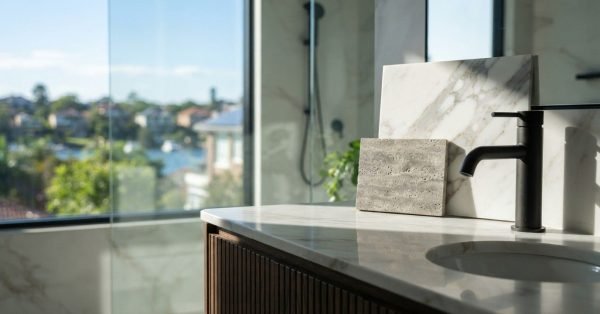
Replace dated fixtures, add modern tapware, and update benchtops. These changes refresh spaces without full gut renovations. Budget $15,000-$30,000 for bathroom updates and $20,000-$40,000 for kitchen refreshes.
Essential/Energy Efficiency
Energy-efficient upgrades attract eco-conscious buyers. Solar panels, LED lighting, and insulation reduce running costs. The Clean Energy Council reports solar adds $29,000 average value to Australian homes.
New hot water systems and efficient air conditioning also appeal. These practical upgrades offer ongoing savings plus resale benefits.
Simple, Low-Cost Improvements with Big Impact
Small changes deliver surprising returns. Fresh interior paint costs $3,000-$8,000 but transforms tired spaces. New door handles, light switches, and power points modernise homes cheaply.
Deep cleaning, decluttering, and minor repairs prepare homes for sale. These low-cost efforts often return 200-300% on investment.
Renovations with Lower ROI
Upscale/Major Additions
Major additions rarely recoup full costs. Swimming pools cost $50,000-$100,000 but add only $20,000-$40,000 in value. Second-storey additions face similar challenges.
These projects suit lifestyle goals, not investment returns. Consider them carefully before committing.
Over-Personalization
Unique tastes limit buyer appeal. Bold colours, unusual layouts, and niche features narrow your market. Future buyers factor removal costs into their offers.
Stick to neutral choices for investment properties. Save personal expression for items you can take with you.
Overcapitalisation
Overcapitalisation happens when renovation costs exceed value added. A $100,000 renovation on a $600,000 property rarely makes sense. The local market sets a ceiling on what buyers will pay.
Research comparable sales before finalising budgets. Your renovated home cannot exceed neighbourhood price limits.
Strategic Guidelines to Maximise Renovation ROI
Set a Renovation Budget Based on Property Value
Base your budget on current property value, not dream outcomes. The 10% rule works for most Sydney properties. Higher-value homes in premium suburbs can stretch to 15%.
Get three quotes for major work. Compare costs against expected value increases before proceeding.
Focus on Broad Appeal and Functionality
Neutral designs attract more buyers. White kitchens, grey bathrooms, and timber floors appeal broadly. Functional layouts with good storage outperform trendy designs.
Think about what most buyers want, not what you prefer.
Tailor Renovations to Local Buyer Demand
Different suburbs attract different buyers. Research your local market carefully. Family areas need bedrooms and outdoor space. Inner-city units need clever storage and modern finishes.
Match your renovations to local buyer expectations for best returns.
Consider Rental Yield and Long-Term Gains
Investors should calculate rental yield improvements. A $20,000 bathroom update might add $50 weekly rent. That equals $2,600 yearly return plus capital growth.
Long-term owners benefit from both lifestyle improvements and eventual sale value.
Why Renovation ROI Varies by Market in Sydney and Australia
Renovation returns depend heavily on location. Premium suburbs tolerate higher spending. Affordable areas have stricter price ceilings.
PropTrack data shows Sydney’s median house price varies from $700,000 to over $3 million by suburb. This range affects what buyers will pay for renovated homes.
Economic conditions also influence returns. Strong markets reward quality upgrades. Slower markets punish overcapitalisation. Timing matters for renovation success.
Conclusion
Smart renovations add real value to Sydney properties. The key is matching your spending to market expectations. Focus on kitchens, bathrooms, and curb appeal for best returns.
Sydney Home Renovation helps homeowners make confident renovation decisions. We provide transparent pricing and expert guidance on value-adding projects. Our team understands what Sydney buyers want.
Contact Sydney Home Renovation today for a free consultation. We will help you plan renovations that deliver strong returns and lasting value.
Frequently Asked Questions
What renovation adds the most value to a house in Sydney? Kitchen and bathroom updates add the most value. These rooms influence most buying decisions. Mid-range updates typically return 70-80% of costs.
How much should I spend on renovations before selling? Spend no more than 10% of your property value. This prevents overcapitalisation. Focus on high-impact, low-cost improvements first.
Is it worth renovating a house before selling in Sydney? Yes, strategic renovations boost sale prices. Fresh paint, updated fixtures, and curb appeal improvements attract more buyers. They often return 2-3 times their cost.
What renovations have the lowest ROI? Swimming pools, luxury additions, and over-personalised designs have low ROI. These projects rarely recoup their full costs at sale.
How do I avoid overcapitalising on my renovation? Research comparable sales in your suburb. Set budgets based on property value. Get professional advice before major spending.
Should I renovate or sell as-is in Sydney? This depends on your property condition and local market. Dated homes benefit from updates. Well-maintained homes may sell well as-is.
How long does it take to recoup renovation costs? Most renovations recoup costs within 3-5 years through increased value or rental income. High-ROI projects recover costs faster.